
How Much Weight Can a Typical Cooking Scale Hold?
2025-08-01

Table of Contents

- Introduction
- Typical Weight Capacity of Cooking Scales
- Parameter Table of Common Kitchen Scales
- How to Achieve Precise Measurement
- Expert Opinions and Evaluations
- Frequently Asked Questions (FAQ)
- Conclusion
Introduction
In the world of cooking and baking, precision is key, and a cooking scale plays a vital role in ensuring that ingredients are measured accurately. One of the most common questions that home cooks and baking enthusiasts ask is, “How much weight can a typical cooking scale hold?” This question is crucial as it helps users determine if a particular scale can meet their specific needs, whether they’re measuring small amounts of spices or larger quantities of flour for a big batch of bread. In this news,we’ll delve into the typical weight capacity of cooking scales, provide a parameter table of common models, explain how to achieve precise measurements, include expert opinions, address frequently asked questions, and reference previous news related to kitchen scales.
Typical Weight Capacity of Cooking Scales
A typical cooking scale is designed to cater to the needs of home cooks, and its weight capacity varies depending on the intended use. Generally, most standard home - use cooking scales have a weight capacity ranging from 5 pounds (2.27 kg) to 15 pounds (6.8 kg). This range is sufficient for everyday cooking tasks such as measuring ingredients for a family - sized meal, baking a cake, or preparing a batch of cookies.
For those who need to handle larger quantities, such as people who often cook for a crowd or run a small food business from home, there are high - capacity cooking scales available. These can hold anywhere from 15 pounds (6.8 kg) up to 33 pounds (15 kg) or more. These scales are sturdier and can accommodate larger bowls or containers filled with ingredients like bulk flour, sugar, or large cuts of meat.
On the other end of the spectrum, there are precision cooking scales that are designed for measuring very small amounts of ingredients, such as spices, extracts, or food additives. These scales typically have a lower weight capacity, usually up to 2 pounds (0.91 kg), but offer higher accuracy to ensure that even the tiniest amounts are measured correctly.

Parameter Table of Common Kitchen Scales
|
Model
|
Weight Capacity
|
Accuracy
|
Units of Measurement
|
Special Features
|
Price Range
|
|
OXO Good Grips 11 lb Food Scale
|
11 lb (5 kg)
|
0.1 oz (1 g)
|
oz, lb, g, kg
|
Tare function, pull - out display
|
\(20 - \)30
|
|
Etekcity Digital Multifunction Kitchen Scale
|
11 lb (5 kg)
|
0.1 oz (1 g)
|
oz, lb, g, kg, ml, fl oz
|
Tare function, auto - shutoff, backlit display
|
\(15 - \)25
|
|
Greater Goods High Capacity Scale
|
22 lb (10 kg)
|
0.1 oz (1 g)
|
oz, lb, g, kg
|
Tare function, large platform, easy - to - read display
|
\(30 - \)40
|
|
American Weigh Scales SC - 2KG
|
4.4 lb (2 kg)
|
0.01 oz (0.1 g)
|
oz, g
|
Tare function, compact design
|
\(10 - \)20
|
|
Escali Pana V136
|
15 lb (6.8 kg)
|
0.1 oz (1 g)
|
oz, lb, g, kg
|
Over 500 pre - programmed ingredients, tare function
|
\(50 - \)70
|

How to Achieve Precise Measurement
To get the most accurate measurements from your cooking scale, follow these steps:
- Calibrate the scale regularly: Calibration is essential to ensure that the baking scale reads correctly. Most scales come with calibration instructions. You can use calibration weights of known values to calibrate. For example, if you have a 1 kg weight, place it on the scale and follow the calibration procedure to adjust the scale to read 1 kg accurately.
- Place the scale on a flat and stable surface: An uneven surface can affect the accuracy of the measurement. Make sure the scale is placed on a hard, level countertop.
- Use the tare function: When measuring ingredients in a container, place the container on the scale first and press the tare button to reset the scale to zero. Then add the ingredient, and the scale will display the weight of the ingredient only.
- Avoid overloading the scale: Exceeding the maximum weight capacity of the scale can damage it and lead to inaccurate readings. Always check the weight capacity before using the scale for large quantities.
- Handle the scale with care: Rough handling, such as dropping the scale, can throw off its calibration. Treat the scale gently to maintain its accuracy.
- Clean the scale properly: Food residue on the scale can affect its performance. Clean the scale regularly according to the manufacturer’s instructions. Most scales can be wiped clean with a damp cloth.

Expert Opinions and Evaluations
Chef John Doe, a renowned culinary instructor with over 20 years of experience, says, “The weight capacity of a cooking scale is a critical factor, but it’s not the only one. Accuracy is equally important. A scale that can hold a lot of weight but isn’t accurate is useless in the kitchen. For home cooks, a scale with a capacity of 11 - 15 pounds and an accuracy of 0.1 ounces or 1 gram is usually sufficient. It can handle most everyday cooking and baking tasks.”
Jane Smith, a food scientist who specializes in recipe development, adds, “High - capacity scales are great for those who need to measure large quantities, but they often take up more space. If you’re short on kitchen counter space, a compact scale with a lower capacity but high accuracy might be a better choice. Also, the tare function is a must - have feature as it makes measuring multiple ingredients in the same container much easier.”
In a previous news,[How to Store a Baking Scale Properly?], we discussed in detail the importance of features like tare function, units of measurement, and display quality. These features, when combined with the right weight capacity, make a cooking scale a valuable tool in the kitchen.
Frequently Asked Questions (FAQ)
- Q: Can a cooking scale with a 5 kg capacity measure 5 kg exactly?
A: In ideal conditions, a properly calibrated cooking scale with a 5 kg capacity should be able to measure 5 kg accurately. However, factors such as calibration, surface stability, and handling can affect the measurement. It’s important to calibrate the scale regularly to ensure accuracy.
- Q: What happens if I overload my cooking scale?
A: Overloading a cooking scale can cause permanent damage to its internal components, leading to inaccurate readings or even rendering the scale unusable. It’s always best to stay within the maximum weight capacity specified by the manufacturer.
- Q: Are there cooking scales that can measure both small and large quantities accurately?
A: Yes, some cooking scales are designed to offer a wide weight range with high accuracy. For example, the Escali Pana V136 has a capacity of 15 lb (6.8 kg) and an accuracy of 0.1 oz (1 g), making it suitable for both small and moderately large quantities.
- Q: How do I know if my cooking scale needs to be calibrated?
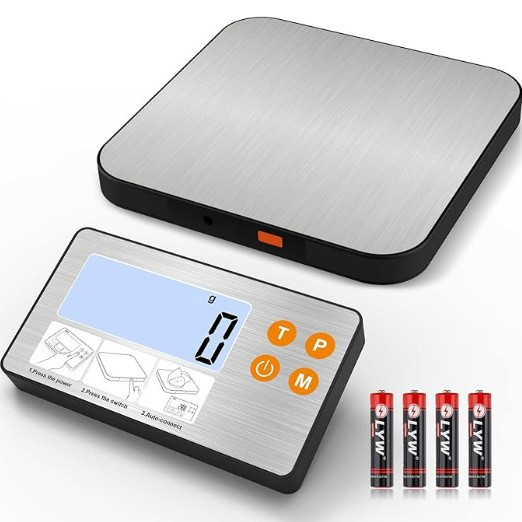
A: If you notice that the scale’s readings are inconsistent or differ from known weights, it’s likely time to calibrate it. Most scales have a calibration indicator or will display an error message when calibration is needed. Refer to the user manual for specific calibration instructions.
- Q: Can I use a cooking scale to measure liquids?
A: Yes, many cooking scales can measure liquids. They typically have units such as milliliters (ml) and fluid ounces (fl oz) for liquid measurements. When measuring liquids, use a container that is suitable for the liquid and place it on the scale, then use the tare function to zero out the container’s weight before adding the liquid.
- Q: Is a higher price always indicative of a better cooking scale in terms of weight capacity and accuracy?
A: Not necessarily. While some high - end cooking scales offer advanced features and higher accuracy, there are many mid - range scales that provide excellent performance in terms of weight capacity and accuracy. It’s important to consider your specific needs and read reviews before making a purchase.
Conclusion
The weight capacity of a typical cooking scale varies, with most home - use models ranging from 5 pounds to 15 pounds. High - capacity scales can hold 15 pounds or more, while precision scales for small amounts have lower capacities. When choosing a cooking scale, it’s important to consider not only the weight capacity but also accuracy, features, and your specific cooking needs.
By following the steps to achieve precise measurement and referring to expert opinions, you can make the most of your cooking scale. The parameter table provided offers a quick overview of common models, and the FAQ section addresses some of the most pressing questions. For more information on cooking scales, be sure to check out our previous news [Are There Specific Cleaning Products I Should Use or Avoid When Cleaning My Bowl Scale to Prevent Damage to the Scale's Components?]. With the right cooking scale, you can elevate your cooking and baking to new levels of precision and success.
Can I Use a Food Scale for Portion Control and Healthy Eating?
How to Store a Baking Scale Properly?
Related Article

A baking scale is an essential tool in any baker's kitchen, ensuring precise measurements of ingredients that are crucial for the success of various baked goods. From delicate pastries to hearty bread, accurate weighing can make or break a recipe.
How to Store a Baking Scale Properly?

In the world of culinary arts, precision can make or break a recipe—especially in baking, where even small measurement errors can lead to disappointing results. While regular kitchen scales serve general weighing needs, baking demands a specialized tool designed for meticulous accuracy and functionality.
What's the difference between a regular kitchen scale and one for baking?

A bowl scale is a kitchen essential, relied on for precise measurements in baking, cooking, and meal prep. Whether you’re weighing flour for bread, spices for a sauce, or small portions for meal planning, accuracy is critical. However, frequent use exposes the scale to crumbs, spills, and sticky residues—all of which can compromise its functionality over time.
Are There Specific Cleaning Products I Should Use or Avoid When Cleaning My Bowl Scale to Prevent Damage to the Scale's Components?
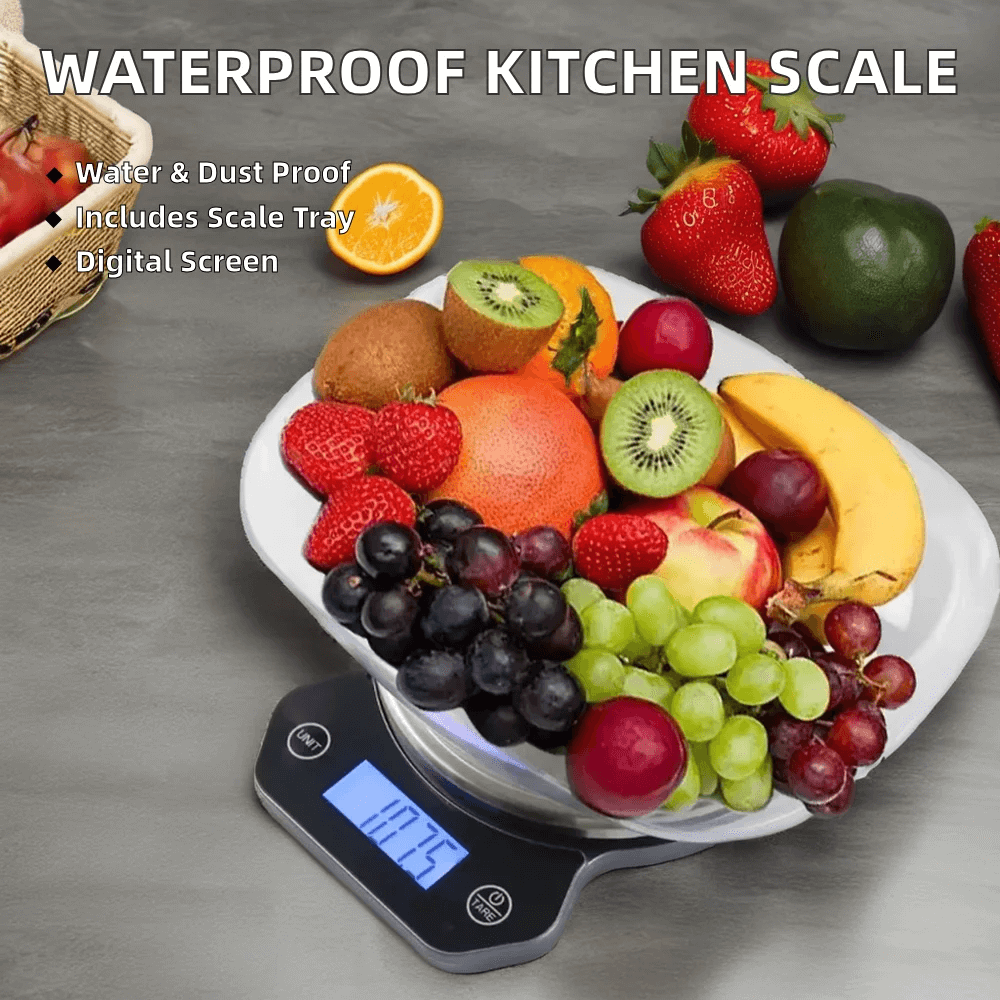
A kitchen food scale is an essential tool for anyone looking to cook or bake with precision. With a food scale, you can accurately measure the weight of ingredients and achieve consistent results in your cooking. In this article, we will discuss how to use a kitchen food scale to make cooking and baking easier and more accurate.
How To Use a Kitchen Food Scale?
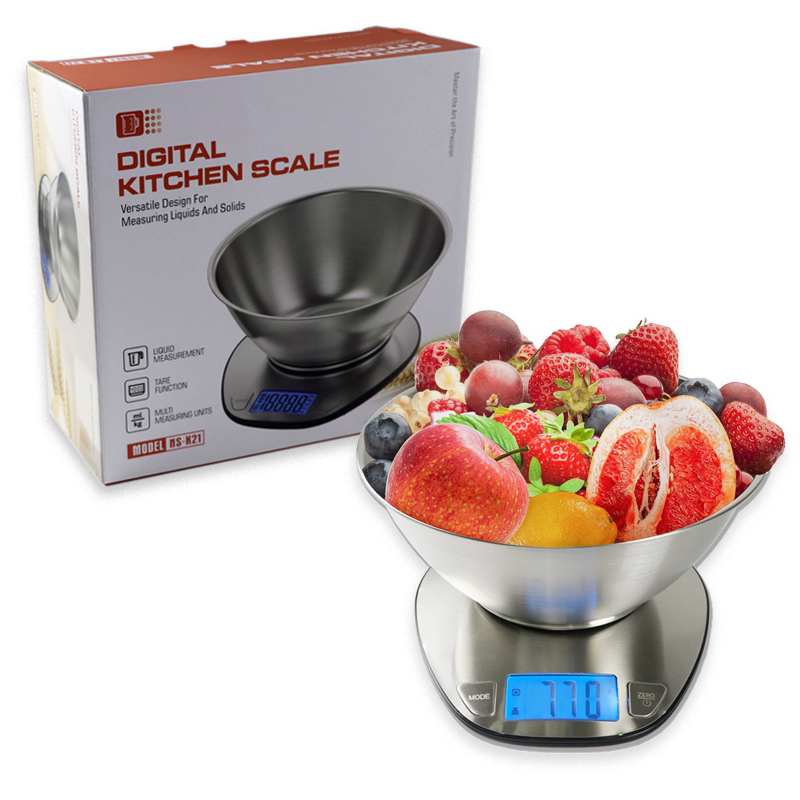
In the heart of every kitchen, precision is the unsung hero that can transform a good recipe into a culinary masterpiece. A kitchen scale with a bowl is not just another gadget; it's an essential tool that unlocks a world of culinary possibilities. Whether you're a professional chef or a home cook embarking on a new recipe adventure, the accuracy it provides is the key to consistent and delicious results.
How do I set up and use the kitchen scale with a bowl?

In the heart of every kitchen, among the pots, pans, and utensils, lies a seemingly unassuming device that holds the key to culinary precision - the kitchen scale. This compact and often overlooked gadget is far more than just a simple tool for measuring weight; it is an essential ally for both amateur home cooks and professional chefs alike.
The Invisible Hero in Your Kitchen: Unveiling the Functions of a Good Kitchen Scale
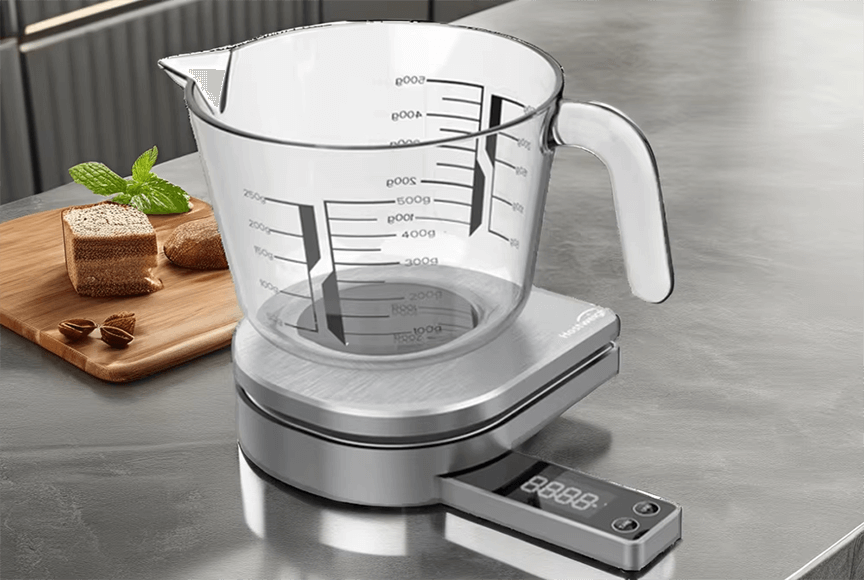
A bakery weighing scale is an indispensable tool for any baker, ensuring precise measurement of ingredients that can make or break a recipe. Whether you’re a home baker or a professional pastry chef, regular cleaning and maintenance are essential to preserve the scale’s accuracy, extend its lifespan, and maintain kitchen hygiene.
How Do I Clean and Maintain My Baking Scale?
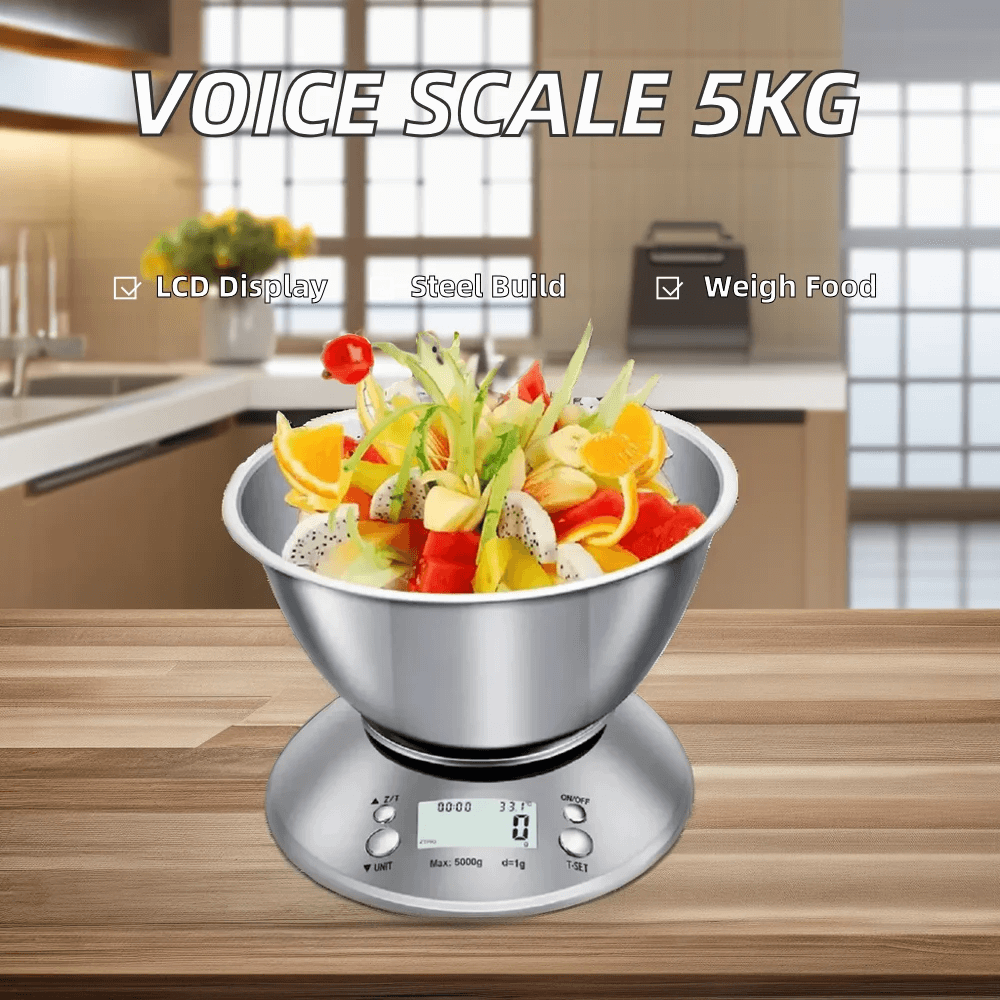
Bowl scales have emerged as a game - changer, offering a level of accuracy and convenience that traditional measuring methods simply can't match. But with a plethora of bowl scales available on the market, each boasting its own set of features and capabilities, how do you determine which one is the perfect fit for your kitchen and your culinary aspirations?
Bowl Scales: Which One Will Revolutionize Your Cooking and Baking?
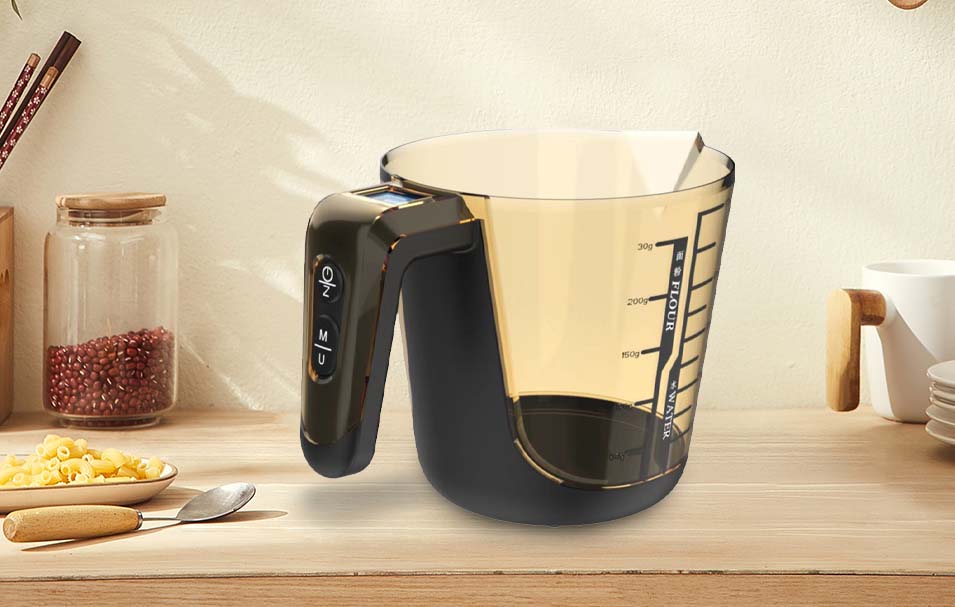
In the world of cooking and baking, precision in measuring ingredients is often the key to a successful dish. Cup scales, which combine the functionality of traditional measuring cups with the accuracy of a weighing scale, have become increasingly popular among home cooks, professional chefs, and baking enthusiasts in the United States.
What Features Should I Look for When Buying a Cup Scale?