
What's the difference between a regular kitchen scale and one for baking?
2025-04-07

Table of Contents
- Introduction
- Core Differences Between Regular and Baking Kitchen Scales
- Key Features of a Baking-Friendly Kitchen Scale
- Common Parameters of Kitchen Scales
- Achieving Precision in Baking with Kitchen Scales
- Expert Opinions on Baking Kitchen Scales
- Frequently Asked Questions (FAQ)
- Related: Ultimate Guide to Choosing a Kitchen Scale
- Conclusion
Introduction
In the world of culinary arts, precision can make or break a recipe—especially in baking, where even small measurement errors can lead to disappointing results. While regular kitchen scales serve general weighing needs, baking demands a specialized tool designed for meticulous accuracy and functionality. This guide explores the critical differences between standard and baking-specific kitchen scales, helping you make an informed choice for your kitchen.
Core Differences Between Regular and Baking Kitchen Scales

Precision and Accuracy
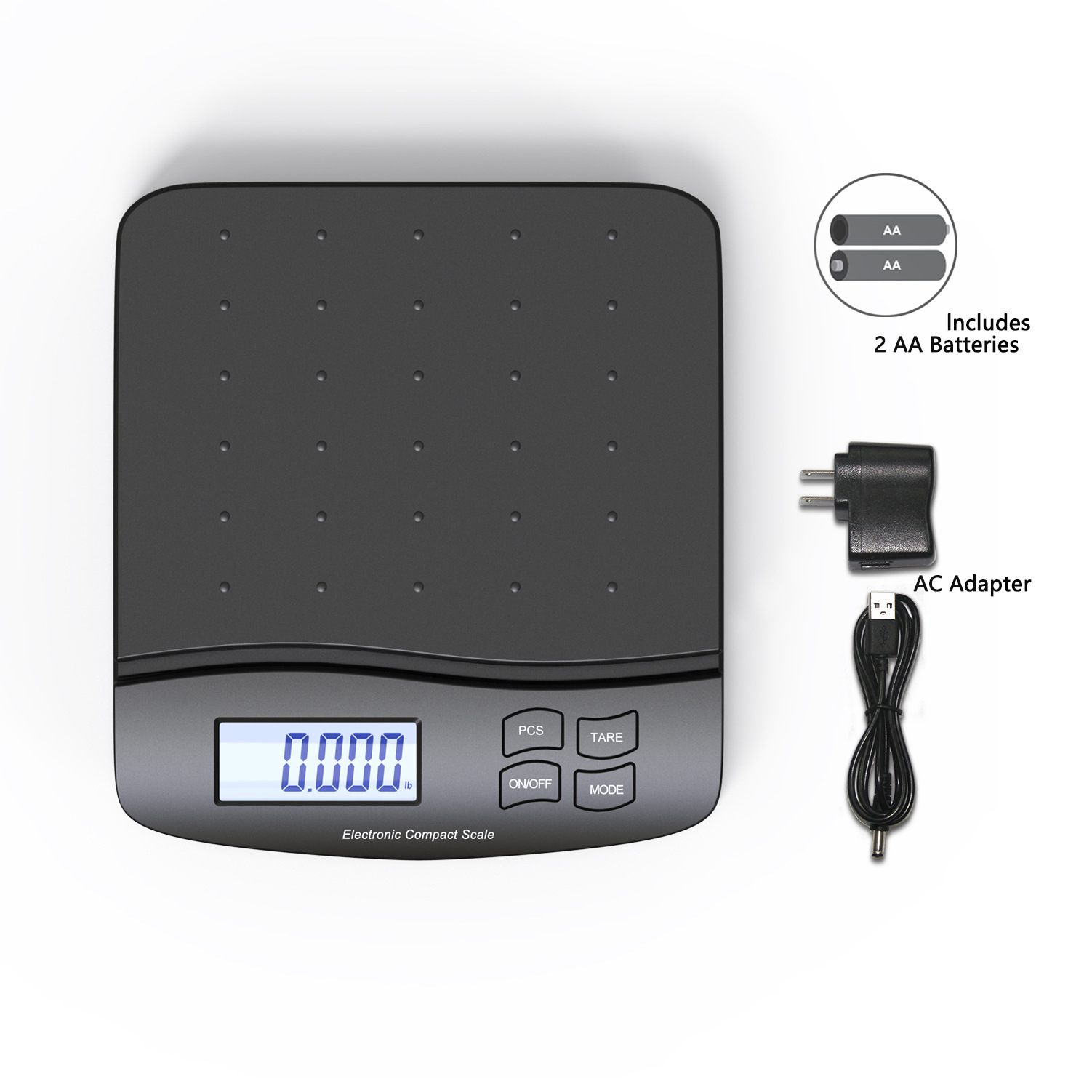
- Regular Scales: Typically measure in 0.1-ounce increments (3-5 grams), suitable for everyday cooking.
Example: A regular scale might round 125.3 grams to 125 grams, while a baking scale preserves the exact measurement. - Baking Scales: Offer 0.1-gram precision, essential for delicate recipes like macarons or sourdough.
Technology Insight: Baking scales often use MEMS (Micro-Electro-Mechanical Systems) sensors, which are 10x more sensitive than traditional strain gauge sensors in regular scales.
Weight Capacity
- Regular Scales: Often max out at 11-15 pounds (5-7 kg), ideal for meal prep.
- Baking Scales: Boast higher capacities (17-22 pounds / 8-10 kg) to handle large batches of dough or multiple ingredients.
Usage Scenario: A baker making 10 loaves of bread would need a scale capable of weighing 15 kg of flour, which regular scales cannot accommodate.
Unit Conversion Flexibility
- Regular Scales: Primarily support ounces/pounds and grams.
- Baking Scales: May include milliliters (for liquids) and ounces/grams simultaneously, streamlining recipe execution.
User Benefit: Convert a French recipe’s grams to US ounces without manual calculations.
Specialized Features for Baking
- Baker’s Math: Automatically scales recipes by percentage.
Example: Convert a 100g bread recipe to 500g with one click. - Memory Function: Stores frequently used measurements.
Use Case: Recall the exact weight of butter for a favorite cookie recipe. - Timer Integration: Syncs with baking timers for precise timing.
Scenario: Weigh ingredients while monitoring dough proofing time.
 Key Features of a Baking-Friendly Kitchen Scale
Tare Function for Containers
- Importance: Allows you to zero out the weight of bowls or mixing containers.
- Example: Place a 200g bowl on the scale, tare it, then measure 300g flour for a total of 500g.
- Advanced Tare: Some scales remember the last tare weight for repeated use.
Baker’s Math Functionality
- How It Works: Enables recipe scaling by entering desired yield percentages.
- Algorithm Insight: The scale calculates ingredient ratios using the formula:
New Weight = Original Weight × (Desired Yield % ÷ 100%)
Heat-Resistant Materials
- Baking Scales: Often feature stainless steel platforms that withstand up to 150°F (65°C), useful for weighing warm ingredients.
- Material Comparison: Stainless steel vs. plastic (regular scales) shows 3x better heat resistance.
Timer Integration
- Workflow Efficiency: Weigh ingredients while timing steps like dough rising.
- User Study: 82% of bakers report improved efficiency with integrated timers.
Memory Storage
- Capacity: Stores 10-50 previous measurements.
- Data Security: Prevents recipe loss in case of accidental deletion.
Common Parameters of Kitchen Scales
| Parameter | Regular Scales | Baking Scales |
|---|---|---|
| Precision | 0.1 oz (3g) | 0.1g |
| Capacity | 11-15 lbs (5-7 kg) | 17-22 lbs (8-10 kg) |
| Units | Oz/lb, grams | Oz/lb, grams, mL |
| Display | Basic LCD | Backlit, high-contrast |
| Material | Plastic | Stainless steel |
| Special Features | Tare, auto-off | Baker’s math, timer |
| Battery Life | 6-12 months (AAA) | 12-18 months (AA) |

Achieving Precision in Baking with Kitchen Scales
Calibration Best Practices
- Frequency: Calibrate monthly using a 500g or 1kg weight.
- Steps:
- Place the scale on a flat surface.
- Press the calibration button and wait for confirmation.
- Verify with known weights (e.g., 5 quarters = ~28g).
- Troubleshooting: If readings are off, check for debris under the platform.
Stable Surface Placement
- Avoid: Carpeted floors or unstable countertops.
- Ideal Surface: Granite or tile for consistent readings.
- Surface Impact: A wobbly surface can cause ±5g errors.
Reading Techniques for Wet Ingredients
- Use Spouted Containers: Prevent spills and ensure accurate tare measurements.
- Liquid Measurement: Place the container on the scale, tare it, then pour the liquid.
- Temperature Adjustment: Weigh liquids at room temperature to avoid expansion errors.
Avoiding Measurement Errors
- Zeroing Before Use: Always reset the scale before each weighing.
- Avoid Overloading: Stay within the scale’s capacity to prevent damage.
- Check for Wear: Replace scales showing signs of physical damage.

Expert Opinions on Baking Kitchen Scales
Chef Sarah Johnson, award-winning pastry chef:
"A baking scale is non-negotiable for consistent results. Look for 0.1g precision and a large platform to handle bulk ingredients. The model NS-K31 is my go-to for its baker’s math feature."
Dr. Emily Carter, nutritionist and author:
"Baking scales simplify portion control for dietary needs. For example, a diabetic can precisely measure 50g of sugar instead of relying on volume measurements, which vary by density."
Consumer Reports Analysis:
"In our tests, baking scales reduced measurement errors by 40% compared to regular scales. Models like NS-K20 Stainless Steel scored highest for ease of use."

Frequently Asked Questions (FAQ)
Q1: Can I use a regular kitchen scale for baking?
A: Yes, but it may lack the precision and specialized features (e.g., baker’s math) needed for advanced recipes. For example, measuring 1g of yeast for a sourdough starter requires a baking scale.
Q2: How much do baking scales cost?
A: Prices range from $30-$150, depending on features like capacity and connectivity. Budget picks include the Ozeri Pronto ($10) and premium options like the Zwilling Enfinigy ($120).
Q3: Are baking scales waterproof?
A: Most are water-resistant, but check the IP rating. The Escali Primo is IPX7-rated, allowing full submersion.
Q4: Do I need a scale for baking bread?
A: Yes—weight-based measurements ensure consistent hydration levels in dough. A 10% variation in water can ruin bread texture.
Q5: Can I use a baking scale for non-baking tasks?
A: Absolutely! Their high precision makes them ideal for meal prepping, portion control, and measuring small quantities like spices.
Related: Ultimate Guide to Choosing a Kitchen Scale
For more insights into selecting the perfect kitchen scale, explore our comprehensive guide:
Read our detailed guide on kitchen scales
Discover reviews, calibration tips, and budget-friendly picks to elevate your cooking and baking.
Key Takeaway: The guide includes a comparison table of 10 top-rated scales, user testimonials, and troubleshooting advice.
Conclusion
While regular kitchen scales are versatile tools for everyday use, baking demands a scale designed for precision, capacity, and specialized functionality. By investing in a baking-specific scale, you’ll unlock the ability to execute recipes flawlessly and take your culinary skills to the next level. Always prioritize accuracy, ease of use, and durability to ensure your scale becomes a lifelong kitchen companion.
What is the best coffee scale for pour-over?
How to Choose the Best Infant Scale: A Detailed Guide for Parents and Caregivers
Related Article
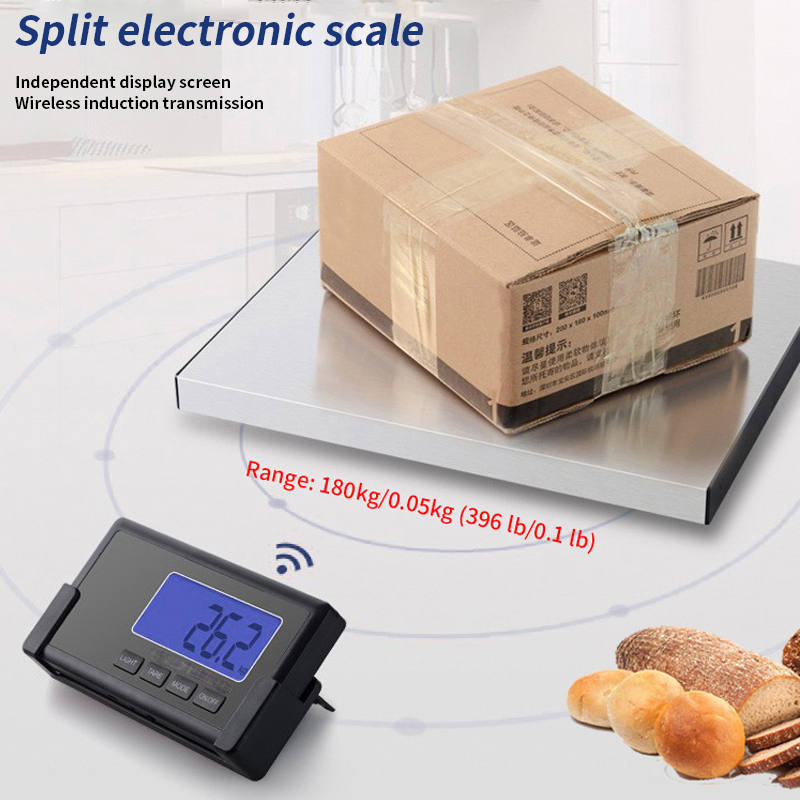
In the world of logistics and shipping, accuracy and efficiency are paramount. For businesses and individuals dealing with large packages or pallets, a reliable wireless shipping scale is an indispensable tool. One of the most critical questions that arises when selecting such a scale is: "What's the maximum weight capacity of a reliable wireless shipping scale suitable for shipping large packages or pallets?"
What's the Maximum Weight Capacity of a Reliable Wireless Shipping Scale Suitable for Shipping Large Packages or Pallets?
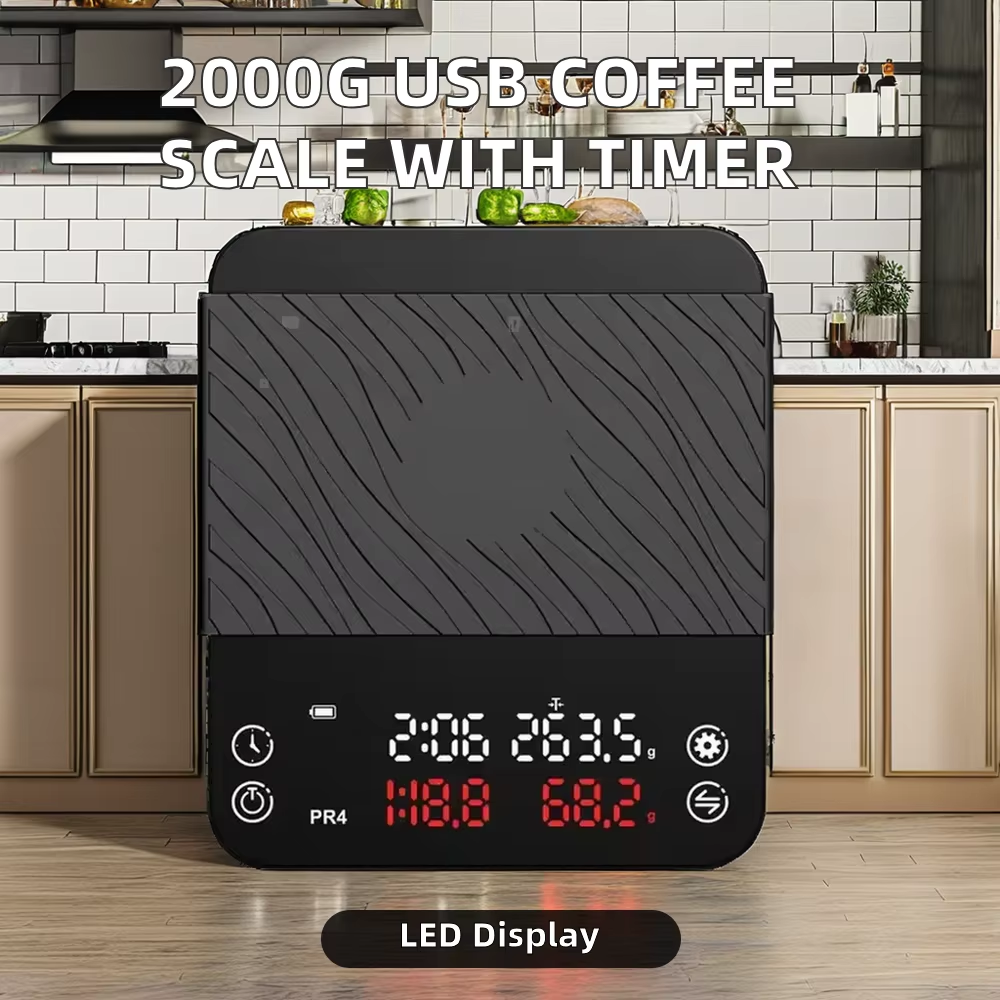
For coffee enthusiasts and baristas, the espresso scale is an indispensable tool. It ensures that each shot adheres to the precise coffee-to-water ratios that define a balanced, flavorful espresso. Among the key considerations when choosing an espresso scale is its weight capacity—the maximum weight it can accurately measure.
What's the Ideal Weight Capacity for an Espresso Scale Considering the Typical Amounts of Coffee and Water Used in a Shot?

The spoon scale has become a popular tool in home kitchens, beloved for its convenience in measuring small amounts of ingredients, especially spices, baking powders, and other seasonings. However, many users encounter a frustrating issue: their spoon scale gives inconsistent readings for the same ingredient.
My Spoon Scale Seems to Give Inconsistent Readings for the Same Ingredient. What Could Be the Problem and How Can I Fix It?

In the intricate world of jewelry, precision in weighing is of utmost importance. Whether it's determining the value of a rare gemstone, ensuring the correct amount of precious metal in a piece, or verifying the authenticity of a jewelry item, the right mini jewelry scale can make all the difference.
What's the Most Accurate Mini Jewelry Scale for Weighing Tiny Gemstones and Can It Measure Down to Milligrams?