
How To Use a Kitchen Food Scale?
2025-01-13
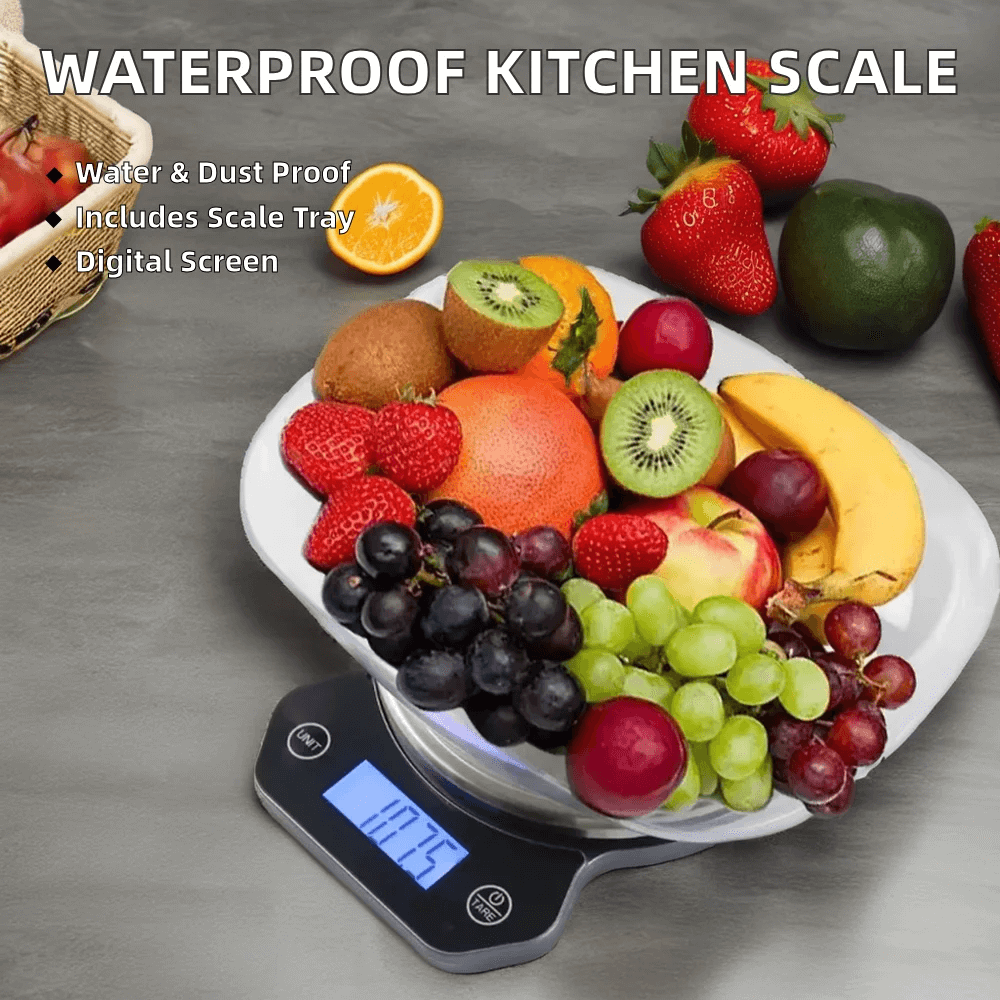
Here are the steps to using a kitchen scale: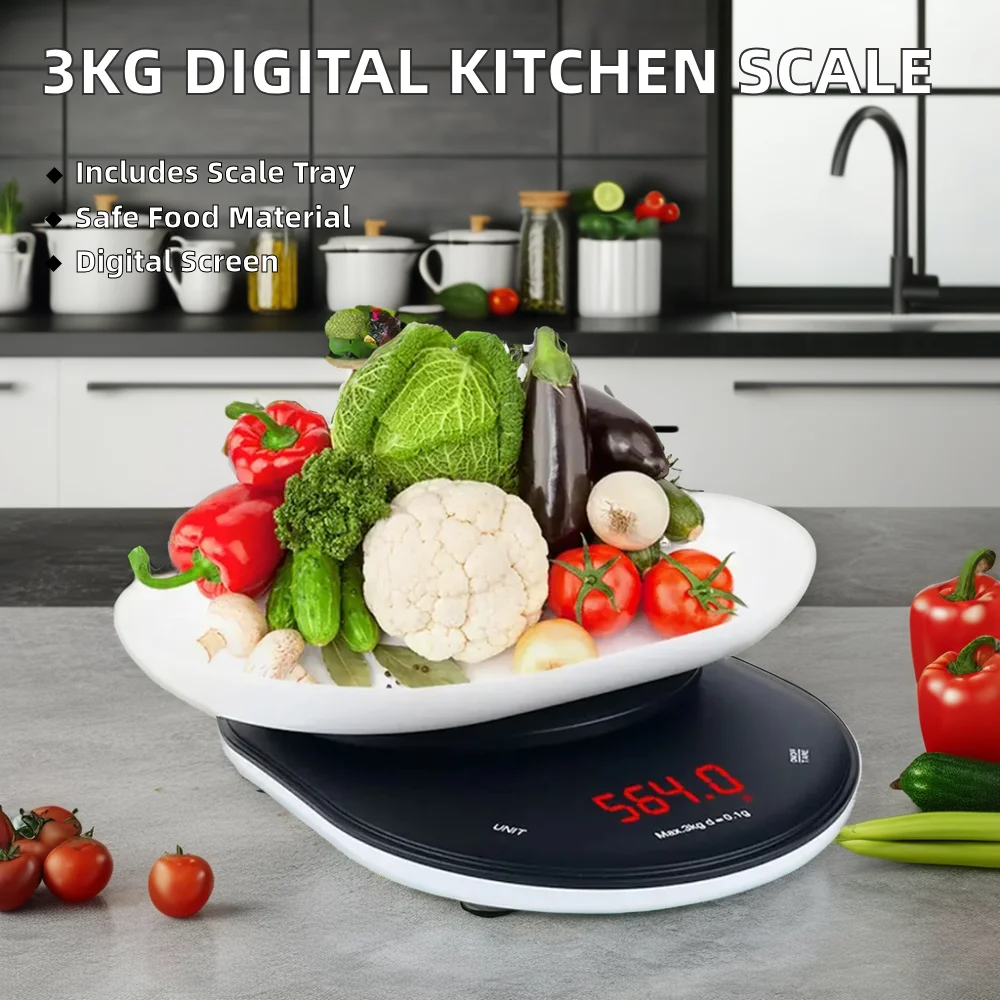
Step 1: Choose Your Best Kitchen Scale
Before you can start measuring out ingredients for your recipe, you'll need to select an accurate food scales. There are two main types of food scale: analog and digital. Analog scales are typically less expensive and do not require batteries, but they can be less precise than digital scales. Digital scales, on the other hand, offer greater accuracy and often have additional features such as a tare button, but they will require batteries.
Step 2: Calibrate Your Professional Kitchen Scales
Most modern digital electronic scales will automatically calibrate themselves when switched on, however, if this is not the case, you'll need to calibrate it manually. Start by checking the manufacturer's instructions for specific calibration information. Generally, you'll need to place a weight on the scale and make sure it registers the correct weight. If it doesn't, follow the instructions to recalibrate it.

Step 3: Choose Your Unit of Measurement
The most commonly used units of measurement for small food scales are grams (g) and ounces (oz). Some professional bakers scale may also offer other units of measurement such as pounds (lbs) or milliliters (ml). Make sure you select the correct unit of measurement before you start weighing your ingredients.
Step 4: Place Your Container or Bowl on the Kitchen Scales with a Bowl
If you're using a bowl or container to hold the ingredients you're weighing, place it on the scale before turning the bowl kitchen scale on. Make sure the container is empty and on a flat surface to ensure accurate weighing.
Step 5: Turn on the Most Accurate Food Scale and Tare it
Once you have your container on the portable food scale, turn it on, and let it auto-calibrate. Then, press the tare button. This will reset the scale to zero, subtracting the weight of the container from the measurements. Now you can start adding your ingredients.
Step 6: Add Your Ingredients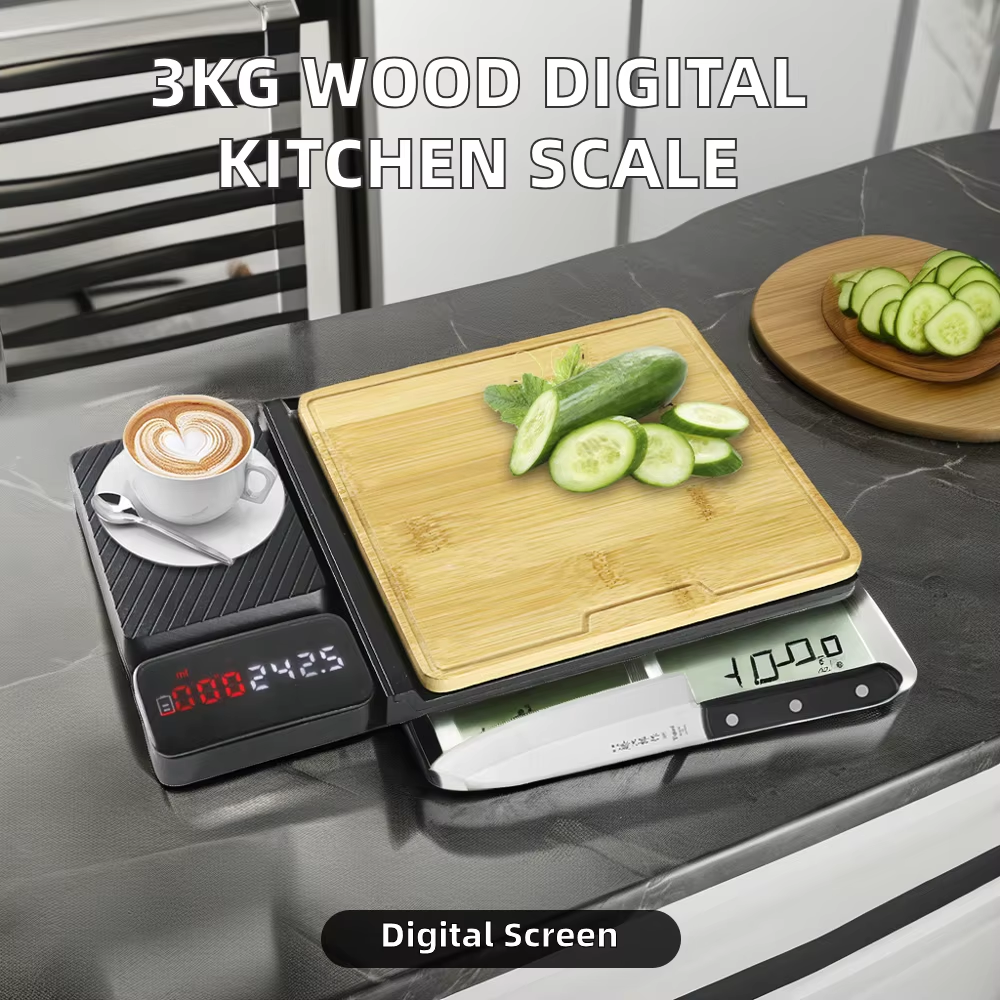
Add your first ingredient to the container. The weight should increase on the best kitchen food scale display. After each addition, press the tare button to reset the scale back to zero. Then, add your next ingredient until you've added all the ingredients required by your recipe.
Step 7: Check Your Measurements
Once you've added all the ingredients, check the final weight on the professional food scale display. This should match the weight specified in the recipe. If it doesn't, double-check that you have used the correct unit of measurement and that you have added the correct amounts of each ingredient.
Step 8: Clean Your Best Food Scale
After you have finished weighing your ingredients, clean your portable scale for food with a damp cloth to remove any residue.
In a Word:
Using a best cooking scale may seem intimidating at first, but with a little practice and patience, it can quickly become an indispensable tool in your kitchen. By following the above steps, you can enjoy precise and consistent cooking and baking with every recipe.

How can I weigh my baby at home?
Is it Worth Getting a Coffee Scale?
Related Article
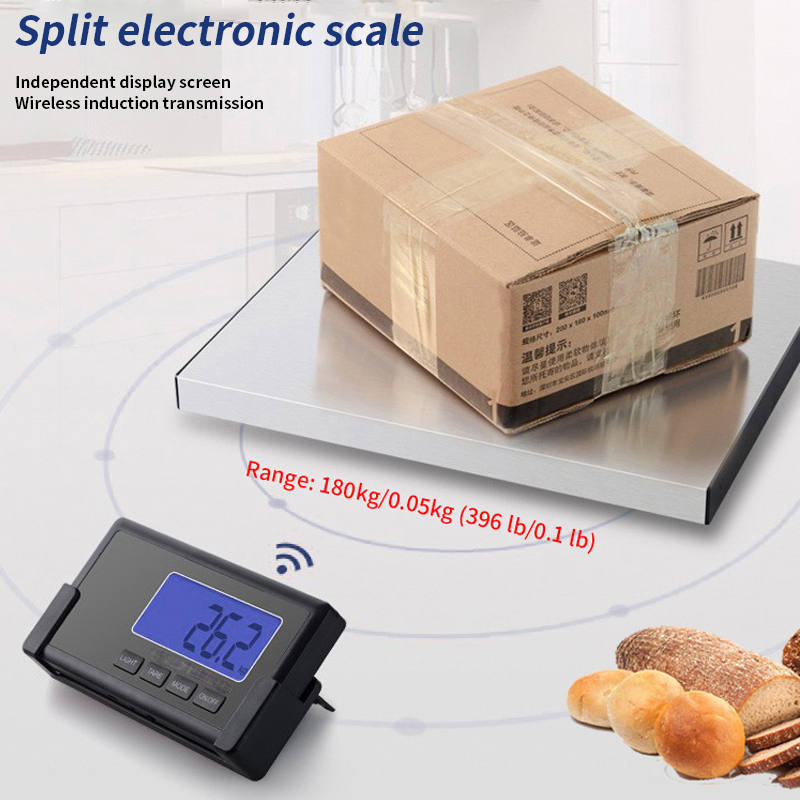
In the world of logistics and shipping, accuracy and efficiency are paramount. For businesses and individuals dealing with large packages or pallets, a reliable wireless shipping scale is an indispensable tool. One of the most critical questions that arises when selecting such a scale is: "What's the maximum weight capacity of a reliable wireless shipping scale suitable for shipping large packages or pallets?"
What's the Maximum Weight Capacity of a Reliable Wireless Shipping Scale Suitable for Shipping Large Packages or Pallets?
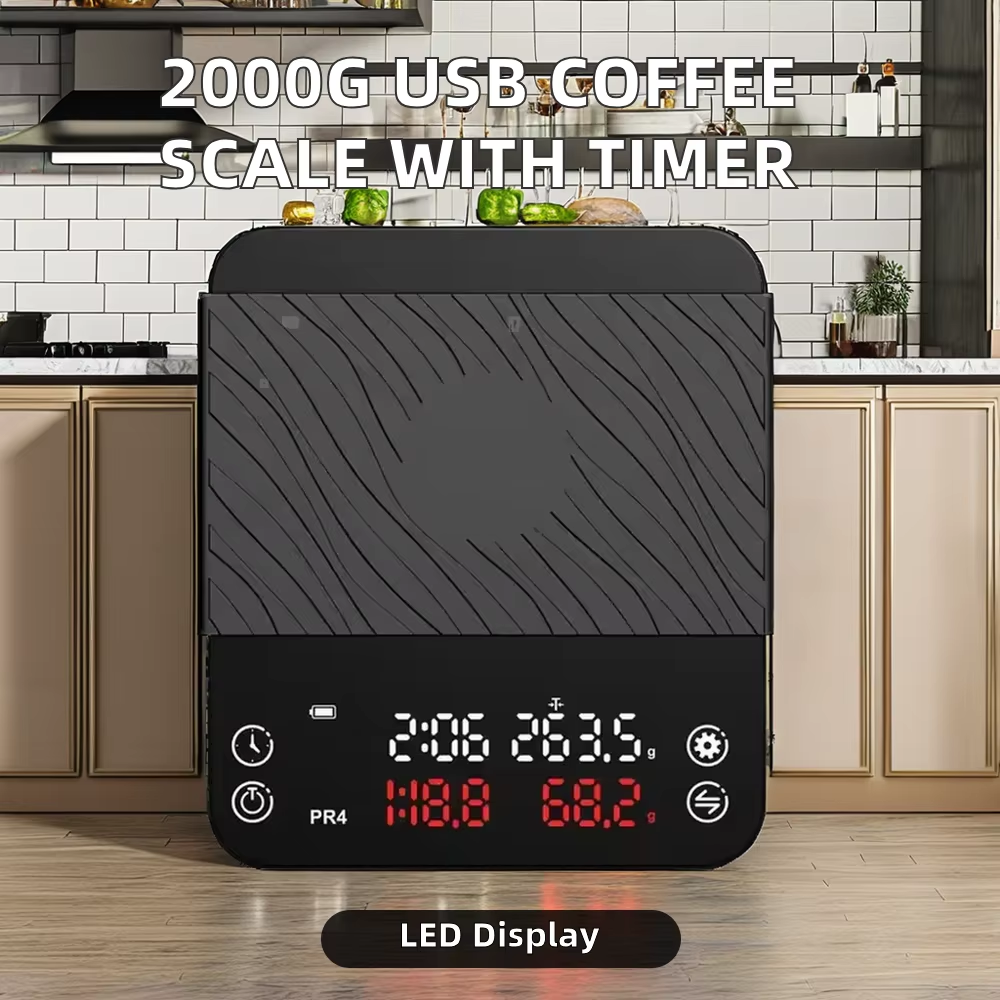
For coffee enthusiasts and baristas, the espresso scale is an indispensable tool. It ensures that each shot adheres to the precise coffee-to-water ratios that define a balanced, flavorful espresso. Among the key considerations when choosing an espresso scale is its weight capacity—the maximum weight it can accurately measure.
What's the Ideal Weight Capacity for an Espresso Scale Considering the Typical Amounts of Coffee and Water Used in a Shot?

The spoon scale has become a popular tool in home kitchens, beloved for its convenience in measuring small amounts of ingredients, especially spices, baking powders, and other seasonings. However, many users encounter a frustrating issue: their spoon scale gives inconsistent readings for the same ingredient.
My Spoon Scale Seems to Give Inconsistent Readings for the Same Ingredient. What Could Be the Problem and How Can I Fix It?

In the intricate world of jewelry, precision in weighing is of utmost importance. Whether it's determining the value of a rare gemstone, ensuring the correct amount of precious metal in a piece, or verifying the authenticity of a jewelry item, the right mini jewelry scale can make all the difference.
What's the Most Accurate Mini Jewelry Scale for Weighing Tiny Gemstones and Can It Measure Down to Milligrams?