
My Spoon Scale Seems to Give Inconsistent Readings for the Same Ingredient. What Could Be the Problem and How Can I Fix It?
2025-08-12

Table of Contents
- Introduction
- Common Reasons for Inconsistent Readings in Spoon Scale
-
- 1. Improper Placement
-
- 2. Low or Faulty Batteries
-
- 3. Dirty Measuring Surface
-
- 4. Overloading the Scale
-
- 5. Calibration Issues
-
- 6. Environmental Factors
-
- 7. Ingredient Characteristics
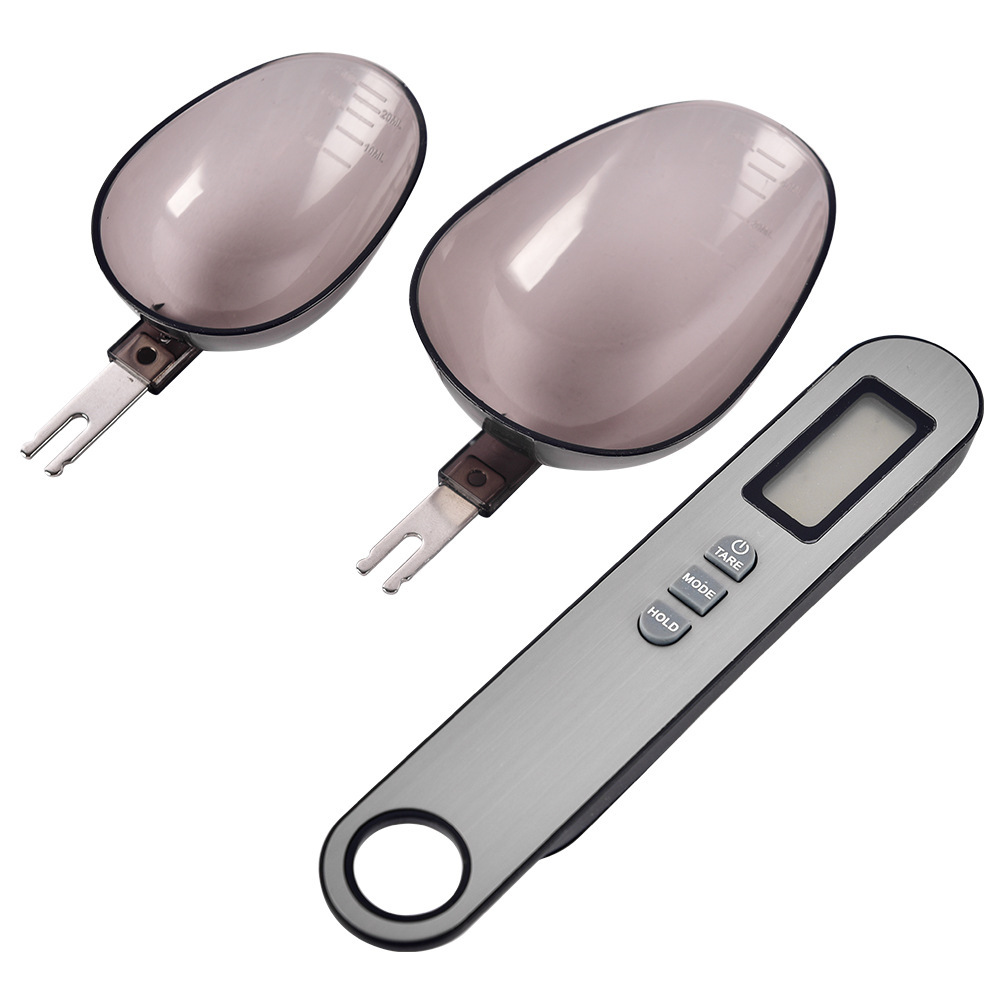
- 7. Ingredient Characteristics
- How to Fix Inconsistent Readings in Digital Spoon Scale
-
- 1. Correct Placement
-
- 2. Check and Replace Batteries
-
- 3. Clean the Measuring Surface
-
- 4. Avoid Overloading
-
- 5. Calibrate the Scale
-
- 6. Control Environmental Conditions
-
- 7. Handle Ingredients Properly
- Common Parameters of Electronic Spoon Scale - A Comparison Table
- Achieving Precise Measurements with Spoon Digital Scale
-
- 1. Pre - Use Preparation
-
- 2. Correct Measuring Techniques
-
- 3. Post - Use Maintenance
- Expert Opinions and Evaluations
- Frequently Asked Questions (FAQ)
- Conclusion
- Recommendation of Previous Scale and Spoon News Article
Introduction
The measuring spoon with scale has become a popular tool in home kitchens, beloved for its convenience in measuring small amounts of ingredients, especially spices, baking powders, and other seasonings. However, many users encounter a frustrating issue: their scale measuring spoon gives inconsistent readings for the same ingredient. One moment, it shows 5 grams for a teaspoon of salt; the next, it might read 4.8 grams or 5.2 grams. This inconsistency can throw off recipes, especially in baking where precision is crucial. In this comprehensive guide, we will explore the root causes of this problem and provide practical solutions to help you get accurate and reliable readings from your Spoon with Scale every time. We will also include a comparison table of common scale spoon parameters, tips for precise measurement, expert insights, and a FAQ section to address all your concerns. Additionally, we will recommend a previous news article about digital spoon scale that offers further valuable information.

Common Reasons for Inconsistent Readings in Best Digital Spoon Scale
Understanding why your digital kitchen spoon scale is behaving erratically is the first step toward fixing the issue. Let’s break down the most common causes:
1. Improper Placement
Digital measuring spoon scales relies on a stable surface to function accurately. If placed on an uneven, wobbly, or vibrating surface—such as a rickety kitchen counter, a surface near a running blender, or a table that shakes when you move around—it can’t provide consistent readings. Even minor vibrations can disrupt the sensor’s ability to measure weight steadily, leading to fluctuations in the displayed value.
2. Low or Faulty Batteries
Most digital spoon scale amazon are battery - powered. When the batteries are low, the scale’s power supply becomes unstable. This instability can affect the performance of the internal components, including the sensor and the display. As a result, the scale may struggle to maintain a consistent power flow, leading to erratic readings. Faulty batteries, even if they’re new, can also cause similar issues due to irregular power output.
3. Dirty Measuring Surface
Food residue, crumbs, or liquid spills on the measuring surface of the spoon scale digital can add extra weight that isn’t accounted for. For example, if you measured honey earlier and didn’t clean the spoon part, the leftover sticky residue will make subsequent measurements of, say, sugar, read higher than the actual amount. Over time, this buildup can cause significant inconsistencies.
4. Overloading the Scale
Every electronic kitchen scale spoon has a maximum weight capacity. If you regularly measure ingredients that exceed this capacity, it can damage the internal sensor. A damaged sensor will no longer provide accurate readings and may start giving inconsistent results, even for weights within the supposed range.
5. Calibration Issues
Calibration is the process of adjusting the kitchen scale spoon to ensure it measures weight accurately. Over time, due to regular use, temperature changes, or being moved around, the scale can lose its calibration. An uncalibrated scale will not read weights correctly, and this inaccuracy often manifests as inconsistent readings for the same ingredient.
6. Environmental Factors
Extreme temperatures, humidity, and air currents can all impact the performance of a portable kitchen spoon scales. High humidity can cause moisture to accumulate in the scale’s electronics, affecting their functionality. Strong air currents, such as those from a nearby fan or an open window, can create slight pressure on the measuring surface, leading to fluctuating readings. Extreme heat or cold can also warp the scale’s components, altering their ability to measure weight precisely.
7. Ingredient Characteristics
The nature of the ingredient itself can cause inconsistent readings. For example, powdery ingredients like flour can settle differently each time you measure them—one scoop might be loosely packed, and the next tightly packed, resulting in different weights. Sticky ingredients like syrup can cling to the spoon unevenly, leading to varying amounts being measured. Even liquids can be tricky if the digital kitchen spoon scales isn’t designed to handle them properly, as sloshing can cause temporary weight fluctuations.

How to Fix Inconsistent Readings in Measuring Scale Spoon
Now that we’ve identified the common causes, let’s look at the solutions to each problem:
1. Correct Placement
Always place your electronic measuring spoon scale on a flat, stable, and vibration - free surface. A solid kitchen counter that doesn’t shake when you move around is ideal. Avoid placing it near appliances that generate vibrations, such as blenders, mixers, or coffee makers. If your counter is uneven, use a small level to check and adjust by placing a thin piece of cardboard under one leg if necessary. Let the scale sit undisturbed for a few seconds before taking measurements to ensure it’s stable.
2. Check and Replace Batteries
If you suspect low batteries, replace them with fresh, high - quality ones of the correct type (as specified in the adjustable scale measuring spoon manual). Avoid using cheap or expired batteries, as they are more likely to have inconsistent power output. After replacing the batteries, turn the scale on and let it initialize for a minute before using it. This allows the power to stabilize.
3. Clean the Measuring Surface
Regularly clean the measuring spoon or surface of the best spoon scale after each use. Use a soft, damp cloth to wipe away any food residue. For sticky ingredients like honey or peanut butter, you can use a mild soap solution, but make sure to dry the surface thoroughly afterward to prevent moisture damage. Avoid using abrasive cleaners or scouring pads, as they can scratch the surface and affect the scale’s accuracy.
4. Avoid Overloading
Check the maximum weight capacity of your best scale spoon (usually listed in the user manual or on the scale itself) and never exceed it. If you need to measure ingredients that are heavier than the scale’s capacity, use a larger kitchen scale instead. If you suspect the sensor has already been damaged due to overloading, contact the manufacturer to see if it can be repaired or replaced.
5. Calibrate the Scale
Calibrating your spoon weight scale is essential for restoring accuracy. Most best spoon scales come with calibration instructions in the user manual. Here’s a general guide: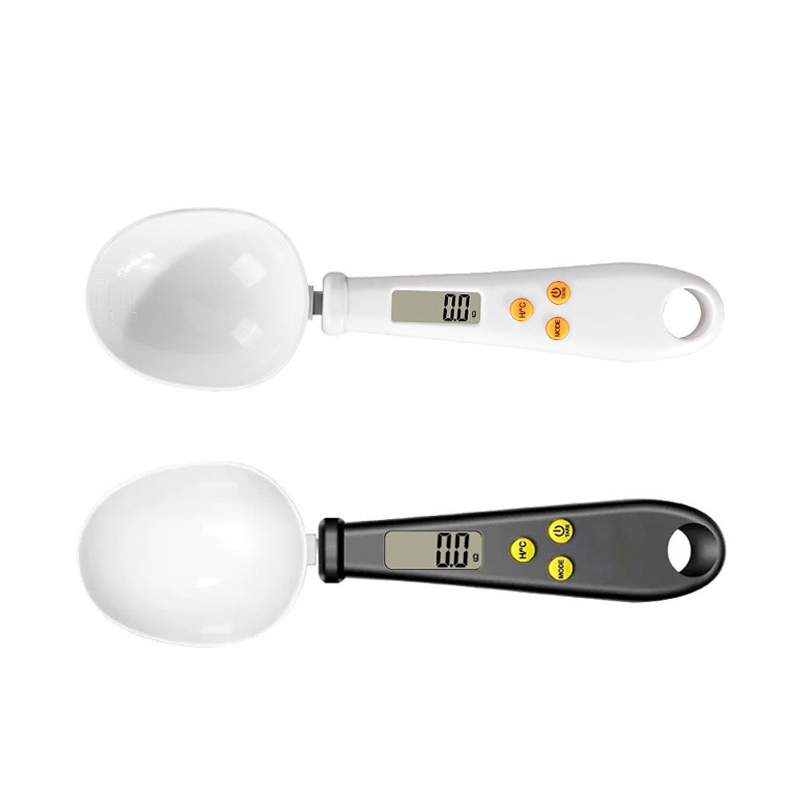
- Turn on the scale and let it warm up for a few minutes.
- Press the calibration button (usually labeled “Cal”) until the display shows a calibration weight (e.g., 10g).
- Place the specified calibration weight on the measuring surface.
- Wait for the scale to recognize the weight and display “Calibration Complete” or a similar message.
- Remove the weight and turn the scale off and on again to ensure the calibration is saved.
It’s recommended to calibrate your electric scale spoon every 1 - 2 months, or more frequently if you use it heavily.
6. Control Environmental Conditions
Keep your food scale spoon away from extreme temperatures, direct sunlight, and sources of moisture (like a steamy stovetop or a sink). Use the scale in a room with stable humidity levels. If there are strong air currents, close windows or turn off fans while measuring. You can also place a small shield (like a clear plastic container without a lid) around the scale to protect it from drafts.
7. Handle Ingredients Properly
For powdery ingredients, use a spoon to lightly scoop them and then level off the top with a straight edge to ensure consistent packing. For sticky ingredients, coat the measuring spoon with a thin layer of oil or non - stick spray before measuring to prevent them from clinging. When measuring liquids, make sure the mini spoon scale digital is designed for liquid measurements (look for a waterproof rating) and place the liquid - filled spoon on the scale gently to avoid sloshing.
Common Parameters of Spoon Scale Cheap - A Comparison Table
To help you understand the features that can affect a digital spoon weight scale’s performance and consistency, here’s a comparison table of some popular models:
|
Model
|
Capacity
|
Accuracy
|
Units
|
Battery Type
|
Special Features
|
Price Range
|
|
OXO Good Grips 2 - in - 1 Measuring Spoon & Scale
|
Up to 50g
|
±0.1g
|
g, oz, tsp, tbsp
|
2 AAA batteries
|
Tare function, easy - to - read digital display, dishwasher - safe spoon
|
\(20 - \)30
|
|
Taylor Precision Products Digital Spoon Scale
|
Up to 100g
|
±0.5g
|
g, oz, tsp, tbsp
|
1 CR2032 battery
|
Auto - off (after 60 seconds), compact design
|
\(15 - \)25
|
|
Etekcity Digital Spoon Scale
|
Up to 500g
|
±0.1g
|
g, oz, gn, ct
|
2 AAA batteries
|
Calibration function, overload protection, backlit display
|
\(10 - \)20
|
|
KitchenTour Digital Spoon Scale
|
Up to 200g
|
±0.1g
|
g, oz, tsp, tbsp
|
2 AAA batteries
|
Tare function, low battery indicator, auto - off
|
\(12 - \)18
|
|
Smart Weigh Digital Spoon Scale
|
Up to 100g
|
±0.05g
|
g, oz, dwt, gn, ct
|
2 AAA batteries
|
High precision sensor, draft shield (some models), calibration function
|
\(25 - \)35
|
Note: Prices are approximate and may vary based on retailer and location.

Achieving Precise Measurements with Food Weight Scale Spoon
Beyond fixing inconsistent readings, there are proactive steps you can take to ensure your electric weighing scale spoon always provides precise measurements:
1. Pre - Use Preparation
- Always turn on the spoon food scale a few minutes before use to allow it to warm up and stabilize.
- Check the battery level indicator (if available) to ensure sufficient power.
- Verify that the scale is calibrated, especially if it hasn’t been used in a while or if it was moved.
- Place the scale on the stable surface as discussed earlier.
2. Correct Measuring Techniques
- For dry ingredients: Use the spoon to scoop the ingredient, then level it off with a knife or spatula for consistency. Avoid packing unless the recipe specifies.
- For liquids: If the electric spoon scale is liquid - safe, pour the liquid slowly into the spoon and wait for it to settle before taking the reading.
- Use the tare function: If you’re measuring multiple ingredients in the same container, place the container on the scale, press tare to reset the reading to zero, then add the first ingredient. Repeat for each subsequent ingredient to get accurate individual measurements.
3. Post - Use Maintenance
- Clean the scale thoroughly after each use as described earlier.
- Store the spoon scale kitchen in a cool, dry place, away from dust and moisture. Many models come with a storage case—use it to protect the scale from damage.
- If you won’t be using the scale for an extended period, remove the batteries to prevent leakage, which can damage the internal components.

Expert Opinions and Evaluations
We spoke to several experts in the field of culinary tools to get their insights on spoon food scale inconsistencies and solutions.
Chef Maria Rodriguez, a professional baker with over 15 years of experience, says, “In baking, even a 0.5 - gram difference can affect the texture and rise of a cake. I’ve seen many home bakers struggle with inconsistent kitchen scales measuring spoons readings. More often than not, it’s due to improper calibration or a wobbly surface. Taking the time to calibrate the scale monthly and ensuring it’s on a flat surface makes a world of difference.”
Johnathan Lee, a product tester for a leading kitchen equipment review website, adds, “When testing digital weighing scale spoon, we find that models with a higher accuracy rating (like ±0.05g) are less prone to inconsistencies, but only if they’re maintained properly. Low - quality batteries are a common culprit—they cause power fluctuations that mess with the sensor. Investing in good batteries and cleaning the scale regularly can significantly improve performance.”
Dr. Emily Chen, a food science researcher, explains, “Environmental factors are often overlooked. Humidity can cause powdery ingredients to clump, leading to uneven measurements, and it can also affect the scale’s electronics. Using the scale in a climate - controlled kitchen and handling ingredients to minimize clumping (like sifting flour) can help maintain consistency.”
Frequently Asked Questions (FAQ)
Q1: How often should I calibrate my professional spoon weight scale?
A1: It’s recommended to calibrate your spoon digital kitchen scale every 1 - 2 months with regular use. If you notice inconsistent readings, calibrate it immediately. If the scale is moved frequently or exposed to extreme temperature changes, you may need to calibrate it more often.
Q2: Can I use my electronic scale spoon battery to measure liquids?
A2: It depends on the model. Some scale spoon battery are designed to be waterproof or water - resistant and can handle liquids. Check the user manual—if it says the scale is suitable for liquids, you can use it, but be sure to pour slowly and avoid splashing. Non - waterproof scales should not be used for liquids, as moisture can damage the electronics.
Q3: My mini spoon scale digital kitchen has a tare function. How does that help with consistency?
A3: The tare function allows you to reset the scale to zero after placing a container on it. This means you only measure the weight of the ingredient, not the container. It’s especially useful when measuring multiple ingredients in the same container, ensuring each measurement is accurate and not affected by the container’s weight.
Q4: Why does my spoon scales give different readings when I measure the same ingredient twice in a row?
A4: This could be due to several factors, such as slight differences in how the ingredient is placed on the scale, air currents, or low batteries. Try measuring the ingredient a third time—if the reading is still inconsistent, check the scale’s placement, clean it, and ensure the batteries are fresh. If the problem persists, calibrate the scale.
What's the Ideal Weight Capacity for an Espresso Scale Considering the Typical Amounts of Coffee and Water Used in a Shot?
What's the Most Accurate Mini Jewelry Scale for Weighing Tiny Gemstones and Can It Measure Down to Milligrams?
Related Article

In the modern kitchen, precision is key—whether you’re baking a batch of macarons, portioning spices for a curry, or tracking macros for a diet plan. Enter the spoon scale: a compact, multi-functional device that merges the convenience of a measuring spoon with the accuracy of a digital scale.
What Foods Can Be Measured with a Spoon Scale?
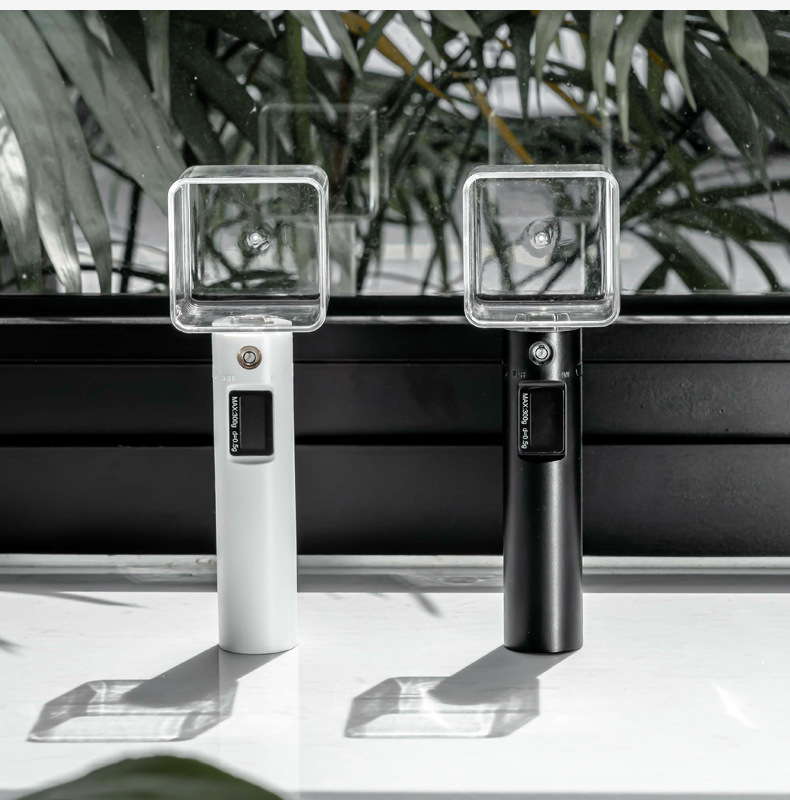
In the culinary world of the United States, where precision in ingredient measurement can transform a dish from ordinary to extraordinary, spoon scales have emerged as indispensable tools for home cooks, professional chefs, and baking enthusiasts.
What are the Essential Features to Look for in a Spoon Scale?
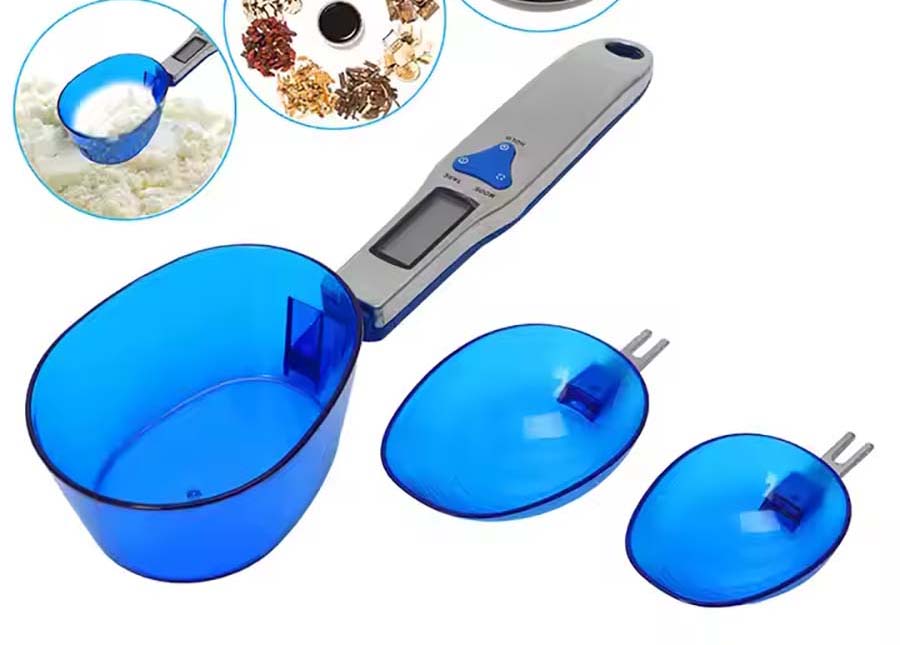
Digital spoon scale have become indispensable tools in modern kitchens, offering convenience and precision for measuring small amounts of ingredients. Whether you're a professional chef or a home cook, keeping your digital spoon scale clean is essential for both hygiene and accurate measurements.
How Do I Clean A Spoon Scale without Affecting Its Accuracy?

In the world of cooking and baking, precision is often the key to success. A spoon scale offers a unique and convenient way to measure ingredients, combining the functionality of a spoon with the accuracy of a scale.
How to Use a Spoon Scale Accurately?
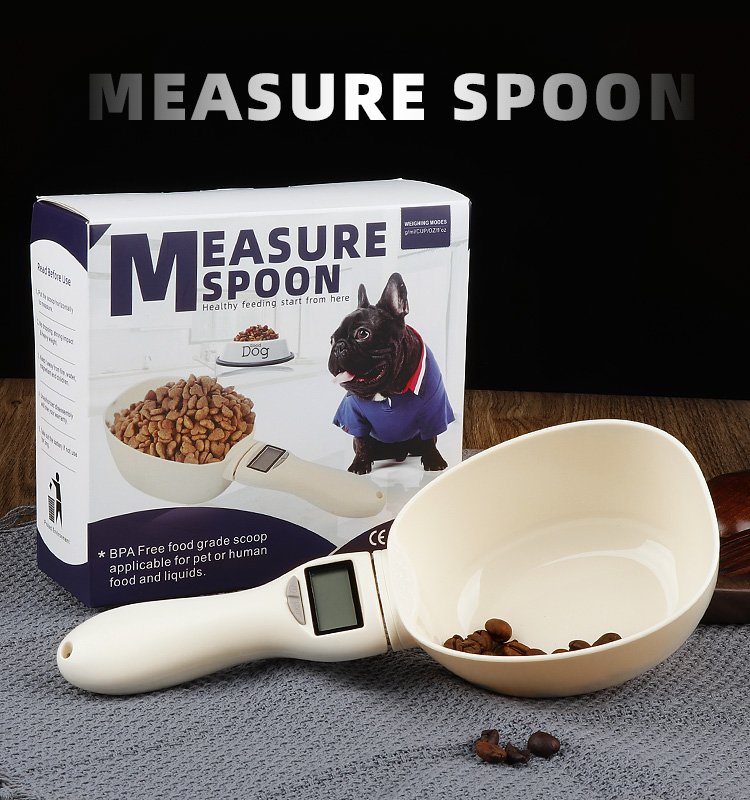
In modern kitchens, the spoon scale has become a staple. It combines the functions of a measuring spoon and a digital scale, allowing for precise ingredient measurements. However, as concerns about food safety and material health risks continue to rise, a critical question emerges: Are the materials used in spoon scales food - grade and safe? This article delves into the world of spoon scale materials.
Are the Materials of the Spoon Scale Food - Grade and Safe?

Measuring spoons are a vital tool in any kitchen. They are used for precise measurements when cooking or baking, whether it's a pinch of salt or a tablespoon of flour. However, it's essential to know the accuracy of measuring spoons as incorrect measurements can result in disastrous cooking or baking outcomes. This article explores the accuracy of measuring spoons and provides tips for selecting and using them.
How accurate are measuring spoons?