
How to Use a Spoon Scale Accurately?
2025-04-10

Table of Contents
- Introduction

- Understanding the Spoon Scale
- Key Parameters of Common Spoon Scales
- [Step - by - Step Guide to Using a Spoon Scale Accurately]
- Preparation Before Use
- Accurate Measurement Steps
- [Post - Measurement Care]
- Expert Opinions on Spoon Scale Usage
- Frequently Asked Questions (FAQ)
- Related: Previous Insights on Spoon Scales
- Conclusion

Introduction
In the world of cooking and baking, precision is often the key to success. A spoon scale offers a unique and convenient way to measure ingredients, combining the functionality of a spoon with the accuracy of a scale. Whether you’re a home cook or a professional chef, knowing how to use a spoon scale accurately can elevate your culinary creations. This comprehensive guide will walk you through every aspect of using a spoon scale, from understanding its components to achieving precise measurements and maintaining its performance.

Understanding the Spoon Scale
What is a Spoon Scale?
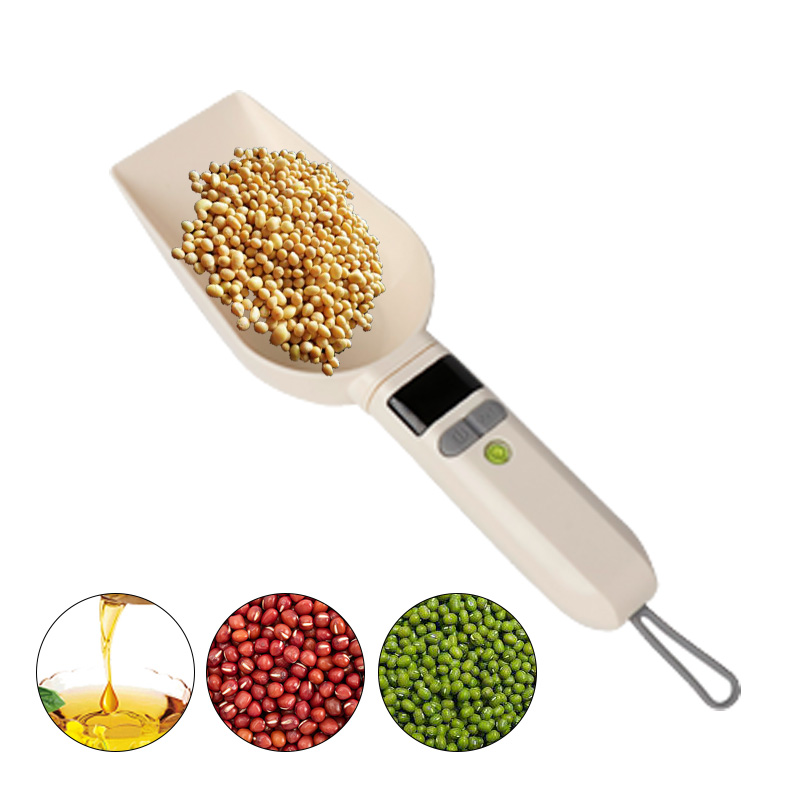
A digital spoon scale is a specialized kitchen tool that allows users to measure both the volume (like a traditional spoon) and the weight (like a scale) of ingredients. It’s particularly useful for ingredients where volume - to - weight conversion can vary, such as flour, sugar, or spices. By providing accurate weight measurements, it eliminates the guesswork often associated with traditional volume - only spoon measurements.
Core Components of a Spoon Digital Scale
- Spoon - like Bowl: This is where the ingredients are placed. It’s designed to resemble a spoon for easy scooping.
- Digital Display: Shows the weight of the ingredients in various units (grams, ounces, etc.).
- Tare Button: Allows you to zero out the weight of the spoon - like bowl, so you can measure multiple ingredients in sequence.
- Power Source: Usually battery - operated (AA, AAA, or coin - cell batteries) or rechargeable.
Key Parameters of Common Spoon with Scale
| Parameter | Description |
|---|---|
| Capacity | Ranges from 100g to 500g. For example, the OXO Good Grips Digital Scale Spoon has a 500g capacity. |
| Precision | Most offer 0.1g precision. Some high - end models can go down to 0.01g. |
| Units | Grams (g), ounces (oz), milliliters (ml) (for liquid ingredients). |
| Material | The bowl is often made of stainless steel or high - quality plastic. The body may be plastic or metal. |
| Battery Life | Varies, but most last 6 - 12 months with regular use. Rechargeable models can last longer between charges. |
Step - by - Step Guide to Using a Best Digital Spoon Scale Accurately

Preparation Before Use
- Check the Battery: Ensure the digital kitchen spoon scale has sufficient power. If the display is dim or unresponsive, replace the batteries or recharge it.
- Calibration: Some spoon scales require periodic calibration. Refer to the user manual for calibration instructions. Usually, it involves placing a known - weight object (like a calibration weight) on the scale and following the prompts.
- Clean the Scale: Wipe the spoon - like bowl and the surrounding area with a dry, clean cloth. Any residue can affect the accuracy.
Accurate Measurement Steps
- Turn on the Spoon Scale Digital: Press the power button. Wait for the display to initialize.
- Tare the Scale: Place the empty spoon - like bowl on the scale and press the tare button. The display should read “0”.
- Scoop the Ingredient: Use the spoon - like bowl to scoop the ingredient. Try to fill it evenly without over - packing (for dry ingredients like flour) unless the recipe specifies.
- Read the Measurement: Look at the digital display. For example, if you’re measuring flour for a cake recipe and the display reads “100g”, that’s the accurate weight.
- Multiple Measurements: If you need to measure another ingredient, tare the scale again (with the first ingredient still in the bowl if you’re using a larger container) and repeat the process.
Post - Measurement Care
- Clean the Scale: After use, remove any leftover ingredients from the spoon - like bowl. Wipe it with a damp cloth (avoid submerging the scale in water unless it’s waterproof).
- Store Properly: Keep the electronic spoon scale in a dry, cool place. Avoid exposing it to extreme temperatures or humidity.
Expert Opinions on Electronic Kitchen Scale Spoon Usage
Chef Maria Gonzalez, a renowned pastry chef, says: “Using an electronic measuring spoon scale accurately is a game - changer in baking. For delicate recipes like macarons, where the weight of ingredients is crucial, a spoon scale ensures consistency. I always recommend calibrating it regularly and using the tare function properly. It’s also important to handle the scale gently to maintain its accuracy over time.”
John Smith, a kitchenware reviewer, states: “When testing electronic digital spoon scale, I found that those with 0.1g precision work well for most home cooking needs. However, for professional use, especially with expensive ingredients like saffron, a scale with higher precision (0.01g) is better. Also, the material of the spoon - like bowl matters. Stainless steel bowls are more durable and less likely to retain odors compared to plastic.”
 Frequently Asked Questions (FAQ)
Q1: Can I use a scale measuring spoon for liquid ingredients?
A: Yes, many digital measuring spoon scales can measure liquid ingredients. Just make sure to check the maximum capacity and the unit settings (ml or g, as water weighs 1g per ml). However, for very viscous liquids, the measurement might be slightly affected by surface tension.
Q2: How often should I calibrate my measuring scale spoon?
A: It depends on usage. If you use it daily, calibrate it once a month. If less frequently, every 3 - 6 months should be sufficient. But if you drop the scale or notice inaccurate readings, calibrate it immediately.
Q3: What if my adjustable scale measuring spoon gives inconsistent readings?
A: First, check if the scale is on a stable, flat surface. Any movement or uneven surface can cause errors. Then, check for debris on the bowl or sensor. Clean it and try recalibrating. If the problem persists, it might be a sign of a faulty sensor, and you should contact the manufacturer.
Q4: Can I use a kitchen scale spoon for hot ingredients?
A: Most digital kitchen spoon scales are not designed for hot ingredients. High temperatures can damage the sensor and the display. Let the ingredient cool down before measuring.
Q5: Are lcd digital kitchen scale spoon waterproof?
A: Some are water - resistant (like IPX4 rating, which means they can withstand splashes), but few are fully waterproof. Check the product specifications. If it’s not waterproof, avoid exposing it to excessive moisture.

Related: Previous Insights on Best Spoon Scale
For more in - depth information about best scale spoon, check out our [previous article on spoon scales]. It covers:
- A detailed comparison of top best spoon scales brands.
- User reviews and real - world testing results.
- Tips on choosing the right measuring spoons for different culinary needs.
Conclusion
Using a kitchen measuring spoons accurately requires understanding its components, following proper measurement steps, and maintaining it regularly. Whether you’re a passionate home cook or a professional in the kitchen, this tool can significantly improve the precision of your ingredient measurements. By following the guidelines in this article, you can ensure that your spoon measuring digital remains a reliable companion in all your culinary adventures. Remember, precision in measurement leads to perfection in taste!
What is the best baggage scale for travel?
What is the best pocket scale for jewelry?
Related Article
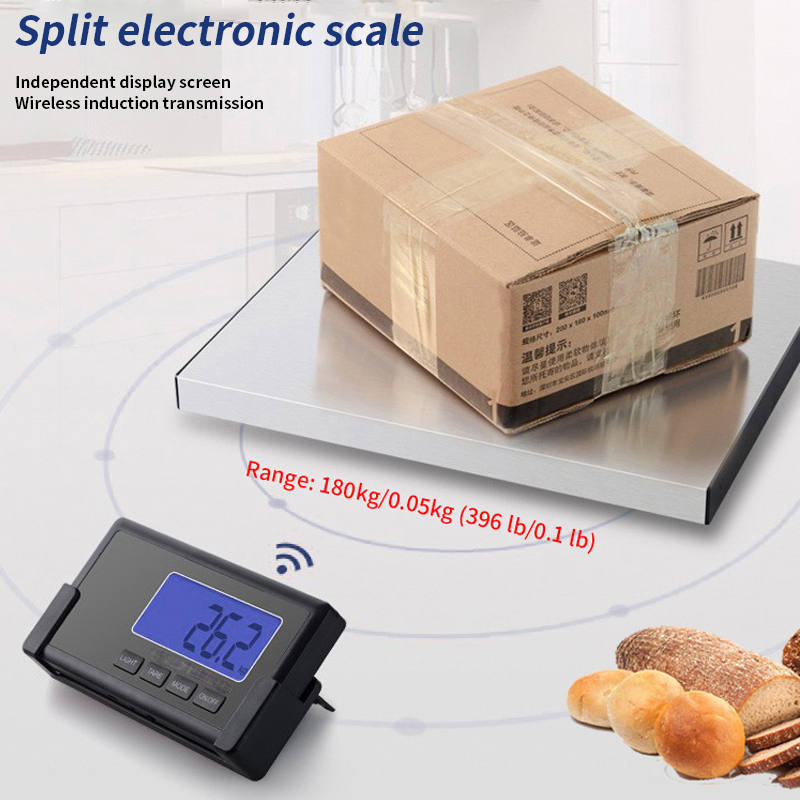
In the world of logistics and shipping, accuracy and efficiency are paramount. For businesses and individuals dealing with large packages or pallets, a reliable wireless shipping scale is an indispensable tool. One of the most critical questions that arises when selecting such a scale is: "What's the maximum weight capacity of a reliable wireless shipping scale suitable for shipping large packages or pallets?"
What's the Maximum Weight Capacity of a Reliable Wireless Shipping Scale Suitable for Shipping Large Packages or Pallets?
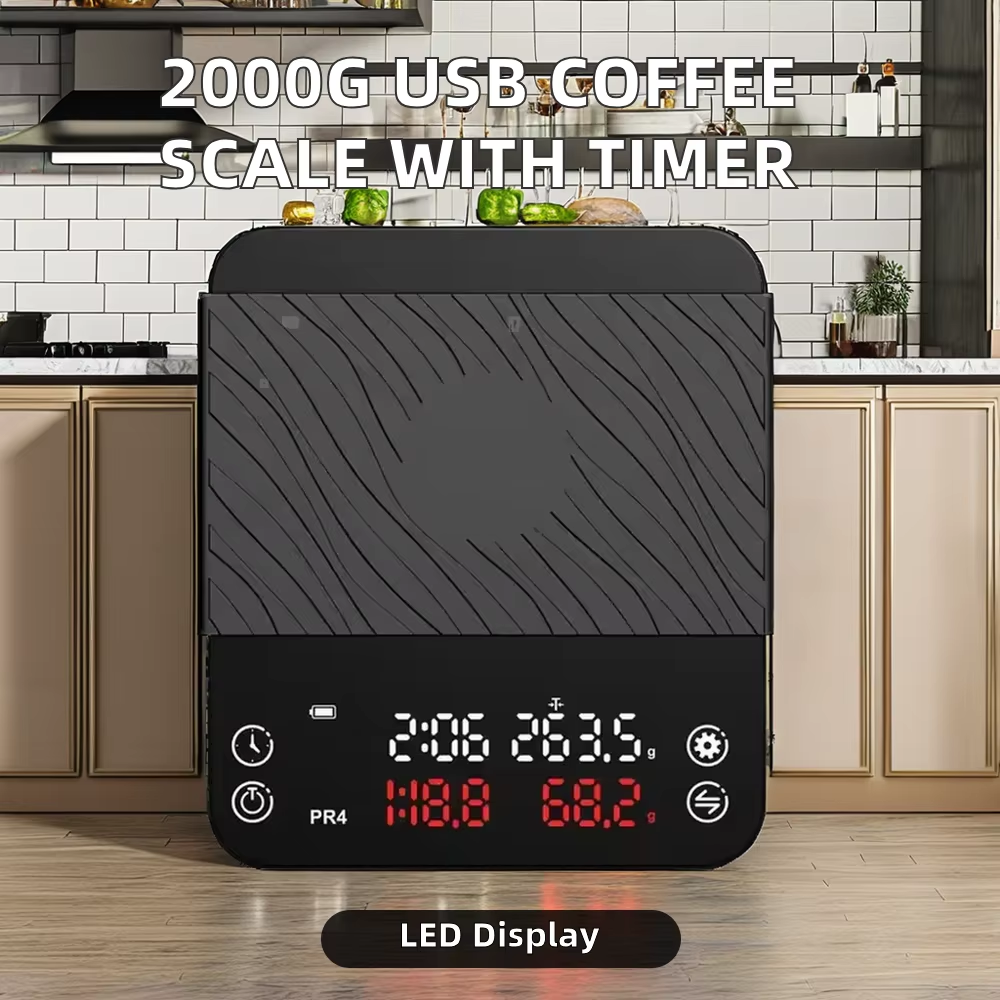
For coffee enthusiasts and baristas, the espresso scale is an indispensable tool. It ensures that each shot adheres to the precise coffee-to-water ratios that define a balanced, flavorful espresso. Among the key considerations when choosing an espresso scale is its weight capacity—the maximum weight it can accurately measure.
What's the Ideal Weight Capacity for an Espresso Scale Considering the Typical Amounts of Coffee and Water Used in a Shot?

The spoon scale has become a popular tool in home kitchens, beloved for its convenience in measuring small amounts of ingredients, especially spices, baking powders, and other seasonings. However, many users encounter a frustrating issue: their spoon scale gives inconsistent readings for the same ingredient.
My Spoon Scale Seems to Give Inconsistent Readings for the Same Ingredient. What Could Be the Problem and How Can I Fix It?

In the intricate world of jewelry, precision in weighing is of utmost importance. Whether it's determining the value of a rare gemstone, ensuring the correct amount of precious metal in a piece, or verifying the authenticity of a jewelry item, the right mini jewelry scale can make all the difference.
What's the Most Accurate Mini Jewelry Scale for Weighing Tiny Gemstones and Can It Measure Down to Milligrams?