
What Foods Can Be Measured with a Spoon Scale?
2025-07-23

Table of Contents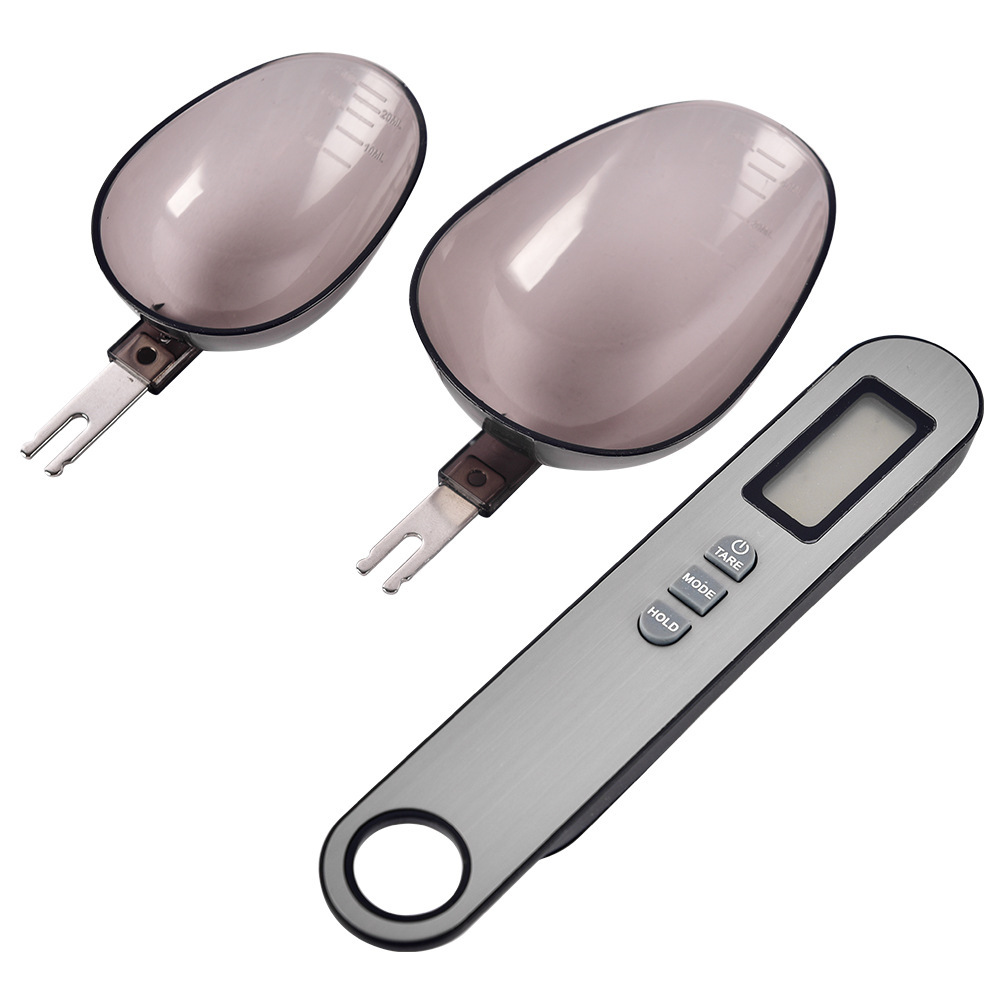
- Introduction: The Spoon Scale – A Versatile Tool for Culinary Precision
- Common Digital Spoon Scale Models: Specifications and Food Compatibility
- How to Achieve Precise Measurements with a Spoon With Scale
- Expert Perspectives: Why Chefs Rely on Scale Spoon for Food Measurement
- Frequently Asked Questions (FAQs) About Electronic Spoon Scales Food Measurements
- Related Resources: Previous Coverage on Spoon Weight Scale
Introduction: The Kitchen Scale Spoon – A Versatile Tool for Culinary Precision
In the modern kitchen, precision is key—whether you’re baking a batch of macarons, portioning spices for a curry, or tracking macros for a diet plan. Enter the digital scale spoon: a compact, multi-functional device that merges the convenience of a measuring spoon with the accuracy of a digital scale. Designed to handle small to medium quantities (typically 0.1g to 500g), this tool has revolutionized how home cooks and professionals measure ingredients.
But what foods can you actually measure with an electronic scale spoon? Its utility spans far beyond basic spices, encompassing everything from fluffy flours to sticky syrups. In this comprehensive guide, we’ll explore the wide range of foods compatible with electric scale spoon, share tips for precise measurement, and highlight why this tool is a must-have for anyone serious about cooking or baking.

Dry Ingredients: Ideal for Powders, Grains, and Spices
Dry ingredients are where digital measuring spoon scale truly shine, thanks to their ability to measure fine particles and small quantities with minimal mess. Here’s a breakdown of the most common dry foods measured with these scales:
1. Baking Essentials
- Flour (All-Purpose, Bread, Cake): A spoon scale eliminates the guesswork of “scooping vs. spooning” flour, which can vary by 20–30g per cup. For example, 120g of all-purpose flour (the standard for most cake recipes) can be measured precisely, avoiding dense or crumbly results.
- Sugar (Granulated, Brown, Powdered): Brown sugar, with its tendency to clump, is tricky to measure with cups. A digital spoon scale kitchen ensures you get exactly 200g for a batch of cookies, preventing overly sweet or dry dough.
- Leaveners (Baking Powder, Baking Soda): Just 5g of baking powder can make or break a muffin recipe. Food scale spoon measure these tiny amounts accurately, avoiding flat or bitter baked goods.
2. Spices and Seasonings
- Whole Spices (Cumin, Coriander, Cardamom): Whether grinding your own or using whole seeds, a measuring spoon with scale ensures you add 3g of cumin to a chili recipe, balancing flavor without overpowering the dish.
- Ground Spices (Cinnamon, Paprika, Turmeric): A pinch of cinnamon might seem insignificant, but 2g vs. 5g can turn oatmeal from subtly sweet to overpowering. Measuring spoon scale let you measure down to 0.1g for precise seasoning.
- Herbs (Dried Basil, Oregano, Thyme): Dried herbs are potent—1g of dried oregano equals roughly 3g of fresh. A digital kitchen spoon scale helps you avoid over-seasoning soups or sauces.
3. Grains and Seeds
- Quinoa, Rice, and Couscous: For portion control, measuring 45g of uncooked quinoa (a single serving) is far more accurate with a mini spoon scale digital than using a cup, which can vary based on how tightly the grain is packed.
- Chia Seeds, Flaxseeds: These nutrient-dense seeds are often measured in small quantities (10–15g) for smoothies or oatmeal. An electronic kitchen scale spoon ensures consistent texture and nutrition.

Liquids: Measuring Wet Ingredients with Accuracy
While spoon scale cheap are not designed for large volumes of liquid (save those for measuring cups), they excel at small quantities of wet ingredients, where precision is critical:
1. Oils and Fats
- Vegetable Oil, Olive Oil: Many salad dressings call for 15ml (≈14g) of olive oil. A digital spoon weight scale converts volume to weight (using the density of oil: 0.92g/ml), ensuring the perfect oil-to-vinegar ratio.
- Melted Butter, Ghee: Baking recipes often require 50g of melted butter. Pouring directly into the electric weighing scale spoon’s bowl avoids messy transfers and ensures accuracy.
2. Sweet Liquids
- Honey, Maple Syrup: Sticky and hard to scrape from cups, these syrups are easily measured by weight. A food weight scale spoon captures 60g of honey for a glaze, preventing under-sweetened results.
- Vanilla Extract, Almond Extract: Just 5g of vanilla extract (about 1 teaspoon) enhances cake batter without overwhelming it. Spoon scale digital measure these potent liquids precisely.
3. Vinegars and Acids
- White Vinegar, Balsamic: A vinaigrette might need 10g of balsamic vinegar. A kitchen spoon scale ensures the acid doesn’t overpower the oil, balancing flavor in every bite.
Semi-Solid Foods: Tackling Pastes, Gels, and Soft Substances
Semi-solids—thick, sticky, or malleable—are notoriously hard to measure with cups. Electric spoon scale simplify this process:
1. Nut Butters
- Peanut Butter, Almond Butter: A 30g serving (roughly 1 tablespoon) of peanut butter is a staple in protein smoothies. A spoon scale kitchen accounts for natural vs. processed varieties (which vary in density) for consistent portioning.
- Sunflower Seed Butter, Tahini: These less common butters are often used in small amounts (15g) for sauces. A spoon kitchen scale avoids over-pouring, which can make dishes greasy.
2. Fruit-Based Pastes
- Marmalade, Jam, Fruit Curd: Adding 40g of raspberry jam to yogurt parfaits is effortless with a spoon food scale, ensuring each serving has the same sweet-tart balance.
- Pumpkin Puree, Apple Sauce: Bakers substitute these for oil in recipes—120g of pumpkin puree in muffins requires precision to avoid soggy results, which a scale measuring spoon provides.
3. Dairy and Alternatives
- Greek Yogurt, Sour Cream: A 100g dollop of Greek yogurt adds creaminess to a dip without excess moisture. Spoon digital kitchen scale measure these thick substances accurately, even when cold.
- Cream Cheese (Softened): For cheesecakes, 250g of cream cheese is non-negotiable. A measuring spoons ensures you don’t skimp, which would lead to a dense texture.

Small-Batch and Specialty Items: Herbs, Nuts, and More
Measuring spoon set are indispensable for measuring small, delicate, or high-value ingredients, where even 1g makes a difference:
1. Fresh Herbs
- Parsley, Cilantro, Basil: Unlike dried herbs, fresh herbs have high water content—30g of chopped basil is roughly 1 cup. A coffee measuring spoon ensures you add enough to pesto without diluting the flavor.
- Chives, Dill: These delicate herbs are often used as garnishes. Measuring 5g of chives for a baked potato ensures consistent presentation.
2. Nuts and Seeds
- Chopped Almonds, Walnuts: A recipe calling for 50g of chopped walnuts in banana bread can be measured precisely, avoiding uneven distribution or overly nutty slices.
- Pine Nuts, Pistachios: Expensive and used sparingly, 15g of pine nuts in a salad is best measured with a digital measuring spoon to avoid waste.
3. Chocolate and Confections
- Chocolate Chips, Chopped Chocolate: Melting 100g of dark chocolate for a ganache requires accuracy. An adjustable measuring spoon ensures the ratio of chocolate to cream is perfect, resulting in a smooth glaze.
- Cocoa Powder: Unsweetened cocoa powder is intense—15g is enough for a rich brownies recipe. Spoon measuring digital prevent bitter, dry results.
4. Diet and Supplement Foods
- Protein Powder: Fitness enthusiasts rely on electronic measure spoon to measure 30g of whey protein, ensuring consistent macro intake.
- Collagen Peptides, Matcha Powder: These fine powders (often 5–10g per serving) are measured easily with a measuring spoon digital, avoiding clumps or under-dosing.
Common Kitchen Measuring Spoons Models: Specifications and Food Compatibility
Not all weight measuring spoon digital are created equal. Below is a comparison of popular models, their specs, and the foods they handle best:
|
Model
|
Brand
|
Max Capacity
|
Accuracy
|
Key Features
|
Best For
|
|
Etekcity Food Scale with Spoon
|
Etekcity
|
500g
|
±0.1g
|
Tare function, unit conversion (g, oz)
|
Spices, small dry ingredients
|
|
OXO Good Grips 5-Pound Scale
|
OXO
|
2.2kg
|
±0.1g
|
Removable spoon bowl, easy-to-read display
|
Baking ingredients, nut butters
|
|
GreaterGoods Nourish Spoon Scale
|
GreaterGoods
|
1kg
|
±0.5g
|
Dishwasher-safe bowl, auto-off
|
Liquids (oils, syrups), semi-solids
|
|
KitchenAid KHB1231ER Spoon Scale
|
KitchenAid
|
3kg
|
±0.1g
|
Backlit display, ergonomic spoon
|
Large batches of grains, chocolate
|
|
Taylor Precision Spoon Scale
|
Taylor
|
500g
|
±0.1g
|
Compact design, battery-saving mode
|
Travel, on-the-go measurements (spices)
|

How to Achieve Precise Measurements with a Spoon Measuring Food
To get the most accurate results from your measure spoon kitchen, follow these steps:
1. Calibrate Regularly
- Why: Over time, scales can drift in accuracy, especially after being moved or dropped.
- How: Use a calibration weight (e.g., 100g) to test. Most custom measuring spoon have a “calibrate” function—place the weight on the scale, press the button, and wait for confirmation.
2. Use the Tare Function
- Why: The tare function subtracts the weight of bowls, spoons, or containers, giving the net weight of the ingredient.
- How: Place an empty bowl on the scale, press “tare” to zero it out, then add the ingredient. Perfect for measuring sticky items like honey (no need to scrape the spoon!).
3. Avoid Overloading
- Why: Exceeding the scale’s max capacity can damage sensors, leading to inaccurate readings.
- How: Check the max capacity (e.g., 500g) and split large measurements into batches if needed.
4. Measure on a Flat, Stable Surface
- Why: Uneven surfaces cause the scale to tilt, affecting readings.
- How: Place the scale on a granite countertop or cutting board. Avoid tilting it with one hand while measuring.
5. Handle Liquids and Semi-Solids Carefully
- Why: Splashes or drips can add extra weight or damage the scale.
- How: Pour liquids slowly into the spoon bowl, and wipe spills immediately with a dry cloth. For sticky items like peanut butter, use a spatula to transfer from the spoon to the mixing bowl.

Expert Perspectives: Why Chefs and Dietitians Love Food Measuring Spoon
We spoke with culinary professionals to understand why cute measuring spoons are essential in their work:
Interview with Chef Marcus Chen, Pastry Chef at Le Petit Gateau
“Baking is chemistry, and measuring spoon scale are my lab tools. When making macarons, 3g too much almond flour can ruin the shell’s texture. These scales let me measure 0.1g increments, ensuring consistency batch after batch.”
Interview with Sarah Lopez, Registered Dietitian
“For clients tracking macros, portion control is everything. A ‘handful’ of nuts can vary by 10–15g, which adds 60–90 calories. Electric measuring spoon take the guesswork out, helping clients meet their goals without frustration.”
Interview with James Peterson, Author of Cooking by Weight
“Dry ingredients like flour are the biggest culprits of recipe failure. A spoon scale eliminates the variability of cup measurements—120g of flour is 120g, whether you’re in Kansas or Paris. It’s the great equalizer in the kitchen.”
Frequently Asked Questions (FAQs) About Best Digital Spoon Scale Food Measurements
Q1: Can a best spoon scale measure hot liquids?
A: No. Hot liquids (over 120°F/49°C) can damage the scale’s sensors or plastic components. Let liquids cool to room temperature first.

Q2: Is a best scale spoon better than measuring cups for baking?
A: For most dry ingredients, yes. Cups rely on volume, which varies by density (e.g., sifted vs. packed flour). Spoon scales measure weight, ensuring consistency.
Q3: Can I measure whole fruits or vegetables with a best spoon scales?
A: It depends on size. Small items like cherry tomatoes (10–15g each) work, but large fruits (e.g., a 500g apple) may exceed the scale’s capacity. Use a larger kitchen scale for big items.
Q4: How do I clean a digital measuring spoon scales after measuring sticky foods like honey?
A: Wipe the spoon bowl with a damp cloth and mild soap. For removable bowls, check if they’re dishwasher-safe (most are top-rack safe). Avoid submerging the scale’s base.
Q5: Are digital kitchen spoon scales suitable for professional kitchens?
A: Yes. Many restaurants use them for portioning spices, garnishes, and small-batch ingredients. Models with higher capacities (2kg+) work for larger prep tasks.
Related Resources: Previous Coverage on Digital Kitchen Spoon Scale
For tips on choosing the right electronic kitchen scale spoon for your kitchen, read our earlier guide: “The Best Spoon Scales for Home Cooks: A Buyer’s Guide”. This article compares features like capacity, accuracy, and durability to help you find the perfect tool.
From fluffy flours to sticky syrups, the electronic measuring spoon scale is a versatile ally in the kitchen, ensuring precision in every measurement. By understanding which foods to measure with this tool—and how to use it correctly—you’ll elevate your cooking, baking, and meal prep to new levels of consistency. Whether you’re a home cook or a pro, the electronic digital spoon scale proves that good things really do come in small packages.
Are Luggage Scales Suitable for International Travel?
How Accurate Do Jewelry Pocket Scales Need to Be for Professional Use?
Related Article
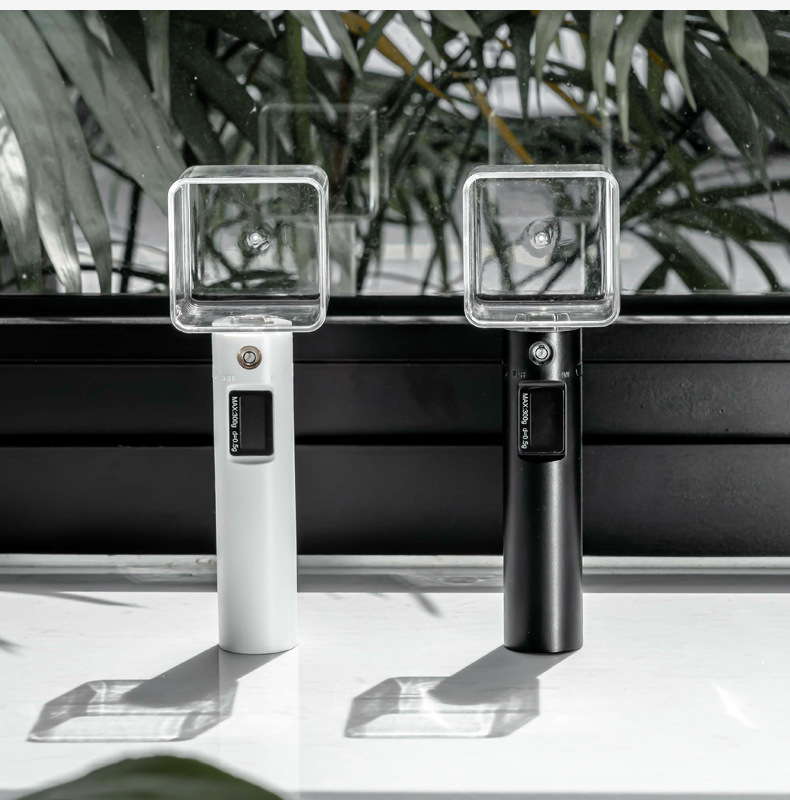
In the culinary world of the United States, where precision in ingredient measurement can transform a dish from ordinary to extraordinary, spoon scales have emerged as indispensable tools for home cooks, professional chefs, and baking enthusiasts.
What are the Essential Features to Look for in a Spoon Scale?
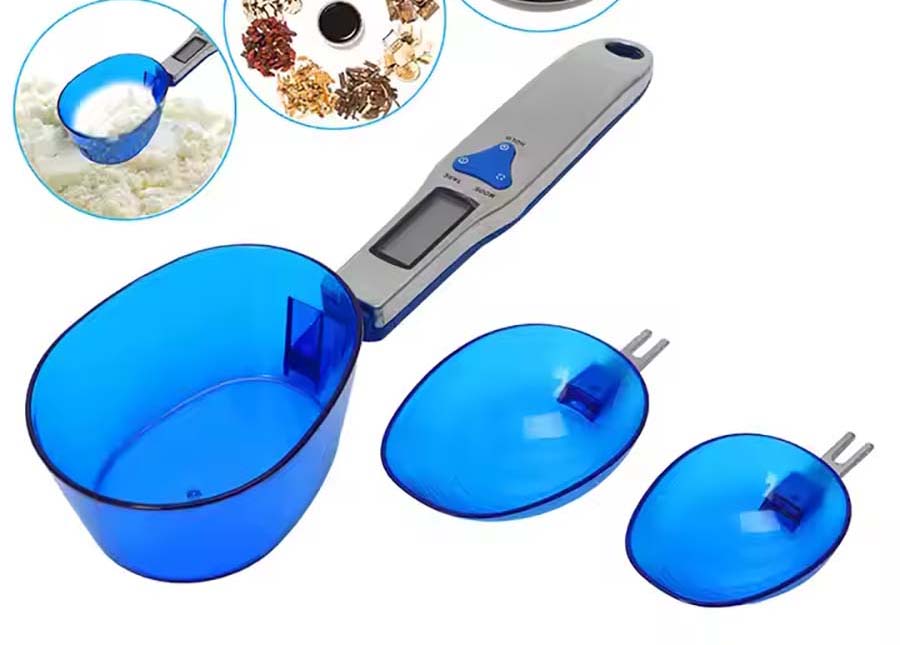
Digital spoon scale have become indispensable tools in modern kitchens, offering convenience and precision for measuring small amounts of ingredients. Whether you're a professional chef or a home cook, keeping your digital spoon scale clean is essential for both hygiene and accurate measurements.
How Do I Clean A Spoon Scale without Affecting Its Accuracy?

In the world of cooking and baking, precision is often the key to success. A spoon scale offers a unique and convenient way to measure ingredients, combining the functionality of a spoon with the accuracy of a scale.
How to Use a Spoon Scale Accurately?
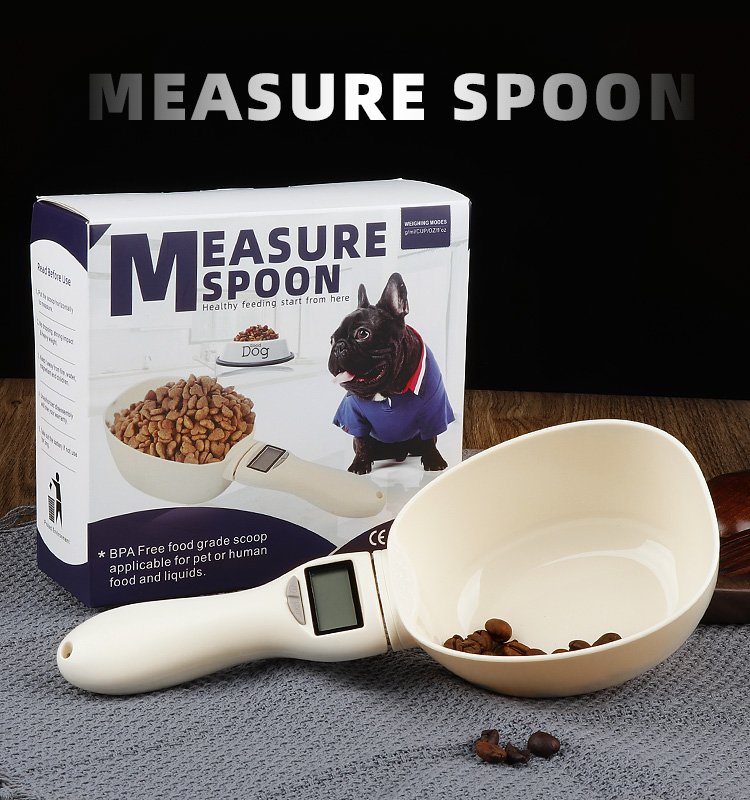
In modern kitchens, the spoon scale has become a staple. It combines the functions of a measuring spoon and a digital scale, allowing for precise ingredient measurements. However, as concerns about food safety and material health risks continue to rise, a critical question emerges: Are the materials used in spoon scales food - grade and safe? This article delves into the world of spoon scale materials.
Are the Materials of the Spoon Scale Food - Grade and Safe?

Measuring spoons are a vital tool in any kitchen. They are used for precise measurements when cooking or baking, whether it's a pinch of salt or a tablespoon of flour. However, it's essential to know the accuracy of measuring spoons as incorrect measurements can result in disastrous cooking or baking outcomes. This article explores the accuracy of measuring spoons and provides tips for selecting and using them.
How accurate are measuring spoons?