
How Do I Clean A Spoon Scale without Affecting Its Accuracy?
2025-04-28
Table of Contents
- **Step-by-Step Cleaning Guide for Digital Spoon Scale

- Maintenance Tips to Preserve Accuracy
- Common Parameters of Spoon Digital Scale
- Achieving Precise Measurements with Spoon with Scale
- Expert Opinions on Cleaning and Maintaining Digital Scale Spoon
- Frequently Asked Questions (FAQ) about Cleaning Best Digital Spoon Scale
- Related: Comprehensive Guide to Digital Kitchen Spoon Scale
- Conclusion
Introduction
Spoon scale digital have become indispensable tools in modern kitchens, offering convenience and precision for measuring small amounts of ingredients. Whether you're a professional chef or a home cook, keeping your electronic kitchen scale spoon clean is essential for both hygiene and accurate measurements. However, cleaning these delicate devices requires careful handling to avoid damaging their sensitive components and compromising accuracy. In this comprehensive news article, we'll explore the best practices for cleaning electronic spoon scale, provide tips on maintaining their accuracy, and offer insights from experts in the field.

The Importance of Cleaning Electronic Measuring Spoon Scale
Hygiene in the Kitchen
Electronic digital spoon scale often come into contact with various food substances, including raw ingredients, spices, and liquids. Without proper cleaning, these substances can accumulate on the scale's surface, crevices, and buttons, creating an ideal breeding ground for bacteria and other harmful microorganisms. This not only poses a risk to food safety but can also contaminate future ingredients, potentially ruining the taste and quality of your dishes.
Sustained Accuracy
Even small amounts of residue or debris on a scale measuring spoon can interfere with its sensors and affect its ability to provide accurate weight measurements. For example, a grain of sugar stuck on the weighing platform can cause the scale to register a slightly higher weight, leading to inconsistent results in your recipes. Regular cleaning helps ensure that the scale's sensors remain unobstructed and can accurately detect the weight of the ingredients being measured.
Step-by-Step Cleaning Guide for Digital Measuring Spoon Scales
Pre-cleaning Preparation
Before you start cleaning your measuring scale spoon, gather the following supplies:
- A soft, lint-free microfiber cloth
- A mild, non-abrasive dish soap
- A small, soft-bristled brush (such as a baby bottle brush or a clean toothbrush)
- Distilled water (to avoid leaving mineral deposits)
- A dry, clean cloth for drying
- If your scale is battery-powered, remove the batteries to prevent any electrical hazards during cleaning. Also, refer to the manufacturer's user manual for any specific cleaning instructions or precautions related to your particular model of adjustable scale measuring spoon.

Daily Surface Cleaning
- Remove Loose Debris: Use a dry microfiber cloth or a soft brush to gently sweep away any loose crumbs, powder, or debris from the surface of the scale, including the weighing platform, buttons, and display area. Pay special attention to the corners and crevices where dirt tends to accumulate.
- Wipe the Surface: Dampen a microfiber cloth with a mixture of warm water and a small amount of mild dish soap (about 1 teaspoon of soap per cup of water). Wipe the entire surface of the scale, including the platform, buttons, and display, in gentle, circular motions. Avoid using excessive water, as it can seep into the scale's internal components and cause damage.
- Clean the Buttons: If your spoon scale has buttons, use a soft-bristled brush dipped in the soapy water solution to clean around and under the buttons. Be careful not to apply too much pressure, as this can damage the buttons or cause them to become loose. After cleaning, wipe the buttons dry with a clean, dry cloth.
- Dry Thoroughly: Use a dry cloth to remove any remaining moisture from the scale. Make sure that all parts of the scale, especially the buttons and the display, are completely dry before using or storing the scale.
Deep Cleaning for Stubborn Stains
For stubborn stains or spills that are not removed by daily surface cleaning, you may need to perform a deep cleaning:
- Soak Removable Parts: If your kitchen scale spoon has removable parts, such as a weighing tray or a protective cover, remove them according to the manufacturer's instructions. Soak these parts in a bowl of warm, soapy water for 10 - 15 minutes to loosen the stains. Then, use a soft brush to gently scrub the parts clean, rinse them thoroughly with distilled water, and dry them completely.
- Treat Stubborn Stains on the Scale: For stains on the main body of the scale, apply a small amount of the soapy water solution directly to the stain. Let it sit for a few minutes to break down the dirt or residue. Then, use a soft brush or a microfiber cloth to gently scrub the stain until it is removed. If the stain is particularly tough, you can try using a mixture of baking soda and water as a natural abrasive. Apply the paste to the stain, let it sit for a few minutes, and then scrub gently.
- Rinse and Dry: After deep cleaning, rinse the scale thoroughly with distilled water to remove any soap residue. Use a dry cloth to dry the scale completely, making sure to reach all the nooks and crannies.
Disinfection and Sanitization
To ensure maximum hygiene, you may want to disinfect your digital kitchen spoon scales periodically. However, be cautious when using disinfectants, as some chemicals can damage the scale's surface or internal components.
- For Non-Electronic Parts: If your scale has removable non-electronic parts, such as trays or covers, you can soak them in a solution of water and a food-safe disinfectant (following the manufacturer's instructions for dilution). Rinse these parts thoroughly with distilled water and dry them completely.
- For the Main Scale: Use a disinfectant wipe or a cloth dampened with a diluted, food-safe disinfectant (such as a solution of water and white vinegar, with a ratio of 1 part vinegar to 3 parts water) to wipe the surface of the scale. Avoid using bleach or other harsh chemicals, as they can corrode the scale's materials. After disinfecting, wipe the scale again with a clean, damp cloth to remove any residue, and then dry it completely.
Maintenance Tips to Preserve Accuracy
Regular Inspection
Periodically inspect your best spoon scale for any signs of damage or wear. Check the buttons to make sure they are functioning properly and not sticking. Examine the weighing platform for any scratches or dents that could affect the accuracy of the measurements. If you notice any issues, refer to the manufacturer's user manual for troubleshooting tips or contact customer support for assistance.
Battery and Power Management
- Battery-Operated Scales: If your best scale spoon is battery-powered, use high-quality batteries and replace them regularly according to the manufacturer's recommendations. Low battery power can cause the scale to give inaccurate readings. When not in use for an extended period, remove the batteries to prevent them from leaking and damaging the scale.
- Rechargeable Scales: For rechargeable best spoon scales, use the provided charger and follow the charging instructions carefully. Overcharging or using a non-compatible charger can damage the battery and affect the scale's performance.
Proper Storage
When not in use, store your measuring spoons in a cool, dry place, away from direct sunlight, heat sources, and moisture. Avoid storing the scale in a crowded drawer where it may get bumped or damaged. If possible, keep the scale in its original packaging or a protective case to prevent dust and debris from accumulating on it.

Common Parameters of Digital Measuring Spoon
|
Parameter
|
Description
|
Typical Range
|
|
Weight Capacity
|
The maximum weight the scale can measure
|
50 - 200 grams
|
|
Accuracy
|
The degree of closeness to the true weight
|
±0.1 - ±1 gram
|
|
Precision
|
The smallest weight increment the scale can measure
|
0.01 - 0.1 gram
|
|
Display Type
|
The technology used for the weight display
|
LCD (Liquid Crystal Display)
|
|
Power Source
|
How the scale is powered
|
Battery (AAA or coin-cell) or rechargeable
|
|
Tare Function
|
Ability to zero out the weight of a container
|
Yes
|
|
Unit Conversion
|
Supported weight units
|
Grams, ounces, carats, grains
|
|
Dimensions
|
Size of the scale
|
Length: 4 - 6 inches, Width: 2 - 3 inches, Height: 1 - 2 inches
|
|
Material
|
Construction material of the scale
|
Plastic, stainless steel, or a combination
|
Achieving Precise Measurements with Adjustable Measuring Spoon
Calibration
Calibration is crucial for maintaining the accuracy of your spoon measuring digital. Most digital electronic measure spoon come with a calibration function. To calibrate your scale:
- Refer to the User Manual: Different models of measuring spoon digital may have different calibration procedures. Consult the manufacturer's user manual for specific instructions on how to access the calibration mode and what calibration weights to use.
- Use the Right Calibration Weight: Use a calibration weight that is appropriate for your scale's weight capacity and accuracy requirements. The calibration weight should be a known and accurate weight, such as a 50-gram or 100-gram weight.
- Follow the Calibration Steps: Once you have accessed the calibration mode, place the calibration weight on the center of the weighing platform. Wait for the scale to stabilize and display the correct weight. If the scale does not display the correct weight, follow the on-screen instructions to adjust the calibration settings until the scale reads accurately.
- Regular Calibration: It is recommended to calibrate your kitchen measuring spoons regularly, at least once a month, or more frequently if you use the scale heavily or notice any discrepancies in the measurements.
Correct Usage Techniques
- Place the Scale on a Stable Surface: When using your measure spoon kitchen, place it on a flat, stable surface, such as a kitchen countertop. Avoid placing the scale on a soft or uneven surface, as this can cause the scale to wobble and give inaccurate readings.
- Use the Tare Function: The tare function allows you to zero out the weight of a container, such as a spoon or a bowl, so that you can measure only the weight of the ingredients. To use the tare function, place the container on the weighing platform and press the tare button. The scale will display zero, and you can then add the ingredients to the container to measure their weight.
- Center the Object on the Platform: When weighing an object, make sure it is centered on the weighing platform. This helps ensure that the weight is evenly distributed and that the scale can accurately measure the weight of the object.
- Wait for the Scale to Stabilize: After placing the object on the scale, wait for a few seconds for the scale to stabilize and display a consistent reading. Avoid touching the scale or the object while the scale is in the process of measuring, as this can cause the reading to fluctuate.

Expert Opinions on Cleaning and Maintaining Spoon Measuring Food
We reached out to several experts in the culinary and kitchen appliance fields for their insights on cleaning and maintaining custom measuring spoon:
Chef James Peterson, author of several cookbooks: "A clean food measuring spoon is essential for accurate cooking and baking. I always make sure to clean my scale after each use, especially if I've been working with sticky or messy ingredients. Using a soft cloth and a mild soap solution is usually sufficient for daily cleaning. For deeper cleaning, I like to use a mixture of baking soda and water to remove stubborn stains. And don't forget to calibrate your scale regularly to ensure accurate measurements."
Dr. Emily Johnson, a food scientist: "From a food safety perspective, cleaning digital measuring spoon scale is just as important as cleaning other kitchen utensils. Bacteria and other contaminants can easily accumulate on the scale's surface, so it's crucial to disinfect it periodically. However, when using disinfectants, make sure they are safe for use on food - contact surfaces and won't damage the scale. Also, proper storage of the scale can help prevent damage and maintain its accuracy over time."
Tom Smith, a product engineer at a leading kitchen appliance company: "The key to maintaining the accuracy of a gram measuring spoon is to handle it with care during cleaning. Avoid using abrasive materials or harsh chemicals that can scratch the surface or damage the internal components. If you notice any issues with the scale, such as inaccurate readings or malfunctioning buttons, don't hesitate to contact the manufacturer's customer support. They can provide you with the necessary guidance and assistance to resolve the problem."
Frequently Asked Questions (FAQ) about Cleaning Scale Measuring Spoon Electronic
Q1: Can I immerse my spoon scale in water for cleaning?
A: In most cases, no. Cute measuring spoons are not waterproof, and immersing them in water can damage the internal electronics and sensors. Instead, use a damp cloth or a gentle cleaning solution to wipe the scale clean. If your scale has removable parts, you can soak those parts in water as long as you dry them thoroughly before reattaching them.
Q2: What kind of soap should I use to clean my spoon scale?
A: Use a mild, non-abrasive dish soap that is safe for use on food-contact surfaces. Avoid using soaps with strong chemicals, fragrances, or dyes, as these can potentially damage the scale's surface or leave residue that could affect the accuracy of the measurements.
Q3: How often should I clean my spoon scale?
A: It's a good idea to clean your measuring spoon custom after each use, especially if it has come into contact with food substances. This helps prevent the buildup of dirt, residue, and bacteria. In addition to daily cleaning, perform a deep cleaning and disinfection at least once a week or more frequently if you use the scale for measuring raw ingredients or in a busy kitchen environment.
Q4: Can I use a disinfectant spray on my spoon scale?
A: You can use a food-safe disinfectant spray, but be sure to follow the manufacturer's instructions carefully. First, make sure the spray is suitable for use on electronics and won't damage the scale's surface. Spray the disinfectant onto a cloth rather than directly onto the scale, and then wipe the scale clean. After disinfecting, wipe the scale again with a clean, damp cloth to remove any residue, and dry it thoroughly.
Q5: My spoon scale seems to be giving inaccurate readings after cleaning. What should I do?
A: First, make sure the scale is completely dry. Moisture can sometimes cause inaccurate readings. If the scale is dry and still giving inaccurate readings, try calibrating it according to the manufacturer's instructions. If calibration doesn't solve the problem, there may be a more serious issue with the scale, and you should contact the manufacturer's customer support for further assistance.

Related: Comprehensive Guide to Measuring Spoon Plastic
For a more in-depth look at spoon scales, including reviews of different models, tips on choosing the right scale for your needs, and comparisons of features, check out our previous article:
This article covers everything from the different types of measuring spoon scale available on the market to their specific uses in the kitchen. It also includes real - user reviews and expert recommendations to help you make an informed decision when purchasing an electric measuring spoon.
Conclusion
Cleaning and maintaining your measuring spoons adjustable is essential for ensuring accurate measurements and promoting food safety in the kitchen. By following the step-by-step cleaning guide, implementing proper maintenance practices, and understanding how to achieve precise measurements, you can keep your measuring plastic spoon in optimal condition for years to come. Remember to refer to the manufacturer's user manual for specific instructions related to your scale, and don't hesitate to seek advice from experts if you have any questions or concerns. With the right care and attention, your weighing measuring spoon will continue to be a reliable and valuable tool in your culinary adventures.
What's the Best Travel Scale for Weighing Luggage to Avoid Airline Overweight Fees?
How Accurate Is A Digital Pocket Scale?
Related Article
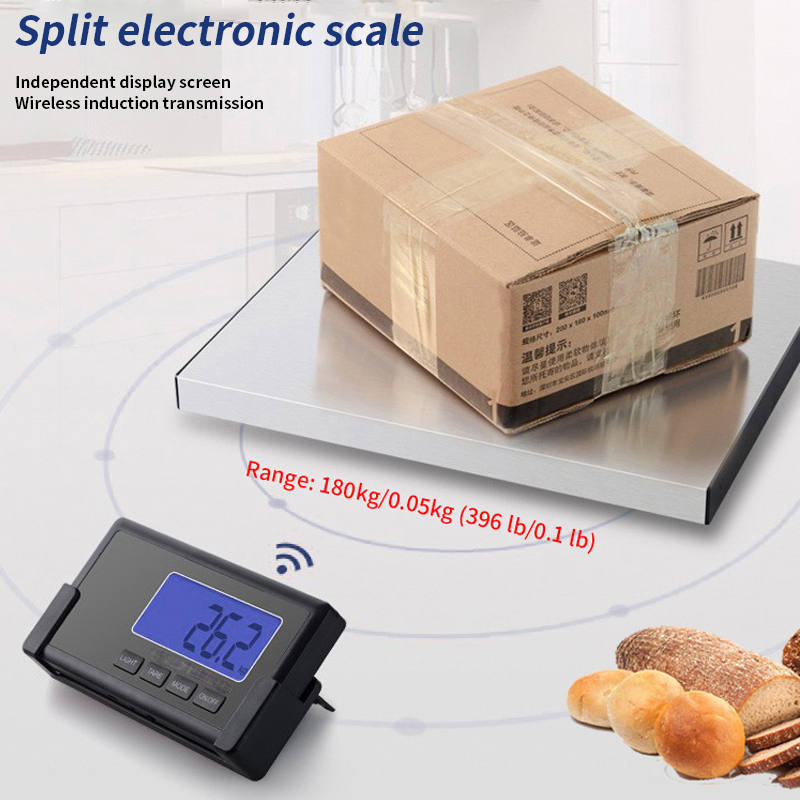
In the world of logistics and shipping, accuracy and efficiency are paramount. For businesses and individuals dealing with large packages or pallets, a reliable wireless shipping scale is an indispensable tool. One of the most critical questions that arises when selecting such a scale is: "What's the maximum weight capacity of a reliable wireless shipping scale suitable for shipping large packages or pallets?"
What's the Maximum Weight Capacity of a Reliable Wireless Shipping Scale Suitable for Shipping Large Packages or Pallets?
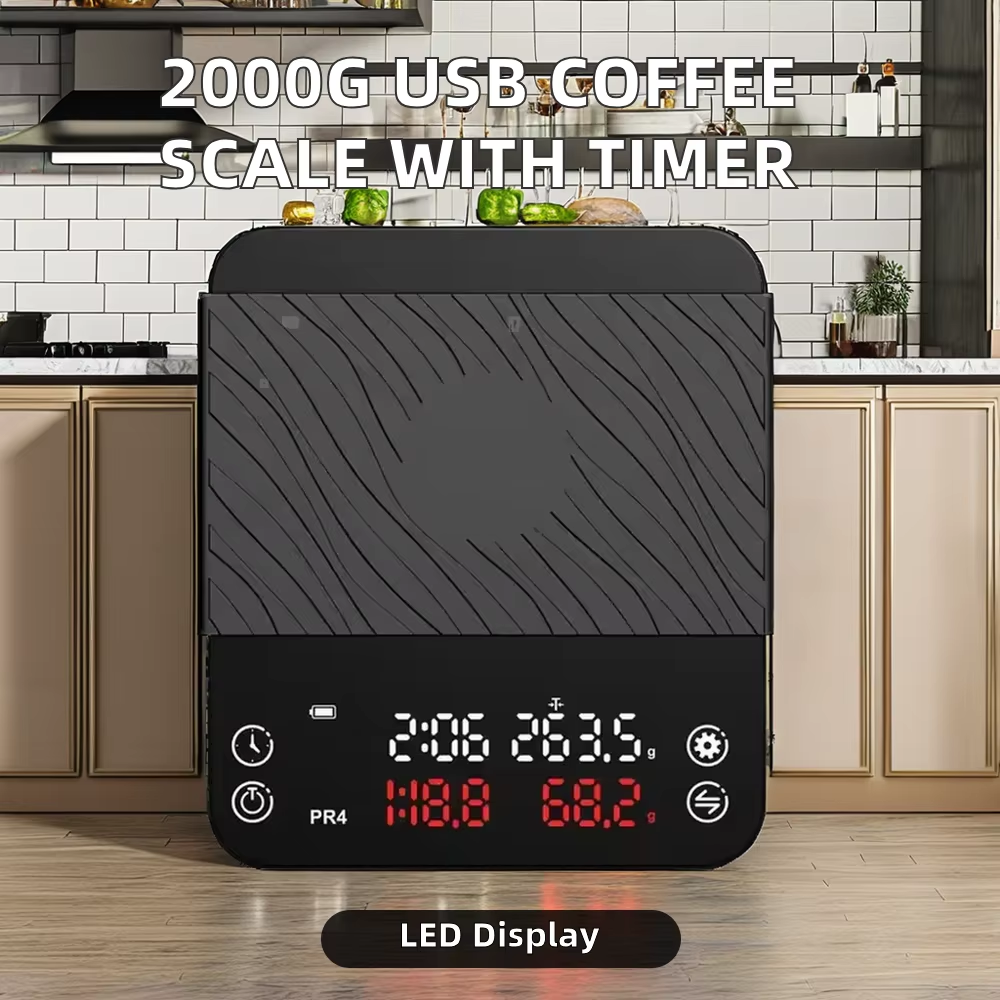
For coffee enthusiasts and baristas, the espresso scale is an indispensable tool. It ensures that each shot adheres to the precise coffee-to-water ratios that define a balanced, flavorful espresso. Among the key considerations when choosing an espresso scale is its weight capacity—the maximum weight it can accurately measure.
What's the Ideal Weight Capacity for an Espresso Scale Considering the Typical Amounts of Coffee and Water Used in a Shot?

The spoon scale has become a popular tool in home kitchens, beloved for its convenience in measuring small amounts of ingredients, especially spices, baking powders, and other seasonings. However, many users encounter a frustrating issue: their spoon scale gives inconsistent readings for the same ingredient.
My Spoon Scale Seems to Give Inconsistent Readings for the Same Ingredient. What Could Be the Problem and How Can I Fix It?

In the intricate world of jewelry, precision in weighing is of utmost importance. Whether it's determining the value of a rare gemstone, ensuring the correct amount of precious metal in a piece, or verifying the authenticity of a jewelry item, the right mini jewelry scale can make all the difference.
What's the Most Accurate Mini Jewelry Scale for Weighing Tiny Gemstones and Can It Measure Down to Milligrams?