
How to Store a Baking Scale Properly?
2025-07-31

Table of Contents

- Introduction
- Why Proper Storage of a Baking Scale Matters
- Steps for Properly Storing a Baking Scale
- Common Kitchen Scale Parameters Table
- How to Achieve Precise Measurement with a Baking Scale
- Expert Opinions and Evaluations
- Frequently Asked Questions (FAQ)
- Conclusion
- Referenced Previous News on Kitchen Scales
Introduction
A baking scale is an essential tool in any baker's kitchen, ensuring precise measurements of ingredients that are crucial for the success of various baked goods. From delicate pastries to hearty bread, accurate weighing can make or break a recipe. However, many people overlook the importance of proper storage for their baking scale, which can significantly affect its performance and lifespan. This news aims to provide comprehensive guidance on how to store a baking scale properly, along with related information to help users get the most out of their device.
Why Proper Storage of a Baking Scale Matters
Proper storage of a baking scale is not just about keeping the kitchen organized; it directly impacts the scale's accuracy, durability, and functionality. Here are some key reasons why it's important:
- Maintaining Accuracy: Baking scales are precision instruments. Exposure to factors like dust, moisture, extreme temperatures, and physical damage during storage can throw off their calibration, leading to inaccurate measurements. For example, if a scale is stored in a humid environment, moisture can seep into its internal components, affecting the sensors and causing incorrect readings.
- Extending Lifespan: By protecting the baking scale from unnecessary wear and tear, proper storage helps prolong its lifespan. Scratches on the weighing surface, damage to the display, or bending of the internal mechanisms due to improper storage can all lead to the need for early replacement.
- Ensuring Functionality: A well-stored baking scale is more likely to function properly when needed. Tangled cords, dead batteries from prolonged disuse without proper handling, or jamming of buttons due to debris can all render the scale unusable when you're in the middle of a baking project.

Steps for Properly Storing a Baking Scale
Follow these steps to ensure your baking scale is stored correctly:
Step 1: Clean the Scale Thoroughly
Before storing, it's essential to clean the baking scale to remove any food residue, dust, or debris. Use a soft, dry cloth to wipe the weighing surface and the surrounding areas. For stubborn stains, dampen the cloth with a mild soap solution, wring it out thoroughly, and gently wipe the surface. Avoid using harsh chemicals or abrasive cleaners as they can damage the scale's finish or internal components. Make sure the scale is completely dry before moving on to the next step.
Step 2: Remove Batteries (if applicable)
If your baking scale is battery-powered, remove the batteries before long-term storage. This prevents battery leakage, which can corrode the battery compartment and damage the scale's internal circuits. Store the batteries in a cool, dry place separately, and if they are rechargeable, ensure they are fully charged before storage.
Step 3: Choose a Suitable Storage Location
Select a storage location that meets the following criteria:
- Dry: Moisture is one of the biggest enemies of baking scales. Avoid storing the scale in areas like under the sink, near the stove (where steam can accumulate), or in a damp basement. A pantry, kitchen cabinet, or a dry shelf is ideal.
- Cool and Consistent Temperature: Extreme temperatures, both hot and cold, can affect the scale's components. Avoid storing it near heat sources like ovens, radiators, or direct sunlight. Also, don't store it in freezing conditions.
- Level and Stable: The storage surface should be level and stable to prevent the scale from tipping over. Avoid placing heavy objects on top of the scale, as this can damage the weighing mechanism.
- Protected from Dust and Debris: Use a dust cover, a clean cloth, or store the scale in its original box to keep dust and debris from accumulating on the surface and getting into the internal parts.
Step 4: Store the Scale Properly
- If the baking scale has a detachable weighing platform, remove it and store it separately to avoid damage. Keep all parts together in a designated container or the original packaging.
- Coil the power cord (if the scale is electric) neatly and secure it with a twist tie to prevent tangling. Avoid bending the cord sharply, as this can damage the wires.
- Place the scale in the storage location, making sure it's not pressed against other items that could cause scratches or dents.

Common Kitchen Scale Parameters Table
|
Parameter
|
Description
|
Common Range for Baking Scales
|
|
Capacity
|
The maximum weight the scale can measure.
|
1kg - 15kg
|
|
Accuracy
|
The smallest unit of weight the scale can detect.
|
0.1g - 1g
|
|
Units of Measurement
|
The different weight units the scale can display.
|
Grams (g), ounces (oz), pounds (lb), kilograms (kg)
|
|
Display
|
Type and features of the scale's display.
|
LCD, backlit, easy-to-read
|
|
Tare Function
|
Allows resetting the scale to zero with a container on it.
|
Available on most models
|
|
Auto-Off
|
Turns the scale off automatically after a period of inactivity to save power.
|
1 - 5 minutes
|
|
Power Source
|
How the scale is powered.
|
Batteries (AAA, AA, CR2032), AC adapter
|
|
Weighing Surface
|
Material and size of the surface where items are placed.
|
Stainless steel, glass; various sizes
|

How to Achieve Precise Measurement with a Baking Scale
Proper storage is just one part of ensuring your baking scale provides accurate measurements. Here are some tips to achieve precise results when using it:
- Calibrate Regularly: Even with proper storage, baking scales can lose calibration over time. Refer to the manufacturer's instructions on how to calibrate your specific model. Calibration typically involves placing a known weight on the scale and adjusting it to display the correct value.
- Use the Tare Function: When measuring ingredients in a container, place the container on the scale, press the tare button to reset the scale to zero, then add the ingredient. This ensures you're only measuring the weight of the ingredient, not the container.
- Place the Scale on a Level Surface: Using the scale on an uneven surface can lead to inaccurate readings. Make sure the surface is flat and stable before starting.
- Avoid Overloading: Never exceed the scale's maximum capacity, as this can damage the internal mechanisms and cause permanent inaccuracies.
- Wait for Stabilization: When placing an item on the scale, wait a few seconds for the reading to stabilize before recording the weight. This is especially important for lightweight ingredients.
Expert Opinions and Evaluations
We reached out to several baking experts and professionals to get their insights on the importance of storing a baking scale properly and how it affects performance.
- Chef Maria Rodriguez, a renowned pastry chef with over 15 years of experience, says: "A baking scale is the backbone of consistent baking. I've seen many home bakers struggle with recipes simply because their scale wasn't stored properly, leading to inaccurate measurements. Taking the time to clean, dry, and store it in a suitable place can make a world of difference in the final product."
- John Smith, a product tester for a leading kitchen equipment review site, explains: "In our tests, scales that are stored in humid or dusty environments tend to have a shorter lifespan and more frequent calibration issues. Proper storage is a simple yet effective way to maintain the scale's accuracy and reliability."
- Sarah Johnson, a baking instructor, adds: "I always emphasize to my students the importance of treating their baking scale with care, including proper storage. It's not just about saving money on replacement costs; it's about ensuring that their hard work in the kitchen results in delicious, consistent baked goods."

Frequently Asked Questions (FAQ)
Q1: Can I store my baking scale in the refrigerator or freezer?
A1: No, storing a baking scale in the refrigerator or freezer is not recommended. The cold temperatures and moisture can damage the internal components and affect the scale's accuracy.
Q2: How often should I clean my baking scale?
A2: It's a good idea to clean the baking scale after each use to prevent the buildup of food residue. For deeper cleaning, you can do it once a week or as needed, depending on usage.
Q3: My baking scale has a glass weighing surface. How should I store it to avoid breaking?
A3: For a baking scale with a glass weighing surface, store it in a padded container or wrap it in a soft cloth to prevent scratches and breakage. Avoid placing heavy objects on top of it.
Q4: Is it okay to store my baking scale with other kitchen tools?
A4: Yes, but make sure the other tools are not sharp or heavy enough to damage the scale. It's best to place the scale in a separate compartment or wrap it to protect it from other items.
Q5: How long can I store my baking scale without using it?
A5: If stored properly with the batteries removed (for battery-powered models), a baking scale can be stored for several months to a year without significant issues. However, it's a good idea to check its calibration before using it after long-term storage.
Conclusion
Proper storage of a baking scale is a simple yet crucial aspect of maintaining its accuracy, functionality, and lifespan. By following the steps outlined in this news,including cleaning, removing batteries (if applicable), choosing a suitable storage location, and storing the scale properly, you can ensure that your baking scale remains a reliable tool in your kitchen for years to come. Remember, a well-cared-for baking scale is essential for achieving consistent and delicious baking results.
Referenced Previous News on Kitchen Scales
In our previous news,"The Importance of Accuracy in Kitchen Scales for Baking Success", we discussed in detail how the accuracy of kitchen scales, including baking scales, impacts baking outcomes. We also highlighted various features to look for when purchasing a kitchen scale, such as capacity, accuracy, and tare function. This current news 稿 builds on that information by focusing on the often-overlooked aspect of proper storage to maintain those essential features. If you missed it, you can check it out for more insights into getting the most out of your kitchen scales. That news 稿 also included real-life examples of how inaccurate scales led to baking failures, further emphasizing the need for proper care and maintenance of these tools.
How Much Weight Can a Typical Cooking Scale Hold?
What Should I Do If My Suitcase Scale Stops Working?
Related Article

In the world of culinary arts, precision can make or break a recipe—especially in baking, where even small measurement errors can lead to disappointing results. While regular kitchen scales serve general weighing needs, baking demands a specialized tool designed for meticulous accuracy and functionality.
What's the difference between a regular kitchen scale and one for baking?
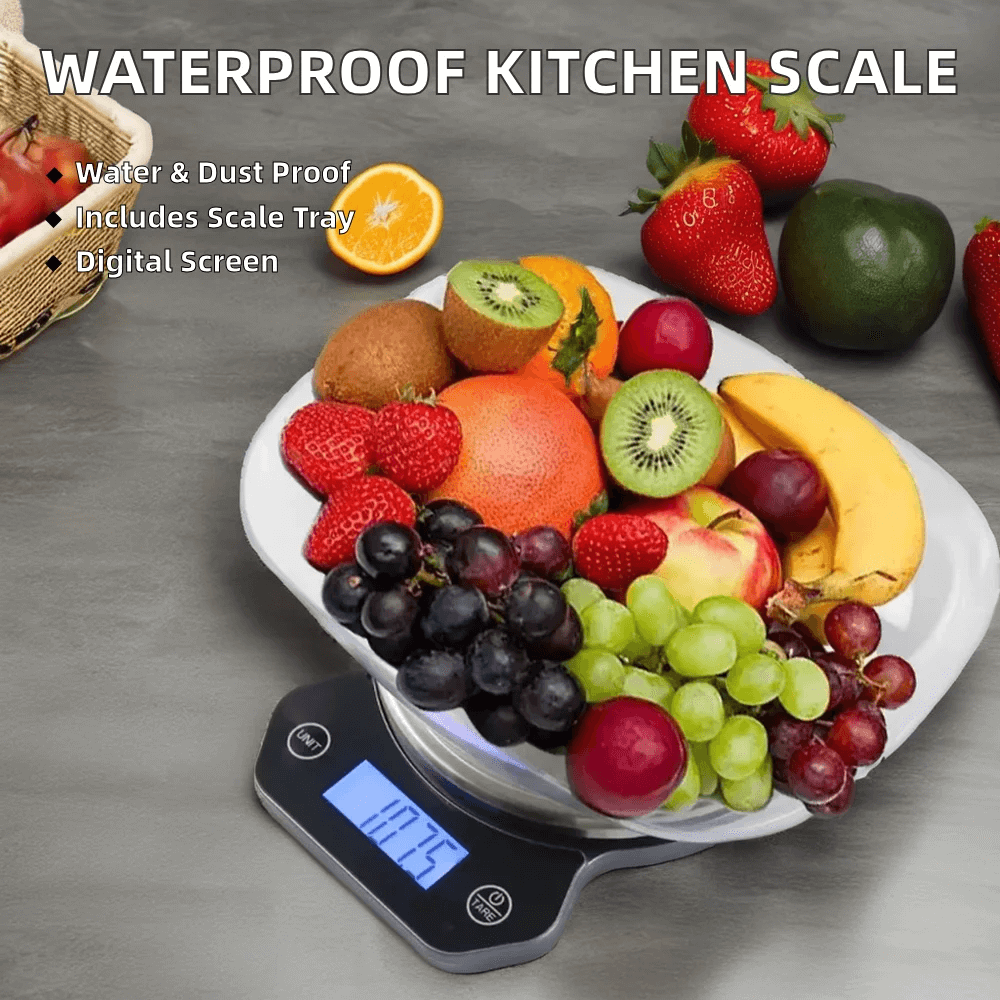
A kitchen food scale is an essential tool for anyone looking to cook or bake with precision. With a food scale, you can accurately measure the weight of ingredients and achieve consistent results in your cooking. In this article, we will discuss how to use a kitchen food scale to make cooking and baking easier and more accurate.
How To Use a Kitchen Food Scale?

A bowl scale is a kitchen essential, relied on for precise measurements in baking, cooking, and meal prep. Whether you’re weighing flour for bread, spices for a sauce, or small portions for meal planning, accuracy is critical. However, frequent use exposes the scale to crumbs, spills, and sticky residues—all of which can compromise its functionality over time.
Are There Specific Cleaning Products I Should Use or Avoid When Cleaning My Bowl Scale to Prevent Damage to the Scale's Components?
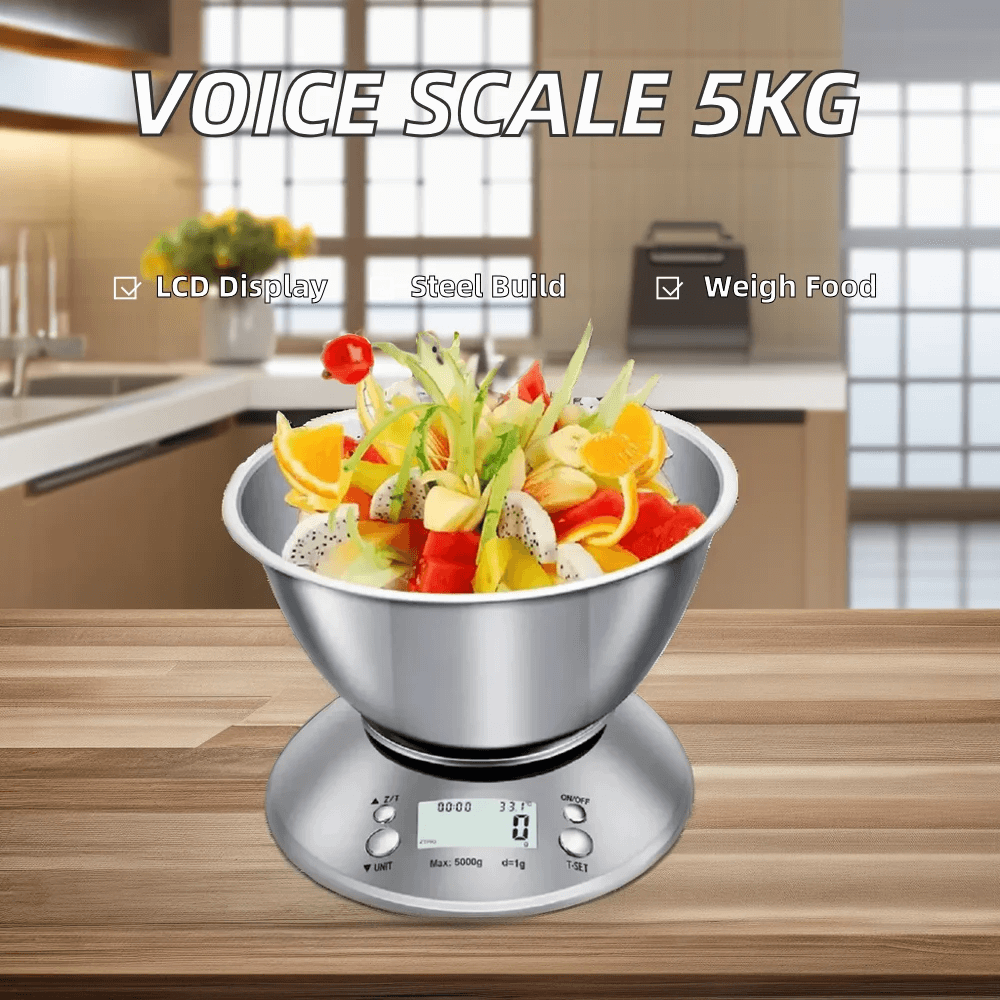
Bowl scales have emerged as a game - changer, offering a level of accuracy and convenience that traditional measuring methods simply can't match. But with a plethora of bowl scales available on the market, each boasting its own set of features and capabilities, how do you determine which one is the perfect fit for your kitchen and your culinary aspirations?
Bowl Scales: Which One Will Revolutionize Your Cooking and Baking?
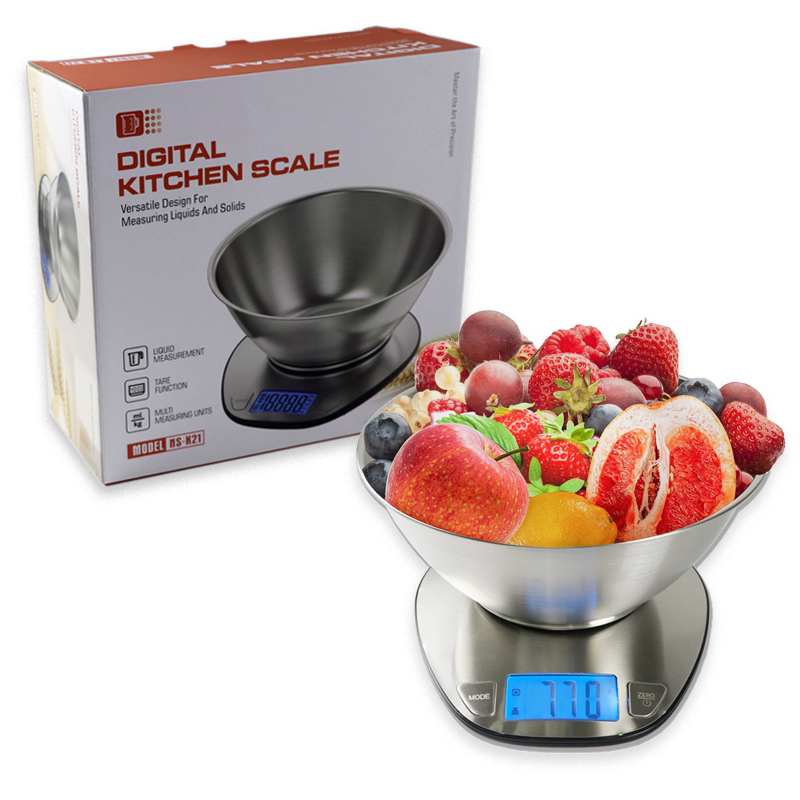
In the heart of every kitchen, precision is the unsung hero that can transform a good recipe into a culinary masterpiece. A kitchen scale with a bowl is not just another gadget; it's an essential tool that unlocks a world of culinary possibilities. Whether you're a professional chef or a home cook embarking on a new recipe adventure, the accuracy it provides is the key to consistent and delicious results.
How do I set up and use the kitchen scale with a bowl?

In the heart of every kitchen, among the pots, pans, and utensils, lies a seemingly unassuming device that holds the key to culinary precision - the kitchen scale. This compact and often overlooked gadget is far more than just a simple tool for measuring weight; it is an essential ally for both amateur home cooks and professional chefs alike.
The Invisible Hero in Your Kitchen: Unveiling the Functions of a Good Kitchen Scale
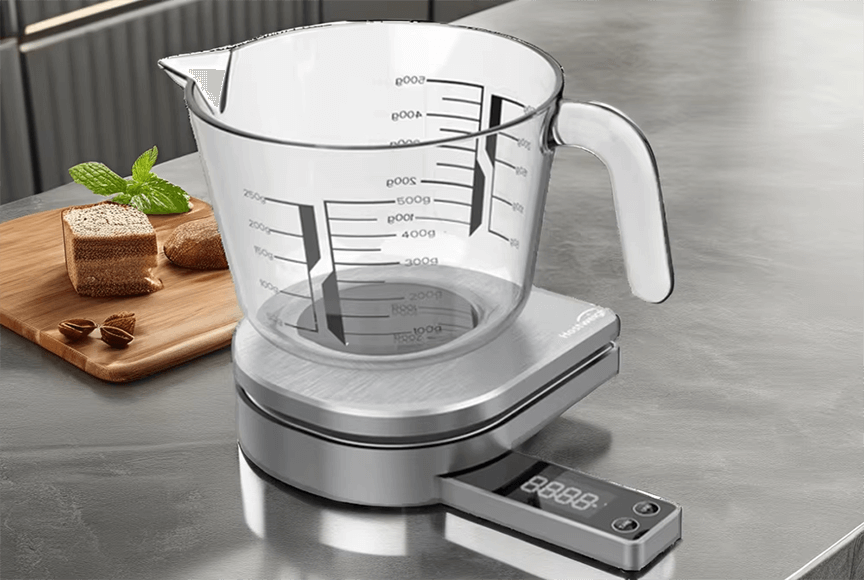
A bakery weighing scale is an indispensable tool for any baker, ensuring precise measurement of ingredients that can make or break a recipe. Whether you’re a home baker or a professional pastry chef, regular cleaning and maintenance are essential to preserve the scale’s accuracy, extend its lifespan, and maintain kitchen hygiene.
How Do I Clean and Maintain My Baking Scale?
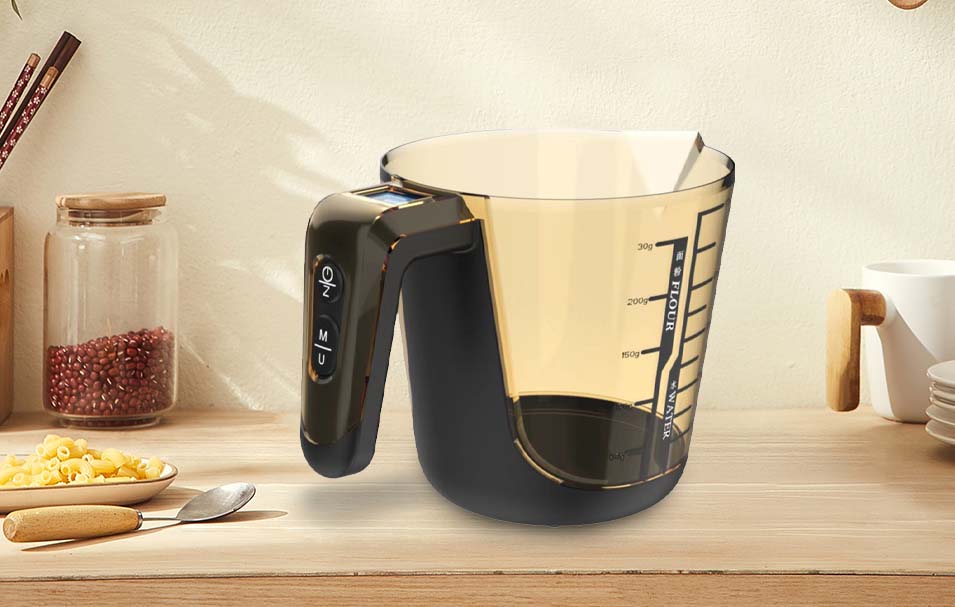
In the world of cooking and baking, precision in measuring ingredients is often the key to a successful dish. Cup scales, which combine the functionality of traditional measuring cups with the accuracy of a weighing scale, have become increasingly popular among home cooks, professional chefs, and baking enthusiasts in the United States.
What Features Should I Look for When Buying a Cup Scale?