
How do I set up and use the kitchen scale with a bowl?
2025-03-15
Introduction

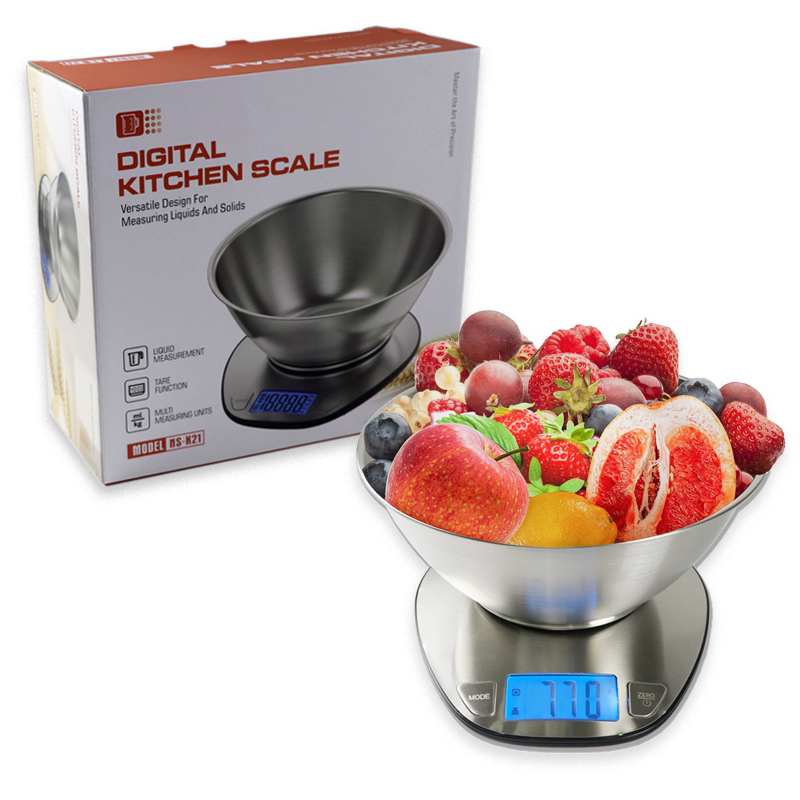
Unveiling the Importance of a Kitchen Scale with Bowl
Precision in ingredient measurement is the cornerstone of successful cooking and baking. A minor deviation in the amount of flour, sugar, or spices can significantly alter the texture, flavor, and overall outcome of a dish. For instance, in baking, the precise ratio of flour to liquid determines whether your bread will rise perfectly or end up as a dense brick. A kitchen scale with a bowl allows you to measure these ingredients with accuracy, down to the gram or milliliter. This level of precision ensures that every batch of cookies is uniformly sized, every cake rises to the perfect height, and every savory dish has the right balance of flavors.
Moreover, a kitchen bowl scales is a game - changer for those following special diets. Whether it's counting calories, controlling portion sizes for weight management, or adhering to a specific dietary plan like keto or gluten - free, accurate measurement is crucial. You can precisely measure the amount of protein, carbohydrates, and fats in your meals, enabling you to make informed dietary choices.
The convenience of a kitchen food scale with bowl also cannot be overstated. It eliminates the need for multiple measuring cups and spoons, reducing both the time spent in the kitchen and the number of dishes to wash. The integrated bowl design allows for easy addition and mixing of ingredients directly on the scale, streamlining the cooking process.
As we delve deeper into the world of kitchen bowl scale, we'll explore how to choose the right one, set it up for optimal use, and master various techniques to enhance your culinary skills.
Step - by - Step Setup
Preparation: Gathering Your Tools
Before you embark on your culinary weighing journey, it's crucial to gather the right tools. First and foremost, you need a reliable best kitchen scale with bowl. There is a wide variety of kitchen scales available in the market, from basic analog models to advanced digital ones with multiple functions. When choosing a best kitchen scale bowl, consider the following factors:
- Accuracy: Look for a scale with high precision. For general cooking, a scale accurate to within 1 - 2 grams is sufficient. However, if you're into baking, where even the slightest deviation can affect the outcome, opt for a scale that can measure down to 0.1 grams. For example, when making delicate macarons, the precise amount of almond flour and sugar is essential for achieving the perfect texture.
- Capacity: Consider how much you'll typically be weighing. A standard digital kitchen scale with bowl usually has a capacity of 5 - 10 kilograms. If you often deal with large quantities of ingredients, such as when making a big batch of bread dough, a scale with a higher capacity might be more suitable.
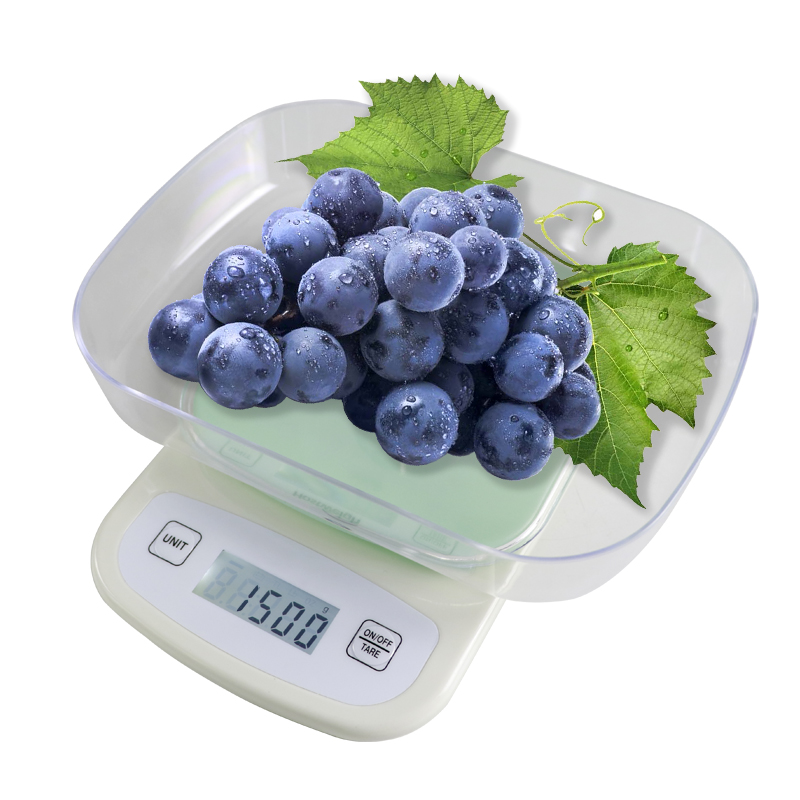
- Display: A clear and easy - to - read display is a must. Food kitchen scale with bowl often have LCD or LED displays that are bright and easy to see, even in low - light conditions. Some scales also have backlit displays, which are particularly useful in a dimly lit kitchen.
- Functions: Features like a tare function (which we'll discuss in more detail later), unit conversion (to switch between grams, ounces, pounds, etc.), and auto - off to save battery are highly convenient. Some high - end scales even come with additional features such as connectivity to a smartphone app for recipe tracking and nutritional analysis.
Once you've selected your kitchen scale with stainless steel bowl, you'll need a suitable bowl. The bowl should be stable, clean, and dry. Its size and shape matter too. A wide - mouthed bowl is great for easy access when adding ingredients, while a deep bowl is better for preventing spills, especially when measuring liquids or ingredients that might splatter. Stainless - steel, glass, and food - grade plastic bowls are all good options. Stainless - steel bowls are durable and heat - resistant, glass bowls are non - reactive and easy to clean, and plastic bowls are lightweight and often come with lids for storage. Just make sure the bowl is not too heavy for the scale's capacity.
 Initial Setup of the Stainless Steel Kitchen Scale with Bowl

With your scale and bowl in hand, it's time to set up the scale. If your scale is battery - operated, first ensure that the batteries are inserted correctly. Most digital scale with bowl use AA or AAA batteries, and the battery compartment is usually located on the underside of the scale. Once the batteries are in place:
- Power On: Press the power button. On digital bowl scale, this is often labeled “ON/OFF” or has a power symbol. Some scales may also have a touch - sensitive power area. When you turn on the scale, it will usually perform a self - calibration process. During this time, the display may show various numbers or symbols as the scale checks its internal components. Wait until the display stabilizes and shows “0” or “0.0” (depending on the scale's precision).
- Unit Selection: Decide on the unit of measurement you want to use. Common units include grams (g), ounces (oz), pounds (lb), and milliliters (ml) for liquid measurements. To change the unit, press the “UNIT” button on the scale. Each press will cycle through the available units. For example, if you're following a European recipe that uses grams, make sure the scale is set to display grams. However, if you're more accustomed to the imperial system or following an American recipe, you might prefer ounces or pounds.
Placing the Bowl on the Scale
Now that your scale is set up, it's time to place the bowl on it. Carefully position the bowl in the center of the scale's platform. This is important because an off - center placement can cause inaccurate readings. If the scale has a small platform, make sure the bowl is balanced and not hanging off the edge.
For example, if you're using a small, round basic food scale with bowl and a large, rectangular bowl, the bowl may not fit properly, leading to unstable placement. In such cases, it's better to use a smaller bowl or a scale with a larger platform. Once the bowl is on the scale, wait for a moment until the weight of the bowl is displayed on the scale. The display should show a non - zero number, which represents the weight of the bowl.
Taring the Scale
The tare function is one of the most important features of a digital food scale with bowl. Its purpose is to zero out the weight of the bowl (or any container) so that you can measure only the weight of the ingredients you're adding. Here's how to use it:
- Locate the Tare Button: On most scales, the tare button is clearly labeled “TARE” or has a tare symbol, which is often a zero with an arrow around it.
- Press the Tare Button: After placing the bowl on the scale and seeing its weight displayed, press the tare button. When you do this, the scale will reset its display to “0” or “0.0”. This means that the scale has now subtracted the weight of the bowl, and any weight added to the bowl from this point on will be the net weight of the ingredients.
For instance, if the bowl weighs 200 grams and you press the tare button, the scale will no longer “see” the 200 - gram weight of the bowl. When you start adding flour to the bowl, the scale will display only the weight of the flour. This makes it incredibly convenient to measure multiple ingredients in the same bowl without having to constantly transfer them to different containers or calculate the net weight manually.

Usage Scenarios
Baking: Precise Measurements for Perfect Results
Baking is a science, and precision is the key to achieving the perfect outcome. When using a best food scale with bowl for baking, every gram of flour, sugar, and other ingredients matters. For example, when making a classic chocolate cake, the exact amount of flour determines the structure and texture of the cake. Too little flour can result in a dense, heavy cake, while too much can make it dry and crumbly. A food scale with bowl allows you to measure the flour accurately, ensuring that your cake rises to the perfect height and has a moist, tender crumb.
Sugar also plays a crucial role in baking. It not only adds sweetness but also affects the color, texture, and moisture content of the baked goods. In a batch of cookies, the right amount of sugar will give them a crispy edge and a chewy center. Using a scale to measure sugar precisely ensures that your cookies turn out just right, batch after batch.
Moreover, when making delicate pastries like macarons or croissants, precision is even more critical. Macarons require a specific ratio of almond flour, sugar, and egg whites to achieve their signature smooth shells and chewy texture. A digital kitchen scales with bowl enables you to measure these ingredients accurately, increasing your chances of success in making these finicky treats.
Cooking Savory Dishes: Balancing Flavors
In the world of savory cooking, a food scale bowl is equally indispensable. Whether you're making a hearty stew, a flavorful curry, or a simple stir - fry, accurate measurement of ingredients can make a significant difference in the final taste of the dish.
Consider a classic beef stew. The amount of beef, vegetables, and broth needs to be balanced to create a rich, satisfying meal. Using a scale, you can ensure that you have the right proportion of each ingredient. For instance, measuring the beef precisely allows you to control the amount of protein in the dish, while accurately measuring the vegetables ensures a good balance of flavors and textures.
Spices are another area where precision matters in savory cooking. A small amount of a particular spice can transform the flavor of a dish. In a curry, for example, the right amount of cumin, coriander, and turmeric can create a harmonious blend of flavors. Too much or too little of any one spice can throw off the balance and make the curry either too spicy or lacking in flavor. A kitchen scale with a bowl allows you to measure these spices accurately, ensuring that your curry has the perfect flavor profile.
When making sauces, such as a creamy Alfredo sauce or a tangy barbecue sauce, the precise measurement of ingredients is crucial. The ratio of cream, cheese, and seasonings in an Alfredo sauce determines its richness and flavor. Using a scale to measure these ingredients ensures that your sauce is consistently delicious, whether you're making it for a weeknight dinner or a special occasion.
Making Beverages: The Right Ratio Every Time
Whether you're a coffee connoisseur, a tea lover, or a cocktail enthusiast, a scale with bowl can help you create the perfect beverage every time.
For coffee, the ratio of coffee grounds to water is a key factor in determining the strength and flavor of the brew. A scale allows you to measure the coffee grounds accurately, ensuring that you get the right balance of coffee to water. For example, if you prefer a strong, bold cup of coffee, you might use a 1:15 ratio of coffee grounds to water. Measuring the coffee grounds precisely with a scale ensures that you can replicate this ratio every time you make coffee.
Tea is another beverage where precision can enhance the drinking experience. The amount of loose - leaf tea or tea bags used can affect the strength and flavor of the tea. Using a scale to measure loose - leaf tea allows you to control the amount of tea you steep, resulting in a more consistent and enjoyable cup of tea.
In the world of mixology, a bowl scale is a valuable tool for creating delicious cocktails. Many cocktail recipes call for specific amounts of spirits, mixers, and garnishes. Measuring these ingredients accurately with a scale ensures that the flavors are well - balanced. For example, in a classic Old - Fashioned cocktail, the right amount of whiskey, sugar, and bitters is essential to create the perfect blend of sweet, bitter, and spirituous flavors. Using a scale to measure these ingredients ensures that your Old - Fashioned is as good as the ones served in a high - end bar.
 Tips and Tricks

Choosing the Right Bowl Material
The material of the bowl you use with your scale bowl can have a significant impact on the weighing process and the overall cooking experience.
Glass Bowls: Glass bowls are a popular choice due to their non - reactive nature. They won't absorb flavors or odors from the ingredients, making them ideal for tasks like weighing acidic ingredients such as lemon juice or vinegar. Their transparency also allows you to easily see the ingredients inside, which can be helpful for visual inspection. However, glass bowls can be heavy, especially larger ones, and they are fragile. If dropped, they can shatter, posing a safety risk. For example, a 1 - liter glass mixing bowl might be too heavy for a small - capacity kitchen scale and could potentially damage the scale if accidentally dropped on it. Glass bowls are best suited for tasks where you need to see the ingredients clearly and when the weight of the bowl won't overload the scale.
Ceramic Bowls: Ceramic bowls are known for their aesthetic appeal and heat - retention properties. They can be great for weighing ingredients that will be immediately used in a warm - temperature recipe, as they can help keep the ingredients at a more stable temperature. Ceramic bowls also come in a wide variety of colors and designs, adding a touch of style to your kitchen. However, like glass bowls, they can be heavy. Additionally, some ceramic bowls may have a rough or textured surface, which can make cleaning a bit more challenging. A large ceramic mixing bowl with a decorative pattern might be difficult to clean thoroughly after weighing sticky ingredients like honey or molasses. Ceramic bowls are a good choice when you want to add a bit of style to your kitchen and when the weight of the bowl is within the scale's capacity.
Stainless - Steel Bowls: Stainless - steel bowls are durable, lightweight, and resistant to corrosion. They are also great for mixing ingredients as they don't react with most substances. Stainless - steel bowls are easy to clean, either by hand or in the dishwasher. Their shiny surface reflects light, which can make them look sleek in the kitchen. They are a versatile option for weighing a wide range of ingredients, from dry goods like flour and sugar to wet ingredients like milk and oil. For instance, a stainless - steel mixing bowl is a great choice for weighing ingredients for a salad dressing, as it can handle both the liquid and solid components without any issues. Stainless - steel bowls are ideal for everyday use due to their durability and ease of cleaning.
Plastic Bowls: Plastic bowls are lightweight, inexpensive, and often come with lids for easy storage. They are a convenient option for weighing ingredients that don't require a high - level of heat resistance. However, plastic bowls can sometimes absorb odors and flavors over time, especially if they are used to weigh strong - smelling ingredients. They may also not be as durable as stainless - steel or glass bowls and can be easily scratched. A plastic measuring bowl with a lid is great for weighing and storing small amounts of leftovers or for measuring ingredients for a quick snack. Plastic bowls are a good choice for light - duty weighing tasks and for storing ingredients.
Avoiding Common Errors
When using a bowling scale, several common errors can lead to inaccurate measurements. By being aware of these errors and taking steps to avoid them, you can ensure that your culinary creations turn out as expected.
Not Leveling the Scale: One of the most common mistakes is not placing the scale on a flat, stable surface. If the scale is tilted or uneven, it will give inaccurate readings. Before using the scale, always check that it is placed on a level countertop or table. You can use a small spirit level to confirm the surface is flat. For example, if you place the scale on a wobbly table, the weight readings will fluctuate, making it impossible to measure ingredients accurately.
Forgetting to Tare the Scale: Failing to tare the scale after placing the bowl on it is another common error. As mentioned earlier, the tare function zeros out the weight of the bowl, allowing you to measure only the weight of the ingredients. If you forget to tare the scale, the displayed weight will include the weight of the bowl, leading to incorrect ingredient measurements. Always double - check that the scale reads “0” after placing the bowl and before adding any ingredients.
Overloading the Scale: Each kitchen bowl scale has a maximum capacity. Placing an amount of ingredients in the bowl that exceeds this capacity can damage the scale and give inaccurate readings. Before using the scale, make sure you know its maximum capacity and do not exceed it. For instance, if your scale has a maximum capacity of 5 kilograms and you try to weigh 6 kilograms of flour in the bowl, the scale may not function properly, and the reading will be incorrect.
Moving the Scale or Bowl During Weighing: Moving the scale or the bowl while weighing can disrupt the measurement process and lead to inaccurate results. Once you have placed the bowl on the scale and tared it, avoid any unnecessary movement. If you need to adjust the position of the bowl, remove the ingredients first, make the adjustment, and then re - tare the scale before adding the ingredients again. For example, if you accidentally bump the scale while adding sugar to the bowl, the weight reading may change, and you won't have an accurate measurement.
Ignoring the Scale's Calibration: Over time, kitchen bowl scales may lose their accuracy and require calibration. Ignoring calibration can result in consistently inaccurate measurements. Most scales come with calibration instructions. Follow these instructions regularly to ensure your scale is providing accurate readings. Some high - end scales may even have an auto - calibration feature, but it's still a good idea to periodically check the calibration manually.
Maintenance of the Kitchen Scale and Bowl

Proper maintenance of your kitchen food scale with bowl is essential to ensure their longevity and continued accuracy.
Cleaning the kitchen scale with bowl: After each use, wipe down the scale's platform with a clean, damp cloth to remove any food residue. Avoid getting water or other liquids into the scale's electronic components, as this can cause damage. If there are stubborn stains, you can use a mild detergent on the cloth, but make sure to rinse the cloth thoroughly before wiping the scale. For the display and buttons, use a soft, dry cloth to keep them clean and free of debris. Some scales have removable trays that can be washed separately in warm, soapy water. Make sure to dry the tray completely before reattaching it to the scale.
Maintaining the Bowl: The type of bowl determines its cleaning method. Glass and stainless - steel bowls can be washed with warm, soapy water, either by hand or in the dishwasher. Ceramic bowls should also be washed with mild soap and water, but be careful not to use abrasive cleaners that could scratch the surface. Plastic bowls should be washed by hand with warm, soapy water, as some plastic materials may warp or melt in the dishwasher. After washing, dry the bowl thoroughly before using it again. If the bowl has a lid, make sure to clean the lid as well and check for any signs of wear or damage.
Storing the Scale and Bowl: When not in use, store the best kitchen scale with bowl in a dry, cool place, away from direct sunlight and heat sources. Avoid storing heavy objects on top of the scale, as this can damage the internal components. If the scale has a cord, coil it neatly and store it with the scale. Store the bowl in a cabinet or on a shelf, making sure it is stacked properly to prevent it from getting chipped or broken. If you have multiple bowls, consider using a bowl organizer to keep them tidy and easily accessible.
By following these tips and tricks for choosing the right bowl material, avoiding common errors, and maintaining your kitchen scale and bowl, you can ensure that your culinary adventures are filled with accurate measurements and delicious results.
Real - Life Examples and Testimonials
Interviews with Chefs
To gain deeper insights into the practical use of a best kitchen scale bowl, we interviewed several professional chefs. Chef Marco Rossi, a renowned Italian chef with a Michelin - starred restaurant, shared his experience. “In my kitchen, precision is non - negotiable. When making pasta from scratch, the exact ratio of flour to eggs is crucial. A digital kitchen scale with bowl allows me to measure these ingredients accurately, ensuring that every batch of pasta has the perfect texture. Whether it's a delicate tagliatelle or a hearty ravioli, the right amount of flour makes all the difference. I can't imagine working without it.”
Chef Emily Thompson, who specializes in modern American cuisine, also emphasized the importance of a food kitchen scale with bowl. “When I'm creating a new recipe, especially one that involves complex flavor combinations, accurate measurement is key. For example, when making a balsamic reduction for a dessert sauce, the amount of balsamic vinegar, sugar, and other ingredients needs to be just right. A kitchen scale enables me to experiment with different ratios with confidence, knowing that I can replicate the results if the recipe turns out well.”
Chef Carlos Ramirez, a Latin - inspired chef, added, “In Latin cuisine, spices play a significant role in creating bold and vibrant flavors. Using a kitchen scale with stainless steel bowl, I can precisely measure spices like cumin, chili powder, and oregano. This precision ensures that the dishes have the right balance of heat, earthiness, and flavor. It's a game - changer for me, especially when I'm cooking for a large number of diners and need to maintain consistency.”
Home Cooks' Stories
Home cooks also have plenty of positive experiences to share about using a stainless steel kitchen scale with bowl. Sarah Johnson, a busy mom of three, said, “I used to struggle with baking. My cakes would sometimes turn out too dry or my cookies too flat. Since I started using a kitchen scale with a bowl, my baking has improved significantly. I can accurately measure the ingredients, and it's so much easier to follow recipes. My kids love the consistent results, and I feel more confident in the kitchen.”
Tom Wilson, an amateur cook who enjoys trying new recipes, shared, “I'm a big fan of making my own bread. Before I got a kitchen scale with a bowl, I was always guessing the amount of flour and water. Now, I can measure everything precisely, and my bread turns out perfect every time. It's amazing how a simple tool can make such a difference in the quality of my cooking.”
Another home cook, Lisa Martinez, said, “I'm on a weight - loss journey, and a bowl kitchen scale has been a huge help. I can accurately measure my portion sizes, whether it's for a salad, a protein shake, or a cooked meal. It has made it easier for me to stick to my diet plan and see real progress.” These real - life examples and testimonials from both professional chefs and home cooks highlight the practical benefits and impact of using a kitchen scale with a bowl in the culinary world.
 Conclusion
Recap of Key Points
Throughout this exploration of using a kitchen scale with a bowl, we've covered a wealth of essential information. First and foremost, the setup process is crucial. Gathering the right tools, including a reliable kitchen scale and a suitable bowl, sets the foundation for accurate measurements. When setting up the scale, ensuring proper battery installation, selecting the correct unit of measurement, and placing the bowl evenly on the scale are fundamental steps. The tare function, which zeros out the weight of the bowl, is a game - changer, allowing for precise measurement of ingredients without the added weight of the container.
In terms of usage scenarios, baking benefits immensely from the precision of kitchen scales with a bowl. Precise measurements of flour, sugar, and other ingredients are essential for achieving the perfect texture and structure in baked goods. In savory cooking, it helps in balancing flavors by accurately measuring ingredients like meat, vegetables, and spices. When making beverages, it ensures the right ratio of components, whether it's coffee grounds to water or spirits to mixers.
We also delved into various tips and tricks. Choosing the right bowl material, such as glass for its non - reactivity, ceramic for its aesthetic appeal, stainless - steel for its durability, or plastic for its lightweight and storage - friendly nature, can enhance the weighing experience. Avoiding common errors like not leveling the scale, forgetting to tare it, overloading it, moving it during weighing, and ignoring calibration is vital for accurate results. Regular maintenance of the scale and bowl, including proper cleaning and storage, prolongs their lifespan and ensures continued accuracy.
Encouragement for Readers to Practice
Now that you're equipped with the knowledge of how to set up and use a kitchen scale with a bowl, it's time to put it into practice. Whether you're an experienced chef looking to take your culinary skills to the next level or a novice cook eager to improve your results, this tool is a valuable addition to your kitchen arsenal.
Start by experimenting with simple recipes. Try making a batch of cookies, measuring the flour, sugar, and butter precisely with your kitchen scale and bowl. Notice how the consistent measurements can lead to a more uniform batch of cookies. Then, move on to more complex recipes, like a multi - ingredient curry or a delicate custard.
Remember, practice makes perfect. The more you use your kitchen scale with a bowl, the more comfortable you'll become with the process. You'll start to notice the subtle differences that accurate measurements can make in the flavor, texture, and overall success of your dishes. So, roll up your sleeves, grab your scale and bowl, and embark on a culinary journey filled with precision and deliciousness.
How to use a coffee scale to measure coffee and water accurately?
Do fishing scales need to be waterproof?
Related Article
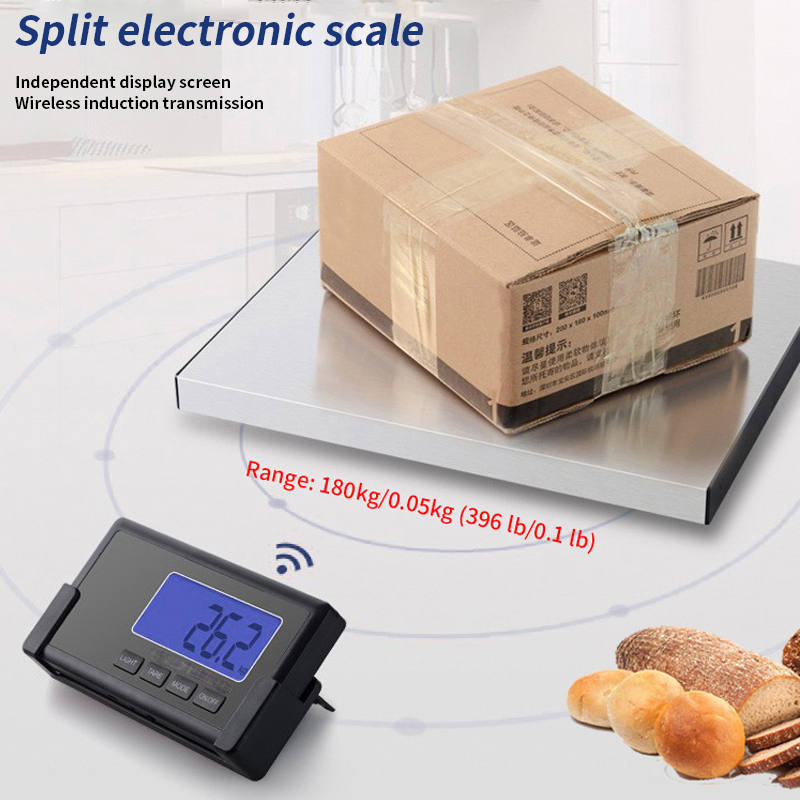
In the world of logistics and shipping, accuracy and efficiency are paramount. For businesses and individuals dealing with large packages or pallets, a reliable wireless shipping scale is an indispensable tool. One of the most critical questions that arises when selecting such a scale is: "What's the maximum weight capacity of a reliable wireless shipping scale suitable for shipping large packages or pallets?"
What's the Maximum Weight Capacity of a Reliable Wireless Shipping Scale Suitable for Shipping Large Packages or Pallets?
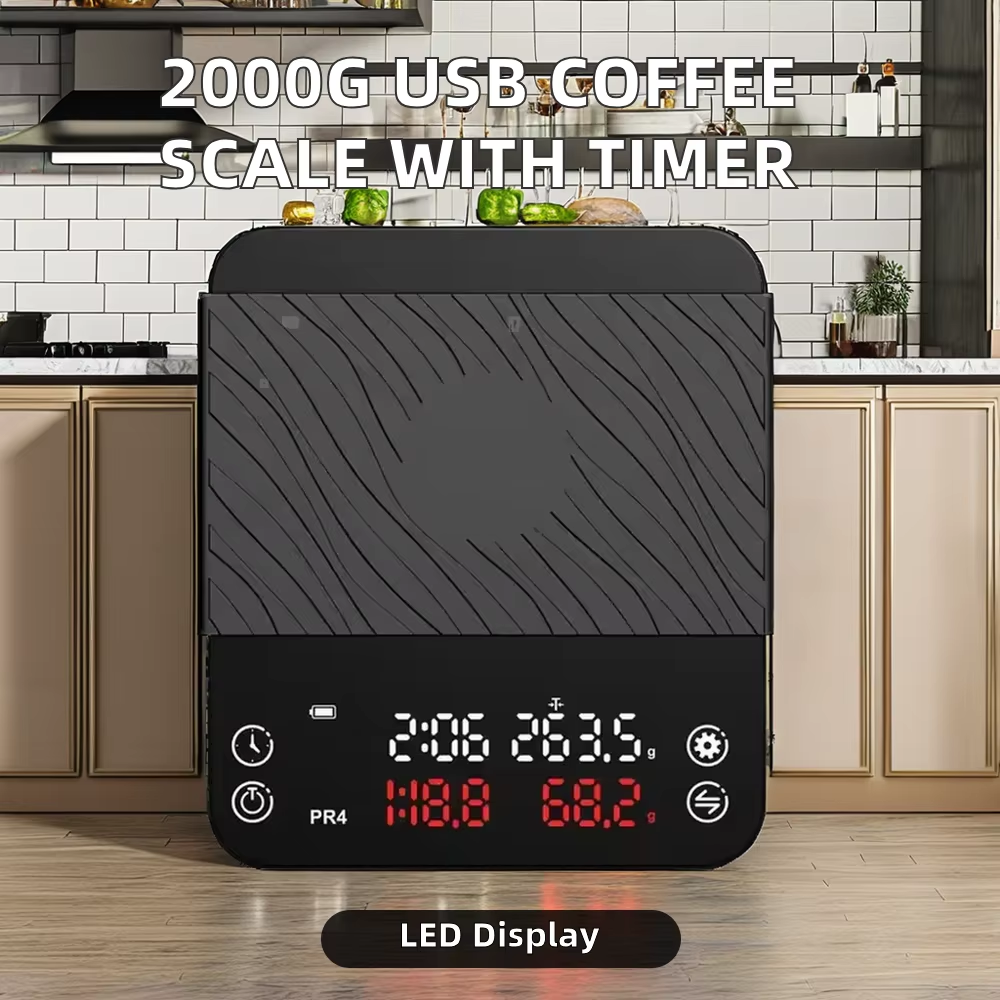
For coffee enthusiasts and baristas, the espresso scale is an indispensable tool. It ensures that each shot adheres to the precise coffee-to-water ratios that define a balanced, flavorful espresso. Among the key considerations when choosing an espresso scale is its weight capacity—the maximum weight it can accurately measure.
What's the Ideal Weight Capacity for an Espresso Scale Considering the Typical Amounts of Coffee and Water Used in a Shot?

The spoon scale has become a popular tool in home kitchens, beloved for its convenience in measuring small amounts of ingredients, especially spices, baking powders, and other seasonings. However, many users encounter a frustrating issue: their spoon scale gives inconsistent readings for the same ingredient.
My Spoon Scale Seems to Give Inconsistent Readings for the Same Ingredient. What Could Be the Problem and How Can I Fix It?

In the intricate world of jewelry, precision in weighing is of utmost importance. Whether it's determining the value of a rare gemstone, ensuring the correct amount of precious metal in a piece, or verifying the authenticity of a jewelry item, the right mini jewelry scale can make all the difference.
What's the Most Accurate Mini Jewelry Scale for Weighing Tiny Gemstones and Can It Measure Down to Milligrams?