
The Invisible Hero in Your Kitchen: Unveiling the Functions of a Good Kitchen Scale
2025-03-11

1. Introduction

The kitchen scale has quietly become an indispensable item in modern kitchens. Its significance is not immediately apparent to those who rely solely on estimates and guesswork when preparing meals. However, for those who have discovered the magic of precise measurements, a good digital kitchen scale is a game - changer. It can transform a haphazard cooking experience into a scientific and consistent process, where every ingredient is added with accuracy.
From the delicate art of baking, where a slight deviation in the amount of flour or sugar can spell the difference between a light, fluffy cake and a dense, disappointing one, to the creation of intricate international recipes that demand exact quantities of spices and seasonings, the kitchen weight scale plays a pivotal role. It also serves as a valuable asset for those on a health - conscious journey, allowing for the accurate tracking of calorie - controlled diets and portion sizes.
As we delve deeper into the world of kitchen scale digital, we will uncover the multiple functions that make them such a vital addition to any kitchen. We will explore how they enhance the cooking process, contribute to healthier eating habits, and even help in the efficient management of kitchen resources. So, whether you're a novice in the kitchen or a seasoned cook looking to up your game, join us as we unlock the secrets of what a good kitchen scale can do.
2. Precision in Baking
2.1 The Science of Baking Measurements
Baking is often described as a science, and for good reason. The chemical reactions that occur during the baking process are highly sensitive to the amounts of each ingredient used. Each element in a baking recipe plays a specific role, and any deviation from the recommended quantities can disrupt the delicate balance required to achieve the perfect outcome.
Flour, for example, is the building block of most baked goods. It provides structure through the formation of gluten, a protein network that gives bread its chewy texture and cakes their spongy consistency. Too little flour, and the baked good may not hold its shape; too much, and it can become dry and dense. According to the American Institute of Baking, a difference of just 10 grams of flour per cup can significantly alter the quality of the final product. In a simple chocolate chip cookie recipe, adding an extra 10 grams of flour per cup can result in a cookie that is less soft and more crumbly, as the increased gluten development tightens the structure.
Sugar is another crucial ingredient in baking. It not only adds sweetness but also affects the texture, color, and moisture content of the baked good. Sugar helps to tenderize the dough or batter by interfering with gluten formation in flour. It also caramelizes during baking, contributing to the golden - brown color and rich flavor. If too little sugar is used, the baked good may lack sweetness and have a duller color. Conversely, an excess of sugar can make the item overly sweet, cause it to spread too much during baking, and result in a dense texture. In a classic pound cake recipe, reducing the amount of sugar by even 20 grams can lead to a cake that is less moist and has a less pronounced flavor.
Leavening agents, such as baking powder and baking soda, are responsible for making baked goods rise. These agents work by releasing carbon dioxide gas when they react with other ingredients in the recipe, creating air pockets that expand during baking. The correct amount of leavening agent is essential. Too little, and the baked good will be flat and dense; too much, and it can have a bitter taste and an overly porous texture. A standard muffin recipe calls for a specific amount of baking powder, usually around 1 - 2 teaspoons for every cup of flour. Using half a teaspoon less can result in muffins that are significantly smaller and denser, while adding an extra half - teaspoon can cause the muffins to rise too quickly, then collapse, leaving a sunken top and an uneven texture.
 2.2 How a Kitchen Weighing Scale Ensures Success

A good electronic kitchen scale is the key to achieving the precise measurements required in baking. It eliminates the guesswork associated with measuring ingredients by volume, which can be highly inaccurate. Measuring cups and spoons, while convenient, can vary in the amount of ingredient they hold depending on how the ingredient is scooped, packed, or leveled. For instance, a cup of flour measured by volume can range from 120 grams to 160 grams, depending on whether it is sifted, spooned gently into the cup, or packed down firmly. This significant variation can have a substantial impact on the outcome of a baked good.
Professional bakers rely heavily on kitchen electronic scales to ensure consistency in their products. For example, a renowned pastry chef in a high - end bakery in Paris uses a digital electric kitchen scale that can measure down to 0.1 grams for every ingredient in their elaborate macaron recipes. Macarons are notoriously finicky, requiring precise measurements of egg whites, sugar, and almond flour to achieve the perfect smooth, domed tops, and delicate, chewy texture. By using a scale, the chef can reproduce the same results batch after batch, maintaining the high - quality standards that their customers expect.
In a study conducted by a leading culinary school, two groups of students were given the same baking recipe. One group used a food kitchen scale to measure ingredients, while the other used measuring cups and spoons. The results showed that the group using the scale produced baked goods with a much higher success rate. The cakes were more evenly risen, the cookies had a more consistent texture, and the bread had a better crumb structure. The students using the scale also reported having more confidence in their baking abilities, as they knew they were using the exact amounts of each ingredient.
Moreover, a kitchen food scale allows bakers to easily adjust recipes. Whether scaling a recipe up or down for a larger or smaller batch, or making modifications to suit dietary needs or personal preferences, having accurate measurements is essential. For example, if a home baker wants to make a gluten - free version of a favorite cake recipe, they can use a kitchen digital scale to precisely measure the alternative flours and other ingredients, ensuring that the substitution is done correctly without affecting the overall balance of the recipe.
3. Culinary Creativity and Experimentation
3.1 Encouraging New Recipes
A good scale kitchen is a catalyst for culinary creativity, emboldening cooks to step out of their comfort zones and experiment with new recipes. When armed with the precision that a measuring scale kitchen provides, the process of trying out a new dish becomes less intimidating. The fear of ruining a recipe due to inaccurate measurements is significantly reduced, allowing cooks to focus on the creative aspects of the cooking process.
Consider a home cook who has always been intrigued by the complex flavors of Indian cuisine. One day, they decide to attempt a traditional butter chicken recipe. The recipe calls for specific amounts of spices like cumin, coriander, and turmeric, along with precise measurements of tomatoes, onions, and cream. Using a kitchen scale, they can accurately measure each ingredient, ensuring that the balance of flavors is maintained as intended in the original recipe. This accurate measurement not only increases the likelihood of a successful first - attempt but also gives the cook the confidence to make small adjustments in subsequent tries, perhaps adding a bit more of a favorite spice or reducing the amount of cream for a lighter version.
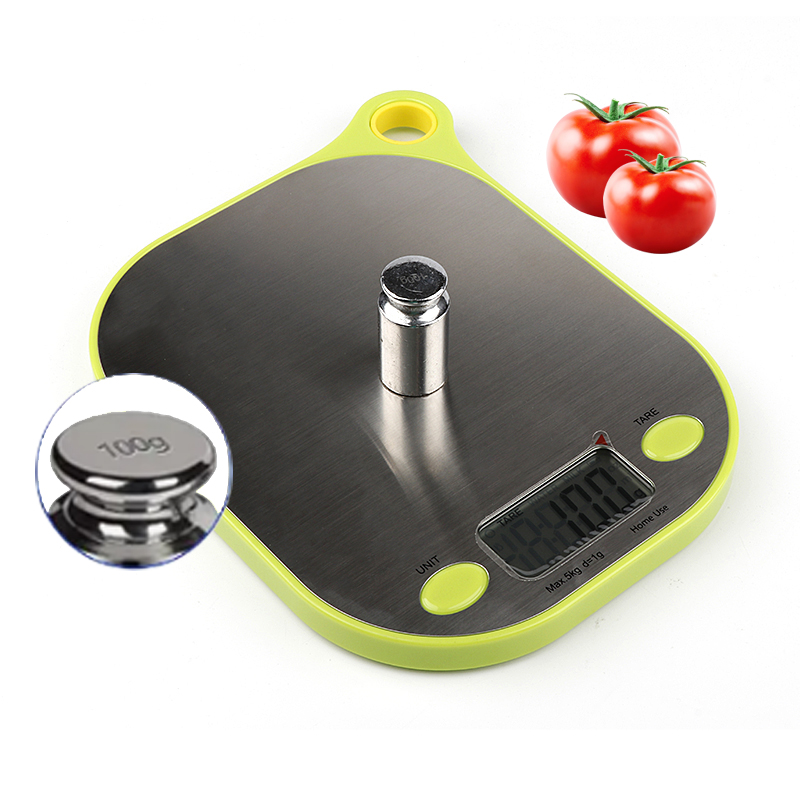
In the professional culinary world, chefs are constantly pushing the boundaries of flavor and presentation. A renowned chef in a high - end restaurant in New York City was inspired to create a new dessert that combined the classic flavors of chocolate and peanut butter in a unique way. Using a kitchen scale, the chef precisely measured each ingredient, from the high - quality dark chocolate to the creamy peanut butter and the various binders and flavor enhancers. The ability to measure accurately allowed the chef to fine - tune the recipe, adjusting the amounts of each ingredient until the perfect balance of richness, sweetness, and nuttiness was achieved. The result was a show - stopping dessert that became a signature item on the restaurant's menu, attracting customers from far and wide.
Moreover, nutritional kitchen scale enable cooks to adapt recipes to their dietary needs or the ingredients available in their pantry. For those following a vegan diet, a food scale can help when substituting animal - based ingredients with plant - based alternatives. When making a vegan cheesecake, for example, accurate measurement of ingredients like cashews (used to create a creamy base), coconut oil, and maple syrup is crucial to replicate the texture and flavor of a traditional cheesecake. Without a digital food scale, it would be challenging to ensure that the replacement ingredients are used in the right proportions, potentially leading to a less - than - satisfactory result.
3.2 Balancing Flavors
Balancing flavors is an art form in cooking, and a nutrition food scale plays a vital role in achieving this delicate equilibrium. Each ingredient in a recipe contributes a unique flavor profile, and the right proportion of these ingredients is essential to create a harmonious blend.
Take a simple vinaigrette dressing as an example. A well - balanced vinaigrette typically consists of oil, vinegar, mustard, honey or sugar for sweetness, and various herbs and spices for added flavor. The ratio of oil to vinegar is crucial. A common ratio is 3 parts oil to 1 part vinegar. If the vinegar is over - measured, the dressing will be overly acidic and tart, overpowering the other flavors. On the other hand, too much oil will make the dressing greasy and lack the sharpness that the vinegar provides. Using a food weight scale, a cook can precisely measure the oil and vinegar, as well as the other ingredients, ensuring that the vinaigrette has the perfect balance of tangy, sweet, and savory flavors.
In a complex dish like a Thai green curry, the balance of flavors is even more intricate. The curry paste contains a blend of fresh herbs such as cilantro, basil, and mint, along with garlic, ginger, and a variety of spices like cumin, coriander, and chili peppers. The curry also includes coconut milk for creaminess, a protein source like chicken or tofu, and various vegetables. Each component must be measured accurately to create a curry that is spicy, sweet, sour, and savory all at once. The kitchen scale allows the cook to measure the curry paste, coconut milk, and other ingredients precisely, ensuring that no single flavor dominates and that the overall taste is a harmonious combination of the many elements.
Even in a simple tomato - based pasta sauce, the balance of flavors can be easily disrupted without accurate measurements. Tomatoes provide the base flavor, but the addition of onions, garlic, herbs like oregano and basil, and a touch of sugar to balance the acidity all need to be carefully measured. If too much garlic is added, it can overpower the sweetness of the tomatoes and the subtlety of the herbs. A kitchen scale ensures that each ingredient is added in the right amount, resulting in a pasta sauce with a rich, well - rounded flavor that coats the pasta perfectly.

4. Dietary Management and Health
4.1 Portion Control
Maintaining a healthy lifestyle is a journey that often begins in the kitchen, and a good food nutrition scale is an invaluable tool on this path. One of its primary functions in the realm of health is portion control, which is essential for managing calorie intake and maintaining a healthy weight.
Portion control is not about deprivation; it's about being aware of how much food we consume. Many of us underestimate the amount of food on our plates, leading to overeating. According to a study published in the Journal of the Academy of Nutrition and Dietetics, people who used a kitchen scale to measure their food portions reduced their calorie intake by an average of 12% compared to those who estimated portion sizes. This reduction in calorie consumption can have a significant impact on weight management over time.
For example, a standard serving size of cooked rice is about 150 grams. However, when served in a large bowl, it's easy to pile on an extra 50 - 100 grams without realizing it. Those additional grams can add up to an extra 100 - 200 calories per meal. Over the course of a day, these extra calories can contribute to weight gain. By using a food weighing scale, individuals can accurately measure their rice portions, ensuring they stay within their calorie limits.
In the case of meat, a proper portion size is typically around 100 - 150 grams for a single serving. But a thick steak served in a restaurant can easily weigh 300 grams or more. Consuming such a large portion not only increases calorie intake but also the amount of saturated fat, which can be harmful to heart health. A kitchen food scale allows people to measure out the appropriate amount of meat, helping them make healthier choices and control their overall diet.
4.2 Meeting Nutritional Requirements
A food scale digital also plays a crucial role in meeting the specific nutritional requirements of different individuals. Whether it's for athletes, those with dietary restrictions, or people with certain health conditions, accurate measurement of food is essential.
Athletes, for instance, require a carefully balanced diet to support their training and performance. They need specific amounts of carbohydrates for energy, protein for muscle repair and growth, and healthy fats. A professional cyclist, training for a major race, might need to consume around 6 - 10 grams of carbohydrates per kilogram of body weight per day. Using a food measuring scale, they can precisely measure out the right amount of pasta, rice, or fruits to meet their carbohydrate needs. Similarly, for protein, which is crucial for muscle recovery, they can measure out the exact amount of lean meats, fish, or protein - rich plant - based foods like lentils and beans.
People with dietary restrictions such as diabetes, gluten - intolerance, or food allergies also rely on electric food scale to manage their diets. For someone with diabetes, controlling the amount of carbohydrates in each meal is vital for regulating blood sugar levels. A slice of whole - wheat bread, for example, can vary in carbohydrate content depending on the brand and type. By using a portable food scale, they can accurately measure the bread and other carbohydrate - containing foods, ensuring they stay within their recommended carbohydrate intake for each meal.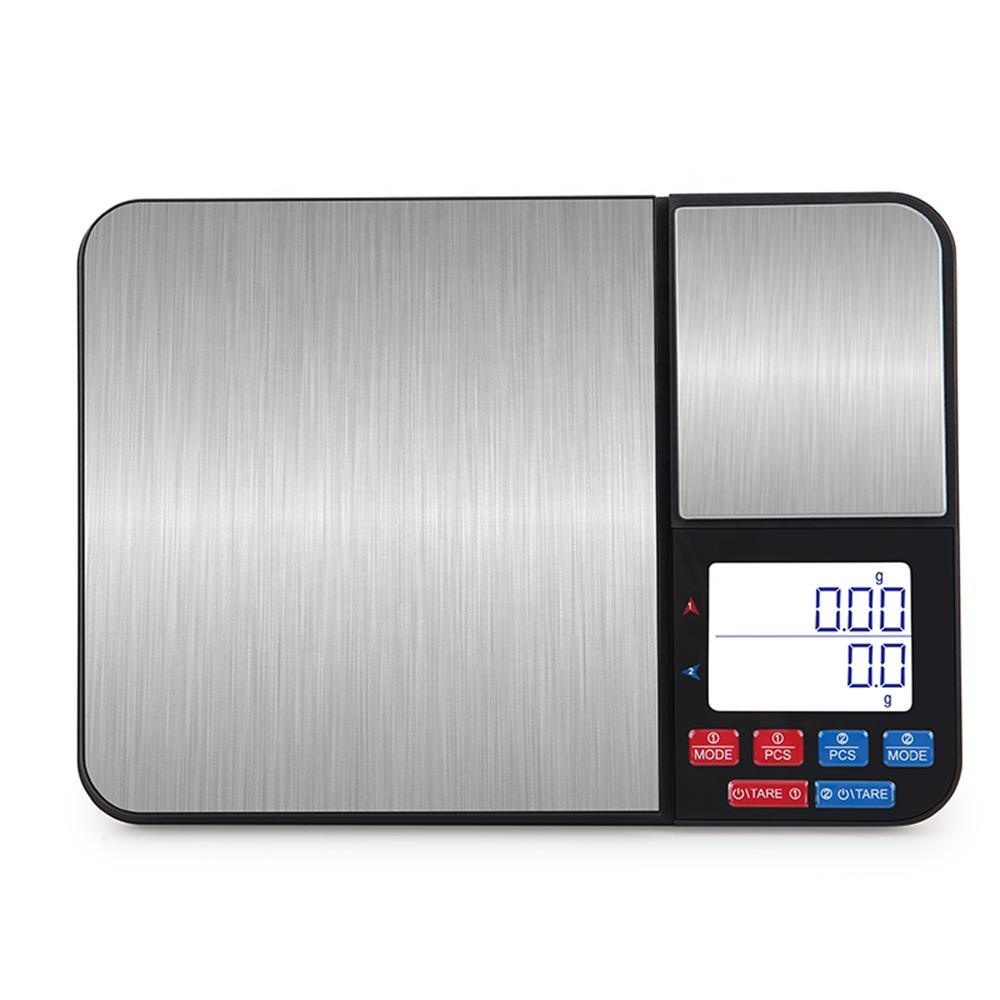
In the case of gluten - free diets, cross - contamination can be a major concern. When substituting gluten - containing flours with gluten - free alternatives, accurate measurement is crucial. A person making gluten - free pancakes might use a kitchen scale to precisely measure the gluten - free flour blend, xanthan gum, and other ingredients. This ensures that the pancakes not only taste good but also remain gluten - free, providing a safe and enjoyable meal option.
Even for those on a general healthy diet, a kitchen scale can help ensure that they are getting a balanced intake of all nutrients. Measuring out servings of fruits and vegetables, which are rich in vitamins, minerals, and fiber, can help individuals meet the recommended daily intake. For example, aiming for 2 - 3 servings of fruit and 3 - 5 servings of vegetables per day becomes easier when using a kitchen scale to accurately measure out each serving.
5. Cost - Efficiency in the Kitchen
5.1 Reducing Food Waste
In the modern kitchen, food waste is a significant issue that not only impacts the environment but also the household budget. A good electronic food scale can play a pivotal role in reducing this waste by enabling precise measurement of ingredients.
According to the United Nations Food and Agriculture Organization (FAO), approximately one - third of all food produced globally for human consumption is wasted. In the United States alone, the average family of four throws away about $1,500 worth of food each year. Much of this waste can be attributed to over - purchasing and inaccurate portioning.
When cooking without a customized food scale, it's easy to estimate the amount of ingredients needed incorrectly. For example, when making a pasta dish, a cook might over - estimate the amount of pasta required. A standard serving of dry pasta is about 50 - 70 grams per person. However, without using a scale, it's common to cook 100 - 150 grams per person, resulting in leftover pasta that often goes uneaten and eventually gets thrown away. By using a personalized food scale to accurately measure the pasta, families can ensure they cook the right amount, reducing the likelihood of waste.
In the case of baking, precise measurements are crucial for achieving the desired results. If a baker adds too much flour or sugar due to inaccurate measurement, the baked good may not turn out as expected. This can lead to the entire batch being discarded. A study by a leading food research institute found that home bakers who used a baking scale wasted 30% less flour and sugar compared to those who relied on measuring cups and spoons. This reduction in ingredient waste directly translates to cost savings over time.
Moreover, a food baking scale can help in portioning leftovers effectively. Instead of haphazardly dividing leftovers into containers, weighing them allows for more even distribution. This makes it easier to store and reheat the appropriate amount later, reducing the chances of leftovers going bad in the fridge. For instance, when dividing a large batch of chili into individual servings, using a scale to ensure each container has the same amount helps in proper storage and reduces the likelihood of some servings being forgotten and wasted.
 5.2 Smart Shopping with Precise Measurements

A perfect bake scale is not only useful in the kitchen but also a valuable tool when it comes to grocery shopping. It enables consumers to make more informed decisions and shop more smartly.
When planning meals for the week, using a baking weighing scale to measure the ingredients required for each recipe allows for accurate grocery lists. This means that consumers can buy exactly the amount of each ingredient they need, rather than over - estimating and buying excess. For example, if a recipe for a family - sized lasagna calls for 500 grams of ground beef, 300 grams of tomatoes, and 200 grams of cheese, using a scale to measure these amounts while making the grocery list ensures that no extra is purchased. This not only saves money but also reduces the risk of the excess ingredients going bad before they can be used.
In addition, a scale for baking can help when comparing the value of different food products. Many grocery stores sell items in different package sizes, and it can be difficult to determine which is the best deal without doing some calculations. By using a cooking scale, consumers can weigh the contents of different packages and calculate the price per unit weight. For instance, if one brand of almonds is sold in a 200 - gram package for
7, using a scale to weigh the almonds and calculate the price per gram (
0.023 per gram for the second brand) reveals that the second brand is a better value.
5,andanotherbrandoffersa300−grampackagefor
0.025pergramforthefirstbrandand
Furthermore, for those who buy in bulk, a digital cooking scale is essential. Buying in bulk can often lead to cost savings, but only if the consumer can accurately measure and portion out the items. For example, when purchasing a large bag of rice or beans, using a scale to measure out the appropriate amounts for each meal ensures that the bulk - bought items are used efficiently and don't go to waste. It also helps in storing the items properly, as smaller, measured portions are easier to manage in the pantry.
Some practical tips for using a kitchen cooking scale for smart shopping include weighing produce at the grocery store to ensure you're getting the amount you're paying for, especially for items sold by weight. Also, when buying pre - packaged foods, check the weight on the label and compare it to the price to make sure you're getting a fair deal. And when planning a big cooking project or a special meal, take the time to measure all the ingredients in advance and create a detailed shopping list to avoid over - or under - buying.
6. Professional Kitchens and the Cook Weight Scale
6.1 The Standard in Restaurants
In the fast - paced and demanding environment of professional kitchens, precision is not just a preference; it is a necessity. Cheap cooking scale have become an industry standard in restaurants, playing a crucial role in maintaining the quality and consistency of dishes.
Renowned restaurants around the world rely heavily on cooking weighing scales to ensure that every plate that leaves their kitchen meets the highest standards. For example, at Noma, the Copenhagen - based restaurant often ranked among the best in the world, the chefs use high - precision kitchen scales for every ingredient. When preparing their signature dish of fermented and foraged ingredients, the exact amount of each element, from the delicate wild herbs to the carefully fermented vegetables, is measured to perfection. This precision in measurement allows the chefs to create a harmonious blend of flavors and textures that has become the hallmark of Noma's cuisine.
In a high - end French restaurant in Paris, Le Jules Verne, located on the Eiffel Tower, the pastry chefs use intelligent food scale to measure the ingredients for their elaborate desserts with utmost accuracy. A classic French macaron, with its smooth exterior and delicate almond flavor, requires precise measurements of almond flour, egg whites, and sugar. The chefs at Le Jules Verne use scales that can measure down to the gram to ensure that each macaron is identical in size, texture, and taste. This consistency not only satisfies the discerning palates of their customers but also helps in maintaining the restaurant's reputation for excellence.
Moreover, scale for food are essential for portion control in restaurants. With the rising cost of ingredients, restaurants need to ensure that they are not over - portioning, which can lead to increased costs and reduced profitability. By using kitchen scales, chefs can accurately measure the amount of meat, fish, or vegetables in each dish, ensuring that the portions are consistent and cost - effective. In a steakhouse, for instance, the steaks are weighed before cooking to ensure that each customer receives a portion of the appropriate size, whether it's a 200 - gram filet mignon or a 300 - gram ribeye.
6.2 Consistency in Mass - Production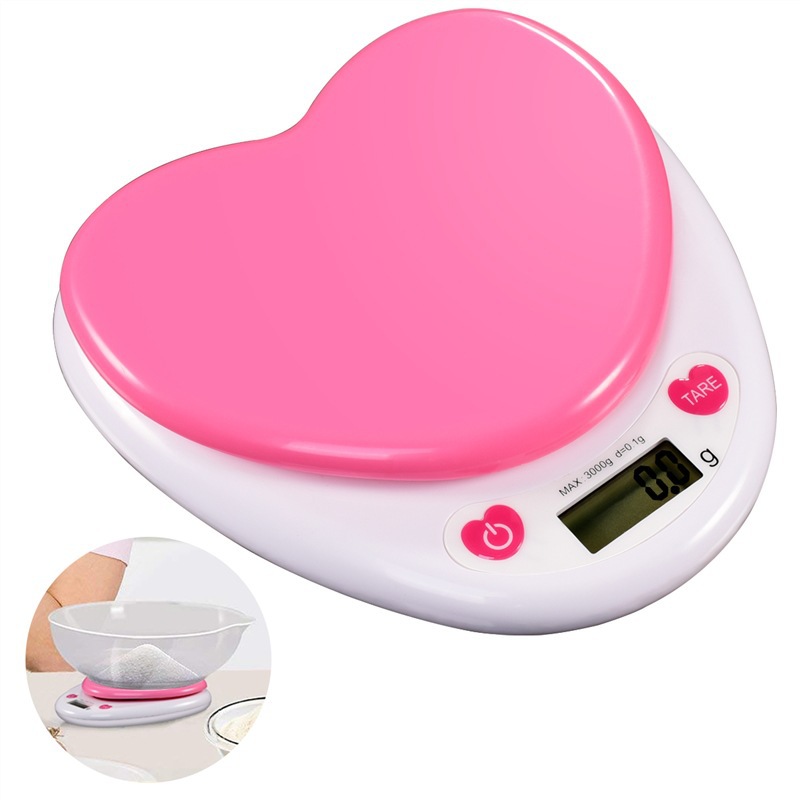
In the world of food mass - production, nitrition food scale are indispensable tools for maintaining product quality and consistency. Whether it's a large - scale bakery producing thousands of loaves of bread daily or a food processing plant manufacturing ready - to - eat meals, accurate measurement of ingredients is the key to producing a uniform product.
A major bakery chain that produces millions of loaves of bread every month relies on industrial - grade food scale nutrition to measure the flour, water, yeast, and other ingredients. The consistency of the bread's texture, flavor, and size is crucial for the brand's reputation. By using scales, the bakery can ensure that each loaf contains the exact amount of each ingredient, regardless of whether it's being produced in their New York or Los Angeles facility. This consistency in production allows the bakery to meet the high - volume demands of its customers while maintaining a high - quality product.
In a food processing plant that manufactures frozen dinners, weighing food scales are used to measure the precise amount of each component in the meal. Each frozen dinner contains a specific amount of protein, vegetables, and starch. The plant uses automated weighing systems that are highly accurate to ensure that every dinner in a batch has the same amount of each ingredient. This not only ensures that the customers receive a consistent product but also helps in meeting the strict nutritional labeling requirements.
If the ingredients in a food product are not measured accurately during mass - production, it can lead to a variety of problems. For example, in a cereal manufacturing plant, if the amount of sugar added to the cereal is inconsistent, some batches may be too sweet while others may be bland. This can lead to customer dissatisfaction and a loss of market share. In addition, inaccurate measurements can also affect the shelf - life and safety of the product. If too little preservative is added due to inaccurate measurement, the product may spoil more quickly, posing a risk to consumers.
In conclusion, food digital scale are an essential part of professional kitchens and food mass - production. They play a vital role in maintaining the quality, consistency, and cost - effectiveness of food products, making them an investment that pays off in the long run.
7. Choosing the Right Food Scale Kitchen
7.1 Key Features to Look For
Selecting the perfect scale food is crucial to fully benefit from its functions. When shopping for a scales food weighing, several key features should be taken into consideration.
Accuracy is of utmost importance. For general cooking and baking, a scale with an accuracy of 1 gram is sufficient for most home cooks. However, for those who engage in precision baking, such as making delicate macarons or artisanal bread, a scale with an accuracy of 0.1 grams or even higher is highly recommended. A study by a leading culinary institute found that bakers who used a scale with 0.1 - gram accuracy were able to produce more consistent results in terms of texture and flavor in their baked goods compared to those using a scale with 1 - gram accuracy.
Range or capacity is another vital aspect. Most standard electric scales food have a capacity ranging from 5 to 10 kilograms, which is suitable for everyday cooking, including weighing large cuts of meat, bags of flour, or multiple servings of ingredients. If you often deal with larger quantities, such as when cooking for a large family or catering, a scale with a higher capacity, perhaps up to 20 kilograms, would be more practical. On the other hand, if you mainly use the scale for weighing small amounts of spices, herbs, or for jewelry - making (in cases where a kitchen scale doubles as a jewelry scale for light - duty weighing), a smaller - capacity scale with high precision might be a better fit.
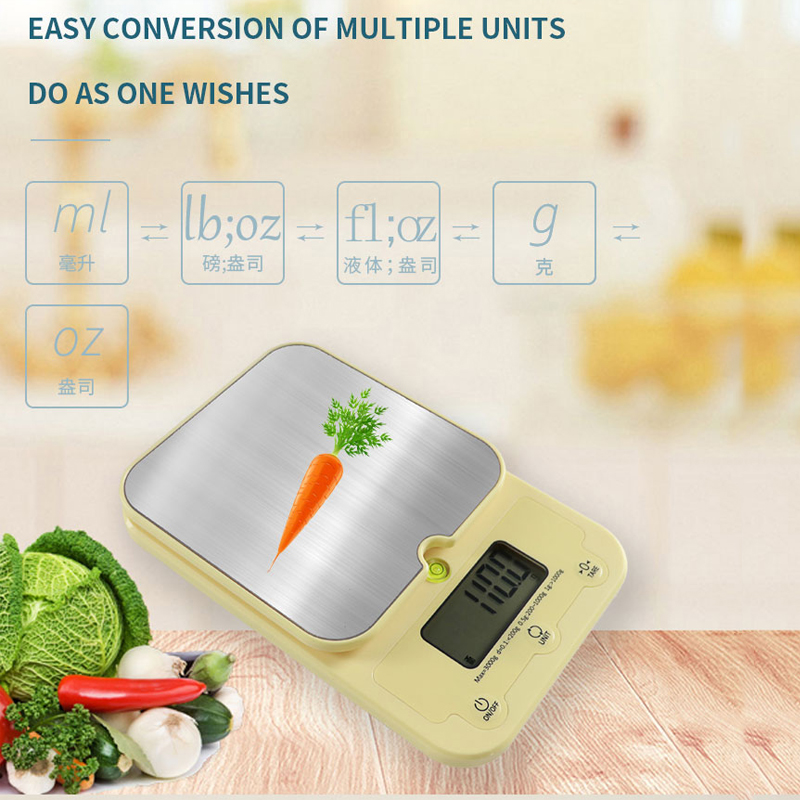
Unit conversion is a handy feature. A good kitchen scale should be able to switch between different units of measurement, such as grams, kilograms, ounces, and pounds. This is especially useful when following international recipes, as some countries use the metric system, while others rely on the imperial system. For example, a recipe from the United States might call for ingredients in ounces, while a French recipe would use grams. With a scale that offers unit conversion, you can easily adapt to different measurement requirements without having to do complex calculations.
Tare function allows you to zero out the weight of a container. This is extremely useful when you want to measure the weight of an ingredient inside a bowl or a measuring cup. Instead of having to weigh the container separately and subtract its weight manually, you can simply place the container on the scale, press the tare button, and then add the ingredient. The scale will display only the weight of the ingredient, making the process faster and more accurate. In a professional kitchen, the tare function is used constantly, whether it's weighing out spices in a small dish or measuring the amount of batter in a mixing bowl.
 7.2 Types of Digital Scale Food
There are several types of kitchen scales available on the market, each with its own set of advantages and disadvantages.
Digital Scales are the most popular choice today. They offer high accuracy and are generally easy to read, with large, clear digital displays. Digital scales can quickly calculate and display the weight, and they often come with additional features like unit conversion and tare functions. For example, the OXO Good Grips Stainless Steel digital kitchen weighing scale is well - known for its accuracy and user - friendly interface. It can measure up to 11 pounds with an accuracy of 0.1 ounces and has a large, backlit display that makes it easy to read in any lighting condition. The only drawback of digital scales is that they rely on batteries or electricity. If the battery runs out during use, it can be inconvenient, although many models have a low - battery indicator to warn users in advance.
Mechanical Scales, on the other hand, are a more traditional option. They do not require batteries, which can be an advantage in situations where access to power sources is limited. Mechanical scales use a spring - based mechanism to measure weight. They are often more affordable than digital scales. However, they tend to be less accurate than their digital counterparts, especially when it comes to measuring small weights. The markings on the dial of a mechanical scale may not be as precise, and the scale may require regular calibration to maintain accuracy. For instance, a simple mechanical kitchen scale might have an accuracy of only 5 grams, which could be a problem for precise baking.
Platform Scales have a large, flat surface, making them suitable for weighing large or oddly - shaped items. They are often used in commercial kitchens or for weighing bulky ingredients like whole watermelons or large bags of rice. Platform scales can have either digital or mechanical displays. A digital platform scale in a restaurant kitchen can handle weights of up to 50 kilograms, providing accurate measurements for large - scale food preparation. However, due to their size, they can be bulky and take up a significant amount of counter space, which may be a drawback for smaller home kitchens.
Pocket Scales are small and portable, making them ideal for weighing small quantities of ingredients, such as herbs, spices, or jewelry. They are often used by people who need to weigh items on - the - go, like chefs who are traveling or individuals who want to measure their food portions while at work or on a picnic. Pocket scales are usually digital and can fit easily into a pocket or a small bag. For example, a compact pocket scale might have a capacity of 100 grams and an accuracy of 0.01 grams, making it perfect for measuring small amounts of precious spices. However, their small size means they have a limited capacity and may not be suitable for weighing larger items.
In conclusion, choosing the right kitchen scale depends on your specific needs and usage patterns. By considering the key features and types of scales available, you can make an informed decision and select a scale that will serve you well in the kitchen for years to come.
8. Conclusion
In conclusion, good scales for kitchen is far more than a simple measuring device; it is a multi - functional tool that can transform the way we cook, eat, and manage our kitchens.
From the precise measurements required in baking, where it ensures the perfect rise of a cake or the ideal texture of a cookie, to the exploration of new culinary horizons by enabling creative experimentation with flavors and ingredients, the industrial kitchen scale is an essential companion for every cook. It serves as a powerful ally in the pursuit of a healthy lifestyle, allowing for accurate portion control and the precise measurement of nutrients to meet specific dietary needs.
In addition, the digital kitchen weight scale plays a significant role in promoting cost - efficiency in the kitchen. By reducing food waste through accurate portioning and enabling smart shopping decisions, it helps to save money while also being environmentally friendly. In professional kitchens, whether in high - end restaurants or large - scale food production facilities, the kitchen scale is the standard for maintaining quality, consistency, and profitability.
When choosing a kitchen scale, considering features such as accuracy, range, unit conversion, and the tare function, as well as the different types available, ensures that you select the one that best suits your needs.
So, whether you're a passionate home cook, a health - conscious individual, or a professional in the culinary world, don't underestimate the power of a good kitchen scale. Embrace this unassuming yet mighty tool, and let it elevate your cooking experience to new heights, one precise measurement at a time.
Are the Materials of the Spoon Scale Food - Grade and Safe?
How do I use an infant scale correctly?
Related Article
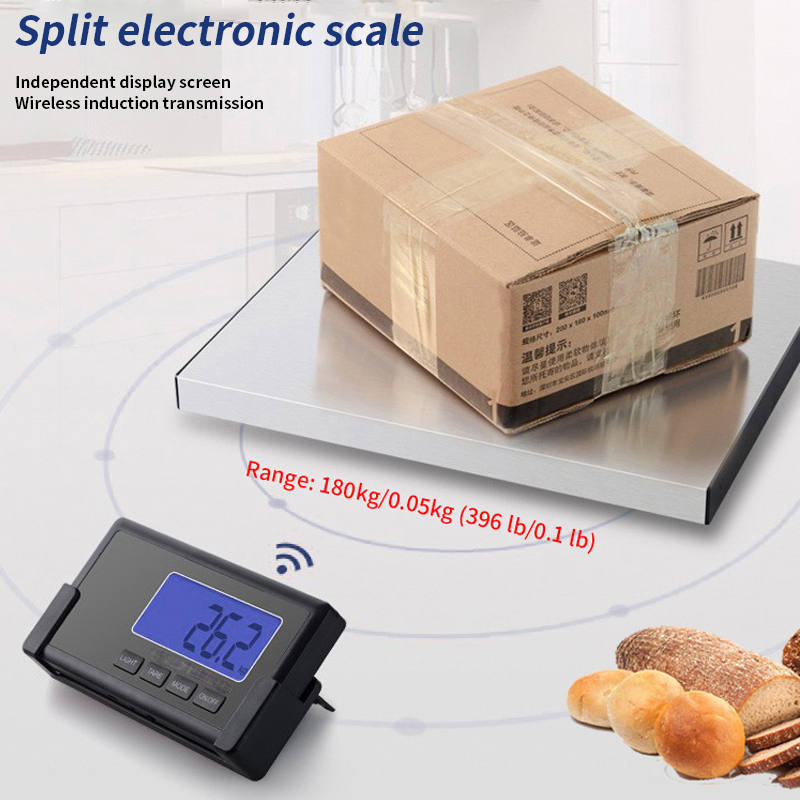
In the world of logistics and shipping, accuracy and efficiency are paramount. For businesses and individuals dealing with large packages or pallets, a reliable wireless shipping scale is an indispensable tool. One of the most critical questions that arises when selecting such a scale is: "What's the maximum weight capacity of a reliable wireless shipping scale suitable for shipping large packages or pallets?"
What's the Maximum Weight Capacity of a Reliable Wireless Shipping Scale Suitable for Shipping Large Packages or Pallets?
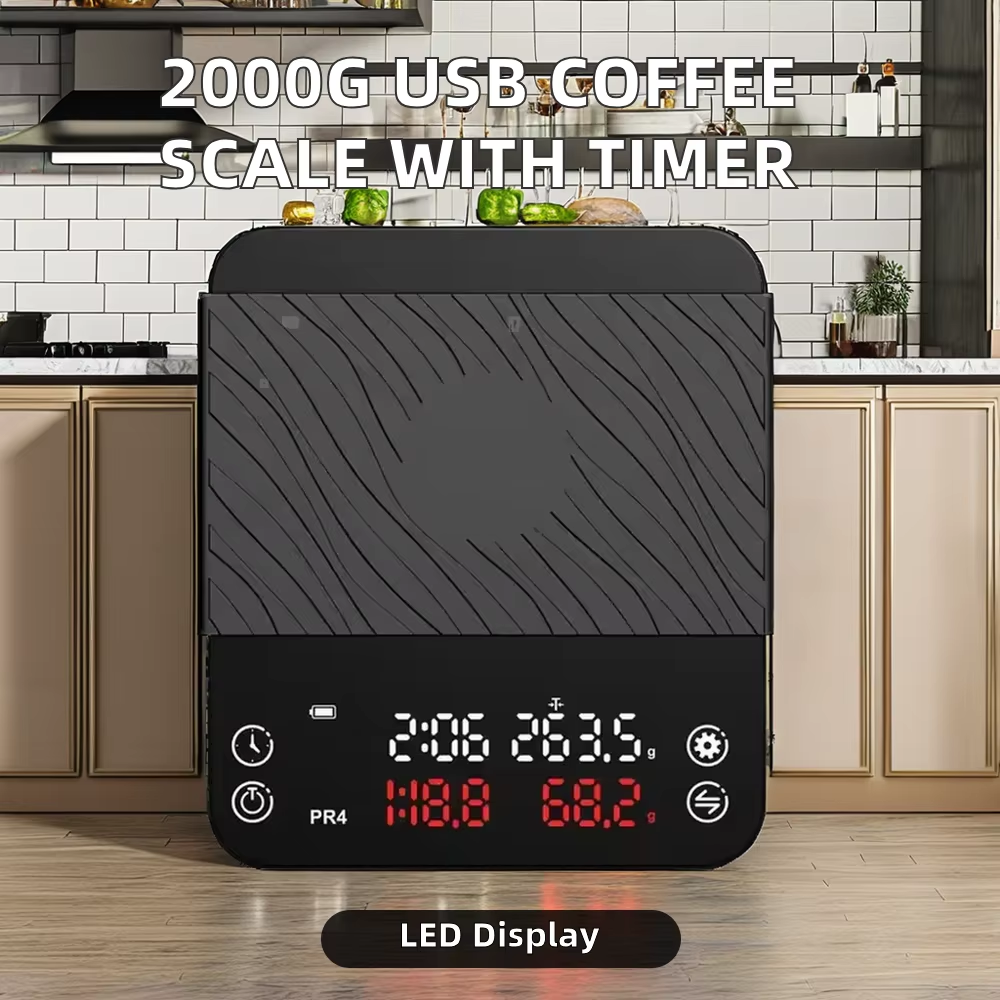
For coffee enthusiasts and baristas, the espresso scale is an indispensable tool. It ensures that each shot adheres to the precise coffee-to-water ratios that define a balanced, flavorful espresso. Among the key considerations when choosing an espresso scale is its weight capacity—the maximum weight it can accurately measure.
What's the Ideal Weight Capacity for an Espresso Scale Considering the Typical Amounts of Coffee and Water Used in a Shot?

The spoon scale has become a popular tool in home kitchens, beloved for its convenience in measuring small amounts of ingredients, especially spices, baking powders, and other seasonings. However, many users encounter a frustrating issue: their spoon scale gives inconsistent readings for the same ingredient.
My Spoon Scale Seems to Give Inconsistent Readings for the Same Ingredient. What Could Be the Problem and How Can I Fix It?

In the intricate world of jewelry, precision in weighing is of utmost importance. Whether it's determining the value of a rare gemstone, ensuring the correct amount of precious metal in a piece, or verifying the authenticity of a jewelry item, the right mini jewelry scale can make all the difference.
What's the Most Accurate Mini Jewelry Scale for Weighing Tiny Gemstones and Can It Measure Down to Milligrams?