
How Do I Clean and Maintain My Baking Scale?
2025-04-22
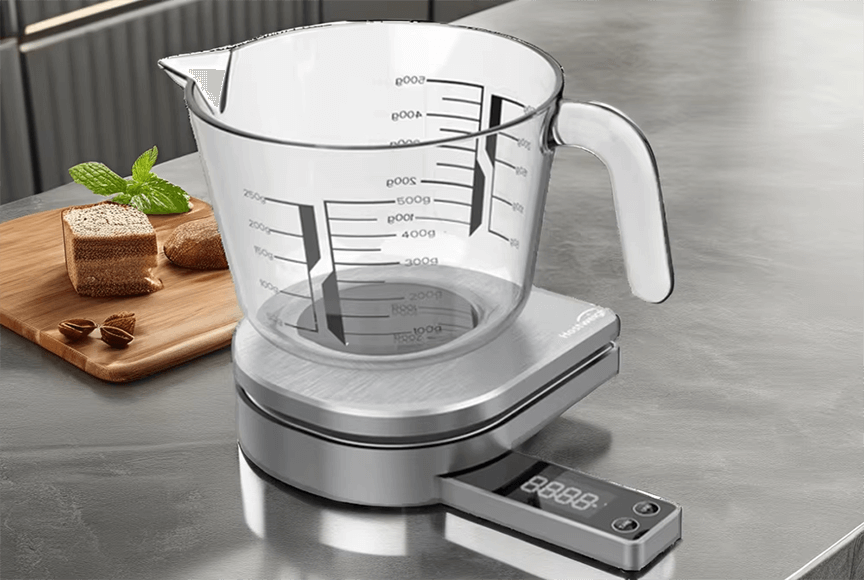
Table of Contents

Introduction
A baking scale is an indispensable tool for any baker, ensuring precise measurement of ingredients that can make or break a recipe. Whether you’re a home baker or a professional pastry chef, regular cleaning and maintenance are essential to preserve the baking scale’s accuracy, extend its lifespan, and maintain kitchen hygiene. Neglecting these tasks can lead to sticky residue, sensor damage, or inconsistent readings, compromising both your baked goods and the baking scale’s performance. This comprehensive guide outlines proven methods for cleaning and maintaining your baking scale, backed by expert advice and practical tips to keep your kitchen companion in top condition.
Why Cleaning and Maintaining Your Baking Scale Matters
Hygiene for Safe Baking
Baking scales often come into contact with wet and dry ingredients like flour, sugar, eggs, and oils, which can accumulate in crevices and attract pests or bacteria. Regular cleaning prevents cross-contamination and ensures your ingredients remain uncontaminated during measurement.
Sustained Accuracy
Dust, spills, or debris on the baking scales’s platform or sensors can interfere with weight detection, leading to inaccurate measurements. A well-maintained scale with clean sensors and a level platform provides reliable data, crucial for recipes that require precision, such as macarons or sourdough bread.
Long-Term Investment Protection
Quality baking scales are an investment. Proper care minimizes wear and tear on components like buttons, displays, and load cells, ensuring the scale functions accurately for years.

Step-by-Step Cleaning Guide for Baking Scales
Daily Surface Cleaning
For Digital Scales:
- Remove Loose Debris: Use a soft brush or dry cloth to sweep away flour, sugar, or crumbs from the platform, edges, and button gaps. A small pastry brush works well for hard-to-reach areas.
- Wipe with a Damp Cloth: Dampen a microfiber cloth with warm water (or a 1:1 water-vinegar solution for mild disinfection) and gently wipe the surface. Avoid using excessive water, especially around button seams or charging ports, to prevent liquid ingress.
- Clean Display and Buttons: Use a dry cloth for daily dusting. For sticky residue on buttons, lightly dampen a cotton swab with mild soap solution and gently clean around each button, then dry thoroughly.
For Analog Baking Scales:
- Wipe the platform and dial with a dry cloth to remove debris. Use a slightly damp cloth for smudges, ensuring no moisture enters the mechanical components behind the dial.
Deep Cleaning for Residue
Perform deep cleaning weekly or after spills involving sticky substances (honey, syrup, melted chocolate):
- Detach Removable Parts: If your baking scale has a removable tray or bowl holder, take it off and wash it with warm, soapy water. Rinse and dry completely before reattaching.
- Target Sticky Spills: For dried-on residue, apply a damp cloth soaked in warm, soapy water to the area for 5–10 minutes to loosen the debris, then wipe gently. Avoid using abrasive sponges or steel wool, which can scratch the baking scale’s surface.
- Clean Under the Platform: Tilt the baking scales and use a brush to remove debris from the base or sensor areas. For digital baking scales, check for dust accumulation around the load cells (the small metal components under the platform) and clean with compressed air (in short bursts) or a soft brush.
Disinfection and Sanitization
- Non-Electronic Parts: Use a food-safe disinfectant spray (alcohol-based or EPA-registered for food contact surfaces) on removable trays or bowls. Wipe with a clean cloth after 30 seconds to remove residue.
- Electronic Surfaces: Avoid spraying disinfectant directly on the baking scales. Instead, apply it to a cloth and gently wipe the platform, display, and buttons. Ensure no liquid seeps into cracks or ports.

Essential Maintenance Tips for Longevity and Accuracy
Regular Calibration
Calibration ensures your baking scales measures weight correctly. Most digital baking scales have a calibration function:
- Access Calibration Mode: Refer to the user manual—usually involves holding the "On" or "Cal" button until the display shows "CAL".
- Use a Known Weight: Place a certified calibration weight (often 1kg or 2.2lbs) or a household item of verified weight (e.g., a bag of flour labeled with its weight) on the center of the platform.
- Complete the Process: Follow on-screen prompts. The baking scales will adjust its sensors and display "PASS" or reset to zero when calibrated.
Pro Tip: Calibrate after deep cleaning, moving the baking scales, or if readings seem inconsistent (e.g., a 100g weight shows 102g).
Battery and Power Management
- Battery-Operated Scales: Use high-quality AAA/AA batteries and replace them every 6–12 months, or when the low-battery indicator appears. Remove batteries during long-term storage to prevent corrosion.
- Rechargeable Scales: Charge using the provided adapter to avoid voltage issues. Unplug once fully charged to extend battery life—overcharging can damage lithium-ion batteries.
Storage Best Practices
- Short-Term Storage: Keep the baking scales in a dry, dust-free kitchen drawer or cabinet, away from heat sources (stoves, ovens) or direct sunlight, which can warp plastic components.
- Long-Term Storage: Wrap the baking scales in a soft cloth or original packaging. Store removable parts separately. Ensure no heavy objects rest on the platform, as this can misalign the sensors.
Common Parameters of Baking Scales

|
Parameter
|
Description
|
Typical Range
|
|
Weight Capacity
|
Maximum weight the baking scales can measure
|
11–22 lbs (5–10 kg) (suitable for most baking needs)
|
|
Precision
|
Smallest weight increment measurable
|
0.1 oz (3g)–0.5 oz (14g) (0.1g precision common in high-end models)
|
|
Display Type
|
Screen technology for weight readings
|
Backlit LCD (for clarity in low light) or LED
|
|
Power Source
|
Energy supply method
|
AAA/AA batteries (2–4), USB-rechargeable (500–1000 mAh battery)
|
|
Platform Material
|
Surface material resistance to stains and scratches
|
Stainless steel, tempered glass, or ABS plastic
|
|
Tare Function
|
Zero out container weight for net ingredient measurement
|
Standard feature in digital scales
|
|
Unit Conversion
|
Supported weight units
|
Grams, kilograms, ounces, pounds, milliliters (for liquid measurements)
|

Achieving Precise Measurements: Usage Tips
Optimal Placement and Setup
- Stable Surface: Place the baking scales on a flat, rigid surface like a countertop (avoid flexible surfaces like silicone mats, which can shift and cause errors).
- Level Platform: Ensure the baking scales is perfectly level. Use a small level tool if needed—an uneven scale can lead to skewed readings.
- Room Temperature: Allow the baking scales to acclimate to kitchen temperature (70°F/21°C is ideal), as extreme temperatures can affect sensor performance.
Tare Function Mastery
The tare function is key for accurate ingredient measurement:
- Zero the Scale: Place an empty bowl or container on the baking scales and press the "Tare" button to reset the display to 0g.
- Add Ingredients: Measure each ingredient into the same container, using tare to subtract the container’s weight each time. This avoids cumulative errors from multiple containers.
- Liquid vs. Dry: For liquids, ensure the container is placed centrally to prevent spillage, which can damage the baking scales if liquid seeps under the platform.
Expert Insights on Baking Scale Care
We asked professional bakers and kitchen appliance experts for their top tips:
Chef Sarah Johnson, Owner of The Bakehouse NYC
“Invest in a baking scale with a tempered glass platform—it’s easier to clean and more resistant to scratches from metal bowls. For sticky spills, never use harsh chemicals like bleach; a gentle dish soap and warm water solution works best. And always calibrate before starting a precision recipe like meringue—even a 5g error can ruin the texture.”
Mark Chen, Product Manager at OXO Kitchenware
“Battery corrosion is a common issue with neglected baking scales. Make it a habit to check battery terminals quarterly and clean them with a cotton swab dipped in white vinegar if you see residue. For rechargeable models, avoid using non-proprietary chargers—they can cause voltage fluctuations that damage the baking scale’s circuitry.”
Frequently Asked Questions (FAQ)
Q1: Can I immerse my baking scale in water for cleaning?
A: No, unless the baking scale is explicitly labeled as waterproof (rare for baking scales). Most baking scale are splash-resistant at best. Always disconnect power and wipe with a damp cloth—never submerge in water, as this can damage sensors and electronics.
Q2: What’s the best way to clean stubborn flour or sugar dust from button crevices?
A: Use a soft-bristle toothbrush or compressed air to dislodge debris, then wipe with a cotton swab dipped in isopropyl alcohol (for plastic buttons only—test on a small area first to avoid discoloration).
Q3: How often should I calibrate my baking scale?
A: Calibrate monthly for regular use, or before any critical recipe (e.g., gluten-free baking, where measurements are unforgiving). If the baking scale is dropped or exposed to extreme temperatures, recalibrate immediately.
Q4: My baking scale’s display is fading—does this mean the battery is dying?
A: Yes, fading display is a common sign of low battery. Replace or recharge the battery first. If the issue persists, it may indicate a faulty display or sensor problem—contact the manufacturer for support.
Q5: Can I use household cleaners like Windex on my baking scale?
A: Avoid ammonia-based cleaners like Windex, as they can damage plastic or glass surfaces. Stick to mild soap, water, or food-safe disinfectants recommended by the manufacturer.

Related: Choosing the Perfect Baking Scale for Your Kitchen
For help selecting a baking scale that meets your accuracy, budget, and feature needs, explore our previous in-depth guide:
This resource compares digital vs. analog models, reviews top brands like OXO, Escali, and KitchenAid, and provides tips on choosing the right precision and capacity for your baking goals.
Conclusion
Proper cleaning and maintenance are the keys to maximizing the performance and lifespan of your baking scale. By following these simple steps—from daily debris removal to regular calibration—you’ll ensure accurate measurements, a hygienic kitchen, and a reliable tool for all your baking adventures. Remember to always consult your baking scale’s user manual for model-specific instructions, invest in gentle cleaning tools, and address issues promptly to avoid costly repairs. With consistent care, your baking scale will remain an essential partner in creating perfect cookies, cakes, and breads for years to come.
Is It Worth Investing in An Expensive Coffee Scale for Home Use?
How Do I Clean and Maintain My Infant Scale?
Related Article
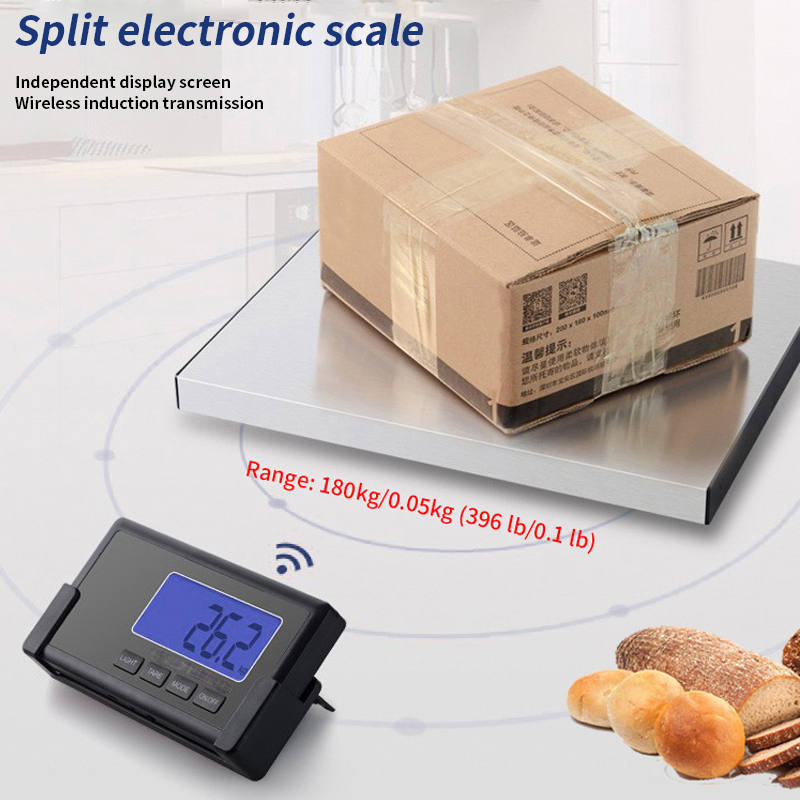
In the world of logistics and shipping, accuracy and efficiency are paramount. For businesses and individuals dealing with large packages or pallets, a reliable wireless shipping scale is an indispensable tool. One of the most critical questions that arises when selecting such a scale is: "What's the maximum weight capacity of a reliable wireless shipping scale suitable for shipping large packages or pallets?"
What's the Maximum Weight Capacity of a Reliable Wireless Shipping Scale Suitable for Shipping Large Packages or Pallets?
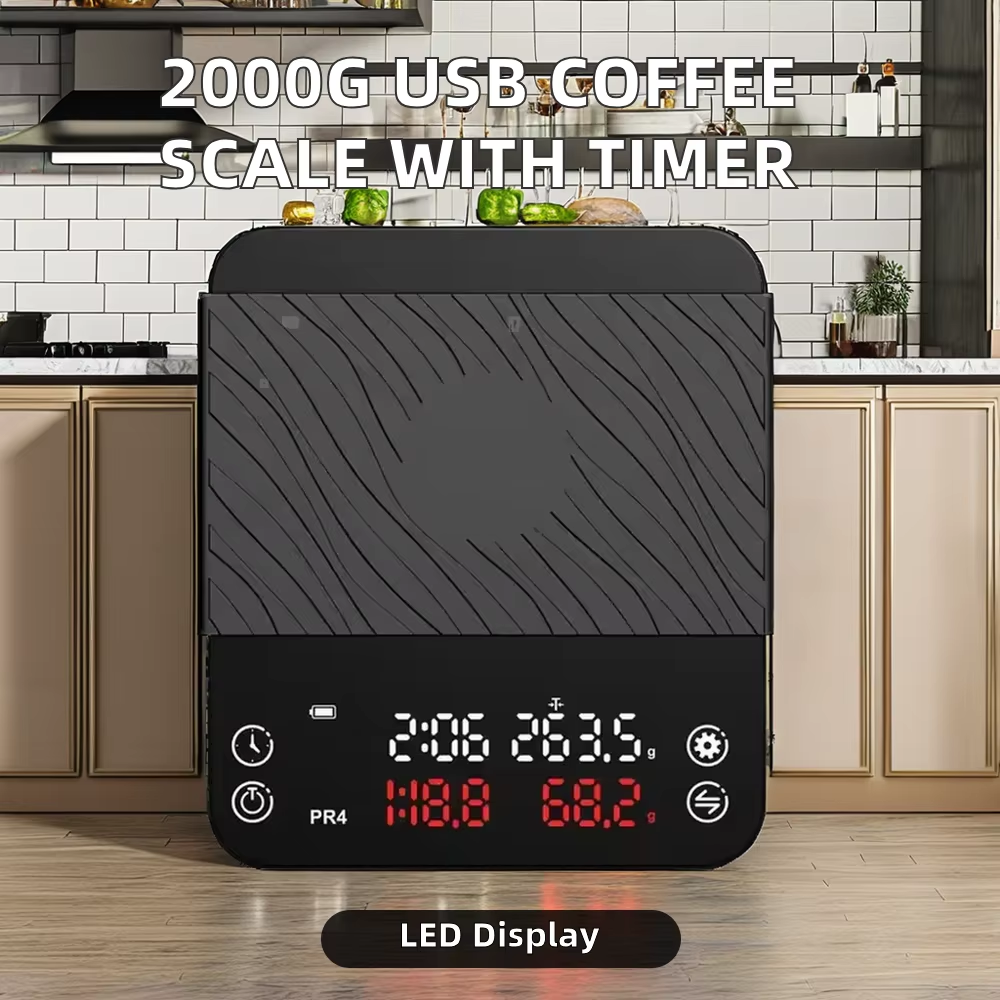
For coffee enthusiasts and baristas, the espresso scale is an indispensable tool. It ensures that each shot adheres to the precise coffee-to-water ratios that define a balanced, flavorful espresso. Among the key considerations when choosing an espresso scale is its weight capacity—the maximum weight it can accurately measure.
What's the Ideal Weight Capacity for an Espresso Scale Considering the Typical Amounts of Coffee and Water Used in a Shot?

The spoon scale has become a popular tool in home kitchens, beloved for its convenience in measuring small amounts of ingredients, especially spices, baking powders, and other seasonings. However, many users encounter a frustrating issue: their spoon scale gives inconsistent readings for the same ingredient.
My Spoon Scale Seems to Give Inconsistent Readings for the Same Ingredient. What Could Be the Problem and How Can I Fix It?

In the intricate world of jewelry, precision in weighing is of utmost importance. Whether it's determining the value of a rare gemstone, ensuring the correct amount of precious metal in a piece, or verifying the authenticity of a jewelry item, the right mini jewelry scale can make all the difference.
What's the Most Accurate Mini Jewelry Scale for Weighing Tiny Gemstones and Can It Measure Down to Milligrams?