
Are There Specific Cleaning Products I Should Use or Avoid When Cleaning My Bowl Scale to Prevent Damage to the Scale's Components?
2025-07-19

Table of Contents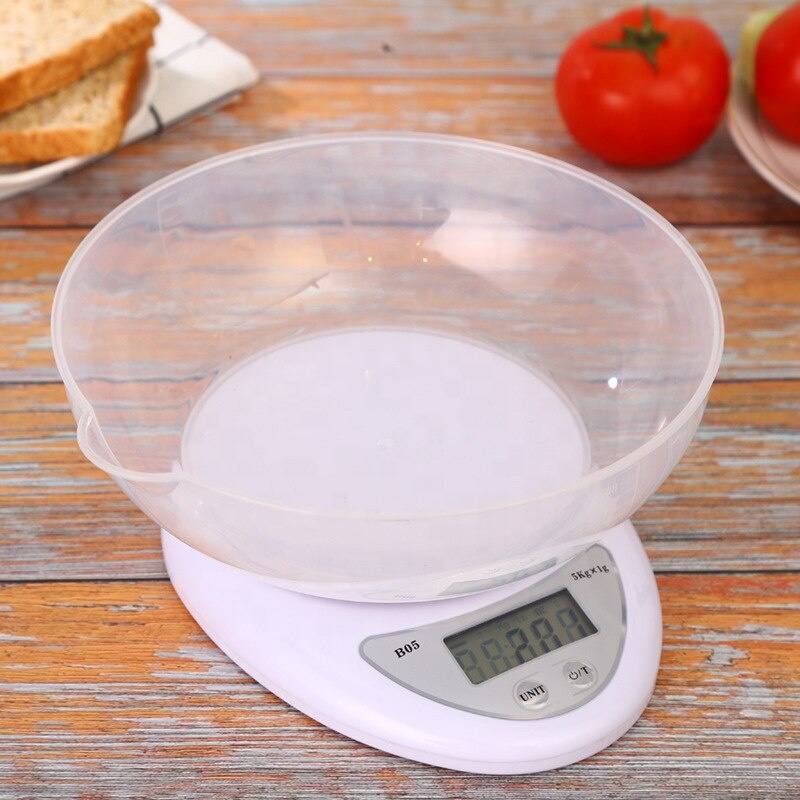
- Introduction: The Importance of Proper Cleaning for Your Scale Bowl
- Recommended Cleaning Products for Scale with Bowl Maintenance
- Cleaning Products to Avoid: Harmful Substances for Bowling Scale Components
- Step-by-Step Guide to Safely Cleaning Your Food Scale with Bowl
- Common Kitchen Bowl Scales Models: Key Parameters and Cleaning Notes
- How to Ensure Precision After Cleaning: Tips for Accurate Measurements
- Expert Insights: Why Cleaning Practices Impact Kitchen Scale with Bowl Longevity
- Frequently Asked Questions (FAQs) About Kitchen Bowl Scale Cleaning
- Related Resources: Previous Coverage on Best Kitchen Scale with Bowl Care
Introduction: The Importance of Proper Cleaning for Your Digital Kitchen Scales with Bowl
An electronic kitchen scales with bowl is a kitchen essential, relied on for precise measurements in baking, cooking, and meal prep. Whether you’re weighing flour for bread, spices for a sauce, or small portions for meal planning, accuracy is critical. However, frequent use exposes the scale to crumbs, spills, and sticky residues—all of which can compromise its functionality over time.
Proper cleaning isn’t just about hygiene; it’s about preserving the scale’s sensors, display, and structural integrity. Using the wrong products can corrode metal components, damage digital screens, or disrupt calibration, leading to inaccurate readings. Conversely, the right cleaning routine ensures your food scale bowl remains reliable for years.
In this guide, we’ll break down which cleaning products to use, which to avoid, and how to clean your scale effectively—all while keeping precision intact.

Recommended Cleaning Products for Best Food Scale with Bowl Maintenance
When choosing cleaners for your digital food scale with bowl, prioritize gentleness, non-abrasiveness, and compatibility with common scale materials (plastic, stainless steel, glass, and electronic components). Here are the best options:
1. Mild Dish Soap and Warm Water
- Why it works: A few drops of mild dish soap (e.g., Dawn, Seventh Generation) mixed with warm water creates a gentle solution that cuts through grease and food residues without damaging surfaces.
- Best for: Plastic or stainless steel weighing platforms, detachable bowls, and non-electronic parts.
- How to use: Dip a soft cloth or sponge in the solution, wring out excess water, and wipe down surfaces. Avoid soaking the scale—moisture is the enemy of electronics.
2. Isopropyl Alcohol (70% Concentration)
- Why it works: Isopropyl alcohol disinfects and evaporates quickly, making it safe for electronic components like digital displays and sensor areas. It dissolves oils and sticky residues without leaving streaks.
- Best for: Cleaning digital screens, buttons, and hard-to-reach crevices around the weighing platform.
- How to use: Apply a small amount to a microfiber cloth (never spray directly on the scale) and gently wipe the surface. Let it air-dry completely before use.
3. White Vinegar (Diluted)
- Why it works: Diluted white vinegar (1 part vinegar to 3 parts water) is a natural degreaser and mild disinfectant, ideal for households preferring chemical-free options.
- Best for: Removing mineral deposits (e.g., from spilled liquids) on stainless steel or glass surfaces.
- How to use: Apply the solution with a cloth, wipe gently, and rinse with a damp cloth to remove vinegar odors.
4. Microfiber Cloths
- Why they work: Soft, lint-free microfiber cloths trap dirt and residues without scratching delicate surfaces (e.g., glass displays or plastic bowls).
- Best for: All surfaces—use dry for dusting, or dampened with soap/water or alcohol for deeper cleaning.
5. Cotton Swabs
- Why they work: Cotton swabs (e.g., Q-tips) are perfect for cleaning tight spaces, such as around buttons, sensor edges, or seams where crumbs accumulate.
- Best for: Precision cleaning in hard-to-reach areas.
- How to use: Dampen the tip with alcohol or soapy water (avoid over-saturating) and gently wipe away debris.

Cleaning Products to Avoid: Harmful Substances for Large Scale with Bowl Components
Certain cleaners are too harsh for digital bowl scale materials, especially electronic parts. Avoid these at all costs:
1. Abrasive Cleaners (Scrubbing Powders, Steel Wool)
- Risk: Products like Comet, Brillo pads, or steel wool scratch plastic, glass, and stainless steel surfaces. Scratches can trap food residues, leading to bacterial growth, and may interfere with sensor accuracy.
2. Bleach and Chlorine-Based Cleaners
- Risk: Bleach (and products like Clorox wipes) is corrosive to metal components (e.g., springs, sensor wires) and can discolor plastic or rubber parts. It may also leave a toxic residue if not rinsed thoroughly.
3. Ammonia-Based Cleaners (Window Cleaners, Oven Sprays)
- Risk: Ammonia (found in Windex or oven cleaners) can degrade plastic over time, causing it to become brittle or discolored. It also damages electronic circuits if it seeps into the scale’s interior.
4. Heavy-Duty Degreasers (Industrial-Strength Sprays)
- Risk: Products like Goo Gone or industrial degreasers contain strong solvents that can dissolve adhesives holding the scale together, or strip protective coatings from displays.
5. Excess Water or Submersion
- Risk: Even water-resistant scales are not fully waterproof. Submerging the scale or using excessive water can short-circuit electronics, rust metal parts, or damage calibration sensors.

Step-by-Step Guide to Safely Cleaning Your Round Bowl Scale
Follow these steps to clean your food scale for kitchen with bowl without compromising its performance:
-
Power Off and Unplug (If Applicable)
- For electric or rechargeable scales, turn off the device and unplug it (if corded) to avoid electrical hazards.
-
Remove Loose Debris
- Use a dry microfiber cloth or soft brush to wipe away crumbs, dust, or loose particles from the weighing platform, buttons, and display.
-
Clean Detachable Parts Separately
- If your scale has a removable bowl, wash it with mild dish soap and warm water (avoid the dishwasher unless the manufacturer specifies it’s safe). Dry thoroughly before reattaching.
-
Treat Stains or Sticky Residues
- For dried-on food: Dampen a cloth with soapy water, place it on the stain for 30 seconds to loosen, then wipe gently.
- For grease: Use a cloth with 70% isopropyl alcohol to dissolve the residue.
-
Disinfect High-Touch Areas
- Wipe buttons and the display with an alcohol-dampened cloth to kill bacteria. Ensure no liquid seeps into crevices.
-
Dry Completely
- Let all parts air-dry for 10–15 minutes. Avoid using a hairdryer, as heat can damage electronics.
-
Reassemble and Test
- Reattach the bowl (if applicable), plug in or power on the scale, and test with a known weight (e.g., a 100g coin) to confirm accuracy.
Common Bowl Scale Models: Key Parameters and Cleaning Notes
To help you tailor your cleaning routine, here’s a table of popular stainless bowl scale models, their key specs, and manufacturer-recommended cleaning tips:
| Model | Brand | Weight Capacity | Accuracy | Material (Platform/Bowl) | Cleaning Recommendations (Per Manufacturer) |
|---|---|---|---|---|---|
| OXO Good Grips 11-Pound Food Scale with Bowl | OXO | Up to 11 lbs | ±0.1 oz (≤2.2 lbs); ±0.5 oz (>2.2 lbs) | Stainless steel platform, BPA-free plastic bowl | Bowl is dishwasher-safe (top rack); wipe platform with damp cloth and mild soap. Avoid submerging base. |
| KitchenAid KSM156ER Digital Scale with Bowl | KitchenAid | Up to 11 lbs | ±0.1 oz | Glass platform, stainless steel bowl | Bowl is dishwasher-safe; clean glass platform with glass cleaner (avoid ammonia-based products). |
| Etekcity Food Scale with Bowl | Etekcity | Up to 22 lbs | ±0.1 oz | Plastic platform, BPA-free plastic bowl | Do not immerse in water; wipe with damp cloth. Bowl is hand-wash only. |
| Taylor Precision Products Digital Bowl Scale | Taylor | Up to 5 lbs | ±0.01 oz | Stainless steel platform and bowl | Bowl is dishwasher-safe; wipe base with soapy water. Avoid alcohol on plastic parts. |
| GreaterGoods Nourish Digital Kitchen Scale | GreaterGoods | Up to 11 lbs | ±0.1 oz | Plastic platform, detachable plastic bowl | Bowl: hand-wash with mild soap; platform: wipe with dry cloth. Do not use cleaners on digital display. |
How to Ensure Precision After Cleaning: Tips for Accurate Measurements

Cleaning is only effective if it doesn’t disrupt your food bowl with scales’s accuracy. Follow these steps to maintain precision:
- Calibrate Periodically: After cleaning, check calibration with a known weight (e.g., a 500g bag of flour). Most digital scales have a calibration function—consult your manual for instructions.
- Avoid Pressure on Sensors: When wiping the weighing platform, apply light pressure. Excessive force can damage internal sensors.
- Check for Moisture: Ensure all parts are fully dry before use. Even small amounts of water can add extra weight to readings.
- Place on a Flat Surface: After cleaning, return the scale to a level, stable surface (e.g., a kitchen counter) to prevent skewed measurements.
Expert Insights: Why Cleaning Practices Impact Scale Stainless Steel Bowl Longevity
We spoke with two experts to understand how cleaning affects electronic bowl kitchen scale performance:
Interview with Sarah Johnson, Product Designer at OXO
“The biggest enemy of kitchen scales is moisture and abrasive damage. Sensors are calibrated to detect tiny weight changes, so even a scratch on the platform can create uneven pressure points, leading to inaccuracies. Using mild soap and avoiding submersion is key—our OXO scales are designed to withstand occasional splatters, but intentional soaking will ruin the electronics.”
Interview with Dr. Michael Chen, Materials Scientist
“Plastics in cheaper scales are prone to chemical degradation. Ammonia or bleach breaks down the polymer chains in plastic, making it brittle over time. For stainless steel components, chlorine-based cleaners can cause pitting, which traps food and eventually corrodes the metal. Stick to alcohol or soapy water—they’re effective and safe.”

Frequently Asked Questions (FAQs) About Digital Bowl Scale Cleaning
Q1: Can I use disinfecting wipes (e.g., Lysol) on my food kitchen scale with transparent bowl?
A: It’s not recommended. Most disinfecting wipes contain bleach or ammonia, which can damage plastic and electronic parts. Opt for alcohol-based wipes (70% isopropyl) instead, and avoid contact with the display.
Q2: My scale’s display is smudged—what’s the best way to clean it?
A: Use a microfiber cloth dampened with a small amount of water or 70% alcohol. Wipe gently in a circular motion to avoid scratching. Never spray liquid directly on the display.
Q3: How often should I clean my food scales with bowl?
A: Clean it after every use if you’re weighing messy ingredients (e.g., oil, honey). For dry ingredients (flour, sugar), a weekly wipe-down is sufficient.
Q4: The bowl of my scale has a stubborn stain—can I use baking soda?
A: Baking soda is slightly abrasive and may scratch plastic or glass bowls. Instead, soak the bowl in warm soapy water for 10 minutes, then scrub gently with a soft sponge.
Q5: Is it safe to use the dishwasher for my scale’s detachable bowl?
A: Check the manufacturer’s instructions. Some stainless steel or heat-resistant plastic bowls are dishwasher-safe (top rack only), but others may warp. When in doubt, hand-wash.
Related Resources: Previous Coverage on Food Bowl with Scales Care
For more tips on maintaining your scale weighing 5kg with bowl, check out our earlier guide: “How do I set up and use the kitchen scale with a bowl?”. In that article, we explain how regular calibration—paired with proper cleaning—ensures consistent accuracy.
Proper cleaning is the cornerstone of bowl scale longevity. By choosing gentle products, avoiding harsh chemicals, and following a consistent routine, you’ll keep your scale accurate, hygienic, and ready for every recipe. Remember: a little care goes a long way in preserving precision.
What Factors Can Affect the Accuracy of a Coffee Scale?
What is the Typical Weight Capacity of an Infant Scale? Will it be able to Accommodate my Baby as They Grow in the First Year?
Related Article
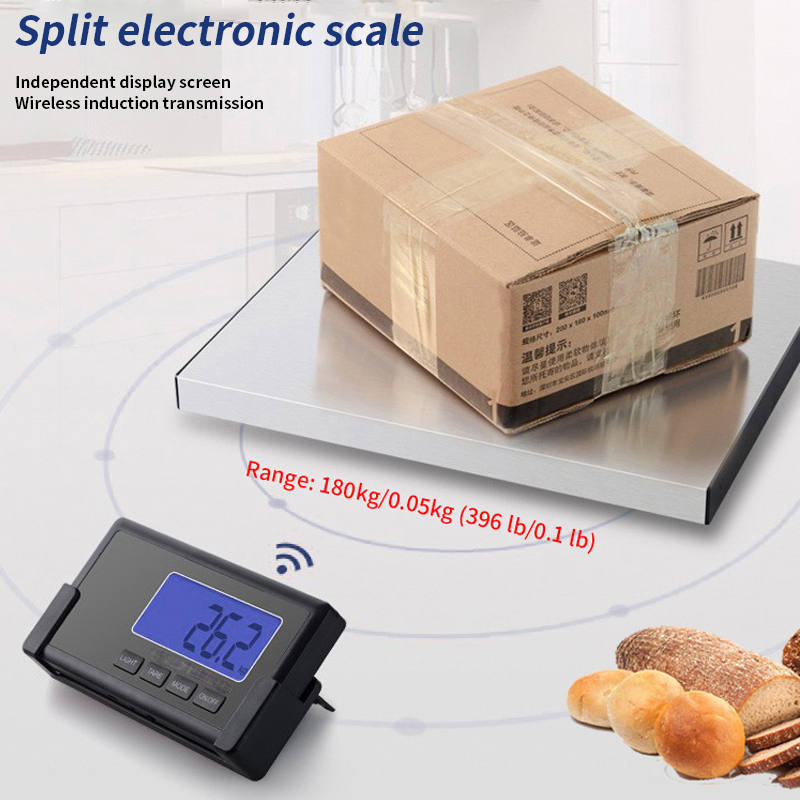
In the world of logistics and shipping, accuracy and efficiency are paramount. For businesses and individuals dealing with large packages or pallets, a reliable wireless shipping scale is an indispensable tool. One of the most critical questions that arises when selecting such a scale is: "What's the maximum weight capacity of a reliable wireless shipping scale suitable for shipping large packages or pallets?"
What's the Maximum Weight Capacity of a Reliable Wireless Shipping Scale Suitable for Shipping Large Packages or Pallets?
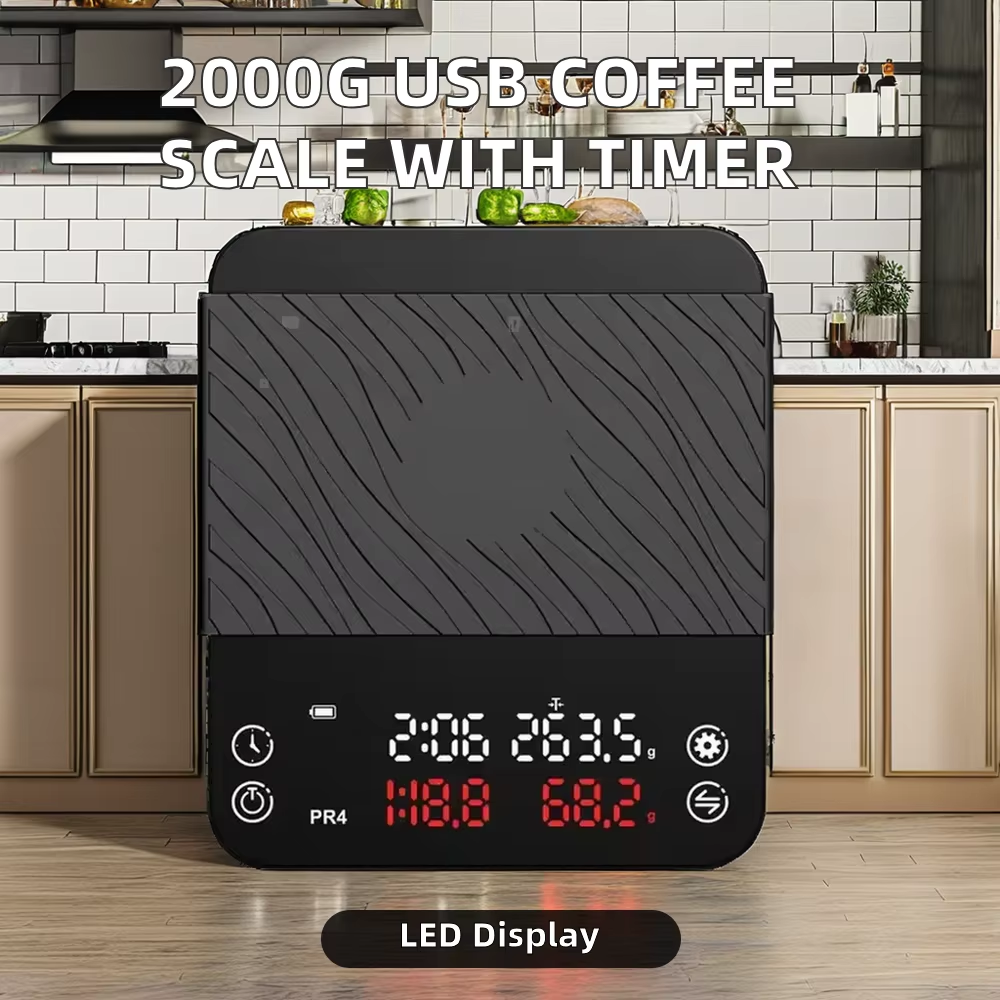
For coffee enthusiasts and baristas, the espresso scale is an indispensable tool. It ensures that each shot adheres to the precise coffee-to-water ratios that define a balanced, flavorful espresso. Among the key considerations when choosing an espresso scale is its weight capacity—the maximum weight it can accurately measure.
What's the Ideal Weight Capacity for an Espresso Scale Considering the Typical Amounts of Coffee and Water Used in a Shot?

The spoon scale has become a popular tool in home kitchens, beloved for its convenience in measuring small amounts of ingredients, especially spices, baking powders, and other seasonings. However, many users encounter a frustrating issue: their spoon scale gives inconsistent readings for the same ingredient.
My Spoon Scale Seems to Give Inconsistent Readings for the Same Ingredient. What Could Be the Problem and How Can I Fix It?

In the intricate world of jewelry, precision in weighing is of utmost importance. Whether it's determining the value of a rare gemstone, ensuring the correct amount of precious metal in a piece, or verifying the authenticity of a jewelry item, the right mini jewelry scale can make all the difference.
What's the Most Accurate Mini Jewelry Scale for Weighing Tiny Gemstones and Can It Measure Down to Milligrams?