
What is the Typical Weight Capacity of an Infant Scale? Will it be able to Accommodate my Baby as They Grow in the First Year?
2025-07-18

Table of Contents
- 1. Introduction: Why Infant Scale Capacity Matters for First-Year Growth
- 2. Typical Weight Capacity of Infant Scales: Home vs. Professional Models
- 3. Infant Weight Growth in the First Year: How Much Do Babies Grow?
- 4. Will a Standard Infant Scale Accommodate a Baby’s First-Year Growth?
- 5. Key Parameters of Popular Infant Scales: A Comparative Table
- 6. How to Achieve Accurate Measurements with an Infant Scale
- 7. Expert Insights: Pediatricians on Infant Scale Capacity and Growth Tracking
- 8. Frequently Asked Questions (FAQ)
- 9. Referencing Our Previous Coverage on Infant Scales
1. Introduction: Why Infant Scale Capacity Matters for First-Year Growth
For new parents, tracking a baby’s weight is a cornerstone of monitoring health and development—especially in the first year, when infants grow at a rapid pace. An infant weighing scale is not just a tool for occasional weigh-ins; it’s a critical device for detecting growth delays, ensuring proper nutrition, and confirming milestones with healthcare providers.
But a common concern lingers: What is the typical weight capacity of these scales, and will they last through the first year?
This guide dives into the technical specifications of digital infant scale, aligns them with average infant growth patterns, and provides actionable advice to help parents choose a scale that grows with their baby. We’ll also explore how to measure accurately, expert perspectives, and address common questions—all while referencing our earlier analysis of infant weighing scale high quality functionality.

2. Typical Weight Capacity of Infant Scales: Home vs. Professional Models
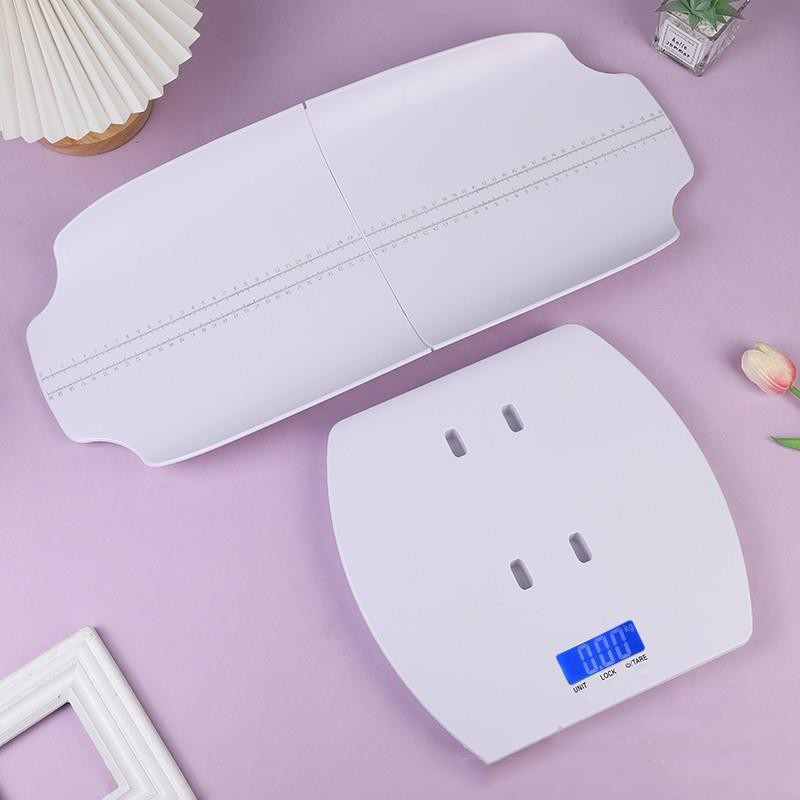
Baby infant scale are designed with varying weight capacities to suit different settings, from home use to clinical environments. Understanding these ranges is key to selecting a scale that fits your needs.
2.1 Home-Use Infant Scales
Most consumer-grade infant scale electronic for home use have a weight capacity ranging from 20 to 44 pounds (9 to 20 kilograms). This range is intentionally broad to accommodate not just newborns but also toddlers up to 2–3 years old, though their primary focus remains on the first 12–18 months.
Key features of home scales often include:
- A curved or contoured tray to keep babies secure.
- Precision measurements (typically ±0.1 ounces or ±1 gram) for tracking small changes.
- Portability, with many models weighing less than 5 pounds for easy storage.
2.2 Professional/Clinical Infant Scales
Pediatric clinics, hospitals, and neonatal units require scales with higher precision and durability. These professional infant weight scale often have a capacity of 33 to 55 pounds (15 to 25 kilograms).
Why the higher range? Clinical settings need to weigh not just infants but also larger toddlers during check-ups. They also include advanced features like:
- Tare functions to subtract the weight of blankets or clothing.
- Integration with electronic health records (EHR) for seamless data logging.
- Reinforced trays to withstand frequent use.
2.3 Specialized Scales for Premature Infants
For premature or low-birth-weight babies, specialized infant baby scale (often called “neonatal scales”) have lower maximum capacities—usually up to 11 pounds (5 kilograms)—but with ultra-high precision (±0.03 ounces or ±1 gram). These scales prioritize tracking tiny increments in weight, critical for premature infants’ development.

3. Infant Weight Growth in the First Year: How Much Do Babies Grow?
To determine if a weighing scale infant can accommodate a baby’s first year, we must first understand typical weight gain patterns. The World Health Organization (WHO) and Centers for Disease Control and Prevention (CDC) provide growth charts that outline average weight ranges by age.
3.1 Average Weight Milestones (Birth to 12 Months)
|
Age
|
Average Weight (Male)
|
Average Weight (Female)
|
|
Birth
|
7.5 pounds (3.4 kg)
|
7.0 pounds (3.2 kg)
|
|
1 month
|
9.9 pounds (4.5 kg)
|
9.2 pounds (4.2 kg)
|
|
3 months
|
14.1 pounds (6.4 kg)
|
13.2 pounds (6.0 kg)
|
|
6 months
|
17.2 pounds (7.8 kg)
|
16.0 pounds (7.3 kg)
|
|
9 months
|
19.8 pounds (9.0 kg)
|
18.3 pounds (8.3 kg)
|
|
12 months
|
21.6 pounds (9.8 kg)
|
20.1 pounds (9.1 kg)
|
Source: CDC Growth Charts, 2020
3.2 Key Observations
- By 12 months, the average baby weighs 20–22 pounds—well within the 20–44 pound capacity of most home infant weighing scale electronic.
- Even larger infants (90th percentile for weight) typically reach 24–26 pounds by 12 months, still under the upper limit of home scales.
- Premature babies, who may start as small as 2–3 pounds, will gradually catch up, but their growth remains within standard scale ranges by 6–9 months.
4. Will a Standard Infant Scale Accommodate a Baby’s First-Year Growth?
The short answer: Yes, for nearly all infants.
As shown in Section 3, the average 12-month-old weighs ~21 pounds, which is well below the 20–44 pound capacity of home baby infant weight scale. Even babies in the 95th percentile for weight (e.g., 27 pounds at 12 months) will fit within most home scales’ limits.
4.1 Exceptions to Consider
- Special Needs Infants: Babies with medical conditions that cause accelerated weight gain (e.g., certain hormonal disorders) may exceed 44 pounds by 12 months, though this is rare. In such cases, a professional-grade scale with a 55-pound capacity is advisable.
- Extended Use Beyond 1 Year: If you plan to use the scale for toddlers beyond 18 months, opt for a model with a 44+ pound capacity to avoid outgrowing it prematurely.
5. Key Parameters of Popular Infant Scales: A Comparative Table
To help you choose, here’s a comparison of top-rated infant digital baby scale for home and professional use, focusing on weight capacity and key features:
|
Brand
|
Model
|
Weight Capacity
|
Precision
|
Special Features
|
Price Range
|
|
Ozeri
|
All-in-One Baby Scale
|
44 lbs (20 kg)
|
±0.1 oz (±1 g)
|
Tare function, conversion between lbs/kg
|
\(40–\)60
|
|
Health o meter
|
Digital Baby Scale
|
33 lbs (15 kg)
|
±0.5 oz (±10 g)
|
Hold function for wiggly babies
|
\(30–\)50
|
|
Medela
|
Baby Weigh Scale
|
22 lbs (10 kg)
|
±0.1 oz (±1 g)
|
Designed for breastfeeding tracking (pre/post-feeding)
|
\(150–\)200
|
|
Seca
|
354 Digital Infant Scale (Professional)
|
55 lbs (25 kg)
|
±0.05 oz (±0.5 g)
|
Wireless data transfer, stainless steel tray
|
\(300–\)500
|
|
Smart Weigh
|
Baby and Toddler Scale
|
44 lbs (20 kg)
|
±0.1 oz (±1 g)
|
LCD backlit display, auto-off function
|
\(35–\)50
|
Note: Prices reflect 2024 averages and may vary by retailer.

6. How to Achieve Accurate Measurements with a Baby Scale Weight
Even with the right capacity, accurate weigh-ins depend on proper use. Follow these steps to ensure precision:
6.1 Pre-Measurement Preparation
- Calibrate the Scale: Most infant lcd disply scale come pre-calibrated, but check monthly using a known weight (e.g., a 10-pound bag of rice). Refer to the user manual for calibration instructions.
- Choose a Stable Surface: Place the scale on a flat, hard floor (avoid carpets or uneven surfaces) to prevent tipping or inaccurate readings.
- Minimize Interference: Turn off fans or air vents to avoid air currents, which can affect digital sensors.
6.2 During the Weigh-In
- Use the Tare Function: If weighing the baby with a blanket or diaper, first place the items on the scale, press “tare” to zero it out, then add the baby. This ensures only the baby’s weight is measured.
- Keep the Baby Still: For active babies, weigh them during calm moments (e.g., after a feeding or nap). Some scales have a “hold” function to lock the reading if the baby moves.
- Consistency is Key: Weigh the baby at the same time daily (e.g., morning, before feeding) to account for natural weight fluctuations (e.g., full vs. empty stomach).
7. Expert Insights: Pediatricians on Scale for Baby Capacity and Growth Tracking
We spoke with Dr. Sarah Lopez, a pediatrician at Boston Children’s Hospital, to gain clinical perspectives on scale infant use.
7.1 Dr. Lopez’s Key Takeaways
- “The average home infant scale with a 20–44 pound capacity is more than sufficient for the first year. I rarely see babies exceed 30 pounds by 12 months, even in the 99th percentile.”
- “Precision matters more than maximum capacity for early growth tracking. A scale that measures in 0.1-ounce increments helps detect subtle changes, which is critical for newborns and preemies.”
- “Parents should prioritize a scale with a secure tray. A wiggly baby is more likely to cause inaccurate readings than a scale’s weight limit.”
Dr. Lopez also emphasized that while home scales are useful for monitoring trends, clinical weigh-ins at pediatric visits remain essential for official growth charts.

8. Frequently Asked Questions (FAQ)
Q1: What happens if my baby exceeds the electronic baby scale’s weight capacity?
A1: Most scales will display an error message (e.g., “ERR” or “OVERLOAD”) to indicate overcapacity. Continuing to use the scale beyond its limit can damage internal sensors, leading to permanent inaccuracies.
Q2: Can I use a regular bathroom scale to weigh my baby?
A2: Not recommended. Bathroom scales lack the precision (±0.1 oz) needed for infants and can’t account for the baby’s movement. A dedicated baby scale is designed to handle small, wiggly subjects.
Q3: How often should I replace my best baby weight scale?
A3: With proper care, a quality best baby scale can last 3–5 years. Replace it if readings become inconsistent, the tray cracks, or it fails calibration checks.
Q4: Are smart baby weighing scale (connected to apps) more accurate?
A4: Smart scales offer convenience (e.g., tracking growth trends via app) but are no more accurate than non-smart models. Their weight capacity and precision are comparable to traditional scales.
Q5: My preemie weighs 3 pounds. Will a standard baby weight scale work?
A5: Yes. Most home scales measure down to 0.1 ounces, making them suitable for preemies. For ultra-low-birth-weight babies (<2 pounds), a neonatal scale with ±0.05 oz precision is better, but these are typically found in clinics.

9. Referencing Our Previous Coverage on Digital Baby Scale
In our earlier article, “How Do I Choose the Right Infant Scale for My Needs?”, we explored calibration techniques and common mistakes that affect readings—key topics that complement the capacity discussion here. For example, even a high-capacity scale will fail to track growth if not calibrated regularly.
Conclusion
A standard best baby weight scales with a 20–44 pound capacity is more than capable of accommodating a baby’s growth in the first year, aligning with average weight gains of 20–22 pounds by 12 months. By prioritizing precision, a secure design, and consistent measurement practices, parents can rely on these scales to monitor their baby’s health effectively.
For further guidance, consult your pediatrician to match your baby’s needs with the right baby scale digital features—and revisit our previous coverage for tips on maintaining accuracy long-term.
Are There Specific Cleaning Products I Should Use or Avoid When Cleaning My Bowl Scale to Prevent Damage to the Scale's Components?
How Should I Store My Postal Scale When Not in Use?
Related Article
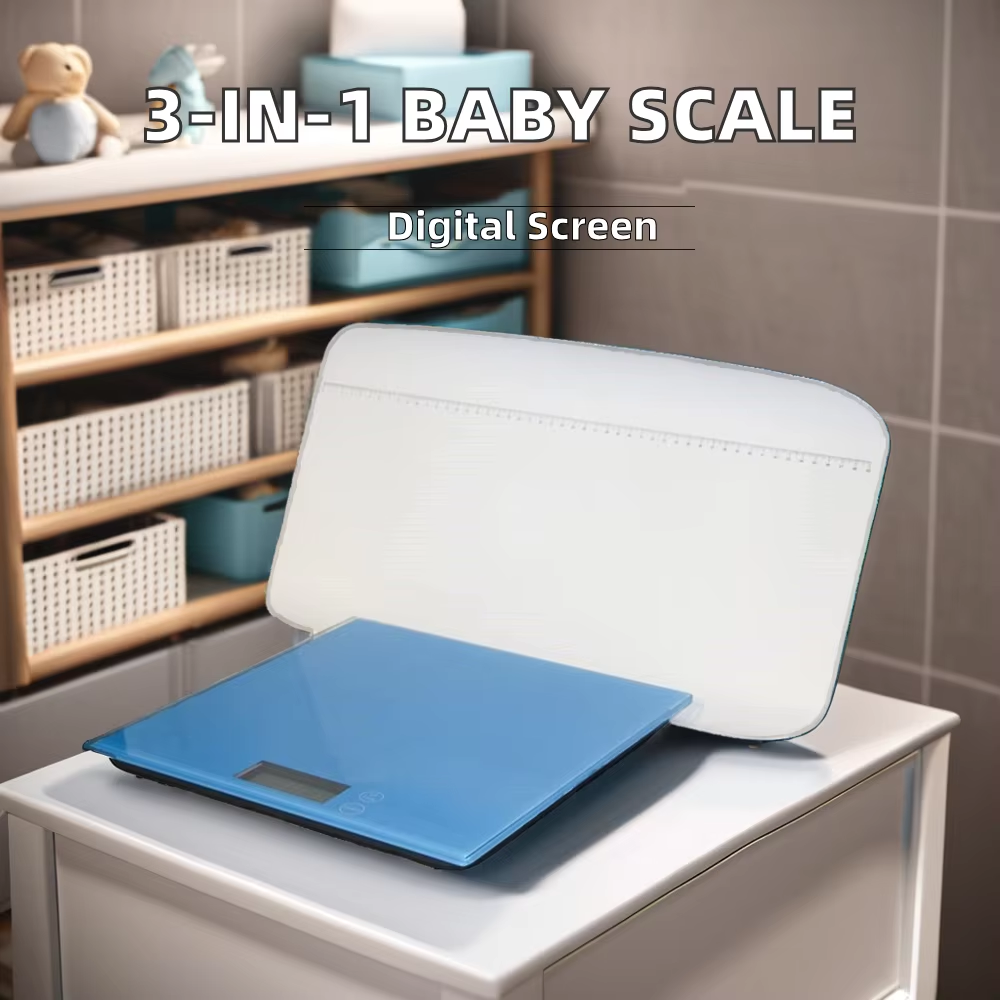
As a new parent, you may be concerned about your baby's growth and development. Regular weight checks are recommended by healthcare professionals to ensure that your baby is growing and developing at a healthy rate. While you can take your baby to a healthcare provider for regular check-ups, it's also possible to weigh your baby at home with a few simple tools. In this article, we'll discuss how to weigh your baby at home and why it's important to track your baby's weight.
How can I weigh my baby at home?
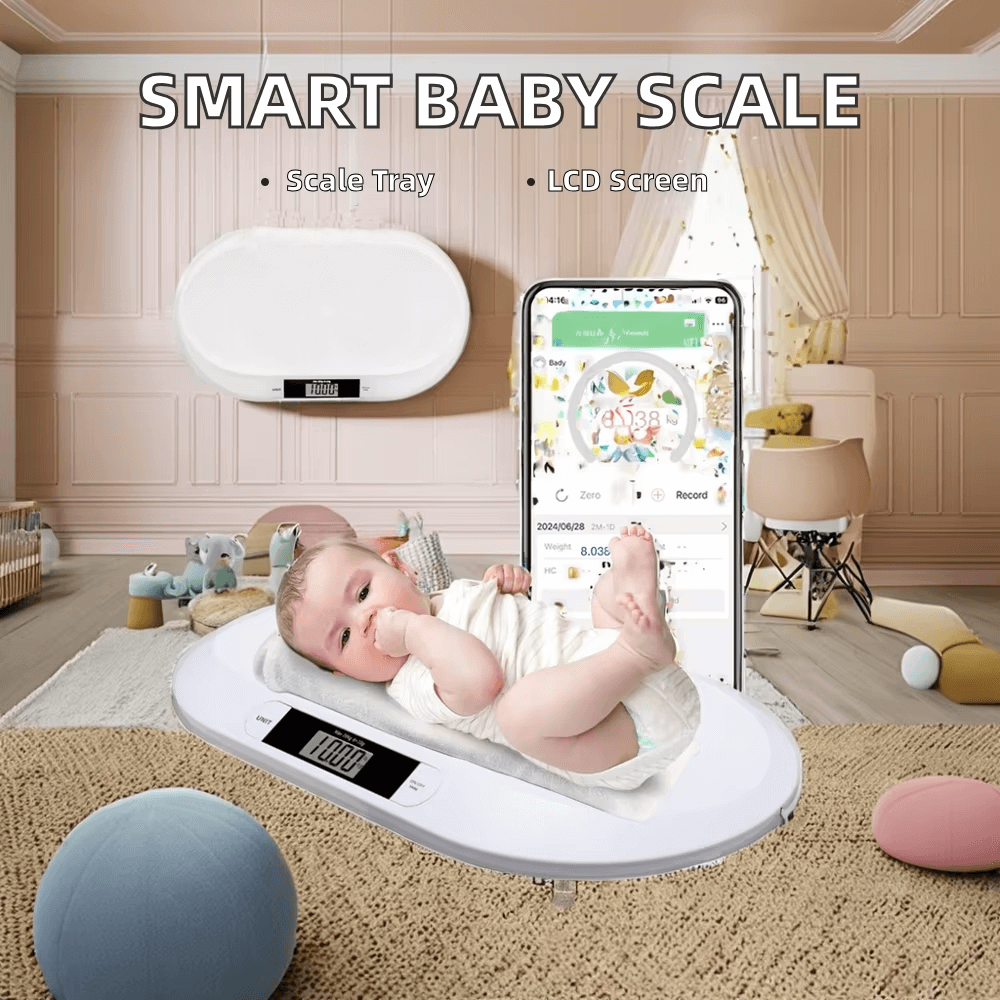
In the journey of parenting, monitoring an infant's growth is a crucial aspect. One of the primary tools for this is an infant scale. Accurate weight measurement not only gives parents an idea of their baby's overall health but also helps healthcare providers make informed decisions regarding the baby's development. This article will guide you through the proper way to use an infant scale, from choosing the right one to interpreting the readings.
How do I use an infant scale correctly?
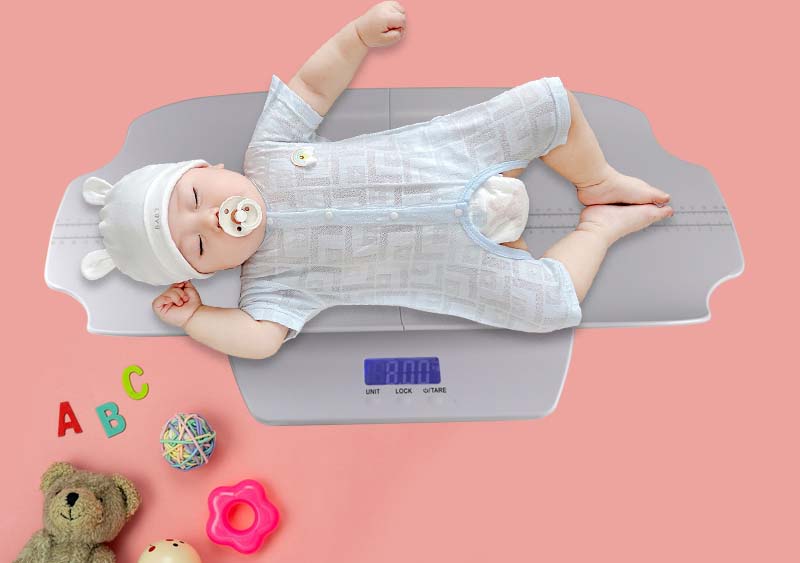
Monitoring a baby's growth is a crucial part of parenting, and an infant scale serves as an essential tool in this process. Whether you're a new parent eager to track your little one's development or a caregiver looking for a reliable way to measure a baby's weight, choosing the right infant scale is of utmost importance.
How Do I Choose the Right Infant Scale for My Needs?

A seca infant scale is a vital tool for tracking your baby’s growth, providing critical data for pediatricians and parents alike. However, proper cleaning and maintenance are often overlooked, despite their direct impact on hygiene, scale longevity, and measurement accuracy.
How Do I Clean and Maintain My Infant Scale?

Accurate weight tracking during infancy is critical for monitoring growth, detecting feeding issues, and ensuring timely medical interventions. Unlike adult body scales, specialized infant scales provide:
How to Choose the Best Infant Scale: A Detailed Guide for Parents and Caregivers
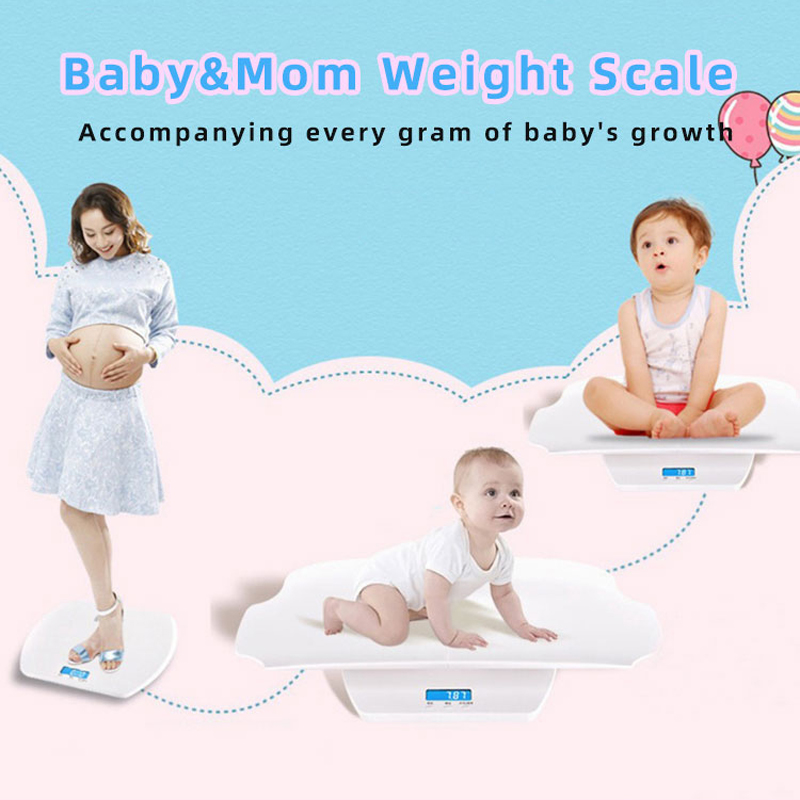
In the journey of parenthood, monitoring a baby's growth is of utmost importance. A reliable infant scale not only provides accurate weight measurements but also offers peace of mind to parents, ensuring that their little ones are growing healthily. However, with a plethora of options available in the market, choosing the best scale infant can be a daunting task. This comprehensive guide will walk you through the essential factors to consider when making this important purchase.
How to choose the best infant scale?