
How do I use an infant scale correctly?
2025-03-10
Understanding the Importance of Using an Infant Scale Correctly

An infant's weight is a key indicator of their growth and development. In the first few months of life, babies experience rapid growth, and any deviation from the normal growth curve can be a cause for concern. By using an infant scale correctly, parents can track their baby's weight gain accurately. This information is invaluable for pediatricians as they assess whether the baby is getting enough nutrition, developing normally, or if there might be underlying health issues. For example, if a baby is not gaining weight as expected, it could be a sign of feeding problems, a digestive disorder, or other health conditions that require medical attention.
Types of Infant Scales Available
Digital Infant Scales
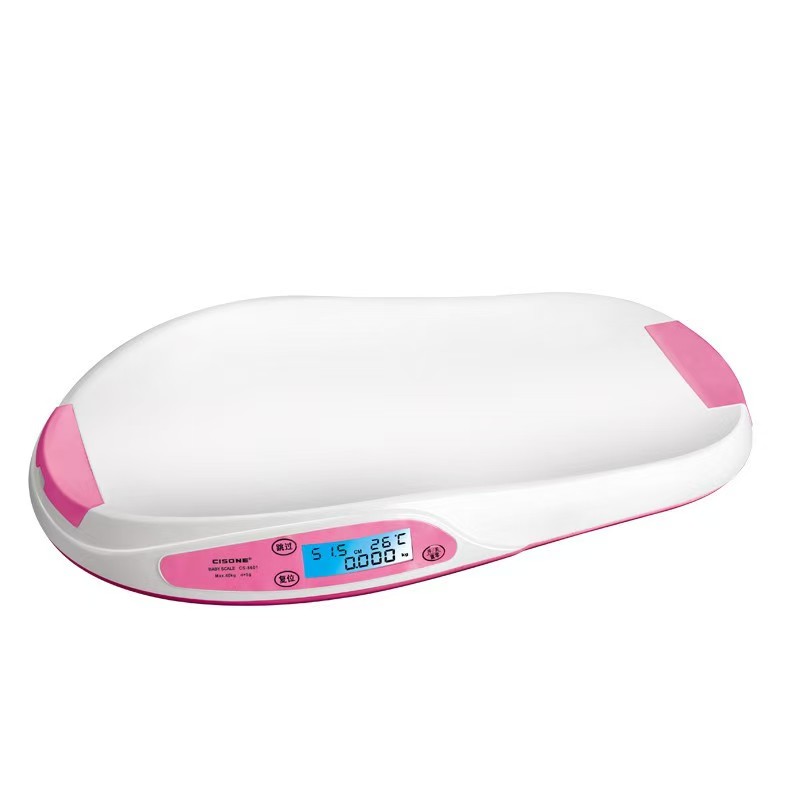
Digital infant scales are a popular choice among parents. They use advanced sensor technology to provide precise weight readings. These scale infant typically have a digital display that shows the weight in clear, easy - to - read numbers. Many infant development scale also come with additional features such as the ability to measure in different units (pounds, ounces, kilograms), a tare function to account for the weight of a blanket or diaper, and some even have memory functions to store previous weight readings. For instance, some models can store multiple readings for different babies in a household, making it convenient for families with more than one infant.
Mechanical Infant Scales
Mechanical infant scales, although less common today, still have their place. They work on a traditional weighing mechanism, often using springs or levers. These scales require manual calibration and reading of the weight on a dial. While they may not offer the same level of precision as digital scales in some cases, they are generally more durable and do not rely on batteries, which can be an advantage in certain situations. However, they might be a bit more challenging to read accurately, especially for those who are not used to interpreting analog dials.
 Smart Infant Scales
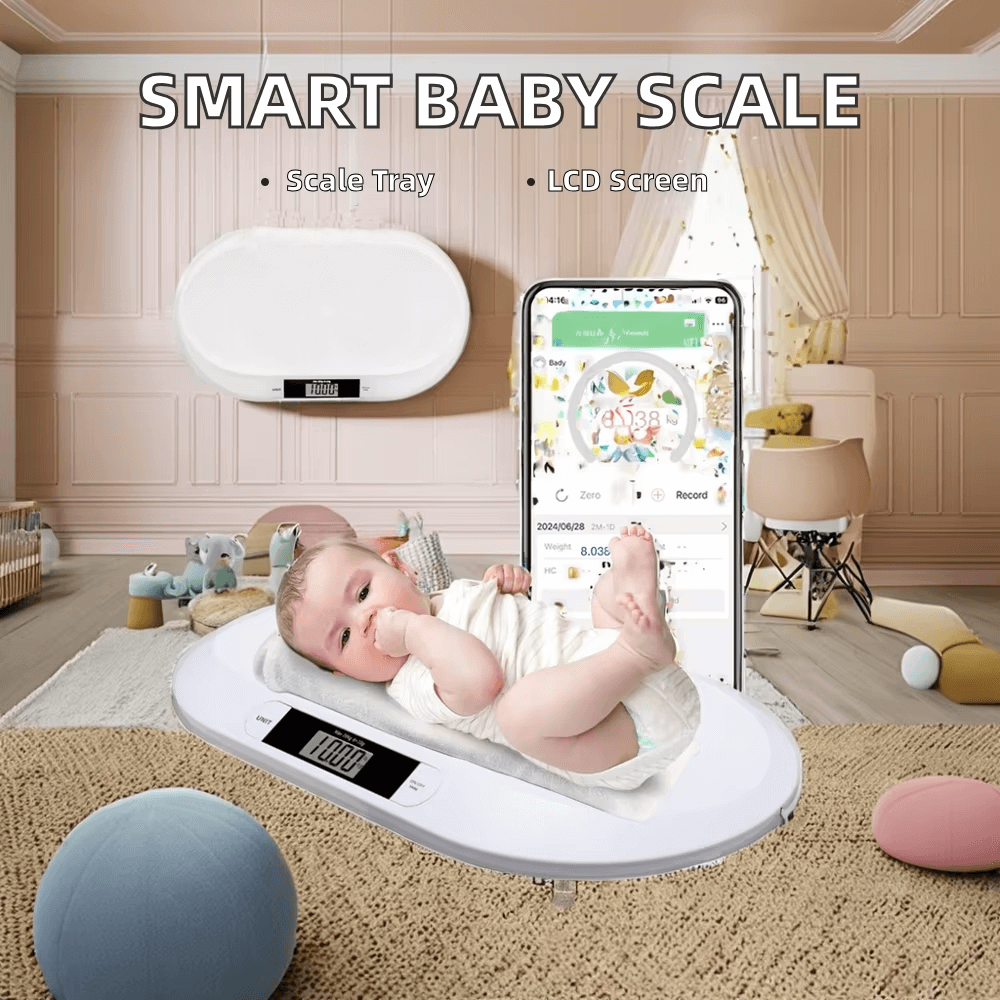
Smart baby scale are a relatively new addition to the market. They connect to a smartphone or other mobile devices via Bluetooth or Wi - Fi. This allows parents to not only get the weight reading but also track the baby's weight over time using dedicated apps. The apps can provide detailed graphs and reports, show how the baby's weight compares to growth charts, and even send alerts if there are significant changes in the baby's weight. Some smart hatch baby scale can also integrate with other health - tracking apps, giving parents a more comprehensive view of their baby's health.
Step - by - Step Guide to Using a Best Baby Scale
Preparation
-
Choose a Suitable Location
Select a flat, stable surface to place the baby scale near me. A hard floor, such as tile or hardwood, is ideal. Avoid placing the scale on a carpet, as the soft surface can cause the scale to wobble and give inaccurate readings. If using a table, ensure it is sturdy and not easily jostled. -
Check the Scale's Calibration
Before each use, it's crucial to check if the baby scale nearby is calibrated correctly. For baby scales, most have a calibration feature. Some scales will automatically calibrate when turned on, while others may require you to press a specific button. Mechanical scales usually need to be manually calibrated by adjusting a knob or screw until the scale reads zero when nothing is placed on it. If you are unsure how to calibrate your scale, refer to the manufacturer's instructions. Using an uncalibrated scale can lead to inaccurate weight measurements. -
Prepare the Baby
Make sure the baby is in a comfortable and calm state. If the baby is fussy or crying, it can be challenging to get an accurate reading. You can try soothing the baby by gently rocking, singing a lullaby, or offering a pacifier. Also, it's best to weigh the baby when they are relatively still, such as right after a diaper change or before a feeding.
Weighing the Baby
-
Remove Excess Clothing and Accessories
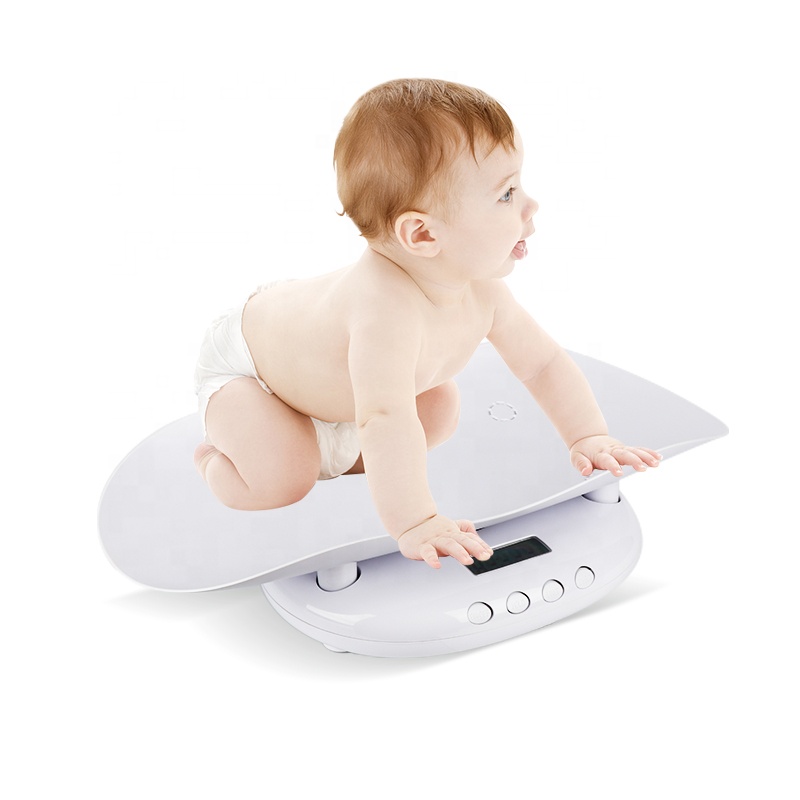 To get an accurate weight, remove the baby's outer clothing, including sweaters, jackets, and thick pants. A diaper can usually be left on, but if you want a more precise measurement, you can remove it as well. However, be aware that a wet diaper can add a small amount of weight. If you choose to leave the diaper on, try to use the same type of diaper each time you weigh the baby to maintain consistency. Also, take off any hats, socks, or shoes the baby may be wearing.
 -
Position the Baby on the Scale
For digital and mechanical baby weighing scale with a flat platform, place the baby gently on the scale. Ensure that the baby's entire body is on the platform and that they are lying straight. If the scale has a specific area or markings for positioning the baby, follow those instructions. For example, some scales may have a center - marked area to ensure proper weight distribution. If using a scale with a sling or hammock - like attachment (which is common for very young or premature babies), carefully place the baby in the sling, making sure it is securely fastened and the baby is well - supported. -
Stabilize the Baby (if necessary)
While the baby is on the scale, it's important to keep them safe. You can place a hand gently above the baby, without actually touching them, to prevent them from rolling or falling off the mommed baby scale. If the baby is very active and keeps moving around, it may be difficult to get a stable reading. In such cases, you may need to wait for the baby to calm down a bit or try distracting them with a soft toy or a gentle voice. -
Read the Weight
Once the baby is in position and relatively still, wait for a scale to weigh my baby to display a stable weight reading. On digital accurate baby weighing scales, this usually takes only a few seconds. The display will show the weight, and you should note it down immediately. For mechanical scales, you need to read the position of the pointer on the dial. Make sure to read it at eye - level to get an accurate reading.
After - weighing
-
Record the Weight
Write down the weight, along with the date and time of the measurement. You can use a notebook specifically for tracking the baby's growth, or you can use a mobile app. Recording the weight over time allows you to see the baby's growth trend and helps you and your pediatrician identify any potential issues. Some apps also allow you to add additional notes, such as how the baby was feeling or if there were any difficulties during the weighing process. -
Clean the Digital Baby Scale
After each use, it's a good idea to clean the scale. Wipe down the platform with a soft, damp cloth. If the baby had an accident on the scale or if there are any spills, make sure to clean it thoroughly to prevent the growth of bacteria. Avoid using harsh chemicals or abrasive cleaners, as they can damage the scale. For scales with removable parts, such as slings or trays, follow the manufacturer's instructions for cleaning and reassembling.
 Tips for Obtaining Accurate Readings

Weigh at the Same Time Each Day
An infant's weight can vary throughout the day due to factors such as feeding, digestion, and diaper changes. To get the most accurate comparison of weight over time, it's best to weigh the baby at the same time each day. Many parents find it convenient to weigh the baby first thing in the morning, after a diaper change and before the first feeding. This way, the conditions are relatively consistent each time.
Use the Same Best Baby Weight Scales
Different best baby weight scale may have slight differences in calibration and accuracy. To ensure that the weight measurements are comparable, always use the same scale to weigh your baby. If you need to use a different scale, for example, when visiting a relative's house or at the doctor's office, note that the readings may not be directly comparable to those from your home scale.
Take Multiple Readings (if necessary)
If the baby is fussy or moving a lot during the weighing process, you may not get an accurate reading on the first try. In such cases, you can try weighing the baby two or three times and take the average of the readings. This can help reduce any errors caused by the baby's movement. However, make sure to re - zero the scale between each weighing if it's a digital baby scale best buy or re - calibrate a mechanical scale if needed.
Common Mistakes to Avoid
Placing the Best Affordable Baby Scale on an Uneven Surface
As mentioned earlier, placing the best at home baby scale on an uneven surface can lead to inaccurate readings. Even a slight tilt can cause the scale to measure the weight incorrectly. Always double - check that the surface where you place the scale is level. If you're unsure, you can use a small level tool to verify.
Not Removing Excess Clothing or Accessories
The weight of a baby's clothing and accessories can add up and significantly affect the weight reading. For example, a thick winter coat can add several ounces to the baby's weight. Make sure to remove all unnecessary items before weighing the baby.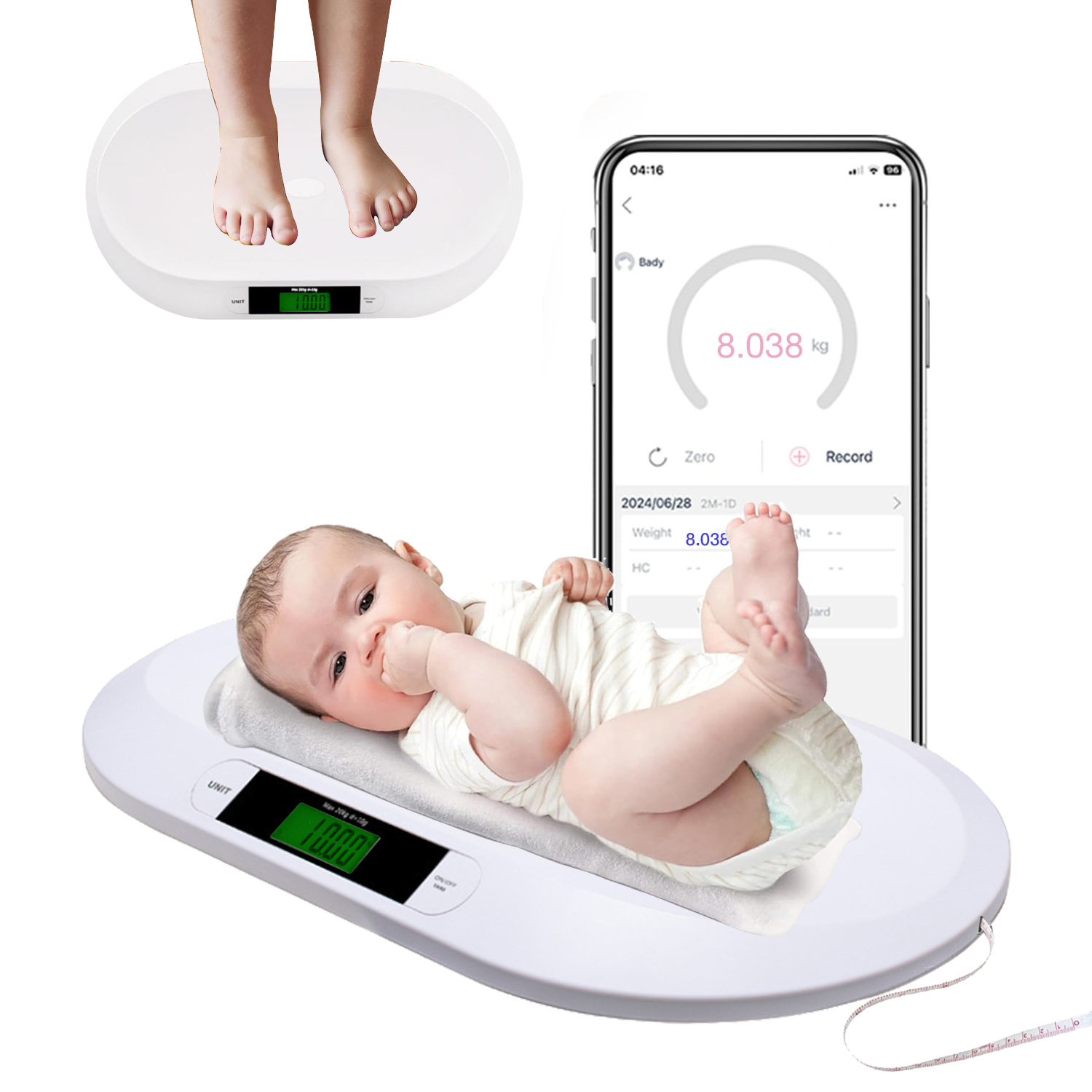
Touching the Baby or the Baby Scale Digital During Weighing
When the mother and baby scale is taking a reading, any external force can disrupt the measurement. Touching the baby while they are on the scale or jostling the scale itself can cause the reading to be inaccurate. Keep your hands away from the baby and the scale until the reading is complete.
Ignoring the Scale's Calibration
Over time, baby weight scale can become uncalibrated due to normal wear and tear, changes in temperature, or other factors. Ignoring the calibration of the scale can lead to consistently inaccurate weight measurements. Make it a habit to check the calibration of your digital baby weighing scale regularly, especially if you notice any unusual readings or if the scale has been dropped or moved to a new location.
Conclusion
Using a scales baby correctly is an important part of monitoring your baby's growth and development. By following the steps outlined in this article, choosing the right type of scale, and avoiding common mistakes, you can obtain accurate weight measurements that will help you and your healthcare provider ensure your baby is healthy and growing properly. Remember, consistent and accurate tracking of your baby's weight is a valuable tool in providing the best possible care for your little one.
The Invisible Hero in Your Kitchen: Unveiling the Functions of a Good Kitchen Scale
What is the Best Home Bathroom Scale for Weight Loss?
Related Article
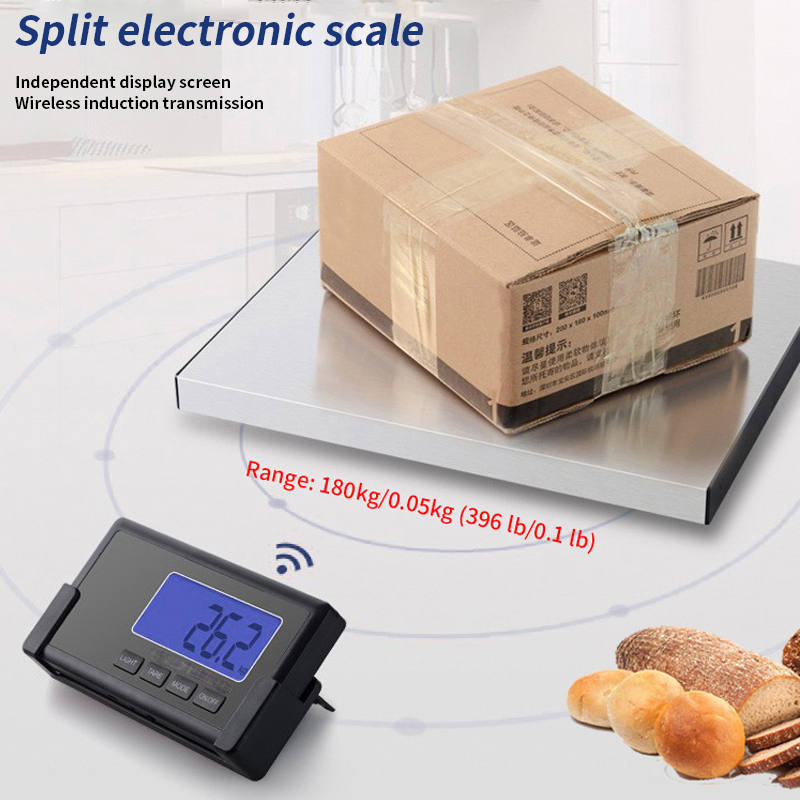
In the world of logistics and shipping, accuracy and efficiency are paramount. For businesses and individuals dealing with large packages or pallets, a reliable wireless shipping scale is an indispensable tool. One of the most critical questions that arises when selecting such a scale is: "What's the maximum weight capacity of a reliable wireless shipping scale suitable for shipping large packages or pallets?"
What's the Maximum Weight Capacity of a Reliable Wireless Shipping Scale Suitable for Shipping Large Packages or Pallets?
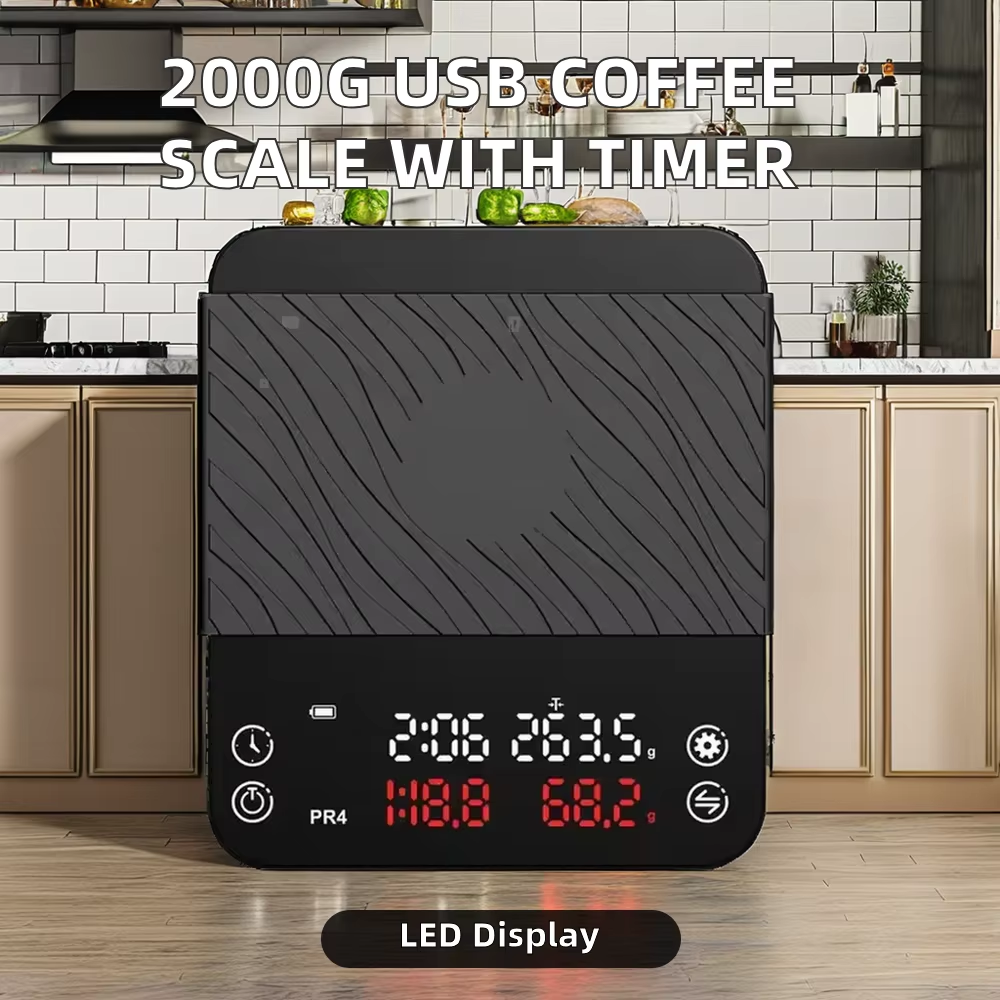
For coffee enthusiasts and baristas, the espresso scale is an indispensable tool. It ensures that each shot adheres to the precise coffee-to-water ratios that define a balanced, flavorful espresso. Among the key considerations when choosing an espresso scale is its weight capacity—the maximum weight it can accurately measure.
What's the Ideal Weight Capacity for an Espresso Scale Considering the Typical Amounts of Coffee and Water Used in a Shot?

The spoon scale has become a popular tool in home kitchens, beloved for its convenience in measuring small amounts of ingredients, especially spices, baking powders, and other seasonings. However, many users encounter a frustrating issue: their spoon scale gives inconsistent readings for the same ingredient.
My Spoon Scale Seems to Give Inconsistent Readings for the Same Ingredient. What Could Be the Problem and How Can I Fix It?

In the intricate world of jewelry, precision in weighing is of utmost importance. Whether it's determining the value of a rare gemstone, ensuring the correct amount of precious metal in a piece, or verifying the authenticity of a jewelry item, the right mini jewelry scale can make all the difference.
What's the Most Accurate Mini Jewelry Scale for Weighing Tiny Gemstones and Can It Measure Down to Milligrams?