
How can I weigh my baby at home?
2025-01-13
Why Weigh Your Baby at Home?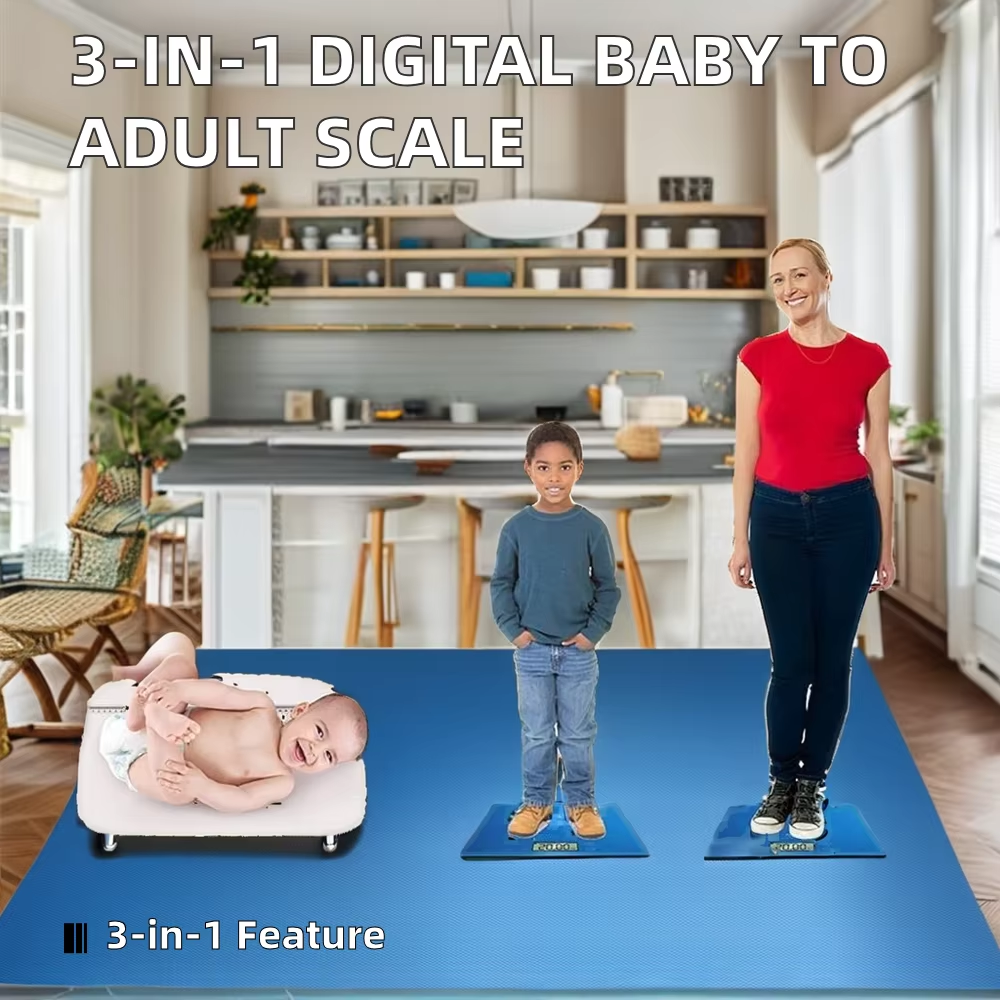
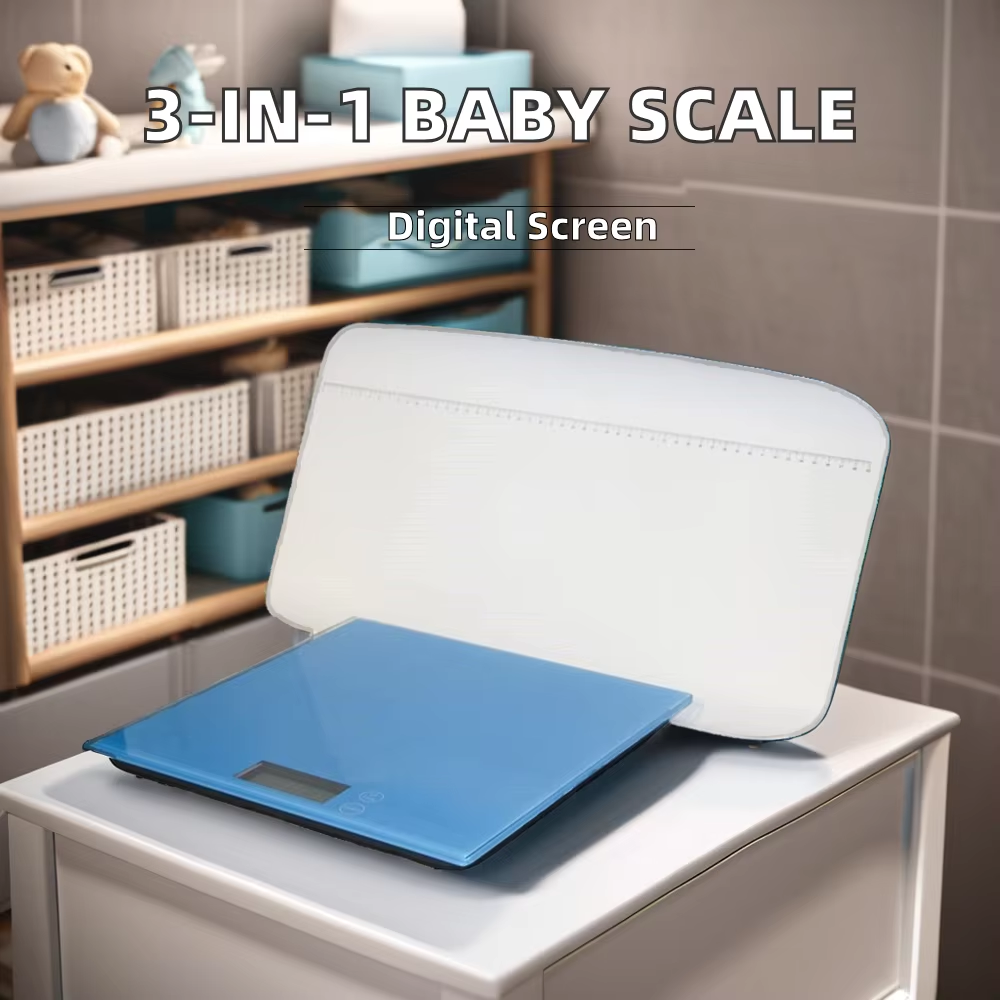
Weighing your baby at home can be a helpful way to keep track of your baby's growth and development. Regular weight checks can alert you or your healthcare provider to any potential issues with your baby's nutrition or health. For example, if your baby is not gaining weight as expected, it may indicate a feeding issue that needs to be addressed. Weighing your baby at home can also give you a sense of reassurance that your baby is growing and developing as expected between healthcare appointments.
Choosing a Best Infant Scale to Weigh Your Baby
The first step in weighing your baby at home is to select a digital infant scale. You can use a standard bathroom scale, but it may be difficult to get an accurate reading of your baby's weight using this method. An infant scale is a more accurate option. Infant weighing scale can often be found at baby supply stores or online retailers.
There are two main types of newborn weight scales to consider:
1. Mechanical Infant Scale: This type of scale has a platform for your baby to lie on and a weight indicator that moves as your baby's weight is added to the scale. These scales require no batteries or electricity and are typically less expensive than digital scales.
2. Digital Infant Scale: This type of scale has a platform for your baby to lie on and displays the weight in digital numbers. Digital scales often have additional features such as the ability to measure in ounces or grams and hold the weight reading for a short time after your baby is removed from the scale. Be aware that infant weighing scale price require batteries and may be more expensive than mechanical scales.
Preparing to Weigh Your Baby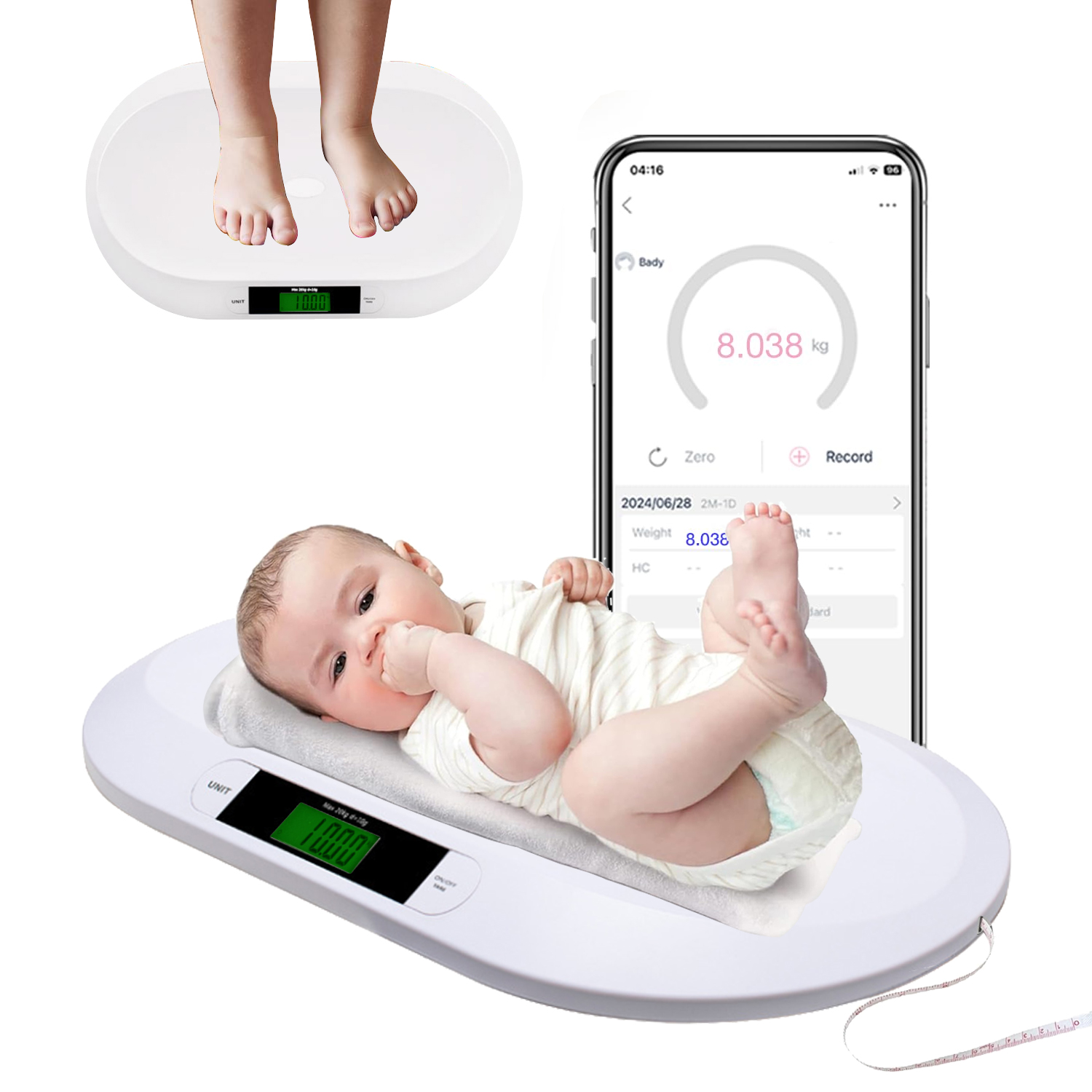
Before weighing your baby at home, there are a few things to keep in mind:
- Choose a consistent time to weigh your baby. It's best to weigh your baby at the same time each day or week to get the most accurate weight data. For example, weigh your baby right after a morning feeding or at the same time each week.
- Choose a consistent location to weigh your baby. Weigh your baby in the same place each time to get the most accurate weight data. A flat, stable surface such as a table or counter is best.
- Remove your baby's clothes and diaper. To get the most accurate weight data, your baby should be weighed without clothes or a diaper on. If your baby is fussing or uncomfortable, use a light blanket or towel to keep your baby warm and comfortable during the weighing process.
Weighing Your Baby at Home
Now that you've chosen a infant scale medical and prepared for the weighing process, it's time to weigh your baby:
1. Turn on the scale. For a mechanical scale, adjust the scale to zero before placing your baby on the platform. For a digital scale, allow the scale to calibrate before placing your baby on the platform.
2. Remove your baby's clothes and diaper. Place your baby on the scale, making sure to position your baby's head towards the indicator. Hold your baby gently and securely during the weighing process.
3. Get the weight measurement. For a mechanical scale, move the weight indicator until it rests on the weight line to get the weight measurement. For a digital scale, wait for the display to stabilize and show the weight measurement.
4. Write down the weight measurement. Keep a record of your baby's weight on a chart or in a notebook. This will allow you to monitor your baby's growth and development over time.
Tips for Weighing Your Baby at Home
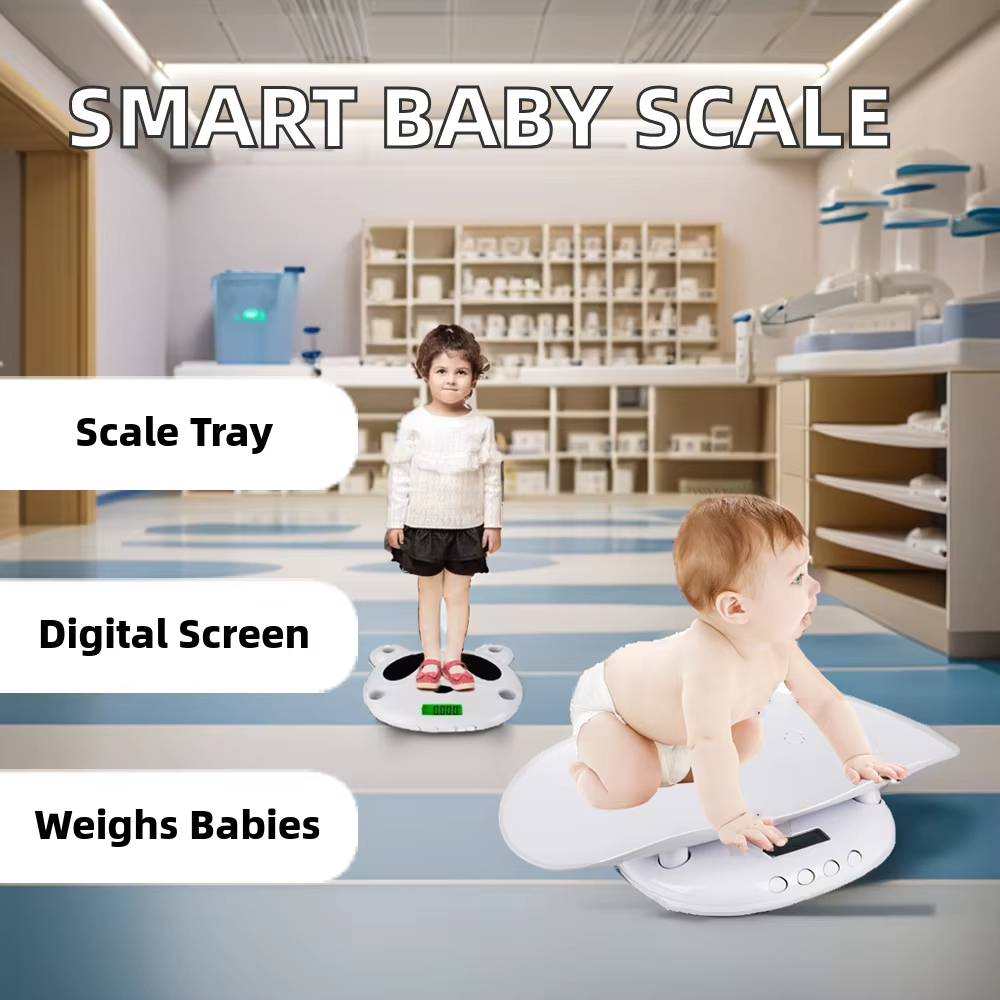
- Weigh your baby consistently. Choose the same time and location to weigh your baby each time.
- Weigh your baby on a flat, stable surface. This will ensure an accurate reading.
- Weigh your baby without clothes or a diaper. This will give you the most accurate weight measurement.
- Hold your baby securely during the weighing process. This will ensure that your baby is safe and comfortable while being weighed.
- Keep track of your baby's weight on a chart or in a notebook. This will allow you to monitor your baby's growth and development over time.
Conclusion
Weighing your baby at home can be a helpful way to keep track of your baby's growth and development. By choosing an infant scale, preparing your baby for the weighing process, and keeping a record of your baby's weight, you can easily and accurately weigh your baby at home. Regular weight checks can alert you or your healthcare provider to any potential issues with your baby's nutrition or health, and can give you a sense of reassurance that your baby is growing and developing as expected.
What scale is used to measure a dog?
How To Use a Kitchen Food Scale?
Related Article
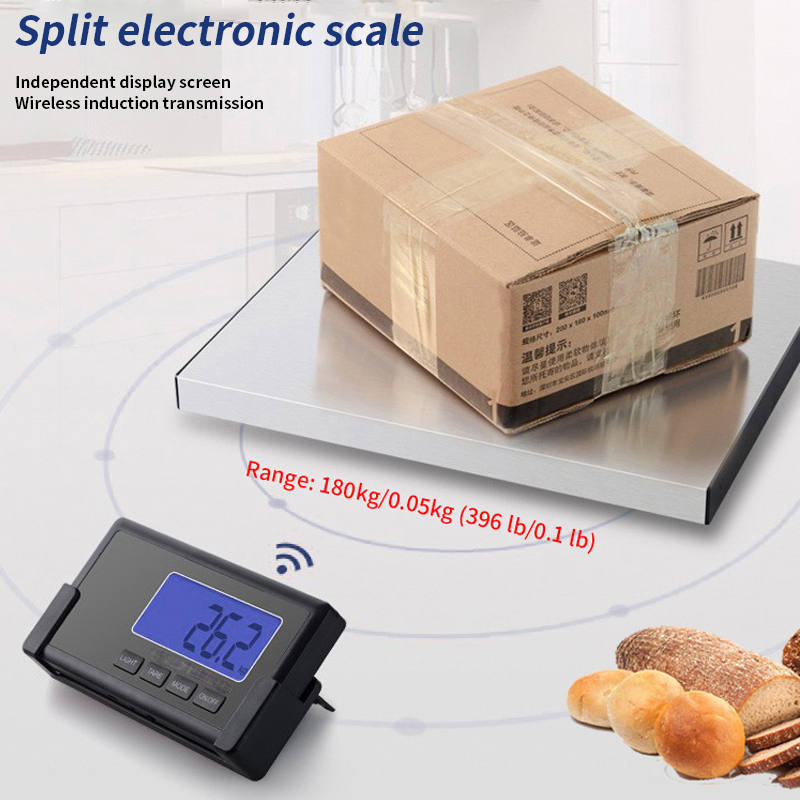
In the world of logistics and shipping, accuracy and efficiency are paramount. For businesses and individuals dealing with large packages or pallets, a reliable wireless shipping scale is an indispensable tool. One of the most critical questions that arises when selecting such a scale is: "What's the maximum weight capacity of a reliable wireless shipping scale suitable for shipping large packages or pallets?"
What's the Maximum Weight Capacity of a Reliable Wireless Shipping Scale Suitable for Shipping Large Packages or Pallets?
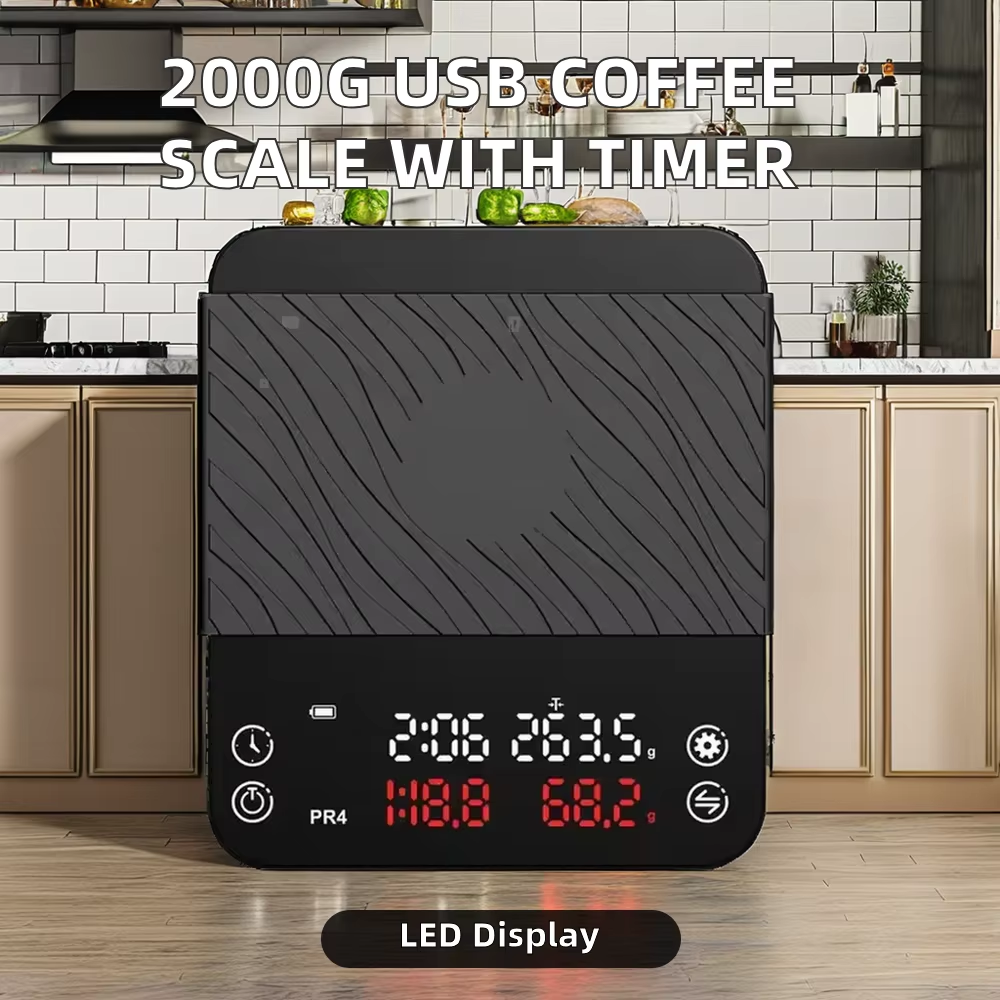
For coffee enthusiasts and baristas, the espresso scale is an indispensable tool. It ensures that each shot adheres to the precise coffee-to-water ratios that define a balanced, flavorful espresso. Among the key considerations when choosing an espresso scale is its weight capacity—the maximum weight it can accurately measure.
What's the Ideal Weight Capacity for an Espresso Scale Considering the Typical Amounts of Coffee and Water Used in a Shot?

The spoon scale has become a popular tool in home kitchens, beloved for its convenience in measuring small amounts of ingredients, especially spices, baking powders, and other seasonings. However, many users encounter a frustrating issue: their spoon scale gives inconsistent readings for the same ingredient.
My Spoon Scale Seems to Give Inconsistent Readings for the Same Ingredient. What Could Be the Problem and How Can I Fix It?

In the intricate world of jewelry, precision in weighing is of utmost importance. Whether it's determining the value of a rare gemstone, ensuring the correct amount of precious metal in a piece, or verifying the authenticity of a jewelry item, the right mini jewelry scale can make all the difference.
What's the Most Accurate Mini Jewelry Scale for Weighing Tiny Gemstones and Can It Measure Down to Milligrams?