
How to Choose the Best Infant Scale: A Detailed Guide for Parents and Caregivers
2025-04-02

Table of Contents
- Introduction
- Key Factors in Selecting an Infant Scale
- Types of Infant Scales: Finding the Right Fit
- Common Parameters of Infant Scales
- Achieving Precise Measurements
- Expert Opinions and Evaluations
- Frequently Asked Questions (FAQ)
- Related: Insights from the World of Body Scales
- Conclusion
Introduction
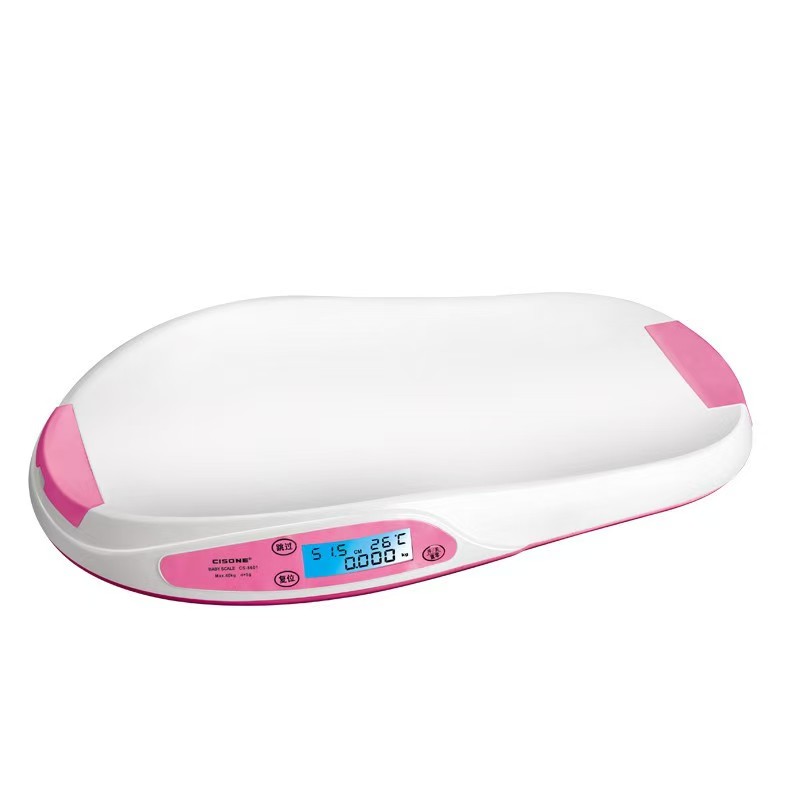
In the delicate journey of parenting, closely monitoring an infant's growth is of paramount importance. Among the various tools at a parent's disposal, an infant scale stands out as a crucial device. A reliable infant scale not only provides accurate weight measurements but also gives parents peace of mind, assuring them that their precious bundle of joy is developing healthily. However, the market is flooded with a wide variety of infant scales, making the selection process a challenging task. This in-depth news-style guide will walk you through the essential aspects to consider when making this vital purchase.


Key Factors in Selecting an Infant Scale
Accuracy: The Foundation of Reliability
Calibration Technology and Precision
When choosing an infant scale, accuracy should be at the forefront of your mind. Look for scales that are easy to calibrate. Some premium models come with automatic calibration features, ensuring consistent and precise readings over time. An ideal infant scale should have a precision of at least 0.1 ounces or 1-2 grams, as this enables it to detect even the slightest weight changes in the baby. For instance, digital scales with advanced sensor technology often offer more accurate readings compared to basic mechanical scales. Advanced digital infant scales may use micro-electro-mechanical systems (MEMS) sensors, which can detect extremely small weight variations, significantly improving measurement accuracy compared to traditional mechanical spring-based sensors.
Readability of Measurements
The scale's display should be clear and easy to read. Opt for infant scales with large, backlit numbers, especially for those late-night weigh-ins when the room might be dimly lit. Some scales also offer the option to switch between different units of measurement, such as pounds and ounces or kilograms and grams, catering to parents accustomed to different systems. Some new-generation infant scales even have displays with automatic brightness adjustment, ensuring clear visibility in different lighting conditions, making it convenient for parents to obtain accurate data at any time.
Safety Features: Protecting Your Little One
Secure Platform Design
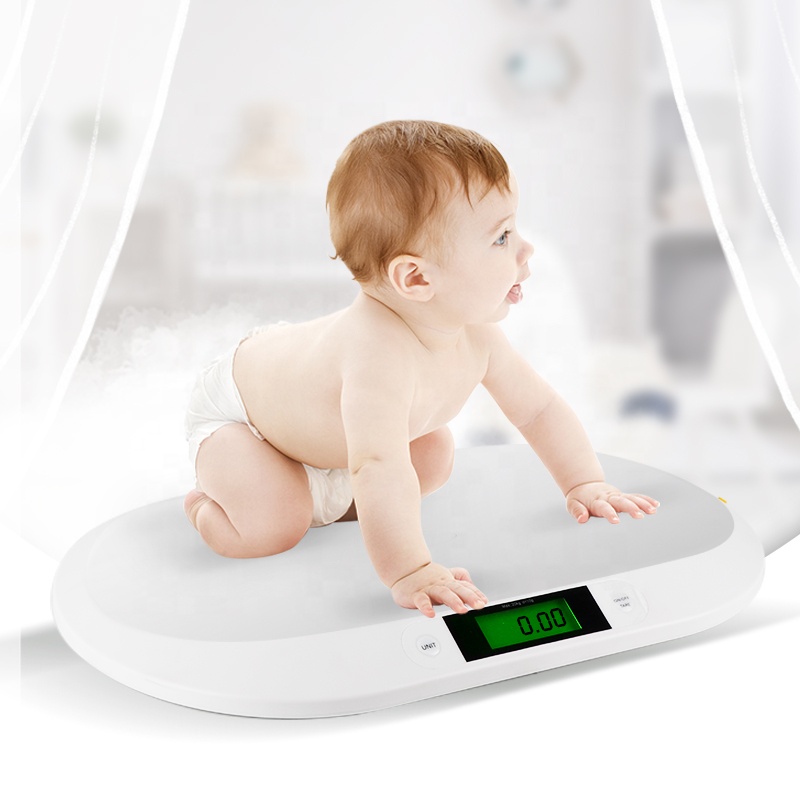
The platform of the infant scale must be designed with safety as a top priority. It should have a non-slip surface to prevent the baby from slipping during the weighing process. Additionally, the edges of the platform should be rounded and smooth, eliminating any sharp edges that could potentially harm the baby. Some infant scales feature a raised lip around the platform, offering an extra layer of protection. Some infant scales use special non-slip materials on the platform surface, such as textured rubber coatings, which increase friction when in contact with the baby's body, effectively reducing the risk of slipping. The rounded edges are carefully polished to ensure that even if the baby accidentally bumps into them, there will be no injury.
Safety Straps or Harnesses
For added security, consider an infant scale that comes with a safety strap or harness. This can be particularly useful for keeping an active baby in place during the weighing. The strap should be adjustable to fit babies of different sizes and made of soft, comfortable materials that won't irritate the baby's delicate skin. Safety straps are usually made of soft cotton or silicone materials, which not only ensure a secure hold but also cause no discomfort to the baby's skin. Moreover, the adjustment mechanism of the straps is designed to be simple and easy to use, allowing parents to adjust them according to the baby's size.
Durability: A Long-Term Investment
Quality of Materials
The materials used in constructing the infant scale significantly impact its durability. Scales made of high-quality plastic or metal are more likely to endure the test of time. Plastic scales are generally lightweight and easy to clean, while metal scales may offer greater sturdiness. Look for scales that are resistant to scratches and dents, as they will likely be used frequently and may encounter some bumps along the way. For example, some infant scales made of high-strength engineering plastics not only have good durability but also effectively resist scratches during daily use. Metal-made infant scales, such as those made of stainless steel, perform well in withstanding heavy weights and collisions, maintaining stable performance over a long period.
Build Quality
Inspect the build quality of the infant scale. The joints and connections should be secure. A well-built infant scale will not wobble or feel unstable during use. Check for any signs of poor craftsmanship, such as loose parts or uneven surfaces. A durable infant scale will not only last longer but also continue to provide accurate readings over an extended period. High-quality infant scales use advanced welding techniques and precision assembly processes during manufacturing, ensuring that all components are tightly integrated and the overall structure is stable. Such scales can maintain stability even with frequent daily use, without parts loosening and affecting measurement accuracy.
Ease of Use: Simplifying the Weighing Process
Setup and Operation
The best infant scales are those that are easy to set up and operate. Look for models that come with clear instructions and require minimal assembly. Digital scales are often more user-friendly, typically featuring a simple on-off switch and a straightforward interface for reading the weight. Some scales also have a tare function, allowing you to zero out the weight of accessories like a diaper or a blanket, ensuring an accurate reading of the baby's weight. Some infant scales feature an integrated design with no complex assembly steps, ready to use right out of the box. Their operation interfaces are simple and intuitive, making them easy for even first-time parents to use. The tare function is also very convenient, allowing parents to quickly obtain the baby's net weight by pressing a button.
Cleaning and Maintenance
Babies can be messy, so it's essential to choose an infant scale that is easy to clean. Look for scales with a smooth, non-porous surface that can be easily wiped down with a damp cloth. Some scales even have removable parts that can be washed in the sink or dishwasher, making the cleaning process even more convenient. Additionally, consider how easy it is to replace the batteries (if applicable) or charge the scale. Infant scales with smooth surfaces are less likely to trap dirt and are easy to clean with a damp cloth. For those with removable parts, parents can disassemble them for thorough cleaning, ensuring the scale's hygiene. Some infant scales are equipped with rechargeable batteries using wireless charging technology, making the charging process simple and convenient without the need for frequent battery replacements.
 Additional Features: Going the Extra Mile
Memory Function
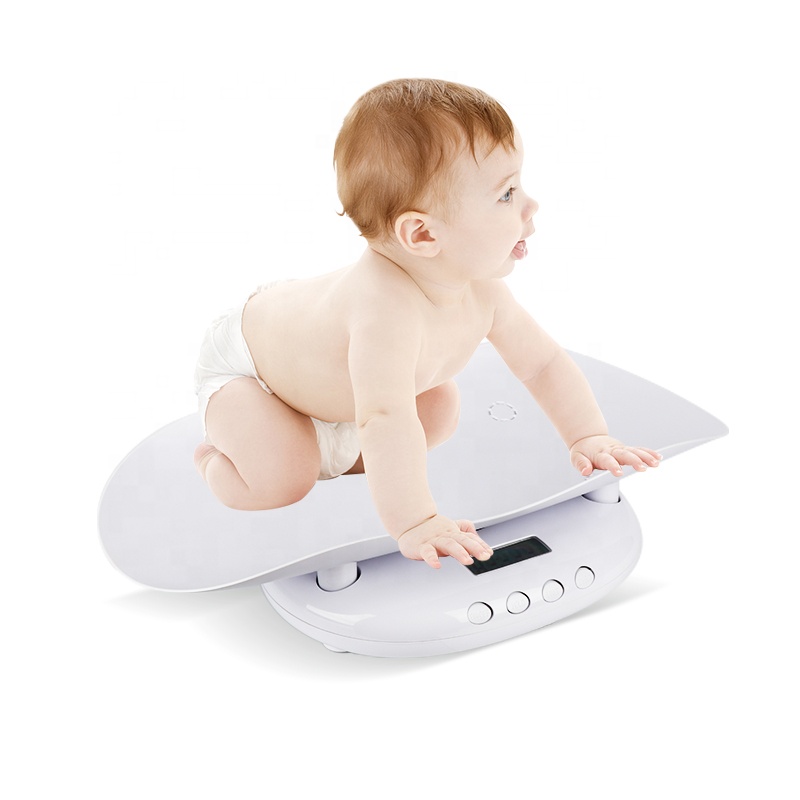
A scale with a memory function can be extremely useful. It allows you to store multiple weight readings, which is helpful for tracking the baby's growth over time. Some scales can even store the date and time of each weighing, providing a detailed record of the baby's growth progress. This information can be valuable to share with your pediatrician during check-ups. Infant scales with memory functions can store dozens or even hundreds of weight data points, allowing parents to view the baby's weight changes at different stages. Combined with date and time records, they can clearly show the baby's weight growth trend, providing more comprehensive information for pediatricians to assess the baby's health.
Connectivity Options
In the digital age, some infant scales now come with connectivity options. Bluetooth-enabled scales can connect to a smartphone app, allowing you to sync the weight data and access additional features. The app may provide growth charts, personalized insights, and the ability to share the data with family members or healthcare providers. This offers a convenient way to keep track of the baby's growth and stay informed about their development. By connecting to a smartphone app, parents can view the baby's weight curve intuitively on their phone and compare it with standard growth curves. The app can also provide personalized feeding advice and health tips based on the baby's weight data, helping parents better care for the baby. Parents can also easily share the data with family members or doctors for remote communication and health management.
Multiple Measurement Modes
Some advanced infant scales offer multiple measurement modes. In addition to measuring weight, they may be able to estimate body fat percentage, hydration levels, or other health-related metrics. While these additional features may not be essential for every parent, they can provide a more comprehensive picture of the baby's health for those interested. For example, infant scales using bioelectrical impedance analysis (BIA) technology can estimate body fat percentage and hydration levels by sending a weak electrical current through the baby's body. This provides deeper health information for parents who are concerned about the baby's body composition development.
Types of Infant Scales: Finding the Right Fit
Digital Scales
Digital scales are the most popular choice among parents. They offer high accuracy and a clear digital display. Many digital scales also come with additional features such as a tare function, memory storage, and the ability to switch between units of measurement. They are generally easy to use and can be found in a wide range of price points. Digital infant scales are the preferred choice for most families due to their precise measurements and convenient operation. From basic models to those with multiple advanced functions, the price range can meet the budget needs of different families.
Mechanical Scales
Mechanical scales are a more traditional option. They operate using a spring-based mechanism to measure weight. While they may not be as accurate as digital scales, they are often more affordable and require no batteries. Mechanical scales can be a good choice for parents looking for a simple, no-frills option. Mechanical infant scales attract parents who prefer simplicity and practicality with their simple structure and low cost. Their battery-free design also makes them more convenient to use in environments without power outlets.
Smart Scales
Smart scales are the latest addition to the infant scale market. These scales come with advanced features such as connectivity to smartphones, multiple measurement modes, and personalized health insights. They are more expensive than traditional digital or mechanical scales but offer a more comprehensive and convenient way to monitor the baby's growth. Smart infant scales combine modern technology with baby health monitoring, providing parents with a new experience. Through connection with mobile apps, they enable real-time data synchronization and in-depth analysis, offering stronger support for the baby's healthy growth.
Common Parameters of Infant Scales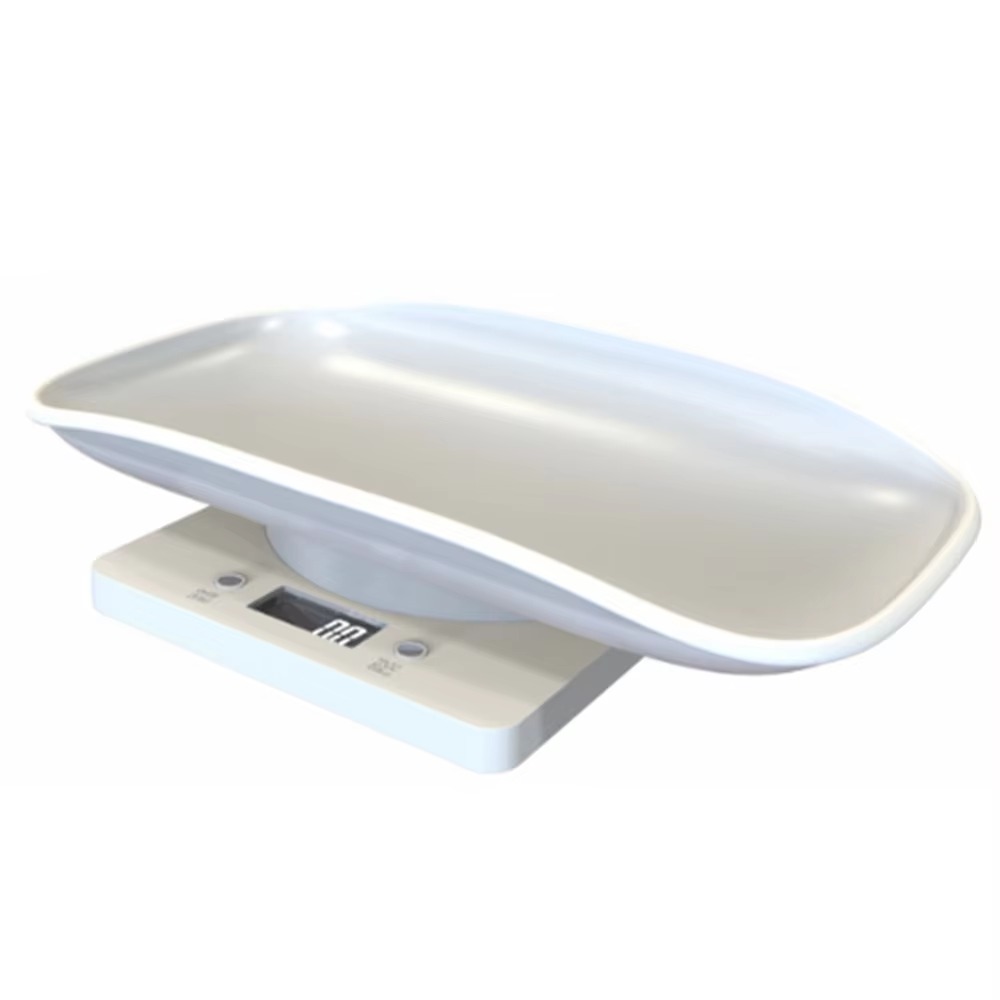
| Parameter | Description | Typical Range |
|---|---|---|
| Weight Capacity | Maximum weight the scale can measure | 15–50 lbs (7–23 kg) |
| Precision | Smallest weight increment detectable | 0.1–0.5 oz (1–15 g) |
| Display Type | Method of weight visualization | Digital (LCD/LED), Analog |
| Power Source | Energy supply mechanism | Batteries (AAA/AA/coin-cell), Rechargeable, Plug-in |
| Dimensions | Physical size of the scale | Length: 10–20 in (25–50 cm), Width: 8–15 in (20–38 cm), Height: 1–3 in (2.5–7.5 cm) |
| Platform Material | Surface material of the weighing area | Plastic, Stainless Steel |
Achieving Precise Measurements
Preparation Before Weighing
Ensure a Stable Surface
Place the infant scale on a flat, stable surface. An unstable or uneven surface can lead to inaccurate readings. Avoid placing the scale on a carpeted floor, as the soft surface can cause the scale to shift slightly. A hard, level surface like tile or hardwood is ideal. The surface should not only be flat but also have sufficient load-bearing capacity to ensure that it does not deform during weighing and affect measurement results. For example, when placing an infant scale on a tile floor, check if the tiles are loose or 凸起.
Zero the Scale
Before weighing the baby, make sure to zero the scale. If the scale has a tare function, use it to account for any accessories like a diaper or a blanket. For scales without a tare function, ensure that the scale reads zero before placing the baby on it. Regular calibration is crucial for maintaining the accuracy of the infant scale. It is generally recommended to calibrate the scale at least once a week using standard weights. If significant deviations in the scale's readings are found, recalibrate it immediately or contact the manufacturer for repair.
During the Weighing Process
Place the Infant Safely
Gently place the baby on the scale. Ensure the baby is centered on the platform and not touching any edges. If the scale has a safety strap or harness, use it to keep the baby in place, but ensure it's not too tight.
Minimize Movement
Try to keep the baby as still as possible during the weighing. Movement can cause the scale to give fluctuating readings. You may need to soothe the baby or have a helper distract the baby to keep them calm.
Recording and Tracking Measurements
Keep a Log
Maintain a record of the baby's weight, including the date and time of each weighing. You can use a notebook, a mobile app, or the memory function of the scale itself. This log will help you track the baby's growth over time and identify any trends or concerns.
Analyze Growth Trends
Regularly review the weight data to see if the baby is growing at a healthy rate. Compare the measurements to standard growth charts provided by pediatricians or healthcare organizations. If you notice any significant deviations, consult your pediatrician.
Expert Opinions and Evaluations
We reached out to Dr. Emily Johnson, a renowned pediatrician with over 20 years of experience:
"Accuracy is the most crucial factor when choosing an infant scale. A small error in weight measurement can lead to incorrect assumptions about a baby's growth and development. Parents should also consider the safety features of the scale, as a baby's safety is always a top priority. Additionally, scales with memory functions or connectivity options can be very useful for tracking growth and sharing data with healthcare providers."
Dr. Michael Brown, a child health expert, adds:
"The build quality and durability of an infant scale are often overlooked. Since these scales are used frequently, they need to be able to withstand normal wear and tear. A well-built scale will continue to provide accurate readings over an extended period, which is essential for monitoring a baby's growth."
Frequently Asked Questions (FAQ)
Q1: How often should I weigh my baby?
A: In the first few months, it's advisable to weigh your baby once a week. As the baby grows older, you can reduce the frequency to once every two to four weeks. However, if you have concerns about the baby's growth or if your pediatrician recommends more frequent weigh-ins, follow their advice.
Q2: Can I use a regular bathroom scale to weigh my baby?
A: While it's possible to use a regular bathroom scale by weighing yourself first, then weighing yourself while holding the baby and subtracting the difference, this method is not as accurate as using an infant scale. Infant scales are designed specifically for weighing babies and offer greater precision.
Q3: How do I clean my infant scale?
A: Most infant scales can be cleaned with a damp cloth. If the scale has removable parts, check the manufacturer's instructions to see if they can be washed in the sink or dishwasher. Avoid using harsh chemicals, as they may damage the scale.
Q4: What should I do if the scale gives inconsistent readings?
A: First, check if the scale is placed on a stable surface. If it is, try calibrating the scale according to the manufacturer's instructions. If the problem persists, there may be an issue with the scale's sensor or other components, and you may need to contact the manufacturer for assistance.
Q5: Are smart scales worth the extra cost?
A: Smart scales can offer additional features such as connectivity to apps, growth tracking, and personalized insights. If you find these features useful and are willing to pay the extra cost, then a smart scale may be worth it. However, if you only need a basic scale for accurate weight measurement, a traditional digital or mechanical scale may be sufficient.
Related: Insights from the World of Body Scales
For those interested in a broader perspective on scales, our previous news article on body scales provides valuable insights:
Read our comprehensive guide on body scales
While infant scales have their unique requirements, many principles of accuracy, durability, and ease of use also apply to body scales. The discussion on calibration, different types of scales, and the impact of materials on performance in the body scale context can offer additional context for understanding and choosing the best infant scale.
Conclusion
Selecting the best infant scale requires careful consideration of multiple factors, including accuracy, safety, durability, ease of use, and additional features. By taking the time to research and compare different options, you can find a scale that meets your needs and provides accurate, reliable weight measurements for your baby. Remember, a good infant scale is not just a tool; it's an investment in your baby's health and well-being.
What's the difference between a regular kitchen scale and one for baking?
How to choose the best infant scale?
Related Article
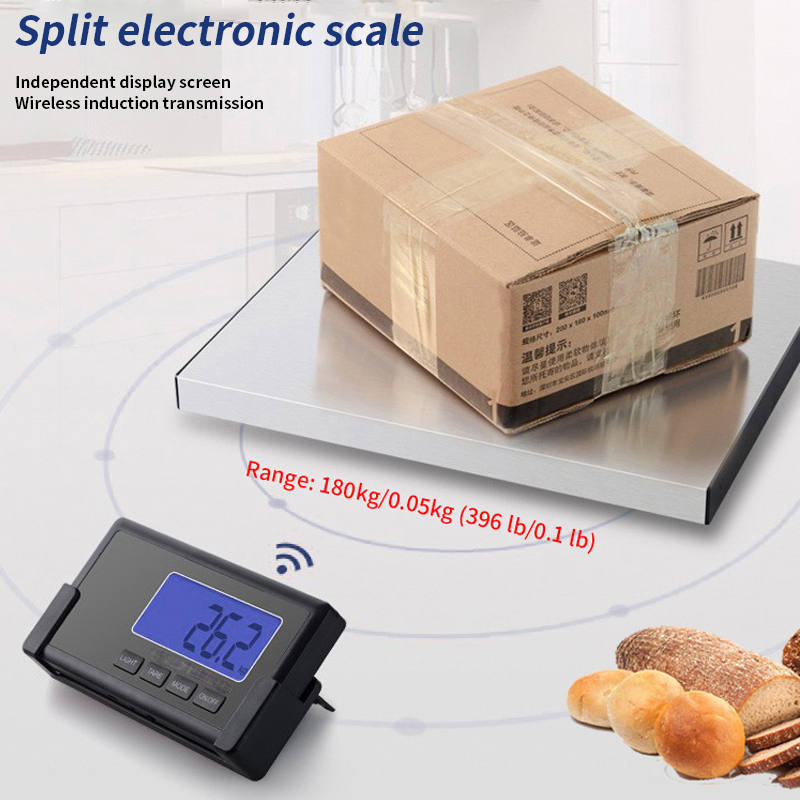
In the world of logistics and shipping, accuracy and efficiency are paramount. For businesses and individuals dealing with large packages or pallets, a reliable wireless shipping scale is an indispensable tool. One of the most critical questions that arises when selecting such a scale is: "What's the maximum weight capacity of a reliable wireless shipping scale suitable for shipping large packages or pallets?"
What's the Maximum Weight Capacity of a Reliable Wireless Shipping Scale Suitable for Shipping Large Packages or Pallets?
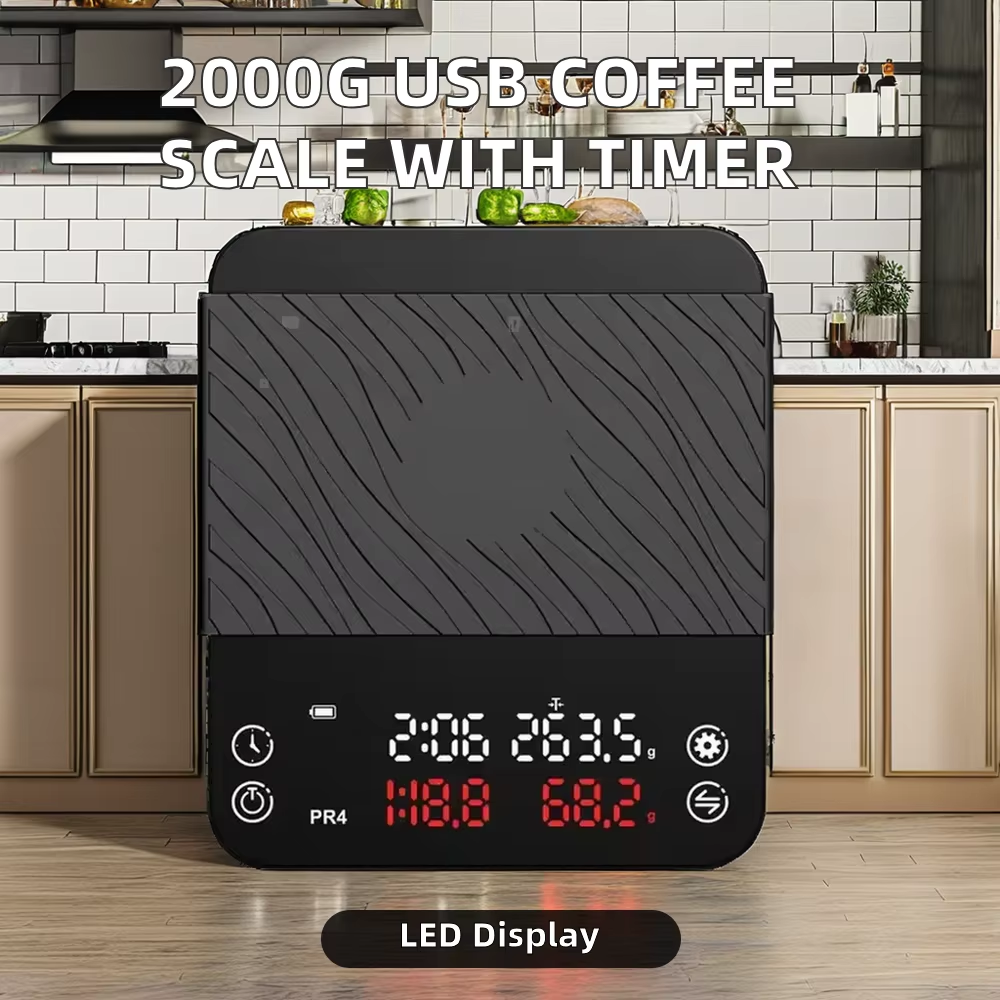
For coffee enthusiasts and baristas, the espresso scale is an indispensable tool. It ensures that each shot adheres to the precise coffee-to-water ratios that define a balanced, flavorful espresso. Among the key considerations when choosing an espresso scale is its weight capacity—the maximum weight it can accurately measure.
What's the Ideal Weight Capacity for an Espresso Scale Considering the Typical Amounts of Coffee and Water Used in a Shot?

The spoon scale has become a popular tool in home kitchens, beloved for its convenience in measuring small amounts of ingredients, especially spices, baking powders, and other seasonings. However, many users encounter a frustrating issue: their spoon scale gives inconsistent readings for the same ingredient.
My Spoon Scale Seems to Give Inconsistent Readings for the Same Ingredient. What Could Be the Problem and How Can I Fix It?

In the intricate world of jewelry, precision in weighing is of utmost importance. Whether it's determining the value of a rare gemstone, ensuring the correct amount of precious metal in a piece, or verifying the authenticity of a jewelry item, the right mini jewelry scale can make all the difference.
What's the Most Accurate Mini Jewelry Scale for Weighing Tiny Gemstones and Can It Measure Down to Milligrams?