
How Do I Choose the Right Infant Scale for My Needs?
2025-05-19
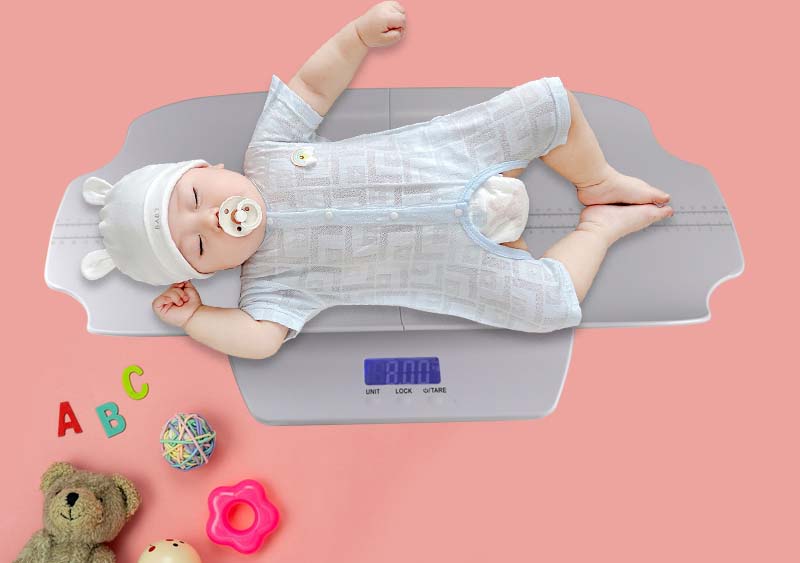
Table of Contents
- Introduction
- The Importance of Choosing the Right Infant Scale
- Key Factors to Consider When Selecting an Infant Weighing Scale
-
- [Accuracy and Precision]
-
- [Weight Capacity]
-
- [Safety Features]
-
- [Ease of Use]
-
- [Additional Features]

- [Additional Features]

-
- [Brand Reputation and Reviews]
- Common Parameters of Digital Infant Scale
- Achieving Precise Measurements with Baby Infant scale
-
- [Proper Scale Placement]
-
- [Calibration and Maintenance]
-
- [Correct Baby Positioning]
- Expert Opinions on Selecting Infant Scales
- Frequently Asked Questions (FAQ) about Infant Scale Electronic
- Related: Comprehensive Guide to Infant Weight Scale
- Conclusion
Introduction
Monitoring a baby's growth is a crucial part of parenting, and an infant baby scale serves as an essential tool in this process. Whether you're a new parent eager to track your little one's development or a caregiver looking for a reliable way to measure a baby's weight, choosing the right weighing scale infant is of utmost importance. With a wide variety of options available in the market, each with its own set of features and capabilities, the question “How do I choose the right infant scale for my needs?” can seem overwhelming. In this comprehensive news article, we will explore the key factors to consider, provide tips on achieving accurate measurements, and offer expert - recommended insights to help you make an informed decision. Additionally, we'll reference our previous article on infant digital baby scale for more in - depth information.
The Importance of Choosing the Right Scale Infant
Health Monitoring
A baby's weight is one of the most significant indicators of their overall health and development. Regularly weighing your infant using an accurate baby infant weight scale allows you to track their growth pattern. Deviations from the normal growth curve can be early signs of health issues such as malnutrition, digestive problems, or underlying medical conditions. Healthcare providers rely on accurate weight measurements to assess a baby's development and make informed decisions regarding their care, such as adjusting feeding schedules or recommending medical interventions if necessary.
Nutritional Assessment
For parents, especially those who are breastfeeding or formula - feeding, an infant lcd disply scale helps in assessing whether the baby is getting enough nutrition. By weighing the baby before and after feeding, you can estimate the amount of milk consumed, which is particularly useful for parents of newborns or babies with specific feeding needs. This information can also be valuable when consulting with pediatricians about the baby's dietary requirements.
Peace of Mind
Having a reliable infant development scale at home gives parents peace of mind. It allows them to monitor their baby's growth between doctor's visits and detect any potential problems early. Regular weight checks can also provide reassurance that the baby is thriving and developing as expected, reducing parental anxiety.

Key Factors to Consider When Selecting a Baby Scale
Accuracy and Precision
Accuracy refers to how close the scale's measurement is to the true weight of the baby, while precision indicates the consistency of the measurements. When it comes to best baby scale, even small errors in weight measurement can be significant, especially for premature babies or those with health concerns. Look for scales that have a high level of accuracy, preferably within ±5 grams for the best models. Some scales may also offer high precision, which means they can detect very small changes in weight, essential for tracking a baby's growth over time. Independent laboratory testing and certifications can be good indicators of a scale's accuracy and reliability.
Weight Capacity
The weight capacity of a baby scale near me is the maximum weight it can measure. Babies grow quickly, so it's important to choose a scale with a sufficient capacity to accommodate your baby's weight as they grow. Most infant scales have a capacity ranging from 10 to 25 pounds (4.5 - 11.3 kg), which is suitable for newborns up to toddlers. However, if you anticipate having a larger baby or plan to use the scale for an extended period, consider a model with a higher capacity. It's also important not to overload the scale, as this can lead to inaccurate readings and potentially damage the scale.
Safety Features
Safety is a top priority when choosing a baby scale nearby. Look for scales with a stable and secure platform to prevent the baby from rolling off during weighing. Some scales come with raised edges or a built - in tray to keep the baby in place. Additionally, ensure that the scale has a non - slip surface on the bottom to prevent it from sliding on smooth surfaces. For digital scales, check if they have automatic shut - off features to prevent battery drain and potential hazards if the scale is left on accidentally.
Ease of Use
As a parent, you'll likely be using the baby scales frequently, often in a hurry or when the baby is fussy. Therefore, ease of use is an important factor. Digital scales with large, easy - to - read displays are preferred, as they provide quick and clear weight readings. Scales that are easy to turn on and off, tare (zero out the weight of a container or blanket), and operate with simple buttons or touchscreens are also more convenient. Some models may even have a memory function to store previous weight measurements, making it easier to track your baby's growth over time.
Additional Features
Many infant scales now come with additional features that can enhance the user experience. Some scales are Bluetooth or Wi - Fi enabled, allowing you to sync your baby's weight data with a smartphone app. These apps can create growth charts, send reminders for weigh - ins, and even share the data with your pediatrician. Other features may include the ability to measure other metrics such as body temperature (if integrated with a compatible thermometer) or the option to switch between different weight units (pounds, ounces, kilograms). While these additional features are not essential, they can add convenience and value to your purchase.
Brand Reputation and Reviews
Researching the brand reputation and reading user reviews can provide valuable insights into the quality and performance of an mommed baby scale. Look for brands that are well - known and trusted in the baby products industry. Read reviews from other parents on online marketplaces, parenting forums, and consumer review websites. Pay attention to comments about the scale's accuracy, durability, ease of use, and any potential issues or drawbacks. A scale with a high average rating and positive feedback from multiple users is more likely to meet your expectations.

Common Parameters Baby Weighing Scale
|
Parameter
|
Description
|
Typical Range
|
|
Weight Capacity
|
Maximum weight the scale can measure
|
10 - 25 pounds (4.5 - 11.3 kg)
|
|
Accuracy
|
Degree of closeness to the true weight
|
±5 - ±10 grams
|
|
Precision
|
Smallest weight increment the scale can detect
|
1 - 5 grams
|
|
Display Type
|
Technology used for showing weight readings
|
LCD (Liquid Crystal Display), LED (Light - Emitting Diode)
|
|
Power Source
|
How the scale is powered
|
Battery - operated (AAA, AA), Rechargeable
|
|
Safety Features
|
Features to ensure baby's safety during weighing
|
Raised edges, non - slip base, automatic shut - off
|
|
Connectivity
|
Options for connecting to other devices
|
Bluetooth, Wi - Fi (some models)
|
|
Memory Function
|
Ability to store previous weight measurements
|
Some models can store 10 - 50 readings
|
|
Tare Function
|
Zero out the weight of a container or blanket
|
Standard feature in most digital scales
|
|
Unit Conversion
|
Supported weight units
|
Pounds, ounces, kilograms
|
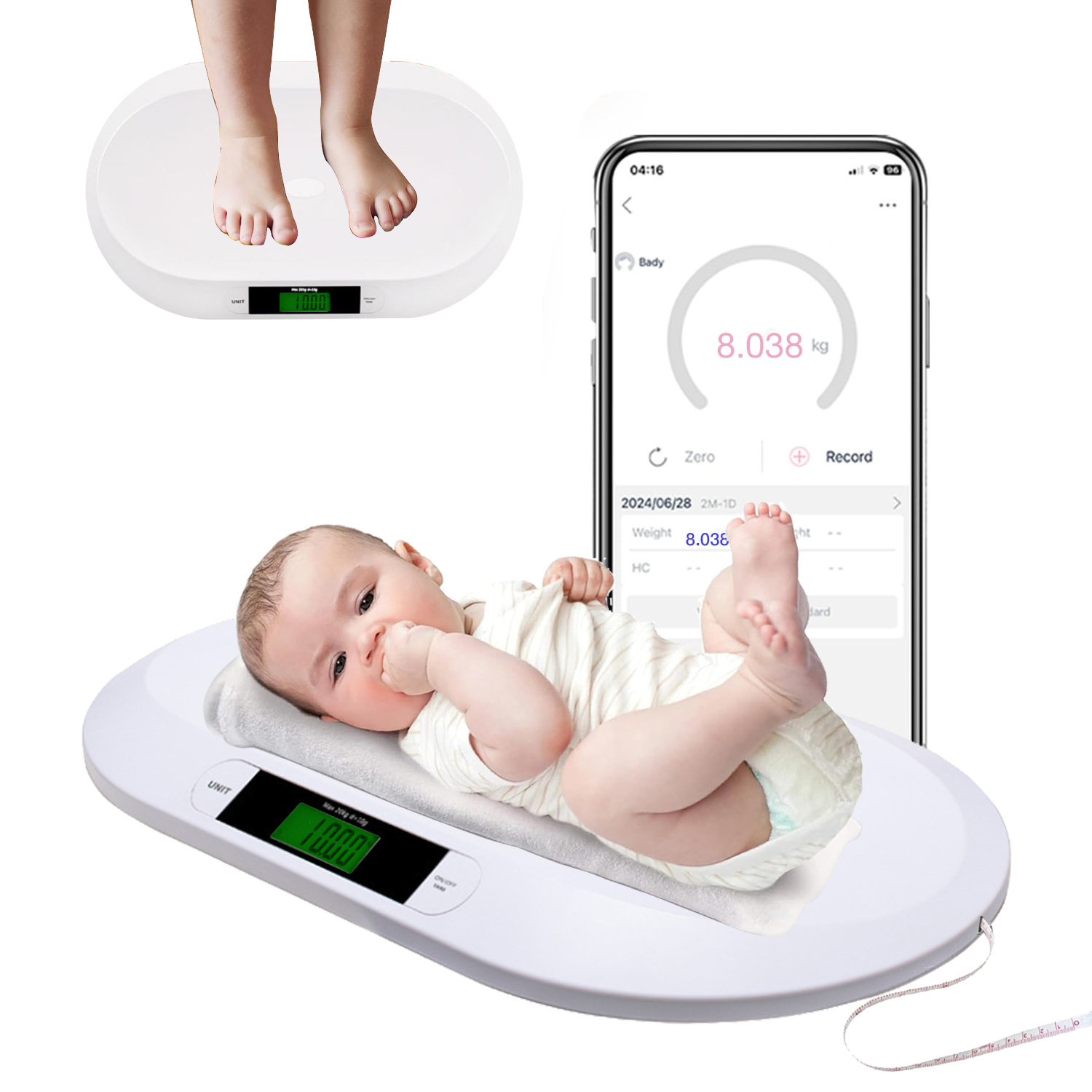
Achieving Precise Measurements with a Scale to Weigh My Baby
Proper Scale Placement
For accurate measurements, place the accurate baby weighing scales on a flat, stable surface such as a countertop or a hard - floor area. Avoid placing the scale on soft surfaces like carpets or beds, as these can cause the scale to wobble and produce inaccurate readings. Ensure that the surface is level; even a slight tilt can affect the weight measurement. If the scale has adjustable feet, use them to level the scale before each use.
Calibration and Maintenance
Regular calibration is essential for maintaining the accuracy of your digital baby scale. Most digital scales come with a calibration function, which can usually be accessed through the scale's settings menu. Refer to the manufacturer's instructions for the specific calibration process. Some scales may require calibration using a known weight, while others can self - calibrate. In addition to calibration, keep the scale clean by wiping it with a damp cloth after each use. Avoid using harsh chemicals or submerging the scale in water, as this can damage the electronics. Check the battery level regularly if it's battery - operated and replace the batteries as needed to ensure consistent performance.
Correct Baby Positioning
When weighing your baby on an best baby weight scales, place them gently in the center of the scale's platform. For scales with a tray, make sure the baby is lying flat and centered. If you're using a scale without a tray, you can place a soft blanket on the scale first and then tare the weight of the blanket to get an accurate reading of the baby's weight. Keep the baby still during the weighing process; any movement can cause the weight reading to fluctuate. If the baby is fussy or moving around, try soothing them or waiting until they are calm before taking the measurement. You may also need to take multiple readings and average them for the most accurate result.
Expert Opinions on Selecting Best Baby Weight Scale
We spoke with several experts in the fields of pediatrics and baby product design to get their perspectives on choosing the right baby scale best buy:
Dr. Maria Rodriguez, a pediatrician at a leading children's hospital: “Accuracy is non - negotiable when it comes to infant scales. Even a small error in weight measurement can lead to unnecessary concerns or inappropriate medical advice. Parents should look for scales that have been tested and certified for accuracy. Also, consider the ease of use, especially if you'll be using the scale frequently. A scale that is quick and simple to operate can make the weighing process less stressful for both the parent and the baby.”
Sarah Thompson, a baby product designer: “Safety features are often overlooked but are crucial in infant scales. A stable platform with raised edges can prevent accidents during weighing. Additionally, I recommend choosing a scale with a sleek design that is easy to clean, as babies can be messy. Some of the newer models with connectivity features can also be a great asset for parents, as they make it easier to track and share the baby's growth data.”
John Davis, a consumer advocate for baby products: “Brand reputation matters when it comes to infant scales. Reputable brands are more likely to stand behind their products and offer good customer support. Reading user reviews can also give you real - world insights into how the scale performs. Don't just focus on the price; investing in a high - quality infant scale is worth it for the peace of mind and accurate data it provides.”
Frequently Asked Questions (FAQ) about Infant Scales
Q1: Can I use a regular bathroom scale to weigh my infant?
A1: While it's possible to use a regular bathroom scale to weigh an infant by first weighing yourself and then weighing yourself while holding the baby and subtracting the difference, this method is not as accurate as using a dedicated infant scale. Infant scales are designed specifically for measuring the small weights of babies and offer higher precision and safety features.
Q2: How often should I weigh my baby?
A2: In the first few weeks of life, it's common for pediatricians to recommend weighing the baby at each doctor's visit, which may be weekly or bi - weekly. After the first few months, monthly weigh - ins are usually sufficient for healthy babies. However, if your baby has specific health concerns or feeding issues, your doctor may recommend more frequent weigh - ins.
Q3: My baby won't stay still on the scale. How can I get an accurate reading?
A3: Babies can be fussy and move around during weighing. Try soothing your baby with gentle rocking, singing, or offering a pacifier. You can also wait until the baby is calm or sleepy. Taking multiple readings and averaging them can help reduce the impact of movement on the accuracy of the measurement.
Q4: Do I need to calibrate my infant scale if it's new?
A4: Yes, it's a good idea to calibrate your baby weight scale when you first get it, even if it's new. During shipping and handling, the scale may have been jostled, which could affect its accuracy. Additionally, regular calibration, as recommended by the manufacturer, will ensure that the scale continues to provide accurate readings over time.
Q5: Are there any infant scales suitable for premature babies?
A5: Yes, there are electronic baby scale specifically designed for premature babies. These scales often have a lower minimum weight limit and higher accuracy to measure the very small weights of premature infants. They may also come with additional safety features and a more delicate design to accommodate the fragility of premature babies.
Related: Comprehensive Guide to Baby Scale Weighs
For more in - depth information on scale for baby, including detailed product reviews, comparisons of different models, and tips on using and maintaining your scale, check out our previous comprehensive guide:
This guide covers everything from the history and technology behind infant scales to real - world user experiences and expert - recommended best practices. It's a valuable resource for anyone looking to learn more about these essential baby products.
Conclusion
Choosing the right baby scale weight for your needs requires careful consideration of factors such as accuracy, weight capacity, safety features, ease of use, additional features, and brand reputation. By understanding these aspects and following the tips for achieving precise measurements, you can select a scale that will help you monitor your baby's growth accurately and with confidence. Remember to consult the experts, read user reviews, and refer to our related resources for more information. With the right infant scale, you can play an active role in your baby's health and development journey, ensuring that they thrive and grow up strong.
What Features Should I Look for When Buying a Cup Scale?
How Do I Choose the Right Capacity for My Parcel Scale?
Related Article
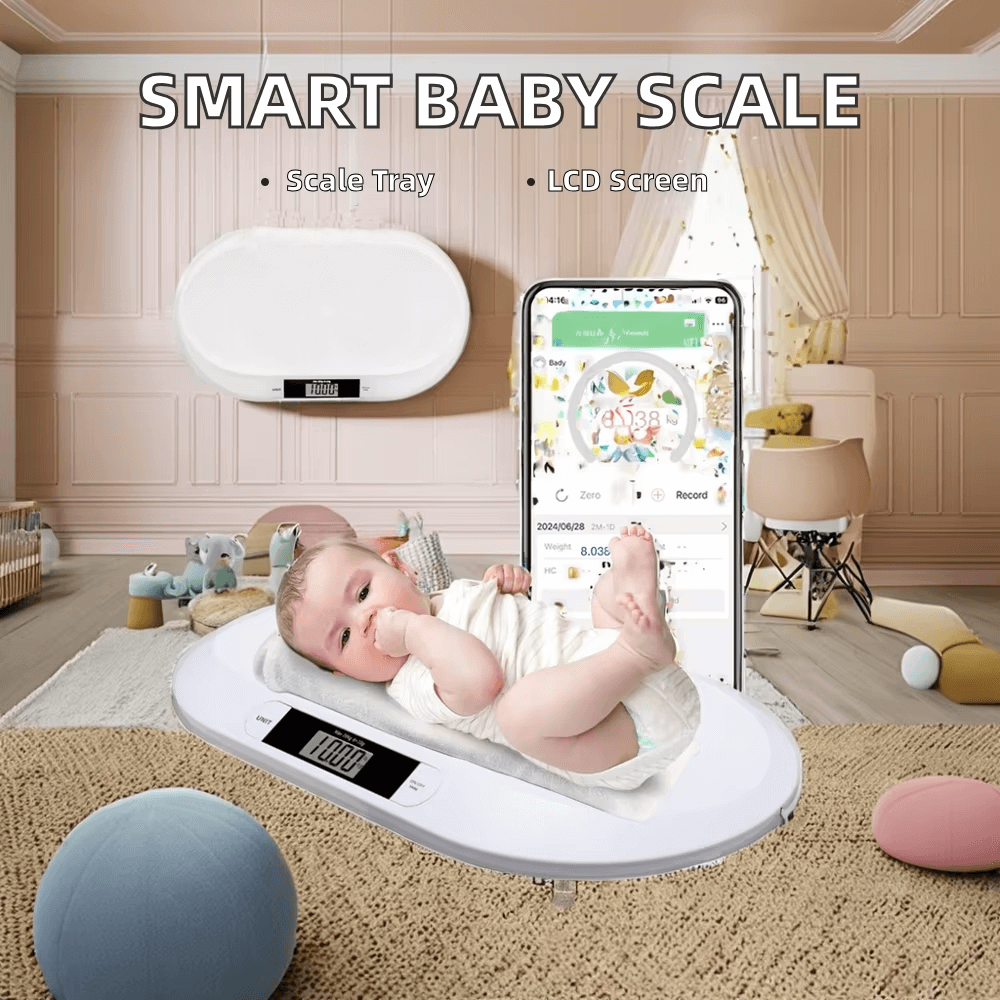
In the journey of parenting, monitoring an infant's growth is a crucial aspect. One of the primary tools for this is an infant scale. Accurate weight measurement not only gives parents an idea of their baby's overall health but also helps healthcare providers make informed decisions regarding the baby's development. This article will guide you through the proper way to use an infant scale, from choosing the right one to interpreting the readings.
How do I use an infant scale correctly?
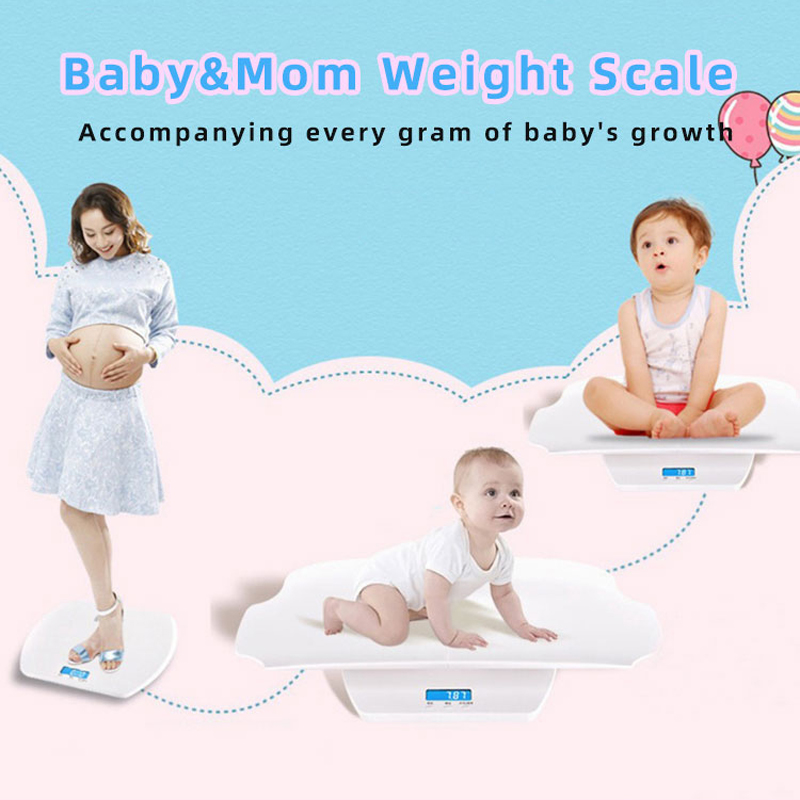
In the journey of parenthood, monitoring a baby's growth is of utmost importance. A reliable infant scale not only provides accurate weight measurements but also offers peace of mind to parents, ensuring that their little ones are growing healthily. However, with a plethora of options available in the market, choosing the best scale infant can be a daunting task. This comprehensive guide will walk you through the essential factors to consider when making this important purchase.
How to choose the best infant scale?

Accurate weight tracking during infancy is critical for monitoring growth, detecting feeding issues, and ensuring timely medical interventions. Unlike adult body scales, specialized infant scales provide:
How to Choose the Best Infant Scale: A Detailed Guide for Parents and Caregivers

A seca infant scale is a vital tool for tracking your baby’s growth, providing critical data for pediatricians and parents alike. However, proper cleaning and maintenance are often overlooked, despite their direct impact on hygiene, scale longevity, and measurement accuracy.
How Do I Clean and Maintain My Infant Scale?
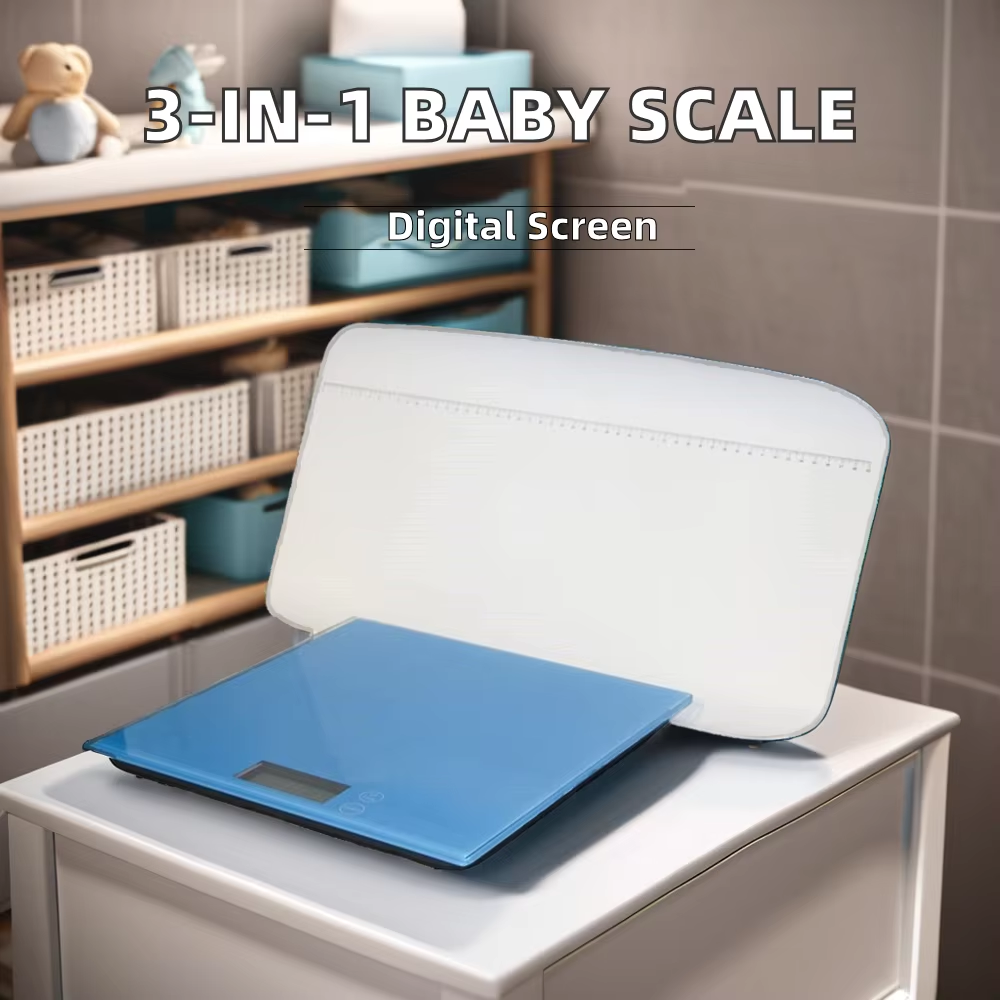
As a new parent, you may be concerned about your baby's growth and development. Regular weight checks are recommended by healthcare professionals to ensure that your baby is growing and developing at a healthy rate. While you can take your baby to a healthcare provider for regular check-ups, it's also possible to weigh your baby at home with a few simple tools. In this article, we'll discuss how to weigh your baby at home and why it's important to track your baby's weight.
How can I weigh my baby at home?