
How Do I Clean and Maintain My Infant Scale?
2025-04-21

Table of Contents

Introduction
A seca infant scale is a vital tool for tracking your baby’s growth, providing critical data for pediatricians and parents alike. However, proper cleaning and maintenance are often overlooked, despite their direct impact on hygiene, scale longevity, and measurement accuracy. A poorly maintained scale can accumulate germs, compromise weight readings, or even malfunction. This comprehensive guide outlines step-by-step cleaning protocols, essential maintenance practices, and expert-recommended tips to ensure your infant scale remains a safe, reliable, and accurate tool for monitoring your baby’s health.

The Critical Role of Cleaning and Maintenance for Infant Scales
Hygiene for Baby Safety
Babies have vulnerable immune systems, making sanitization crucial. Regular cleaning prevents the buildup of bacteria, viruses, and allergens on the scale surface, reducing the risk of skin irritations or infections from direct contact.
Sustained Accuracy
Over time, dust, spills, or mechanical wear can affect sensor performance. Routine maintenance ensures the scale’s load cells and digital components function correctly, preserving the accuracy of weight measurements—essential for detecting subtle growth changes.
Extended Lifespan
Investing in a high-quality infant scale deserves protection. Proper care minimizes wear and tear, ensuring the device serves your family through infancy and beyond.
Step-by-Step Cleaning Guide for Infant Weighing Scale
Pre-Cleaning Preparations
Gather these supplies before starting:
- Soft, lint-free microfiber cloths
- Mild, baby-safe soap or electronic device cleaner
- Distilled water (to avoid mineral deposits)
- Soft-bristle brush (for hard-to-reach areas)
- Baby-safe disinfectant wipes (alcohol-free, pH-neutral)
- Cotton swabs (for tiny crevices)
Always disconnect the scale from power sources (remove batteries or unplug chargers) and refer to the manufacturer’s manual for model-specific instructions.
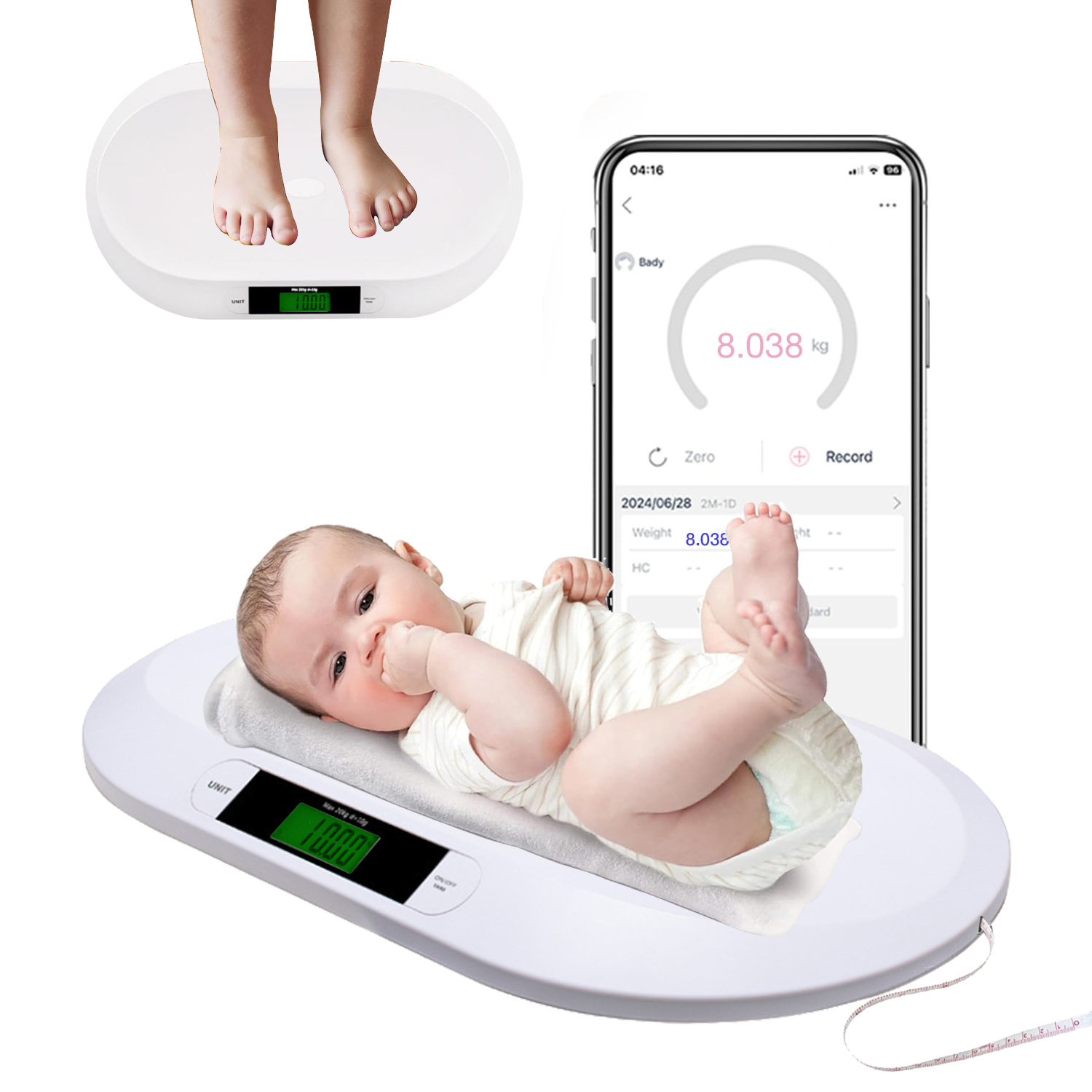
Daily Surface Cleaning
- Wipe the Platform: Dampen a cloth with a mixture of warm water and mild soap (1:10 ratio). Gently clean the weighing surface, including edges and corners where crumbs or spit-up may accumulate. Avoid soaking the digital infant scale—excess moisture can damage internal components.
- Clean the Display and Controls: Use a dry cloth for daily dusting. For smudges, slightly dampen the cloth with water and wipe gently. Never spray liquids directly onto buttons or screens; use a cotton swab dipped in cleaner for stubborn residue on controls.
- Sanitize Soft Components: If your baby infant scale has a removable fabric pad or silicone mat, check if it’s machine-washable (follow care labels). Hand-wash non-removable fabrics with mild soap, rinse thoroughly, and air-dry completely before reuse.
Deep Cleaning for Stains
Perform deep cleaning monthly or after major spills (e.g., formula, urine):
- Detach Removable Parts: Remove trays, mats, or protective covers (if applicable). Wash plastic parts with warm, soapy water; rinse and dry completely. Avoid abrasive sponges that could scratch surfaces.
- Target Hard-to-Reach Areas: Use a soft brush or cotton swab dipped in diluted vinegar (a natural disinfectant) to clean around sensor gaps or under the platform. Ensure no debris remains in mechanical joints that could interfere with weight detection.
- Rinse and Dry Thoroughly: Wipe down all surfaces with a clean, damp cloth to remove soap residue. Allow the scale to air-dry fully in a well-ventilated area before reconnecting power.
Disinfection Best Practices
Use alcohol-free, baby-safe disinfectants to avoid damaging plastic or electronic components:
- Spray disinfectant onto a cloth (never directly on the scale) and wipe surfaces.
- Focus on high-touch areas like the platform edges, display, and button surfaces.
- For scales used in medical settings or after illness, consult the manufacturer for hospital-grade disinfection protocols.

Essential Maintenance Tips for Longevity and Accuracy
Regular Functional Inspections
- Check for Stability: Ensure the scale sits flat on hard surfaces. Wobbly legs or uneven platforms can cause inaccurate readings. Use a level tool if needed, or adjust rubber feet for balance.
- Test Sensor Responsiveness: Place a known weight (e.g., a 1-pound calibration weight) on the scale to verify readings. If results vary by more than the scale’s stated precision (see Parameters Table), recalibrate or contact customer support.
- Inspect Cables and Connections: For wired scales, check cords for fraying or loose connections. Wireless scales should have secure Bluetooth/Wi-Fi links; reset connectivity if data transfer fails.
Battery and Power Management
- Battery-Operated Scales: Use high-quality alkaline batteries and replace them every 6–12 months, or as soon as the low-battery indicator appears. Remove batteries during long-term storage to prevent corrosion.
- Rechargeable Scales: Charge using the provided adapter to avoid voltage issues. Do not overcharge; unplug once fully charged to extend battery life.
Proper Storage Techniques
- Short-Term Storage: Keep the scale in a dry, dust-free location away from direct sunlight or extreme temperatures (ideal range: 40°F–90°F / 5°C–32°C).
- Long-Term Storage: Wrap the scale in a soft cloth or original packaging. Store removable parts separately in sealed bags. Avoid stacking heavy objects on top, which could damage the platform or sensors.
Common Parameters of Infant Scale Electronic
|
Parameter
|
Description
|
Typical Range
|
|
Weight Capacity
|
Maximum weight the scale can measure
|
0–44 lbs (0–20 kg) (suitable for newborns to toddlers)
|
|
Precision
|
Smallest weight increment measurable
|
0.1 oz (3g)–1 oz (28g)
|
|
Display Type
|
Screen technology for weight readings
|
Backlit LCD (common for clarity in low light)
|
|
Power Source
|
Energy supply method
|
AAA batteries (2–4), rechargeable lithium-ion (500–1000 mAh)
|
|
Platform Size
|
Surface area for baby placement
|
12x16 inches (30x40 cm)–16x20 inches (40x50 cm)
|
|
Water Resistance
|
Protection against spills or moisture
|
IP34 (splash-resistant)–IP67 (waterproof for brief submersion, rare in infant scales)
|
|
Connectivity
|
Data transfer options
|
Bluetooth 4.0 (to sync with health apps), USB (for PC data export)
|
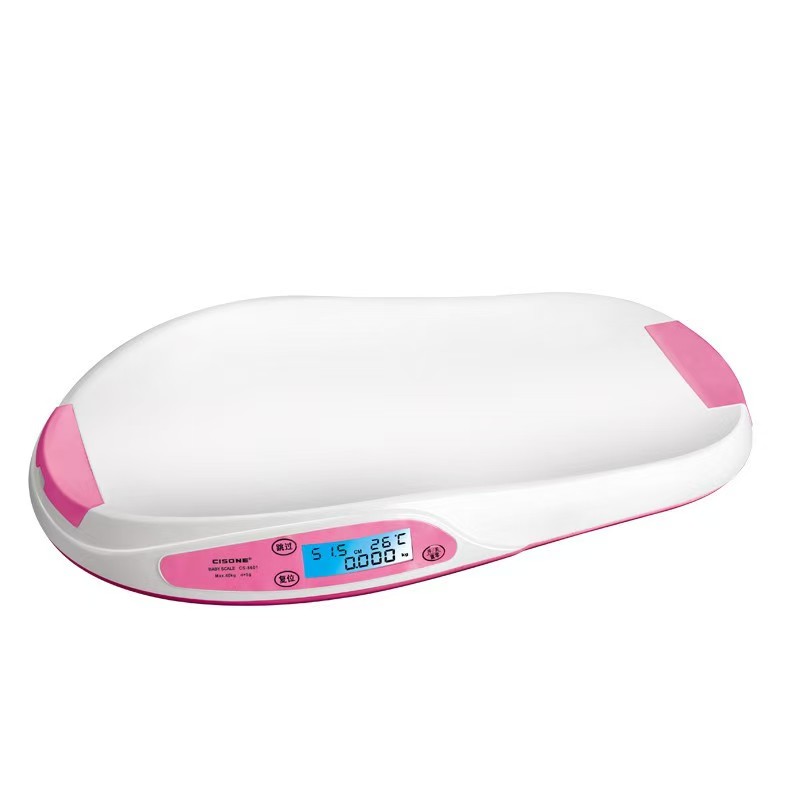
Ensuring Precise Measurements: Calibration and Usage
How to Calibrate Your Infant Weight Scale
Most digital infant baby scale require periodic calibration to maintain accuracy:
- Access Calibration Mode: Refer to your manual—typically involves holding down the “On” or “Cal” button until the display shows “CAL” or a similar prompt.
- Use a Known Weight: Place a certified calibration weight (often included with the scale) or a household item of verified weight (e.g., a 5-lb bag of flour) on the center of the platform.
- Complete the Process: Follow on-screen instructions. The scale will adjust its sensors and display “PASS” or reset to zero when calibration is successful.
Optimal Placement and Weighing Techniques
- Stable Surface: Place the scale on a flat, rigid surface like a countertop or changing table (avoid soft surfaces like beds, which can compress sensors).
- Baby Positioning: Ensure your baby lies flat on their back, with legs extended and arms at their sides. Avoid weighing during active movement, which can cause unstable readings.
- Tare Function (if available): Use the tare feature to subtract the weight of blankets or clothing for net weight measurements. Always weigh babies in similar clothing for consistency.
Expert Insights on Height Scale Infant Care
We consulted pediatricians and product engineers for their recommendations:
Dr. Maria Gonzalez, Pediatrician at Children’s Hospital Los Angeles
“Regular cleaning of weighing scale infant is non-negotiable for preventing cross-contamination, especially in multi-child households. Always use baby-safe cleaners and avoid harsh chemicals that could irritate sensitive skin. For accuracy, calibrate before each major weight check, like after a growth spurt or illness.”
John Carter, Product Engineer at BabyTech Innovations
“Pay attention to the scale’s environment—humidity and temperature fluctuations can affect sensor performance. If your scale has a removable tray, check for cracks where debris might accumulate. And never ignore battery warnings; low power is a common cause of inconsistent readings.”
Frequently Asked Questions (FAQ)
Q1: Can I use rubbing alcohol to clean my infant digital baby scale?
A: Avoid isopropyl alcohol on plastic surfaces, as it can cause discoloration or cracking. Use alcohol-free, pH-neutral disinfectants instead, or a 50:50 water-vinegar solution for natural sanitization.
Q2: How often should I calibrate my baby infant weight scale?
A: Calibrate monthly for regular use, or whenever you notice inconsistent readings (e.g., the same weight registers differently twice in a row). Always calibrate after deep cleaning or moving the scale to a new location.
Q3: My scale has a fabric pad—can I machine-wash it?
A: Check the manufacturer’s instructions. Most removable pads are machine-washable on a gentle cycle with mild detergent. Air-dry completely before reattaching to prevent mold growth.
Q4: What should I do if my scale gets wet?
A: Unplug/remove batteries immediately. Wipe excess water with a dry cloth, then let it air-dry for 24 hours in a warm, dry place. Do not use a hairdryer or heat source, which could damage electronics. Test functionality before reuse.
Q5: Can dust affect the scale’s accuracy?
A: Yes—dust on sensors or platform edges can interfere with weight distribution. Use a soft brush or compressed air (in short bursts) to clean hard-to-reach areas during monthly maintenance.
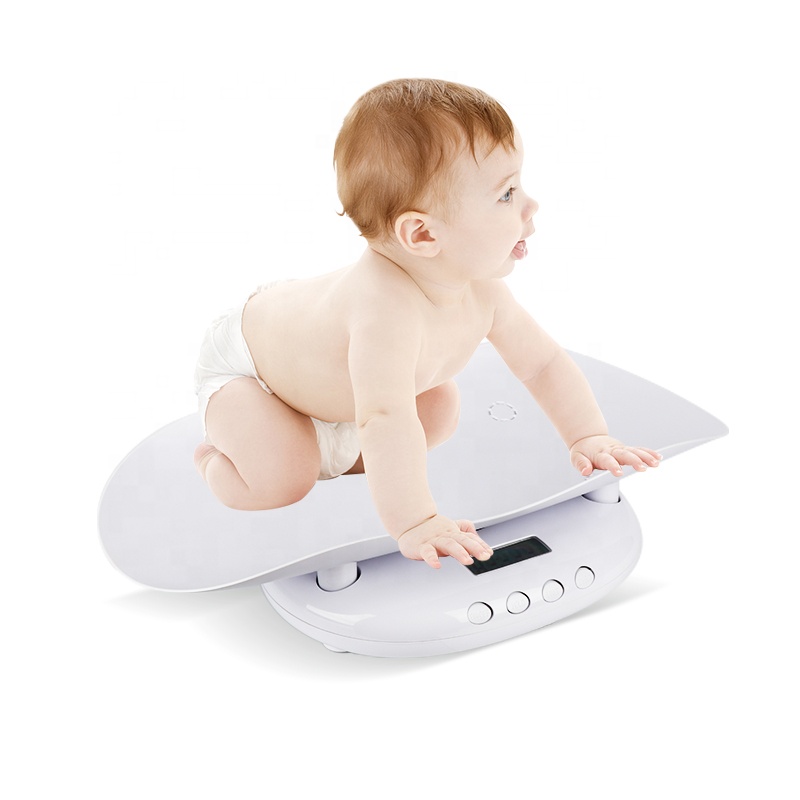
Related: Choosing the Right Scale Infant for Your Baby
For a detailed guide on selecting the best infant scale based on accuracy, features, and budget, check out our previous article:
This resource covers everything from digital vs. analog models to safety certifications and user reviews, helping you make an informed decision for your baby’s growth tracking needs.
Conclusion
Proper cleaning and maintenance of your baby weighing scale are essential for protecting your baby’s health and ensuring reliable growth data. By following these step-by-step protocols—from daily surface cleaning to regular calibration—you can maintain a hygienic, accurate, and long-lasting tool for monitoring your little one’s development. Always prioritize manufacturer guidelines, invest in quality cleaning supplies, and consult experts when issues arise. With consistent care, your baby weight scale will remain a trusted companion throughout your baby’s early years.
How Do I Clean and Maintain My Baking Scale?
What Are the Features to Look for in a Digital Postal Scale?
Related Article
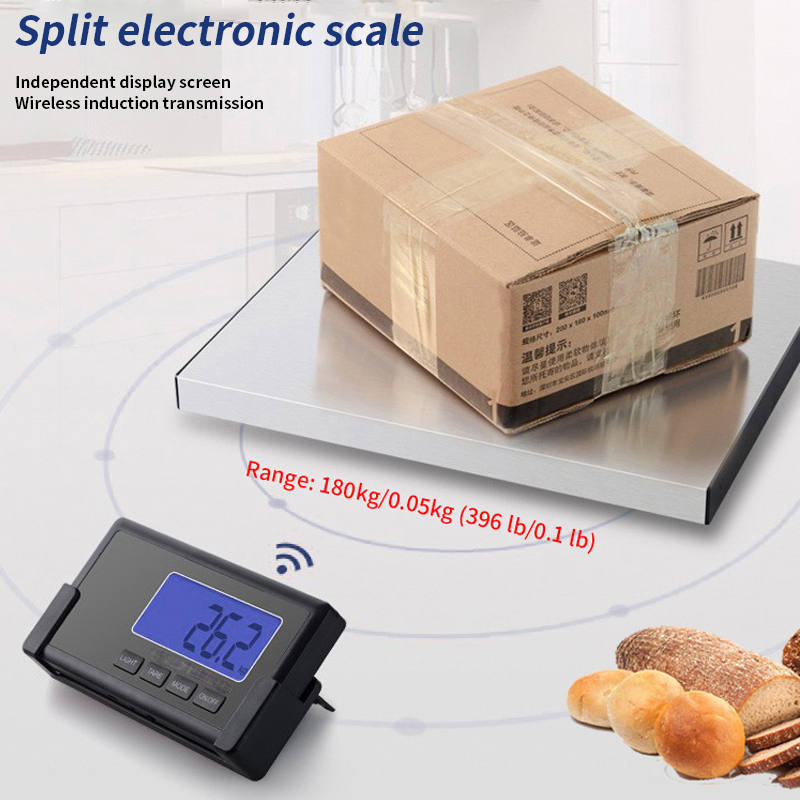
In the world of logistics and shipping, accuracy and efficiency are paramount. For businesses and individuals dealing with large packages or pallets, a reliable wireless shipping scale is an indispensable tool. One of the most critical questions that arises when selecting such a scale is: "What's the maximum weight capacity of a reliable wireless shipping scale suitable for shipping large packages or pallets?"
What's the Maximum Weight Capacity of a Reliable Wireless Shipping Scale Suitable for Shipping Large Packages or Pallets?
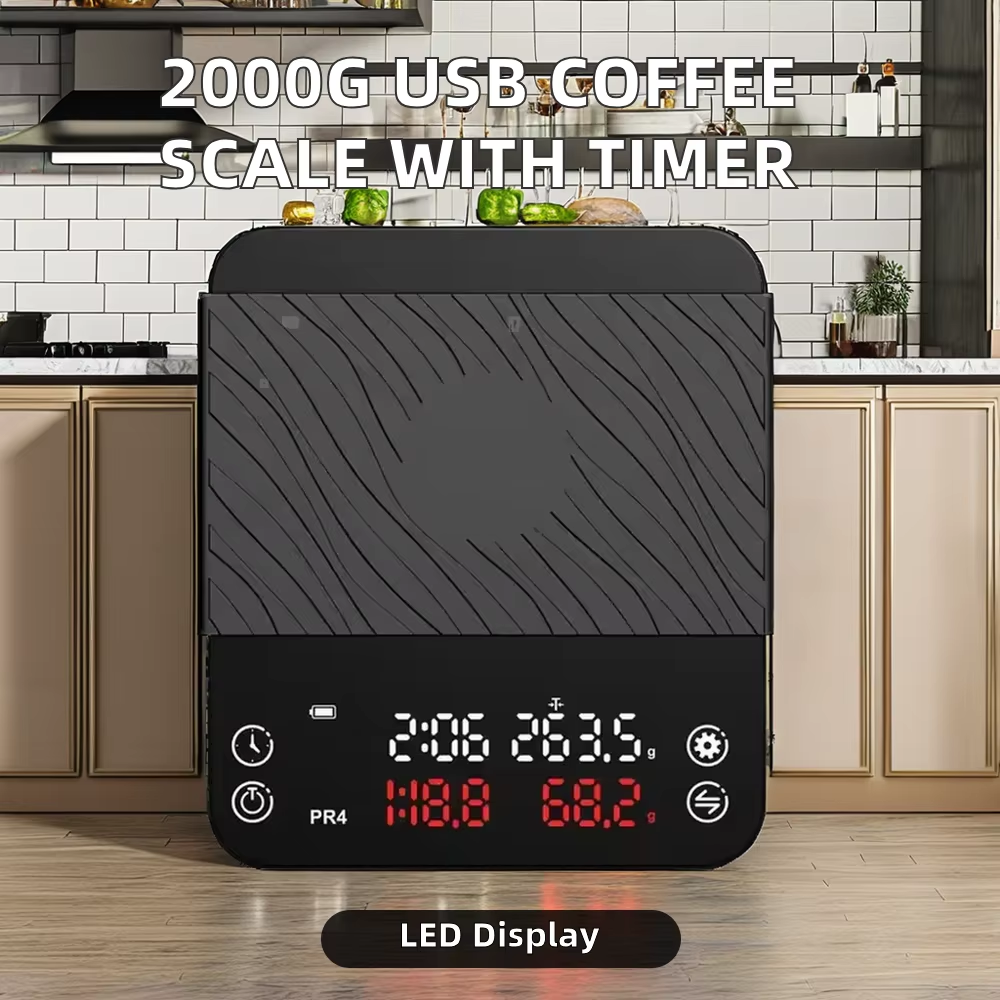
For coffee enthusiasts and baristas, the espresso scale is an indispensable tool. It ensures that each shot adheres to the precise coffee-to-water ratios that define a balanced, flavorful espresso. Among the key considerations when choosing an espresso scale is its weight capacity—the maximum weight it can accurately measure.
What's the Ideal Weight Capacity for an Espresso Scale Considering the Typical Amounts of Coffee and Water Used in a Shot?

The spoon scale has become a popular tool in home kitchens, beloved for its convenience in measuring small amounts of ingredients, especially spices, baking powders, and other seasonings. However, many users encounter a frustrating issue: their spoon scale gives inconsistent readings for the same ingredient.
My Spoon Scale Seems to Give Inconsistent Readings for the Same Ingredient. What Could Be the Problem and How Can I Fix It?

In the intricate world of jewelry, precision in weighing is of utmost importance. Whether it's determining the value of a rare gemstone, ensuring the correct amount of precious metal in a piece, or verifying the authenticity of a jewelry item, the right mini jewelry scale can make all the difference.
What's the Most Accurate Mini Jewelry Scale for Weighing Tiny Gemstones and Can It Measure Down to Milligrams?