
What's the Best Body Scale for Measuring Body Fat Percentage?
2025-05-09

Table of Contents
- Introduction
- The Significance of Measuring Body Fat Percentage
- Key Factors to Consider When Choosing a Body Fat Scales for Body Fat Measurement
-
- Measurement Technology
-
- Accuracy and Precision
-
- Connectivity and Compatibility
- Connectivity and Compatibility
-
- Additional Features
-
- User Reviews and Reputation
- Common Parameters of Body Weight Scales for Body Fat Measurement
- How to Achieve Precise Body Fat Percentage Measurement
-
- Proper Usage of the Smart Body Scales
-
- Consistent Measurement Conditions
-
- Interpreting the Results Correctly
- Expert Opinions on Selecting Smart Scale for Body Weight for Body Fat Measurement
- Top Weight Scales for Human Body Recommendations for Measuring Body Fat Percentage
- Frequently Asked Questions (FAQ) about Body Composition Scale for Body Fat Measurement
- Related: In - Depth Guide to Digital Scale Body Weight
- Conclusion
Introduction
In recent years, there has been a growing emphasis on overall health and fitness in the United States. While weight is a common metric for tracking progress, body fat percentage provides a more comprehensive understanding of one's body composition. A body scale that can accurately measure body fat percentage has become an essential tool for fitness enthusiasts, athletes, and individuals on a weight - loss or health - improvement journey. However, with a plethora of options available in the market, the question remains: What's the best body weight scale digital for measuring body fat percentage? This comprehensive news article aims to explore the key factors to consider when choosing a body scale, provide tips on achieving accurate measurements, and offer expert - recommended models to help you make an informed decision.
The Significance of Measuring Body Fat Percentage
Health Assessment
Body fat percentage is a crucial indicator of overall health. Excess body fat, especially visceral fat (fat stored around internal organs), is associated with an increased risk of various health conditions, including heart disease, diabetes, and certain types of cancer. By regularly monitoring body fat percentage, individuals can assess their health status and take proactive steps to reduce their risk of developing these diseases.
Fitness Tracking
For fitness enthusiasts and athletes, body fat percentage is a more accurate measure of progress than weight alone. Muscle is denser than fat, so as individuals build muscle and lose fat through exercise, their weight may not change significantly. However, a decrease in body fat percentage indicates a positive shift in body composition, which is a more meaningful measure of fitness improvement.
Weight - Loss Management
When trying to lose weight, focusing on body fat percentage rather than just the number on the scale can lead to more sustainable results. A healthy weight - loss goal is typically a reduction in body fat while maintaining or increasing muscle mass. Measuring body fat percentage helps individuals track their progress more accurately and adjust their diet and exercise routines accordingly.
Key Factors to Consider When Choosing a Scales for Body Weight for Body Fat Measurement
Measurement Technology
The most common technology used in body scale smart to measure body fat percentage is bioelectrical impedance analysis (BIA). BIA works by sending a small, painless electrical current through the body. Since fat, muscle, and water have different electrical conductivity, the scale can estimate the amount of body fat based on the resistance of the current. However, the accuracy of BIA can be affected by factors such as hydration levels, time of day, and recent food or exercise. Some advanced scales may use additional technologies, such as dual - frequency BIA, to improve accuracy. Other emerging technologies include air displacement plethysmography (ADP), which measures body volume by displacing air, and dual - energy X - ray absorptiometry (DXA), which uses X - rays to measure body composition. However, these latter two methods are typically more expensive and are often used in research or clinical settings.
Accuracy and Precision
Accuracy refers to how close the scale's measurement is to the true value, while precision refers to the consistency of the measurements. When choosing a scale body fat for body fat measurement, look for models that have been independently tested and have a reputation for accuracy. Keep in mind that no home body scale is 100% accurate, as they are affected by various factors. However, scales from reputable brands are more likely to provide reliable results. Additionally, a scale with high precision will give you consistent readings over time, which is important for tracking progress.
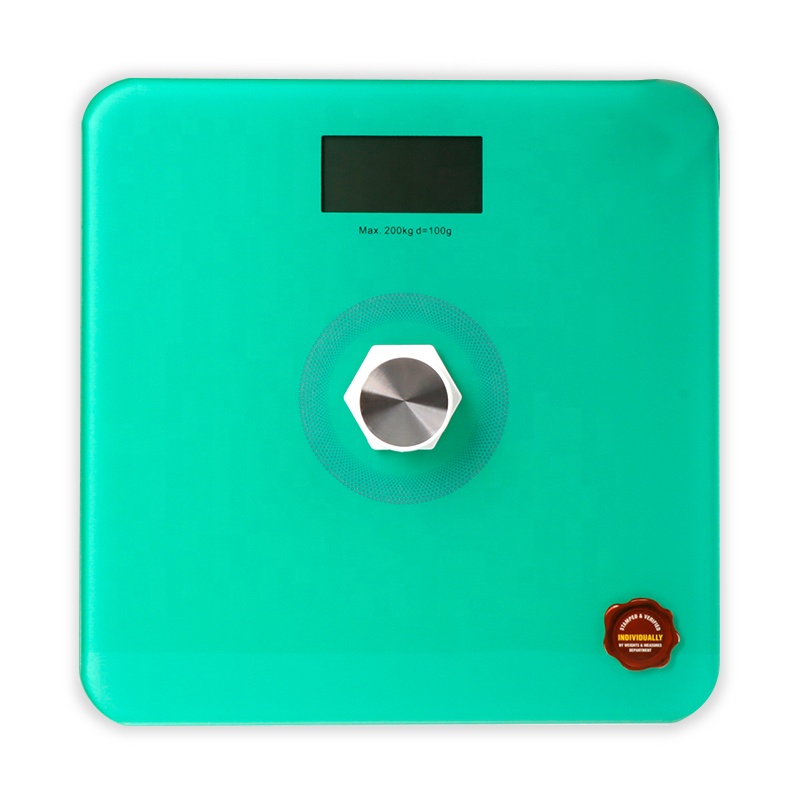
Connectivity and Compatibility
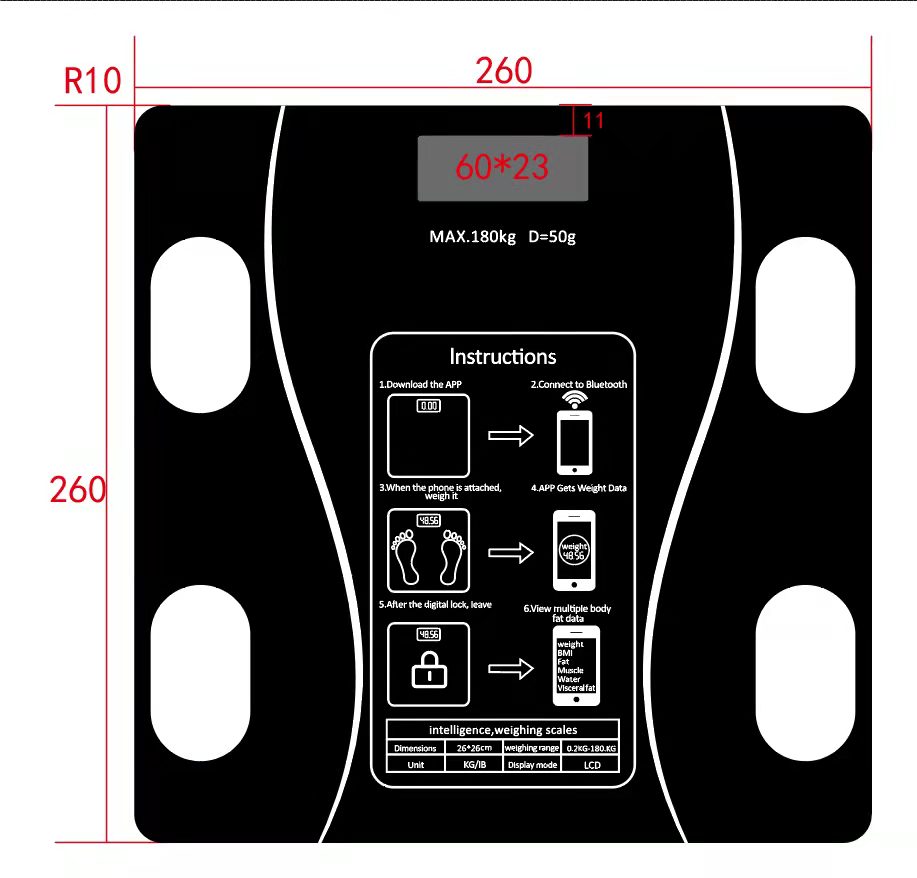
In the age of smart technology, many smart body fat scale offer connectivity features. Bluetooth and Wi - Fi enabled scales can sync your body composition data with fitness apps, such as Apple Health, Google Fit, or dedicated fitness trackers. This allows you to easily track your progress over time, set goals, and view detailed analytics. Compatibility with popular fitness apps and platforms is an important consideration, especially if you already use other health and fitness devices or applications.
Additional Features
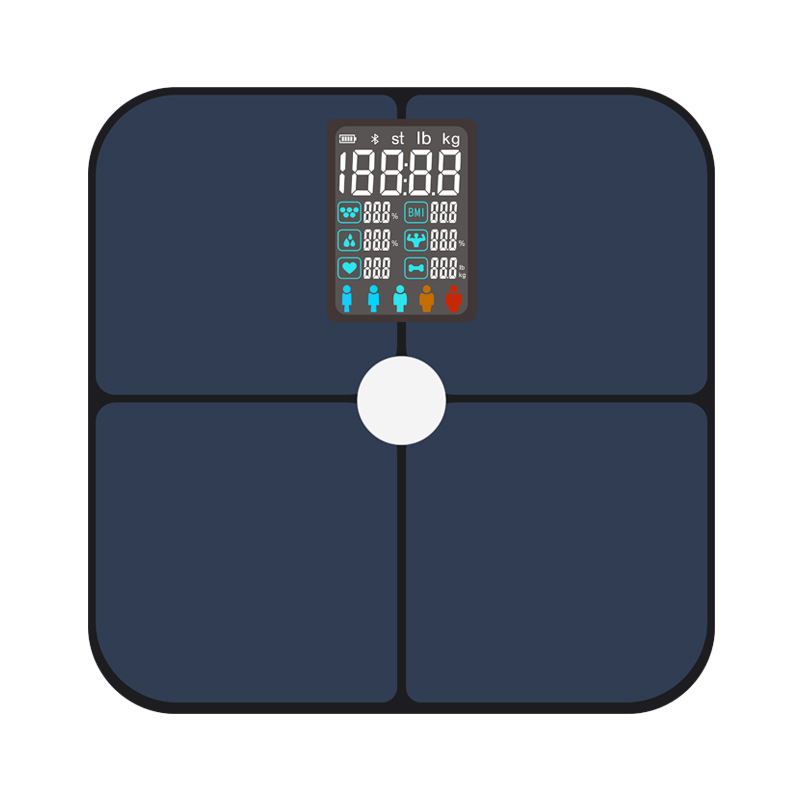
Some body scale fat come with additional features that can enhance your user experience. For example, multi - user profiles allow different family members or household users to store their individual data. Memory functions can store previous measurements, so you can easily compare your progress over time. Some scales also provide additional body composition metrics, such as muscle mass, bone density, and water percentage, giving you a more comprehensive understanding of your body.
User Reviews and Reputation
Before purchasing a body scale, it's a good idea to read user reviews and check the reputation of the brand. Online marketplaces and consumer review websites can provide valuable insights into the performance, accuracy, and durability of different scales. Look for scales with a high average rating and positive feedback regarding body fat measurement accuracy. Avoid scales with a large number of negative reviews about inaccurate readings or technical issues.

Common Parameters of Digital Body Scale for Body Fat Measurement
|
Parameter
|
Description
|
Typical Range
|
|
Measurement Technology
|
Method used to measure body fat percentage
|
BIA (single - frequency or dual - frequency), ADP (less common in home scales), DXA (rarely available for home use)
|
|
Weight Capacity
|
The maximum weight the scale can measure
|
150 - 400 pounds (68 - 181 kg)
|
|
Accuracy for Body Fat Percentage
|
Degree of closeness to the true body fat percentage
|
±2 - ±5 percentage points (varies by model)
|
|
Display Type
|
Technology used for the display
|
LCD (Liquid Crystal Display), LED (Light - Emitting Diode)
|
|
Connectivity
|
Options for connecting to other devices
|
Bluetooth, Wi - Fi
|
|
Battery Life
|
Duration of battery operation
|
6 months - 2 years (depending on usage and battery type)
|
|
Number of User Profiles
|
Capacity to store multiple users' data
|
2 - 8 profiles
|
|
Additional Metrics Measured
|
Other body composition data provided
|
Muscle mass, bone density, water percentage, BMI (Body Mass Index)
|
How to Achieve Precise Body Fat Percentage Measurement
Proper Usage of the Body Analysis Scale
- Placement: Place the scale on a flat, hard surface, such as a tile or wooden floor. Avoid using the scale on a carpet or a soft surface, as this can affect the accuracy of the measurements.
- Barefoot and Dry Feet: For the most accurate BIA measurements, stand on the scale barefoot and make sure your feet are dry. Moisture on your feet can conduct electricity and interfere with the reading.
- Correct Posture: Stand still on the scale with your feet evenly spaced on the electrode pads (if applicable). Keep your arms at your sides and avoid leaning or shifting your weight during the measurement.
Consistent Measurement Conditions
- Time of Day: Measure your body fat percentage at the same time of day, preferably in the morning after waking up and before eating or drinking. This helps to minimize the impact of factors such as food intake, hydration, and physical activity on the measurement.
- Hydration Levels: Since BIA is affected by hydration, try to maintain consistent hydration levels before each measurement. Avoid drinking large amounts of water immediately before using the scale, as this can artificially lower your body fat percentage reading.
- Recent Exercise and Food Intake: Wait at least 3 - 4 hours after exercise and 2 - 3 hours after eating before measuring your body fat percentage. Exercise can increase blood flow and affect the electrical conductivity of your body, while food and digestion can also impact the measurement.
Interpreting the Results Correctly
Remember that body fat percentage measurements from home body weighing scale are estimates and may not be as accurate as those obtained in a clinical or research setting. Small fluctuations in the readings are normal and can be due to factors such as daily changes in hydration, food intake, or hormonal fluctuations. Instead of focusing on the exact number, look for trends over time. If you notice a consistent decrease in your body fat percentage, it indicates that your diet and exercise efforts are paying off.
Expert Opinions on Selecting Weight Scale Human Body for Body Fat Measurement
We reached out to several health and fitness experts for their insights on choosing the best body fat analyzer scale for measuring body fat percentage:
Dr. Emily Johnson, a sports nutritionist: "When it comes to body fat measurement, accuracy is key. I recommend choosing a scale that uses dual - frequency BIA technology, as it tends to provide more accurate results by accounting for different tissue types. Also, make sure to follow the proper measurement procedures, such as measuring at the same time of day and maintaining consistent hydration, to get the most reliable data."
John Smith, a personal trainer: "Connectivity is a great feature for clients who want to track their progress easily. Scales that sync with fitness apps allow them to see their body composition data alongside other metrics, like exercise and nutrition, which helps them stay motivated and make more informed decisions about their health and fitness. Additionally, multi - user profiles are convenient for households with multiple people using the scale."
Dr. Sarah Thompson, a physician specializing in preventive medicine: "While home body scales can be useful for tracking trends, it's important to remember that they are not as accurate as medical - grade devices. If you have concerns about your body fat percentage or overall health, I recommend consulting with a healthcare professional and getting a more comprehensive assessment, such as a DXA scan, which is the gold standard for measuring body composition."

Top Digital Body Weight Scales Recommendations for Measuring Body Fat Percentage
Based on our research and expert recommendations, here are some of the best personal body scale for measuring body fat percentage:
- Withings Body+: This scale uses advanced BIA technology to measure body fat percentage, muscle mass, bone density, and more. It connects to your smartphone via Wi - Fi and syncs data with popular fitness apps, including Apple Health and Google Fit. With a weight capacity of 400 pounds and the ability to store up to 8 user profiles, it's a great choice for families.
- RENPHO Smart Scale: The RENPHO scale offers accurate body fat measurements and provides 13 different body composition metrics. It has a sleek design and connects to your phone via Bluetooth. The scale also features a large, easy - to - read display and can store data for multiple users.
- InBody H20N: Known for its high - quality BIA technology, the InBody H20N provides detailed body composition analysis, including body fat percentage, muscle mass, and body water distribution. It has a user - friendly interface and can be connected to a computer for more in - depth data analysis. While it is on the pricier side, it offers professional - grade accuracy.
- Fitbit Aria 2: This scale not only measures body weight and body fat percentage but also syncs seamlessly with the Fitbit app. It provides insights into your weight trends over time and can be integrated with other Fitbit devices for a more comprehensive view of your health and fitness. The Aria 2 can recognize up to 8 users automatically, making it convenient for shared use.
Frequently Asked Questions (FAQ) about Body Scale Bathroom for Body Fat Measurement
Q1: How accurate are home body fat scale smart for measuring body fat percentage?
A: Home body plateform scale using BIA technology provide estimates of body fat percentage. While they can be useful for tracking trends over time, their accuracy can vary. Factors such as hydration levels, time of day, and individual body characteristics can affect the readings. They are generally less accurate than medical - grade methods like DXA scans but are more convenient and affordable for regular home use.
Q2: Can I measure my body fat percentage at any time of the day?
A: For the most consistent and accurate results, it's best to measure your body fat percentage at the same time of day, preferably in the morning after waking up and before eating or drinking. This helps to minimize the impact of factors such as food intake, hydration, and physical activity on the measurement.
Q3: Does my hydration level really affect body fat percentage readings on a weight scale digital body?
A: Yes, hydration level has a significant impact on BIA - based body fat percentage measurements. When you are well - hydrated, your body conducts electricity more easily, which can lead to a lower estimated body fat percentage. On the other hand, dehydration can cause the scale to overestimate your body fat percentage. It's important to maintain consistent hydration levels before each measurement for more accurate results.
Q4: How often should I measure my body fat percentage?
A: The frequency of measurement depends on your goals and personal preference. If you are actively trying to lose weight or change your body composition, you may want to measure once a week. However, keep in mind that significant changes in body fat percentage take time, so don't get discouraged if you don't see drastic changes immediately. For general health monitoring, once a month may be sufficient.
Q5: Can I trust the additional body composition metrics provided by body scale electronic, such as muscle mass and bone density?
A: The additional metrics provided by home bluetooth body fat scale are also estimates. While they can give you a general idea of your body composition, they are not as accurate as specialized medical tests. These metrics can be useful for tracking trends and getting a more comprehensive view of your body, but if you have specific concerns about muscle mass, bone density, or other health issues, it's best to consult a healthcare professional for a more accurate assessment.
Related: In - Depth Guide to Scales Body
For a more comprehensive understanding of smart scale for body, including detailed reviews of different models, tips on maintenance, and comparisons of features, check out our previous article:
This article covers everything from the basic functions of body scale digital to advanced features and industry - specific applications. It also provides insights into how different scales perform in various scenarios, helping you make an informed decision when purchasing a smart scale body fat.
Conclusion
Finding the best bathroom scales for measuring body fat percentage requires careful consideration of factors such as measurement technology, accuracy, connectivity, additional features, and user reviews. By understanding these factors and following the tips for achieving precise measurements, you can choose a person scale bathroom that meets your needs and helps you track your health and fitness progress effectively. Remember that while home body scales are convenient tools, they are not a substitute for professional medical advice. If you have any concerns about your body composition or overall health, consult a healthcare professional. With the right body scale and a commitment to a healthy lifestyle, you can take control of your health and achieve your fitness goals.
How Do I Choose the Right Capacity for My Parcel Scale?
What Factors Can Affect the Accuracy of a Breathalyzer?
Related Article

A best body scale is a common household item used for monitoring weight, which is crucial for health management, fitness tracking, and overall well - being. However, many users may find that the readings on their body scale vary, leading to confusion about their actual weight.
What Factors Can Affect the Accuracy of a Body Scale?

Body composition scales have become popular tools for individuals aiming to monitor their overall health recently. These scales, which can estimate not only body weight but also body fat percentage, muscle mass, water content, and other vital metrics, seem like a convenient way to keep tabs on one's physical condition. However, to obtain truly accurate results, several factors need to be considered. This guide will walk you through the best practices for using a body scale effectively.
How Should I Use a Body Composition Scale to Get Accurate Results?
Bathroom scales are a common household item, used by millions to monitor their body weight. Whether for health - related reasons such as weight loss or gain management, or simply out of curiosity, the accuracy of these scales is of utmost importance. In this comprehensive article, we will delve into the factors that influence the accuracy of bathroom scales, the different types of scales available, and how to ensure you get the most accurate readings possible.
How accurate are bathroom scales?

In the pursuit of a healthier lifestyle and weight loss goals, having an accurate and reliable bathroom scale at home can be an invaluable tool. This article aims to guide you through the process, exploring the key factors to consider and highlighting some top - performing models that are particularly well - suited for those looking to shed pounds.
What is the Best Home Bathroom Scale for Weight Loss?