
How accurate are bathroom scales?
2025-03-31
Types of Bathroom Scales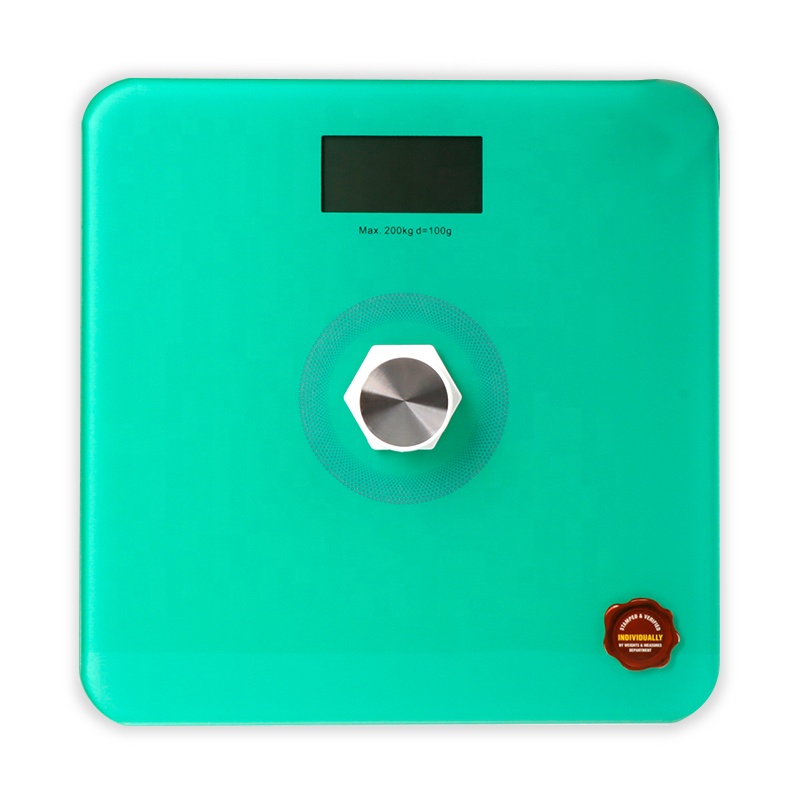
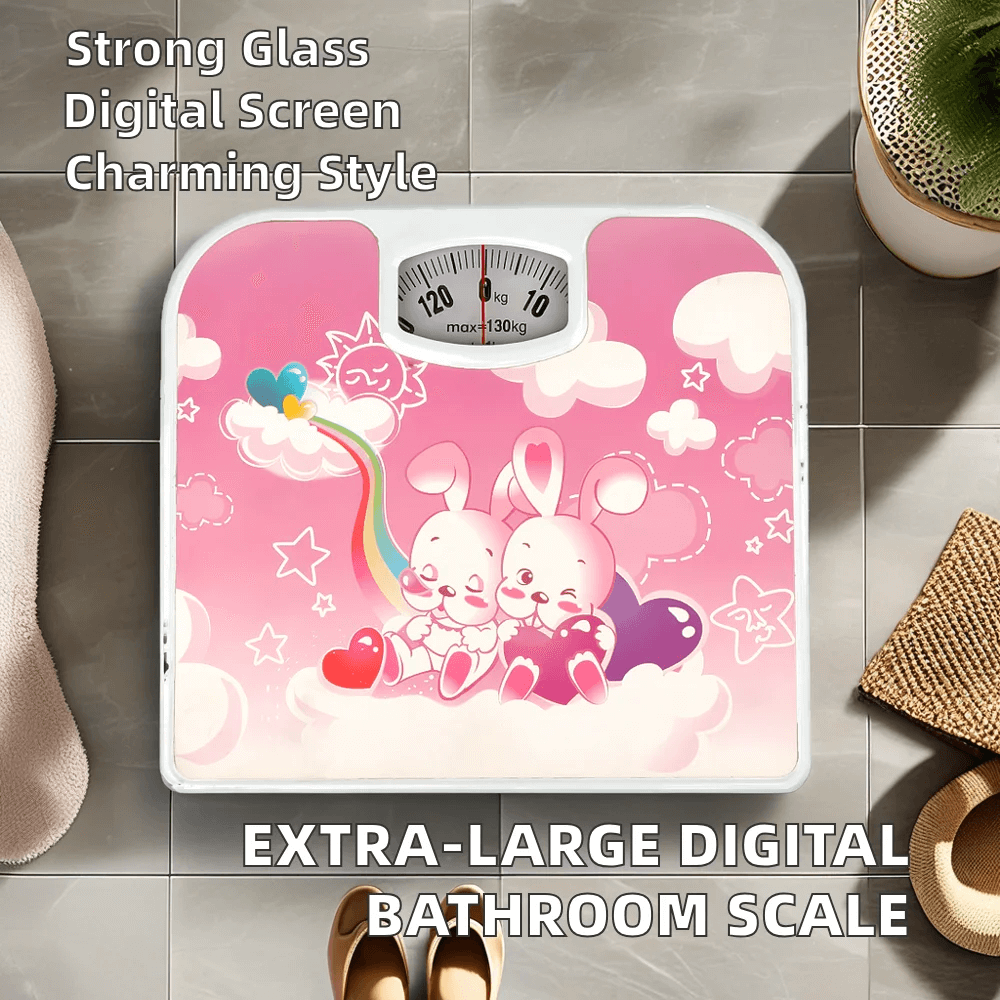
Mechanical Body Fat Scale
- How Mechanical Body Fat Percentage Scale Work
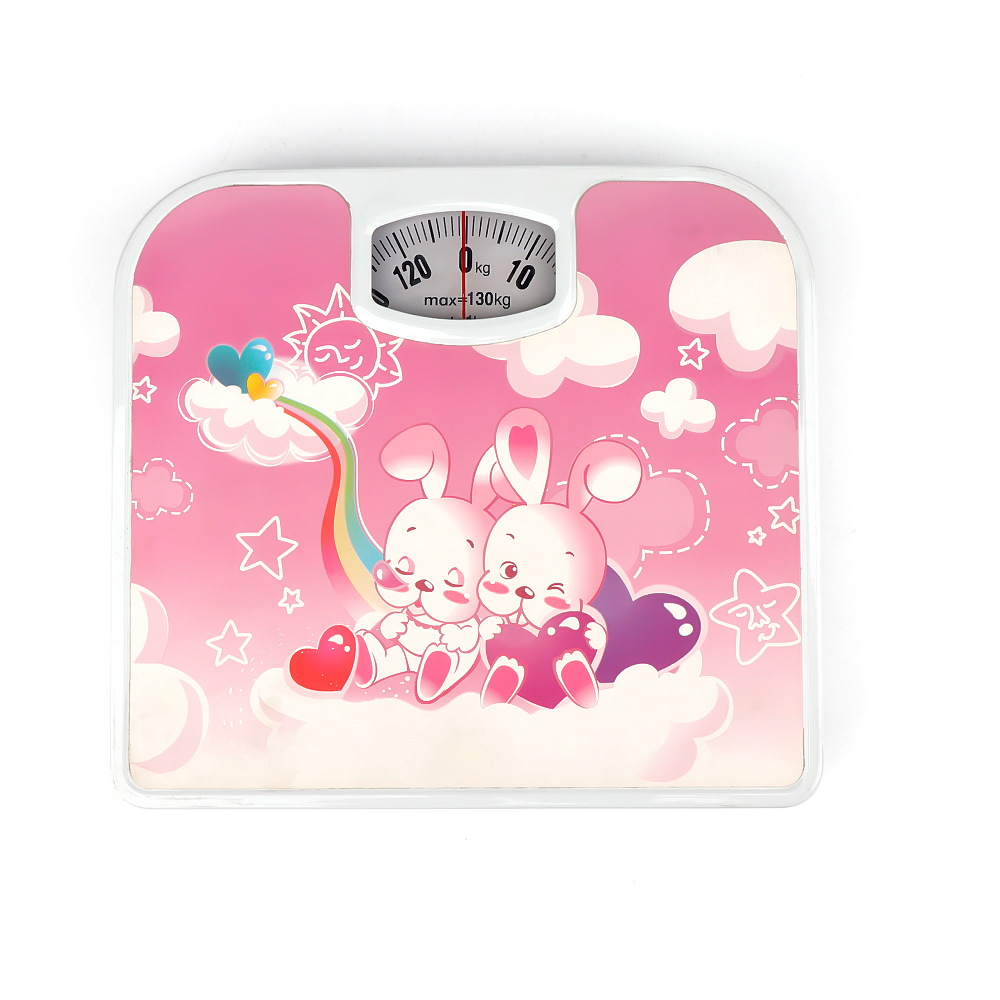
Mechanical best body fat scale operate on a relatively simple principle. They typically use a spring mechanism. When a person stands on the scale, the weight of the body compresses the spring. The amount of compression is then translated into a weight reading through a mechanical linkage and a display mechanism, often a dial. The more the spring is compressed, the higher the weight reading on the scale. - Accuracy Characteristics of Mechanical Body Composition and Scale
Mechanical scales are generally considered to be less accurate compared to their digital counterparts. Over time, the springs in these scales can lose their elasticity. This can lead to the scale consistently under - or over - estimating weights. Additionally, mechanical scales may not be as sensitive to small changes in weight. They often have a larger margin of error, typically in the range of ±1 - 2 pounds. This is because the mechanical components can be subject to wear and tear, and the calibration can drift easily.
Digital Body Scale
- The Working Principle of Digital Most Accurate Body Fat Scale
Digital scales, on the other hand, use advanced technology. Most digital body pod scale are equipped with load cells. These load cells contain strain gauges. When a weight is placed on the scale, the load cell deforms slightly, which causes a change in the electrical resistance of the strain gauges. This change in resistance is then converted into an electrical signal. The scale's microprocessor processes this signal and calculates the weight, which is then displayed on an LCD or LED screen. - Accuracy of Digital Best Body Fat Percentage Scale
Digital scales are generally more accurate than mechanical scales. High - quality digital best scale for body fat can have an accuracy of ±0.1 - 0.2 pounds. They are also more sensitive to small changes in weight, making them a better choice for those who need to monitor their weight closely, such as people on a strict diet or fitness regime. However, the accuracy of digital best weight scale with body fat can also be affected by various factors, which we will discuss in detail later.
Smart Best Scale to Measure Body Fat
- Functionality of Smart Body Fat Composition Scale
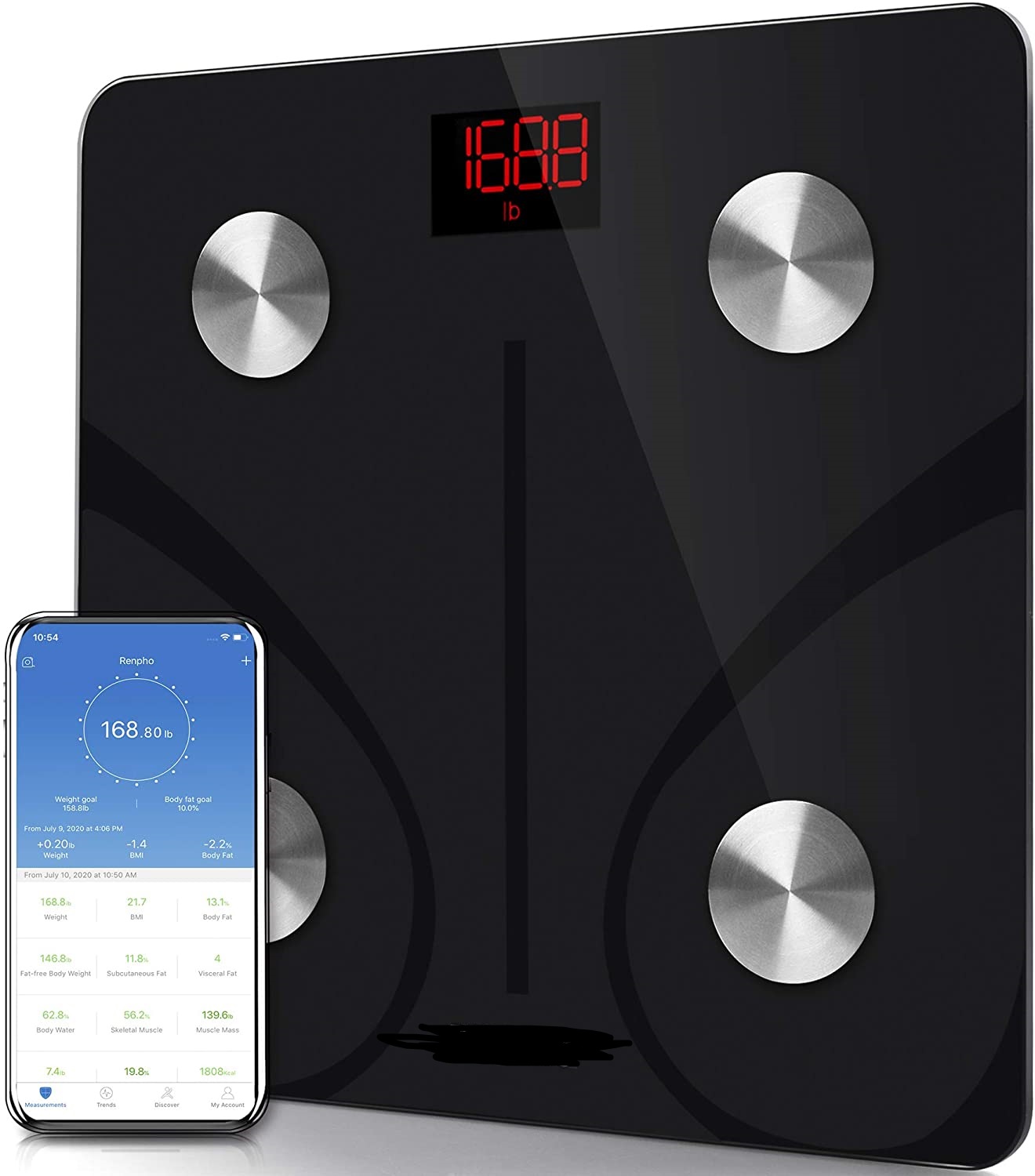
Smart scales are an evolution of digital scales. In addition to measuring weight, they can also measure other body metrics such as body fat percentage, muscle mass, and water content. Smart scales use bioelectrical impedance analysis (BIA). They send a small, harmless electrical current through the body (the current travels more easily through water - rich tissues like muscle and less easily through fat). Based on the resistance encountered by the current, the scale can estimate body composition. These scales can also connect to smartphones or other devices via Bluetooth or Wi - Fi, allowing users to track their data over time, set goals, and even share their health information. - Accuracy of Smart Scales for Weight and Body Composition
When it comes to weight measurement, smart scales can be as accurate as regular digital scales, provided they are of good quality. However, the accuracy of body composition measurements is more debatable. BIA technology is affected by many factors, including hydration levels, the time of day, and recent exercise. For example, if a person is dehydrated, the body fat percentage calculated by the smart scale may be over - estimated. As a result, while smart scales can provide useful trends in body composition over time, their absolute accuracy for these measurements may not be as high as their weight - measuring capabilities.

Factors Affecting the Accuracy of Body Weight Scale
Scale Calibration
- The Importance of Calibration
Calibration is crucial for the accuracy of any scale. Digital body weight scale need to be calibrated to ensure that they provide accurate weight readings. Calibration involves adjusting the scale's internal settings so that it correctly measures the weight of known reference weights. If a scale is not calibrated properly, it can give incorrect readings. For example, a scale that has not been calibrated may consistently show a weight that is 2 - 3 pounds higher or lower than the actual weight. - How Calibration is Done
Manufacturers usually calibrate scales at the factory using precise calibration weights. However, over time, the calibration of a scale can drift. Some high - end scales have a self - calibration feature. These body weight balance scale use an internal mechanism to check and adjust their calibration periodically. For other scales, calibration may need to be done manually. This can involve using calibration weights (which can be purchased separately) and following the scale's calibration procedure as described in the user manual. Regular calibration, at least once every few months, is recommended to maintain accuracy.
Surface Conditions
- The Impact of Uneven Surfaces
The surface on which a human body weight scale is placed can have a significant impact on its accuracy. Uneven surfaces can cause the scale to tilt, which in turn can affect the way the load cells or springs inside the scale operate. For example, if a digital scale is placed on a slightly sloping floor, the weight distribution on the load cells will be uneven, leading to an inaccurate reading. Even a very small tilt can cause the scale to over - or under - estimate the weight. It is essential to place the scale on a flat, hard surface such as a tile or hardwood floor. Carpeted floors are generally not ideal as the soft surface can compress and cause the scale to shift slightly, resulting in inaccurate readings. - Surface Material and Most Accurate Body Weight Scale Performance
The material of the surface also matters. Some surfaces may not provide a stable base for the scale. For instance, a scale placed on a soft or flexible surface like a yoga mat may not give accurate results. The mat can absorb some of the force exerted by the body, leading to an incorrect weight reading. A hard, non - porous surface is best for ensuring that the scale functions properly and provides accurate measurements.
User - Related Factors
- Positioning on the Best Body Weight Scale
How a person stands on the scale can affect the accuracy of the reading. It is important to stand still, with your feet evenly distributed on the scale's platform. Leaning to one side or shifting your weight can cause the scale to give an inaccurate reading. For example, if you stand with most of your weight on one foot, the best scale for weight and body fat may measure a lower weight than your actual weight. Additionally, make sure that your body is centered on the scale and that you are not touching any other objects while being weighed. - Clothing and Accessories
The clothing and accessories you are wearing when using the body fat weight scale can also impact the reading. Wearing heavy clothing, shoes, or carrying a bag can add extra weight. If you want to get an accurate measure of your body weight, it is best to weigh yourself in minimal clothing, such as underwear. Even a thick bathrobe can add a significant amount of weight to the reading. Similarly, wearing a watch or jewelry can also contribute to a higher weight measurement.
Environmental Factors
- Temperature and Humidity
Extreme temperatures and high humidity levels can affect the performance of weighing scale body weight. In very cold temperatures, the materials inside the scale, such as the springs in mechanical scales or the electronic components in digital scales, can contract or expand, which may lead to inaccurate readings. High humidity can also cause corrosion in the metal parts of the scale, especially in mechanical scales, and can interfere with the electrical components in digital body composition scale. Most best body composition scale are designed to operate within a certain temperature range, usually around 50 - 100°F (10 - 38°C), and a relative humidity range of 30 - 80%. - Electrical Interference
Digital and smart scales are sensitive to electrical interference. If the scale is placed near other electrical devices such as a TV, a refrigerator, or a microwave, the electromagnetic fields emitted by these devices can interfere with the scale's electronics. This interference can cause the scale to give erratic or inaccurate readings. It is advisable to keep the scale away from such electrical appliances to ensure accurate performance.

Testing the Accuracy of Best Scale for Body Composition
Using Calibration Weights
- How to Use Calibration Weights
Calibration weights are available in different sizes and are used to test and calibrate most accurate body composition scale. To test the accuracy of a scale using calibration weights, first, place the scale on a flat, hard surface. Then, turn on the scale (if it's a digital or smart scale). Place the calibration weight on the scale. The scale should display the weight of the calibration weight accurately. If the reading is significantly different from the actual weight of the calibration weight, the scale may need to be calibrated or repaired. For example, if you use a 5 - pound calibration weight and the scale reads 4.5 pounds or 5.5 pounds, there is likely an issue with the scale's accuracy. - Choosing the Right Calibration Weights
When choosing calibration weights, make sure they are accurate and of good quality. Look for weights that are certified by a recognized standards organization. The weight of the calibration weight you choose should be within the range of weights you typically measure on the taylor body composition scale. For a standard best body composition scale 2024, calibration weights in the range of 5 - 20 pounds are usually sufficient for testing accuracy.
Comparing with a Known - Accurate Scale
- Finding a Reliable Comparison Body Composition Scale Accuracy
Another way to test the accuracy of a body composition scale taylor is to compare its readings with those of a known - accurate scale. You can use the scales at a doctor's office, a gym, or a professional weighing facility. These scales are usually calibrated regularly and are likely to be more accurate. Weigh yourself on your home scale first, and then immediately weigh yourself on the known - accurate scale. Compare the two readings. If there is a significant difference between the two weights, it may indicate that your home scale is inaccurate. - Accounting for Variables in the Comparison
When comparing scales, it's important to account for variables. Make sure you are wearing the same clothing and in a similar physical state (e.g., not having just exercised or consumed a large amount of water) when weighing yourself on both scales. Also, consider the calibration and surface conditions of both scales. If the known - accurate scale is also not placed on an ideal surface, it may also give inaccurate readings, which could lead to a false conclusion about the accuracy of your home scale.
Ensuring Accurate Readings from Body Fat Scales
Proper Scale Placement
- Selecting the Ideal Location
As mentioned earlier, the location where you place your body weight scales is crucial for accurate readings. Choose a flat, hard surface in a dry area. Avoid placing the scale in a bathroom that is frequently wet, as moisture can damage the scale. A corner of the bathroom with a tile or hardwood floor is an ideal location. If you don't have a suitable surface in the bathroom, you can also place the scale in another room, such as a bedroom, as long as the surface is flat and stable. - Avoiding Vibrations
Vibrations can also affect the accuracy of digital scale body weight. Do not place the scale near a washing machine, a dryer, or a busy hallway where people are constantly walking by. Vibrations from these sources can interfere with the internal components of the scale, especially in digital and smart scales, causing inaccurate readings. If you live in a multi - story building, avoid placing the scale near areas where there is a lot of foot traffic or where heavy objects are being moved around, as the vibrations from these activities can transmit through the floor and affect the scale.
Regular Maintenance
- Cleaning the Scale Body Fat
Regular cleaning of the scale is essential for its proper functioning. Wipe down the scale with a clean, dry cloth after each use. This helps to remove any dirt, dust, or moisture that may have accumulated on the scale. If there are stubborn stains, you can use a mild detergent and water, but make sure to dry the scale thoroughly before using it again. In the case of smart scales, also clean the electrodes (if applicable) to ensure proper contact and accurate body composition measurements. - Checking for Damage
Inspect the scale regularly for any signs of damage. Look for cracks in the platform, loose wires (in digital scales), or any visible signs of wear and tear. If you notice any damage, it is important to have the scale repaired or replaced. A damaged scale is likely to give inaccurate readings. For example, if the platform of a digital scale is cracked, it may not distribute the weight evenly, leading to incorrect measurements.

Understanding Scale Limitations
- Accepting the Margin of Error
All body scale fat, no matter how accurate they are, have a margin of error. It's important to understand and accept this margin of error. As mentioned earlier, mechanical scales typically have a larger margin of error compared to digital scales. Even the most accurate digital scales may have a small margin of error, usually within ±0.1 - 0.2 pounds. When tracking your weight over time, focus on trends rather than small, single - reading differences. For example, if your scale shows a 0.5 - pound difference in consecutive readings, it may be within the normal margin of error. - Using the Digital Body Scale for General Monitoring
Bathroom scales are a useful tool for general weight monitoring, but they should not be considered as medical - grade devices. They are designed for home use and provide a good estimate of your weight. If you need highly accurate weight measurements for medical purposes, it is best to consult a healthcare professional who has access to more precise weighing equipment. However, for day - to - day weight management, a well - maintained and properly used bathroom scale can be a valuable asset.
Conclusion
The accuracy of body weighing scale can vary depending on several factors, including the type of scale, calibration, surface conditions, user - related factors, and environmental factors. Body fat analyzer scale generally offer higher accuracy compared to mechanical scales, and smart scales can be accurate for weight measurement but may have limitations in body composition accuracy. By understanding these factors and taking the necessary steps such as proper calibration, correct scale placement, regular maintenance, and being aware of scale limitations, users can ensure that they get the most accurate readings possible from their bathroom scales. This, in turn, can be helpful for effective weight management and overall health monitoring.
How durable are shipping scales?
How accurate are breathalyzers?
Related Article
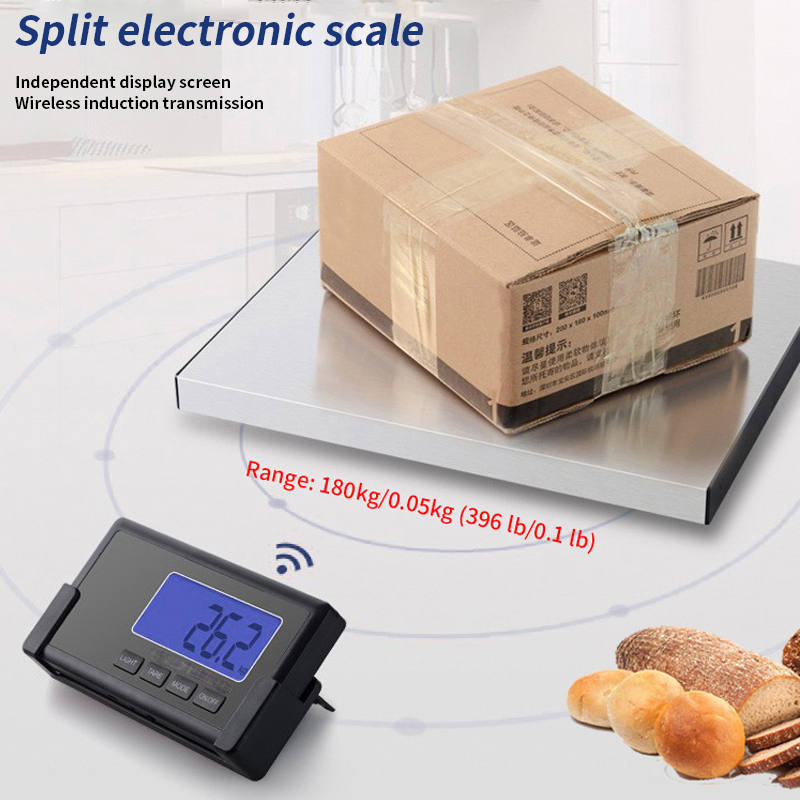
In the world of logistics and shipping, accuracy and efficiency are paramount. For businesses and individuals dealing with large packages or pallets, a reliable wireless shipping scale is an indispensable tool. One of the most critical questions that arises when selecting such a scale is: "What's the maximum weight capacity of a reliable wireless shipping scale suitable for shipping large packages or pallets?"
What's the Maximum Weight Capacity of a Reliable Wireless Shipping Scale Suitable for Shipping Large Packages or Pallets?
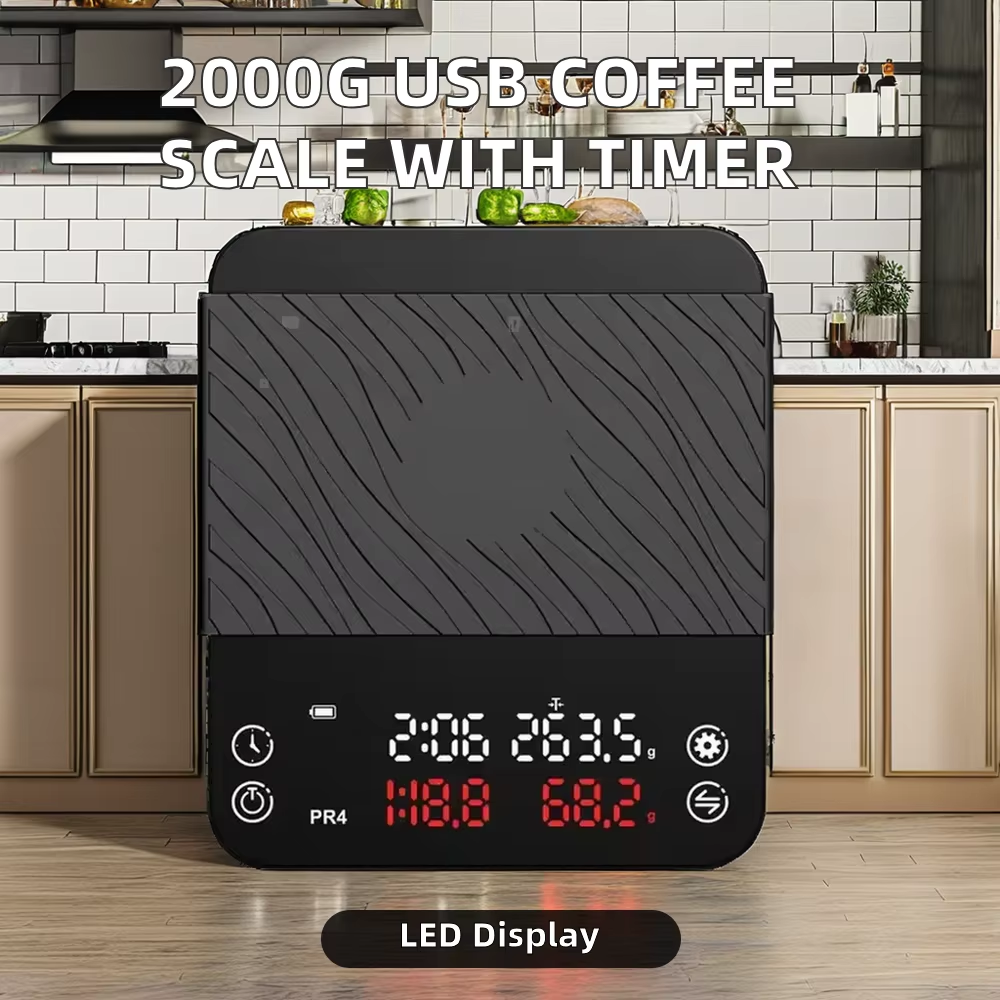
For coffee enthusiasts and baristas, the espresso scale is an indispensable tool. It ensures that each shot adheres to the precise coffee-to-water ratios that define a balanced, flavorful espresso. Among the key considerations when choosing an espresso scale is its weight capacity—the maximum weight it can accurately measure.
What's the Ideal Weight Capacity for an Espresso Scale Considering the Typical Amounts of Coffee and Water Used in a Shot?

The spoon scale has become a popular tool in home kitchens, beloved for its convenience in measuring small amounts of ingredients, especially spices, baking powders, and other seasonings. However, many users encounter a frustrating issue: their spoon scale gives inconsistent readings for the same ingredient.
My Spoon Scale Seems to Give Inconsistent Readings for the Same Ingredient. What Could Be the Problem and How Can I Fix It?

In the intricate world of jewelry, precision in weighing is of utmost importance. Whether it's determining the value of a rare gemstone, ensuring the correct amount of precious metal in a piece, or verifying the authenticity of a jewelry item, the right mini jewelry scale can make all the difference.
What's the Most Accurate Mini Jewelry Scale for Weighing Tiny Gemstones and Can It Measure Down to Milligrams?