
What Factors Can Affect the Accuracy of a Body Scale?
2025-04-18

Table of Contents
-
- [How Body Scales Work]
- Factors Affecting the Accuracy of Body Scales]
-
- [User - Related Factors]
-
- [Scale - Specific Factors]
- Achieving Precise Measurements with Body Scales]
- Expert Opinions on Body Scale Accuracy]
- Frequently Asked Questions (FAQ) about Body Scale Accuracy]
- Related: In - Depth Analysis of Body Scales]
- Conclusion
Introduction
A body scale is a common household item used for monitoring weight, which is crucial for health management, fitness tracking, and overall well - being. However, many users may find that the readings on their body scale vary, leading to confusion about their actual weight. Understanding the factors that can affect the accuracy of a body scale is essential for obtaining reliable and consistent measurements. In this comprehensive news article, we will explore the various elements that can impact the precision of body scales, from environmental conditions to user behavior and scale - specific characteristics. We will also provide practical tips on how to achieve accurate measurements and hear from experts in the field.
Understanding the Basics of Body Scales
How Body Scales Work
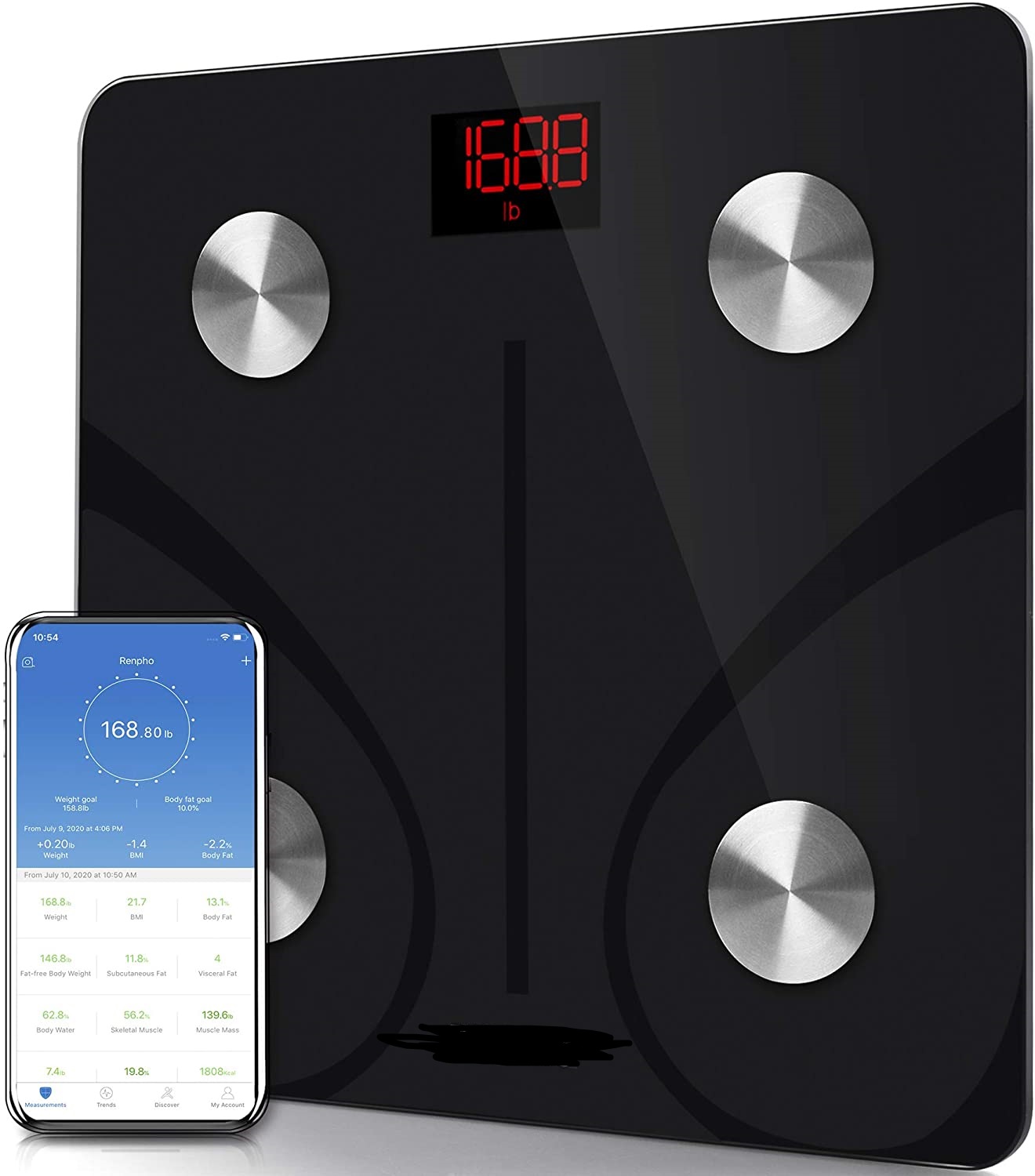
Most modern body scales use load cells or strain gauges to measure weight. When a person stands on the scale, the force exerted by their body causes a deformation in these sensors. Load cells, for example, convert the mechanical force of weight into an electrical signal. This electrical signal is then processed by an internal microcontroller, which converts it into a digital weight reading displayed on the scale's screen. Some advanced body scales may also incorporate additional sensors to measure other metrics such as body fat percentage, muscle mass, and hydration levels, but the core principle of weight measurement remains the same.
Key Components of Body Fat Scales
- Load Cells/Strain Gauges: These are the primary sensors responsible for detecting the weight. High - quality load cells or strain gauges are designed to have a linear response to weight changes, ensuring accurate measurement across the scale's capacity.
- Microcontroller: The microcontroller processes the electrical signals from the sensors, performs calculations, and controls the display. It also manages any additional features such as unit conversion, memory storage, and connection to mobile apps (in the case of smart scales).
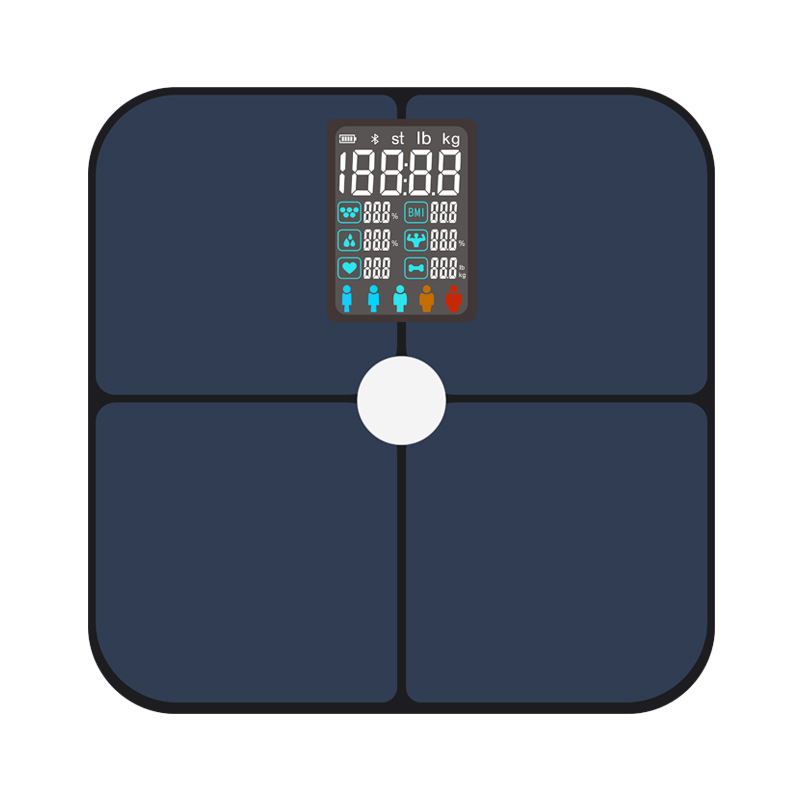
- Display: The display shows the weight and other measured data. It can be a simple LCD (Liquid Crystal Display) or a more advanced touch - screen display, depending on the scale model.
- Power Source: Body weight scales are typically powered by batteries (AA, AAA, or coin - cell) or are rechargeable. A stable power source is necessary for consistent operation, as low battery levels can sometimes affect the accuracy of the readings.
- Platform: The platform is the surface on which the user stands. It should be sturdy and large enough to provide a stable base for accurate weighing.
Common Parameters of Smart Body Scales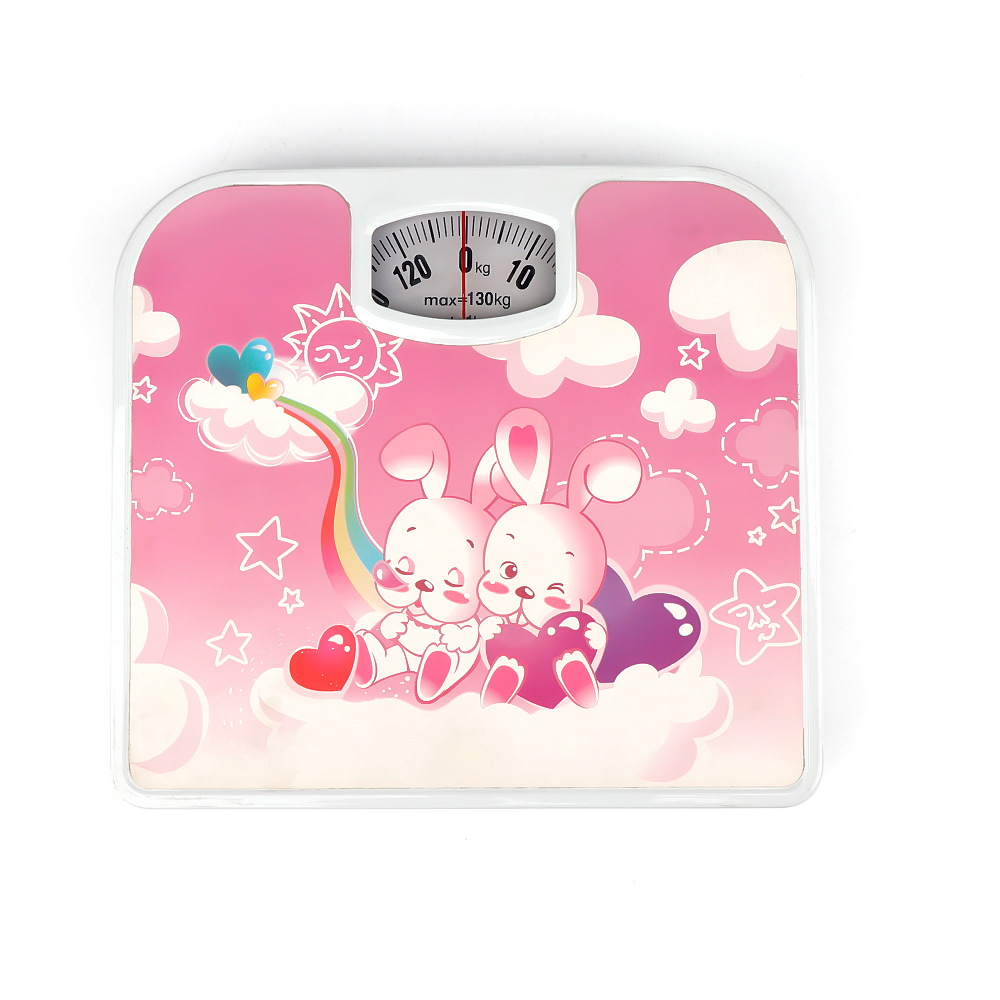
|
Parameter
|
Description
|
Typical Range
|
|
Weight Capacity
|
The maximum weight the scale can measure
|
150 - 400 pounds (68 - 181 kg). Standard household scales usually have a capacity of 200 - 300 pounds (91 - 136 kg), while heavy - duty models can handle up to 400 pounds (181 kg).
|
|
Precision
|
The smallest increment by which the scale can measure weight
|
0.1 - 1 pound (0.05 - 0.5 kg). Higher - end scales often offer a precision of 0.1 pounds (0.05 kg), allowing for more detailed weight tracking.
|
|
Measurement Units
|
The units in which the scale displays weight
|
Pounds (lbs), kilograms (kg), and sometimes ounces (oz). Some scales also support multiple units and allow users to switch between them.
|
|
Body Composition Metrics
|
Additional measurements such as body fat percentage, muscle mass, and hydration level
|
Vary by scale model. Some basic scales only measure weight, while more advanced models can provide a range of body composition data.
|
|
Connectivity
|
The ability to connect to mobile devices or other platforms
|
Bluetooth or Wi - Fi connectivity is common in smart scales, enabling users to sync their data with fitness apps or health trackers.
|
|
Battery Life
|
The duration for which the scale can operate on a single set of batteries
|
6 - 12 months for battery - operated scales, depending on usage frequency. Rechargeable scales can last several months between charges.
|
Factors Affecting the Accuracy of Scale Body Fat
Environmental Factors
- Surface Unevenness: Placing a body composition scale on an uneven surface, such as a carpet, a slanted floor, or a surface with bumps, can cause the scale to wobble. This instability affects the load distribution on the sensors, leading to inaccurate readings. For example, if one corner of the scale is slightly elevated on a carpeted floor, it may register a lower weight than the actual value.
- Temperature and Humidity: Extreme temperatures and high humidity can impact the performance of the scale's sensors. Cold temperatures can cause the materials in the load cells or strain gauges to contract, while heat can cause expansion. This can alter the electrical properties of the sensors, resulting in inaccurate weight measurements. High humidity can also lead to moisture accumulation inside the scale, potentially causing corrosion or electrical malfunctions over time.
- Vibrations: External vibrations, such as those from nearby appliances (e.g., washing machines, dryers), footsteps, or heavy traffic, can interfere with the scale's readings. Vibrations can cause the sensors to generate false electrical signals, leading to fluctuating or incorrect weight values.
User - Related Factors
- Positioning on the Scale: Where a person stands on the body scale fat matters. Standing off - center or on one foot can shift the weight distribution and cause the scale to give an inaccurate reading. For accurate measurement, users should stand in the center of the scale with their feet evenly spaced.
- Clothing and Accessories: Wearing heavy clothing, shoes, or carrying items while weighing can add extra weight to the measurement. Even light clothing can make a difference if precise weight tracking is required. To get the most accurate weight, it's best to weigh in minimal clothing or while wearing the same type of clothing each time.
- Body Movements: Moving around or fidgeting while on the scale can also affect the accuracy. Sudden movements can cause the sensors to register momentary changes in force, resulting in inconsistent readings. It's important to stand still and remain calm while the scale is taking the measurement.
- Time of Day and Recent Activities: Weight can fluctuate throughout the day due to factors such as food and water intake, digestion, and sweating. Weighing immediately after a large meal or intense exercise can lead to inaccurate results. Additionally, hormonal changes in the body can also cause weight variations, especially in women during their menstrual cycle.
Scale - Specific Factors
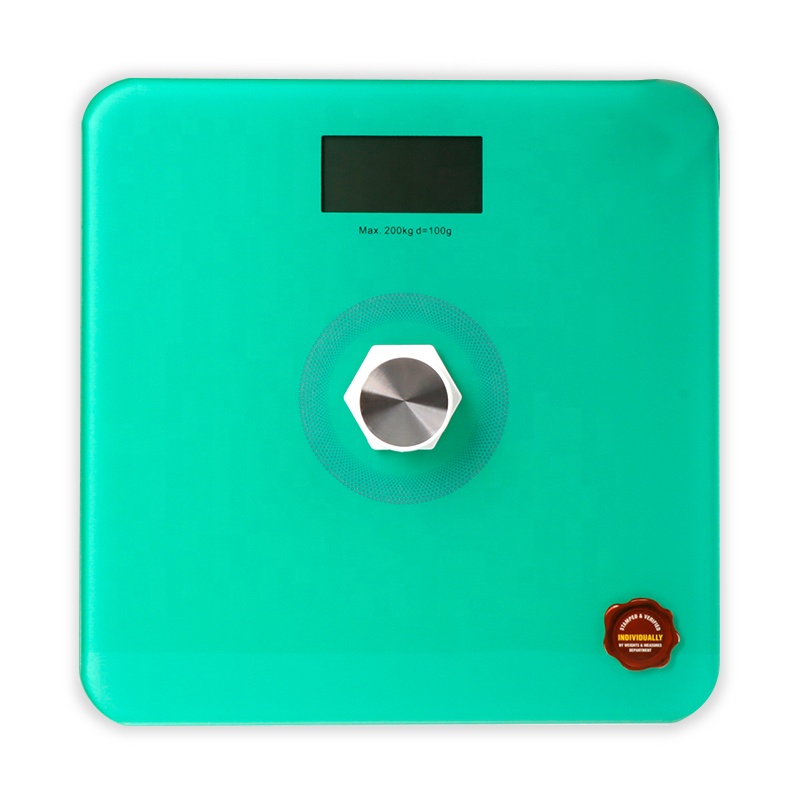
- Calibration: Over time, the sensors in a digital body scale can drift, causing the readings to become inaccurate. Regular calibration is essential to ensure that the scale is measuring weight correctly. Some scales have an automatic calibration feature, while others require manual calibration using a known - weight object. If a scale has not been calibrated for a long time or has been dropped or damaged, its accuracy may be compromised.
- Quality of Components: The quality of the load cells, microcontroller, and other components in a body analysis scale significantly impacts its accuracy. Cheaper scales may use lower - quality sensors that are more prone to errors and have a shorter lifespan. High - end scales, on the other hand, often feature precision - engineered components that provide more reliable and accurate measurements.
- Age and Wear - and - Tear: As a body weighing scale ages, its components can wear out, leading to a decline in accuracy. The load cells may lose their sensitivity, and the internal connections may become loose. Regular use, especially if the scale is used frequently or by multiple people, can accelerate this wear - and - tear process.

Achieving Precise Measurements with Weight Scale Human Body
Proper Scale Placement
- Choose a Flat Surface: Place the body fat analyzer scale on a hard, flat surface such as a tile or hardwood floor. Avoid carpets, rugs, or uneven surfaces. If using the scale on a carpeted floor, consider placing a thin, rigid board underneath to create a more stable base.
- Ensure Stability: Make sure the scale is firmly placed on the surface and does not wobble. Check that all four feet of the scale are in full contact with the floor. If the scale is not stable, adjust its position or use leveling feet (if available) to correct any unevenness.
Regular Calibration
- Follow the Manufacturer's Instructions: Refer to the user manual of your personal body scale for the calibration procedure. Some scales may require you to press a specific button combination or use a calibration weight. If your scale has an automatic calibration feature, ensure that it is functioning properly.
- Calibrate Periodically: Even if your scale has an automatic calibration system, it's a good idea to manually calibrate it every few months. If you notice any significant discrepancies in the readings or if the scale has been dropped or exposed to extreme conditions, calibrate it immediately.
Correct Usage Techniques
- Weigh at the Same Time of Day: To get consistent and comparable weight measurements, weigh yourself at the same time of day, preferably in the morning after using the bathroom and before eating or drinking. This helps minimize the impact of daily weight fluctuations.
- Wear Minimal Clothing: For the most accurate weight, weigh in minimal clothing or wear the same type of clothing each time. Remove shoes, jewelry, and any other accessories that may add extra weight.
- Stand Still and Center Yourself: When stepping onto the scale, stand in the center with your feet evenly spaced. Avoid leaning or shifting your weight. Remain still and wait for the scale to display a stable reading before stepping off.
Expert Opinions on Body Scale Bathroom Accuracy
We spoke to several experts in the fields of fitness, health, and consumer electronics to get their perspectives on body plateform scale accuracy.
Dr. Lisa Smith, a nutritionist and fitness expert: "Accurate weight measurement is important for tracking progress in weight management and fitness goals. However, many people don't realize how much factors like surface unevenness and clothing can affect the readings. I always recommend my clients to place their scales on a flat surface and weigh in the same conditions each time to get reliable data."
John Doe, a product engineer specializing in consumer scales: "The quality of components and regular calibration are key to maintaining the accuracy of mechanical body scale. Cheaper scales may seem like a good deal initially, but they often lack the precision and durability of higher - end models. Consumers should also be aware that all scales, regardless of price, require proper care and maintenance."
Jane Brown, a consumer advocate: "When buying a body scale electronic, look for models with good reviews and a reputation for accuracy. It's also important to read the user manual carefully to understand how to use the scale correctly and calibrate it. Don't rely solely on the scale's readings; use it as one tool among many for monitoring your health."
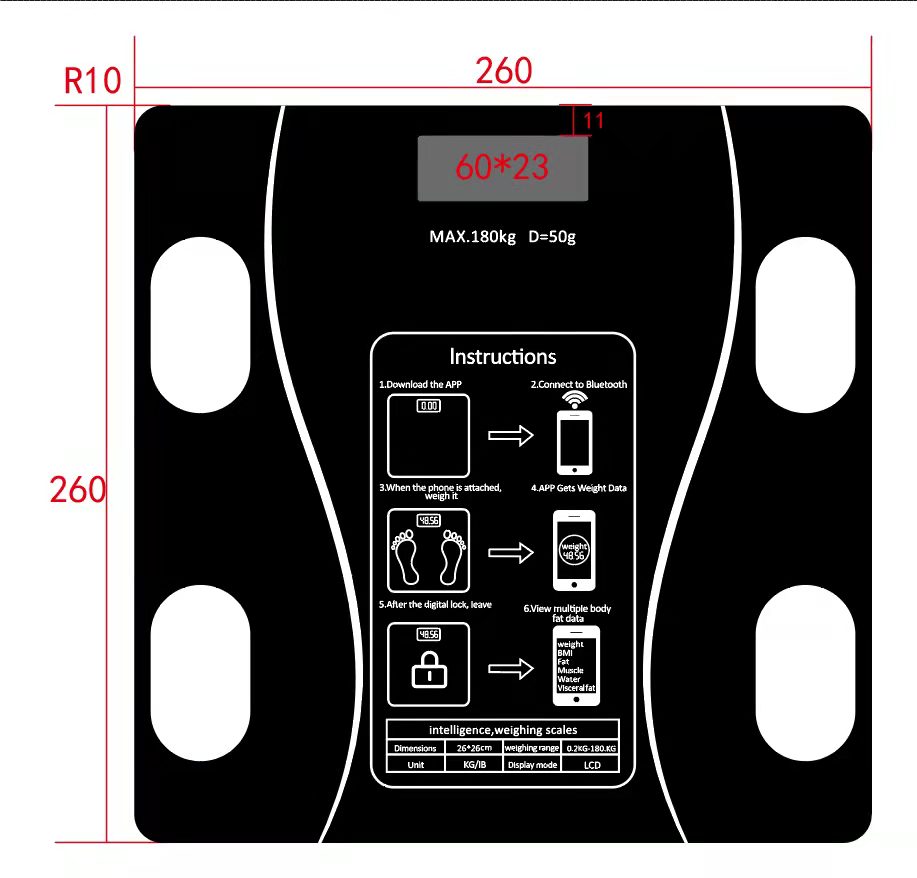
Frequently Asked Questions (FAQ) about Scales Body Accuracy
Q1: Can I use a bathroom scale on a carpet?
A: It's not ideal to use a digital bathroom scales on a carpet as it can cause the scale to wobble and give inaccurate readings. If you must use it on a carpet, place a thin, rigid board underneath to create a more stable surface. However, for the most accurate results, it's best to use the scale on a hard, flat surface like a tile or hardwood floor.
Q2: How often should I calibrate my bathroom scales?
A: The calibration frequency depends on the scale model and its usage. For most digital bathroom scale, it's recommended to calibrate them every 3 - 6 months. If you notice any significant discrepancies in the readings, if the scale has been dropped or exposed to extreme conditions, or if the scale has an automatic calibration feature that doesn't seem to be working properly, calibrate it immediately.
Q3: Do different types of digital scales bathroom have different levels of accuracy?
A: Yes, the accuracy of bathroom digital scale can vary depending on the type, brand, and price. High - end digital scales with advanced sensors and calibration systems generally offer higher accuracy compared to basic mechanical scales or cheaper digital models. Smart scales that measure additional body composition metrics may also have different levels of accuracy for those specific measurements.
Q4: Can my body's natural weight fluctuations affect the scale's accuracy?
A: Natural weight fluctuations throughout the day are normal and are not related to the scale's accuracy. Factors such as food and water intake, digestion, and sweating can cause temporary changes in weight. To get an accurate picture of your weight, weigh yourself at the same time of day, under the same conditions, and over an extended period to track trends rather than focusing on daily variations.
Q5: What should I do if my best bathroom scale gives inconsistent readings?
A: First, check the scale's placement. Make sure it's on a flat, stable surface. Then, check the battery level if it's a battery - operated scale, as low battery can sometimes cause inaccurate readings. If the problem persists, try calibrating the scale according to the manufacturer's instructions. If the issue still isn't resolved, it may be a sign of a faulty scale, and you should contact the manufacturer for support or consider replacing it.

Related: In - Depth Analysis of Best Digital Bathroom Scale
For a more comprehensive look at bathroom weight scales, including detailed product reviews, comparisons of different models, and tips on choosing the right scale for your needs, check out our previous article:
This article covers everything from the latest technological advancements in bathroom weight scale to user experiences and expert - recommended products. It also provides insights into the different types of scales available and how to make the most of their features.
Conclusion
The accuracy of an accurate bathroom scales is influenced by a variety of factors, ranging from environmental conditions and user behavior to the scale's own characteristics and maintenance. By understanding these factors and taking the necessary steps to address them, such as proper scale placement, regular calibration, and correct usage, users can obtain more reliable and consistent weight measurements. Whether you're using a best body fat scale for fitness tracking, weight management, or general health monitoring, being aware of these elements will help you make the most of this essential household device.
What Are the Features to Look for in a Digital Postal Scale?
How do I use an alcohol tester correctly?
Related Article
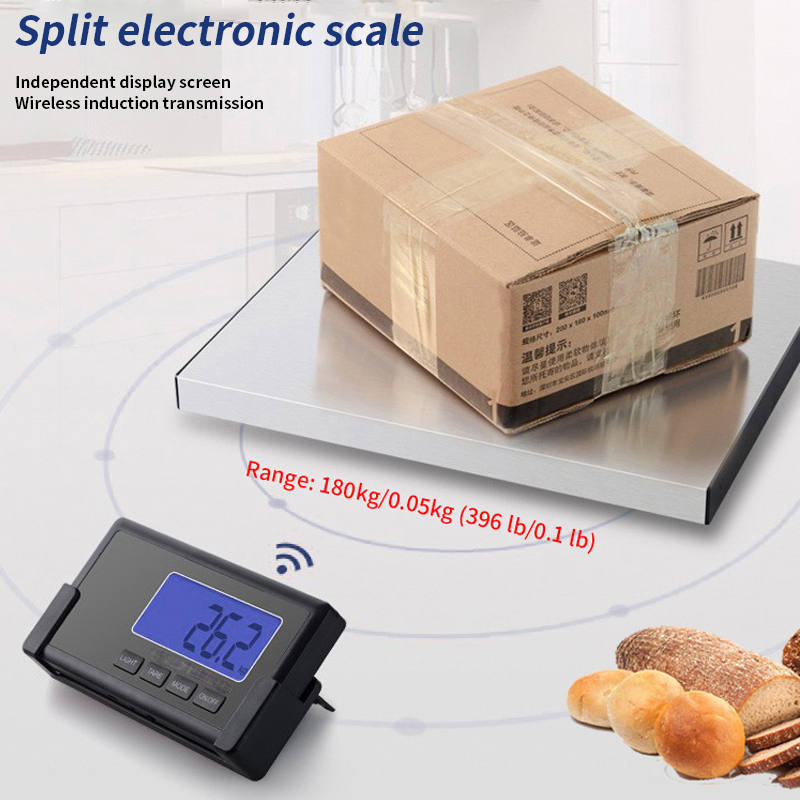
In the world of logistics and shipping, accuracy and efficiency are paramount. For businesses and individuals dealing with large packages or pallets, a reliable wireless shipping scale is an indispensable tool. One of the most critical questions that arises when selecting such a scale is: "What's the maximum weight capacity of a reliable wireless shipping scale suitable for shipping large packages or pallets?"
What's the Maximum Weight Capacity of a Reliable Wireless Shipping Scale Suitable for Shipping Large Packages or Pallets?
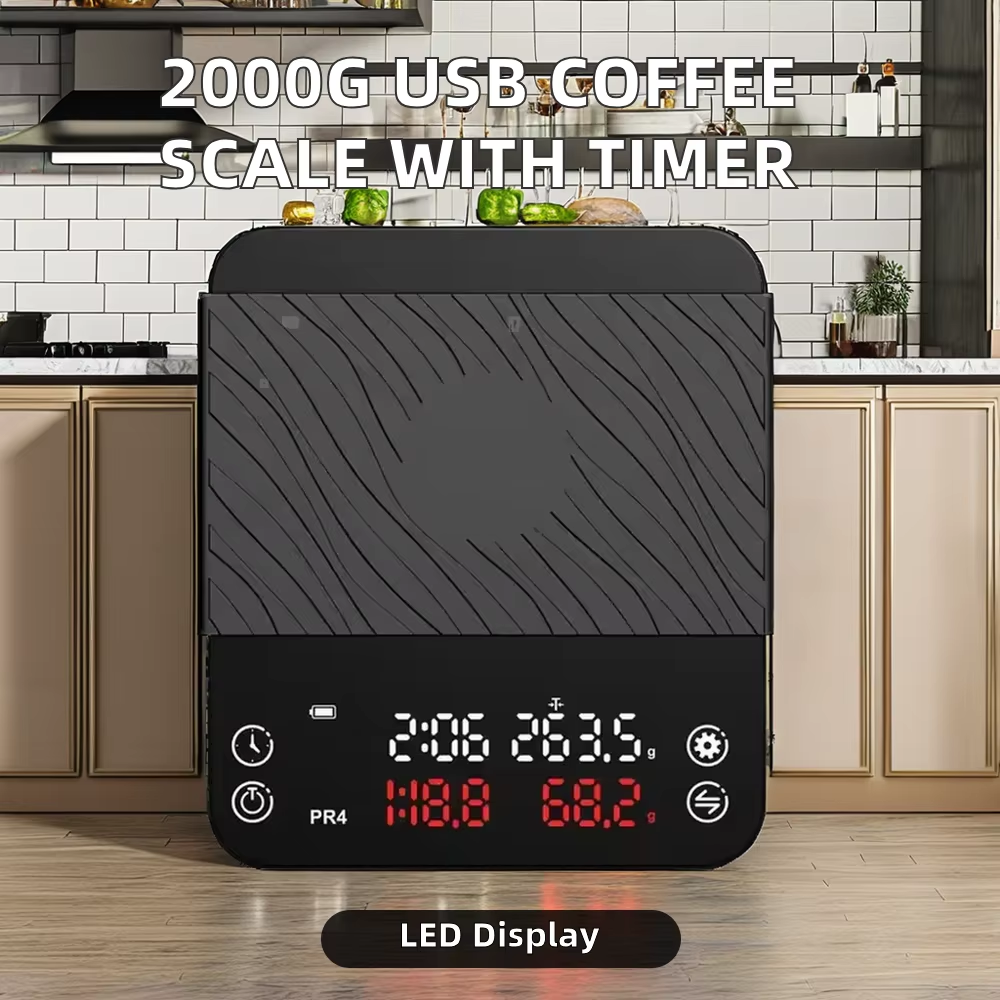
For coffee enthusiasts and baristas, the espresso scale is an indispensable tool. It ensures that each shot adheres to the precise coffee-to-water ratios that define a balanced, flavorful espresso. Among the key considerations when choosing an espresso scale is its weight capacity—the maximum weight it can accurately measure.
What's the Ideal Weight Capacity for an Espresso Scale Considering the Typical Amounts of Coffee and Water Used in a Shot?

The spoon scale has become a popular tool in home kitchens, beloved for its convenience in measuring small amounts of ingredients, especially spices, baking powders, and other seasonings. However, many users encounter a frustrating issue: their spoon scale gives inconsistent readings for the same ingredient.
My Spoon Scale Seems to Give Inconsistent Readings for the Same Ingredient. What Could Be the Problem and How Can I Fix It?

In the intricate world of jewelry, precision in weighing is of utmost importance. Whether it's determining the value of a rare gemstone, ensuring the correct amount of precious metal in a piece, or verifying the authenticity of a jewelry item, the right mini jewelry scale can make all the difference.
What's the Most Accurate Mini Jewelry Scale for Weighing Tiny Gemstones and Can It Measure Down to Milligrams?