
How Should I Use a Body Composition Scale to Get Accurate Results?
2025-03-07

Understanding How Body Composition Scales Work
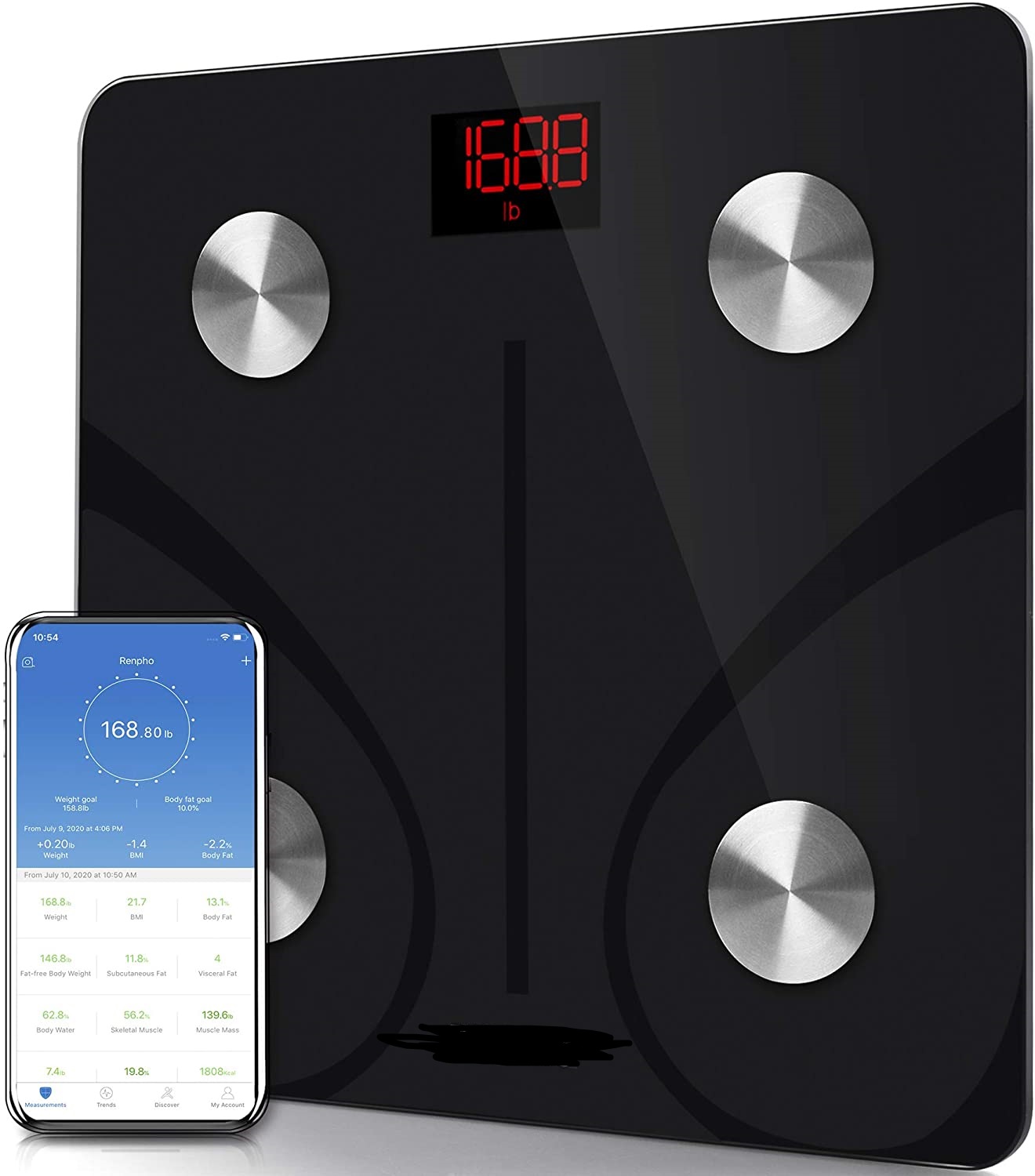
Before delving into the proper usage, it's crucial to understand the underlying technology of digital body scale. Most consumer - grade the best bathroom scales on the market today rely on a method called Bioelectrical Impedance Analysis (BIA).
The Basics of BIA
BIA works by sending a weak electrical current through the body. When this current is introduced, it encounters different levels of resistance as it passes through various tissues. Fat has a high resistance to the electrical current because it contains less water and electrolytes compared to muscle and other lean tissues. Muscle, on the other hand, has a relatively low resistance due to its high water content, which allows the electrical current to flow more easily.
The scale measures the impedance, or resistance, of the body to this electrical current. By combining this impedance value with other information such as the user's age, gender, height, and weight (which are typically inputted into the scale or a connected app), the scale uses a mathematical formula to estimate the body's composition. For example, if the impedance is high, indicating more resistance, the scale may calculate a higher body fat percentage, as fat tissue resists the electrical current more than lean tissue.
Limitations of BIA
Despite its widespread use, BIA has its limitations. Body impedance can be affected by numerous factors. For instance, hydration levels play a significant role. If a person is dehydrated, the body has less water, which can increase the impedance and lead to an overestimation of body fat percentage. Conversely, if a person is over - hydrated, the impedance may be lower, potentially resulting in an underestimated body fat percentage. Other factors such as recent exercise, which can cause temporary changes in blood flow and fluid distribution, and the time of day, as body impedance can vary throughout the day, can also impact the accuracy of BIA - based body composition scales.
Pre - Measurement Precautions
Choose the Right Scale
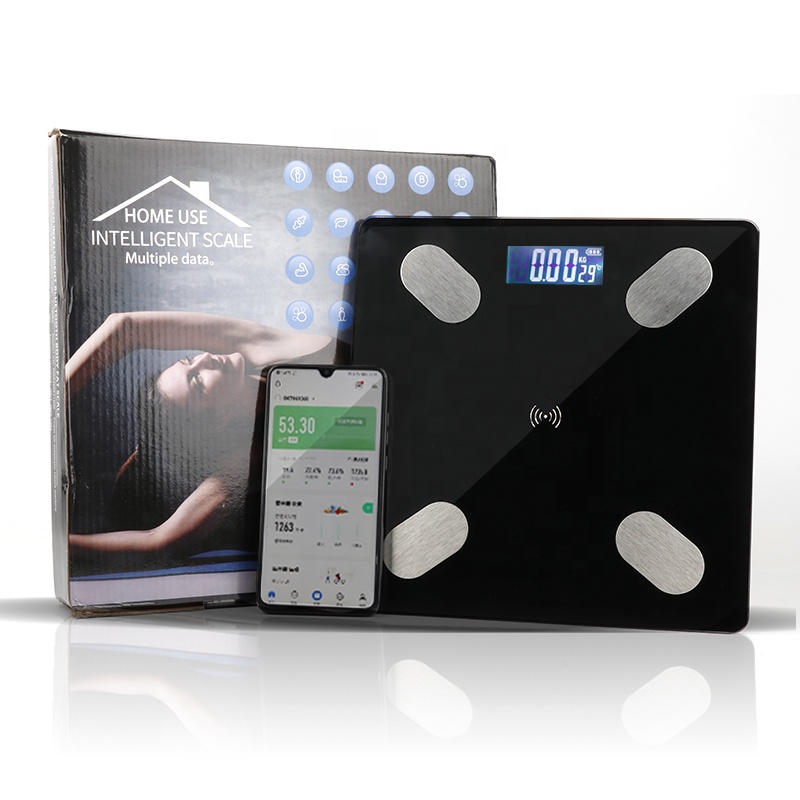
- Research Different Models: There is a wide range of bathroom scales for sale available in the market, varying in price, features, and accuracy. Look for scales from reputable brands that have been tested and reviewed positively. Some high - end scales may offer more advanced features such as multi - frequency BIA, which can provide more accurate readings by using different electrical frequencies to measure different tissue layers. For example, a scale with four - point contact (measuring from both feet and both hands) is generally more accurate than a two - point scale that only measures from the feet, as it allows the electrical current to pass through more of the body, providing a more comprehensive measurement.
- Consider Your Needs: If you are a fitness enthusiast who is serious about tracking muscle mass and body fat percentage changes, you may want to invest in a more sophisticated scale. These scales often come with additional features like the ability to store multiple user profiles, sync data with fitness apps, and provide more detailed reports on body composition metrics. On the other hand, if you are a c
 asual user who just wants a general idea of your body fat percentage, a basic, more affordable two - point scale may be sufficient.
 asual user who just wants a general idea of your body fat percentage, a basic, more affordable two - point scale may be sufficient.
Ensure Electronic Bathroom Scales Placement
- Flat and Stable Surface: The surface on which you place the best body fat analyzer is crucial for accurate readings. Always place the scale on a hard, flat surface such as a tile or hardwood floor. Avoid placing it on carpet, rugs, or uneven surfaces. A scale placed on an uneven surface may not make proper contact with the floor, leading to an unstable base and inaccurate measurements. Even a slight tilt in the scale can affect the distribution of the electrical current and thus the impedance reading.
- Avoid Movement and Vibration: The scale should be placed in an area where it will not be subject to movement or vibration. For example, if the scale is placed near a frequently - used door that causes the floor to vibrate when opened and closed, or in a high - traffic area where people may accidentally bump into it, the measurements can be affected. Additionally, when moving the scale, handle it with care. Do not drag or drop the scale, as this can potentially damage the internal components and affect its accuracy.
Ideal Conditions for Measurement
Time of Day
- Morning is Best: The optimal time to use a best fitness scale is in the morning, right after waking up and using the restroom, but before eating or drinking anything. This is because overnight, your body has had time to metabolize the food and drinks from the previous day, and your stomach is relatively empty. Your body's hydration levels are also more stable in the morning, as you have not yet consumed fluids that could alter the impedance reading. By weighing at this time, you are more likely to get a baseline measurement that reflects your body's true composition without the interference of recent food or fluid intake.
- Consistency is Key: Whichever time of day you choose to measure, it's important to be consistent. Regularly measuring at the same time each day helps to minimize the impact of daily fluctuations in body weight and composition. For example, if you choose to measure in the evening, make sure it's always at the same time, preferably after allowing a sufficient amount of time for digestion and before any significant fluid intake, such as a large glass of water or a beverage with a high - water content.
 Hydration Status
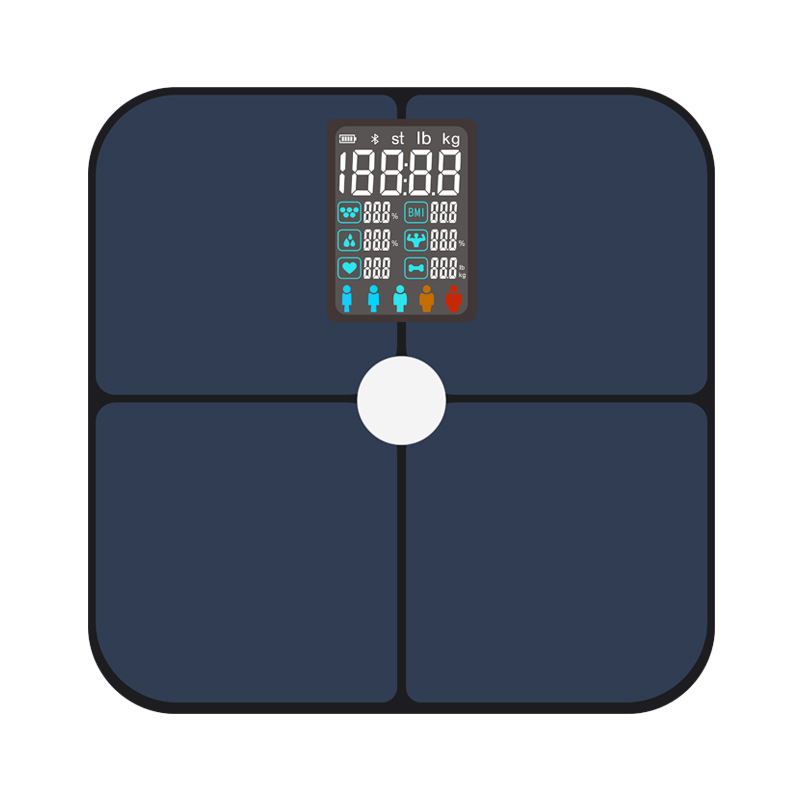
- Avoid Over - Hydration and Dehydration: As mentioned earlier, hydration levels can significantly affect the accuracy of bathroom weight scale. To get the most accurate results, aim to be in a state of normal hydration. Drink an adequate amount of water throughout the day, but avoid consuming large amounts of fluids immediately before or after a measurement. For example, if you chug a liter of water right before stepping on the scale, your body's water content will be temporarily elevated, leading to a lower impedance reading and potentially an underestimated body fat percentage.
- Timing of Fluid Intake: If you need to drink water before a measurement, try to do so at least 2 - 3 hours in advance. This gives your body enough time to absorb and distribute the water evenly, bringing your hydration levels back to a more normal state. Similarly, if you have been sweating profusely due to exercise or being in a hot environment, wait until you have rehydrated and your body has had time to adjust before using the accurate body composition scale.
Activity and Rest
- Avoid Exercise Beforehand: Physical activity can cause temporary changes in the body that can affect the accuracy of body composition measurements. Immediately after exercise, your body may have lost water through sweating, and there may be an increase in blood flow to the muscles. This can lead to changes in impedance and potentially inaccurate readings. It's best to wait at least 2 - 3 hours after exercise before using the professional scale body fat. If you exercise in the morning, consider waiting until later in the day to measure your body composition to allow your body to return to its normal state.
- Be in a Relaxed State: Your mental and physical state can also impact the results. Stress and anxiety can cause changes in the body's physiological processes, such as increased heart rate and blood pressure, which may in turn affect the impedance reading. Try to be in a calm and relaxed state before using the scale. If you have had a particularly stressful day or have just engaged in an intense argument, it may be better to wait until you have calmed down before attempting a measurement.
Proper Measurement Technique
Clothing and Accessories
- Minimal Clothing is Ideal: When using an electronic body scale, it's best to wear as little clothing as possible. Clothing can add extra weight and may also interfere with the electrical current passing through the body. If you must wear something, choose lightweight, thin clothing such as a pair of cotton underwear or a thin t - shirt. Avoid wearing thick, heavy clothing, shoes, socks, or accessories like belts, jewelry, or a watch. These items can not only add weight but may also disrupt the electrical connection between the scale and your body.
- Remove Metal Objects: Metal objects can conduct electricity and interfere with the BIA process. Make sure to remove any metal - containing items such as metal - framed glasses, metal - studded clothing, or body piercings that are in contact with the scale. Even a small metal object can cause a disruption in the electrical current and lead to inaccurate results.
Standing Position and Contact
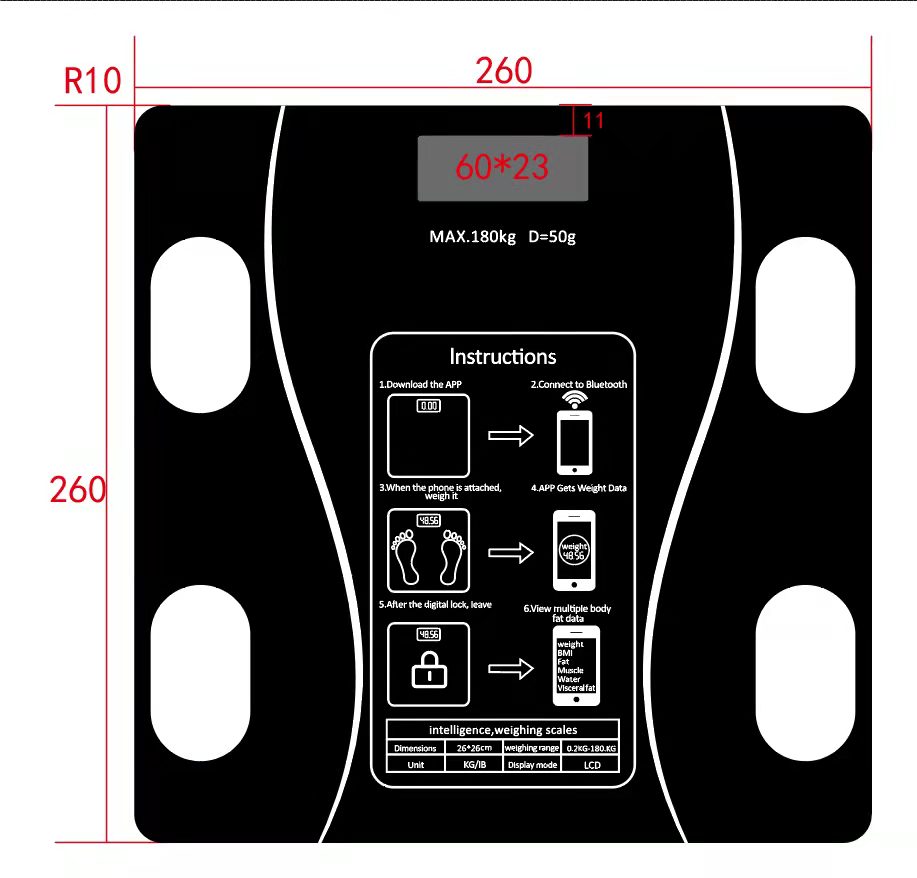
- Centered and Stable Standing: Stand on the scale with your feet centered on the electrodes. Most digital body scales have electrodes on the surface that are designed to make contact with your feet. Make sure your feet are evenly placed on these electrodes, with your weight evenly distributed between both feet. Standing with one foot slightly off - center or shifting your weight during the measurement can affect the impedance reading. Keep your body upright and still during the measurement process. Avoid fidgeting, leaning to one side, or making any sudden movements, as these can also lead to inaccurate results.
- Full and Even Contact: Ensure that there is full and even contact between your feet and the electrodes. If your feet are sweaty or dirty, it can affect the electrical connection. Before stepping on the scale, make sure your feet are clean and dry. If you have calluses on your feet, they may interfere with the contact. In some cases, using a pumice stone to gently exfoliate calluses can improve the contact between your feet and the electrodes. For scales that require hand - held electrodes, hold them firmly in each hand, with your palms making full contact with the electrode surfaces.
Other Considerations
Calibration and Maintenance
- Regular Calibration: Over time, Bluetooth bathroom scales app may require calibration to maintain their accuracy. Check the manufacturer's instructions for the recommended calibration schedule. Some scales can be calibrated using calibration weights, while others may have an automatic calibration feature. Calibration ensures that the scale is measuring impedance accurately and that the mathematical formulas used to calculate body composition are based on correct readings. If your scale has not been calibrated for a long time, the results may be inaccurate.
- Cleaning and Care: Keep the smart bathroom scales clean to ensure proper functioning. Wipe down the surface of the scale regularly to remove any dirt, sweat, or debris that may have accumulated. Pay special attention to the electrodes, as any buildup on them can affect the electrical contact. Use a soft, dry cloth for cleaning. Avoid using harsh chemicals or abrasive cleaners, as these can damage the scale. If the scale has a display, clean it gently to ensure clear visibility of the readings.

User Profiles and Data Tracking
- Input Accurate Information: When setting up user profiles on the best smart body scale or in the associated app, make sure to input accurate information such as your age, gender, height, and weight. These details are used by the scale's algorithms to calculate body composition metrics. Incorrect information can lead to inaccurate results. For example, if you misenter your height, the scale may miscalculate your body fat percentage and other metrics.
- Track Data Over Time: To get the most out of your bluetooth body analysis scale, track your data over an extended period. By looking at trends in your body fat percentage, muscle mass, and other metrics over weeks or months, you can better understand how your body is changing in response to your diet, exercise, and lifestyle choices. Many body scales come with apps that allow you to store and analyze your data over time. Use these tools to monitor your progress towards your health and fitness goals.
Conclusion
Using a body scales effectively requires attention to detail and following the proper procedures. By understanding how the scale works, choosing the right scale, creating the ideal conditions for measurement, using the correct technique, and maintaining the scale, you can increase the likelihood of obtaining accurate results. Remember that analysis body scales are not 100% accurate, but by following these guidelines, you can minimize errors and use the data provided by the scale as a valuable tool in your health and fitness journey. Whether you are trying to lose weight, gain muscle, or simply maintain a healthy lifestyle, accurate body composition measurements can provide valuable insights to help you make informed decisions about your diet, exercise, and overall well - being.
Which Postal Scale is the Most Accurate?
How accurate are alcohol testers?
Related Article
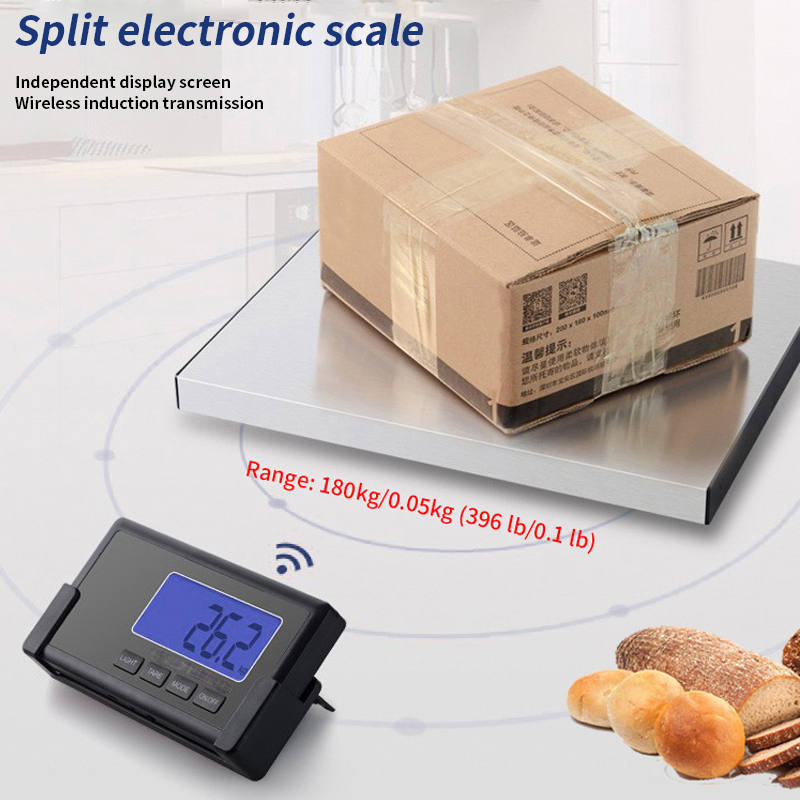
In the world of logistics and shipping, accuracy and efficiency are paramount. For businesses and individuals dealing with large packages or pallets, a reliable wireless shipping scale is an indispensable tool. One of the most critical questions that arises when selecting such a scale is: "What's the maximum weight capacity of a reliable wireless shipping scale suitable for shipping large packages or pallets?"
What's the Maximum Weight Capacity of a Reliable Wireless Shipping Scale Suitable for Shipping Large Packages or Pallets?
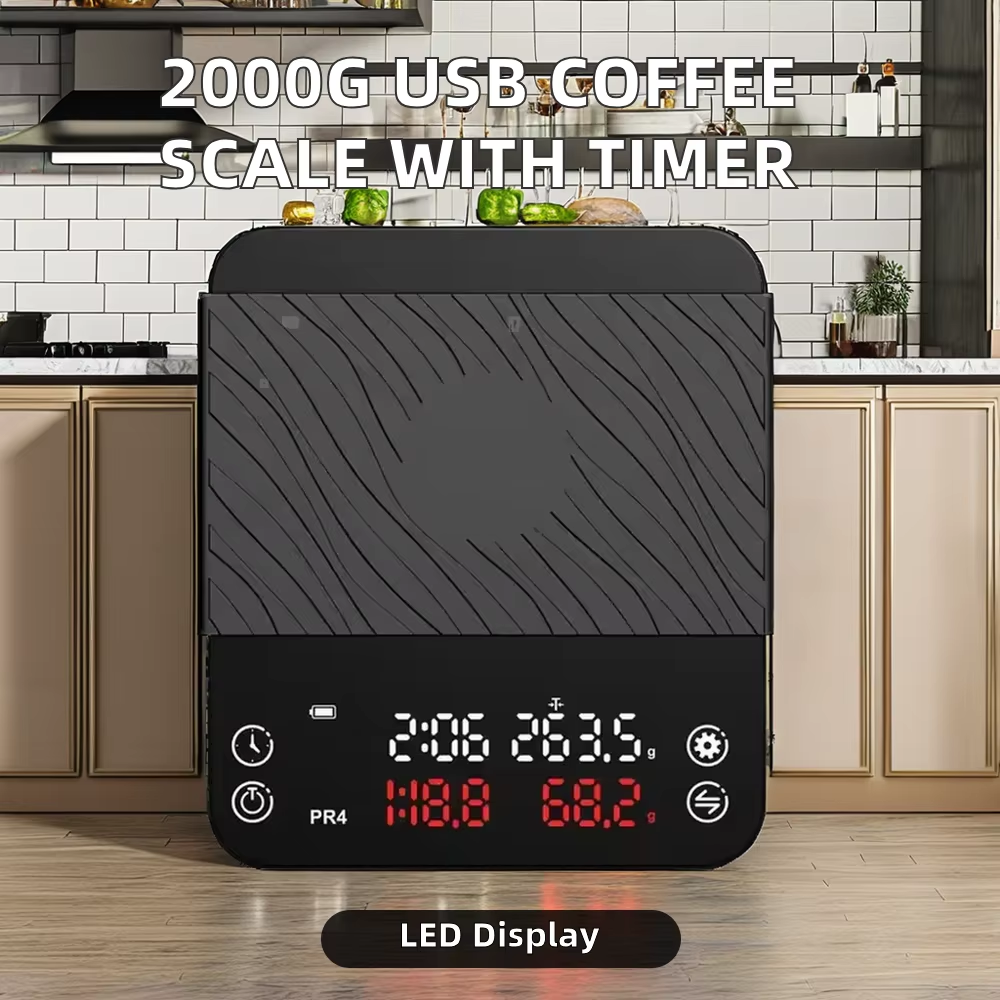
For coffee enthusiasts and baristas, the espresso scale is an indispensable tool. It ensures that each shot adheres to the precise coffee-to-water ratios that define a balanced, flavorful espresso. Among the key considerations when choosing an espresso scale is its weight capacity—the maximum weight it can accurately measure.
What's the Ideal Weight Capacity for an Espresso Scale Considering the Typical Amounts of Coffee and Water Used in a Shot?

The spoon scale has become a popular tool in home kitchens, beloved for its convenience in measuring small amounts of ingredients, especially spices, baking powders, and other seasonings. However, many users encounter a frustrating issue: their spoon scale gives inconsistent readings for the same ingredient.
My Spoon Scale Seems to Give Inconsistent Readings for the Same Ingredient. What Could Be the Problem and How Can I Fix It?

In the intricate world of jewelry, precision in weighing is of utmost importance. Whether it's determining the value of a rare gemstone, ensuring the correct amount of precious metal in a piece, or verifying the authenticity of a jewelry item, the right mini jewelry scale can make all the difference.
What's the Most Accurate Mini Jewelry Scale for Weighing Tiny Gemstones and Can It Measure Down to Milligrams?