
What Should I Do If My Suitcase Scale Stops Working?
2025-07-28
Table of Contents

- Introduction: The Critical Role of a Functional Suitcase Scale
- Common Reasons Why a Suitcase Scale Stops Working
- Step-by-Step Troubleshooting Guide
- Common Suitcase Scale Models: Specifications and Repair Notes
- How to Ensure Precise Measurements (Once Your Scale Works Again)
- Expert Insights: Maintaining Suitcase Scale Longevity
- Frequently Asked Questions (FAQs) About Malfunctioning Suitcase Scales
- Related Resources: Previous Coverage on Suitcase Scales
Introduction: The Critical Role of a Functional Suitcase Scale
For travelers, a reliable suitcase scale is more than a convenience—it’s a financial safeguard. With airline overweight baggage fees ranging from \(50 to \)200 per bag, a malfunctioning scale can lead to unexpected costs, missed flights, or last-minute repacking chaos. But when your suitcase scale stops working—whether it’s unresponsive, displaying erratic numbers, or failing to power on—panic can set in.
This guide demystifies the most common issues behind non-functional suitcase scales, offers step-by-step troubleshooting, and provides expert advice to restore functionality. From battery problems to sensor glitches, we’ll cover how to diagnose and fix issues, ensuring your scale is ready for your next journey.

Common Reasons Why a Suitcase Scale Stops Working
Suitcase scales are durable but not immune to wear and tear. Here are the primary culprits behind malfunctions:
1. Power Issues
- Dead or Weak Batteries: Most digital scales use CR2032 or AAA batteries, which drain over time (typically 6–12 months with regular use). Low batteries often cause dim displays, unresponsive buttons, or sudden shutdowns.
- Incorrect Battery Placement: Misaligned or reversed batteries (positive/negative terminals) prevent power flow.
- Corroded Battery Contacts: Leaking batteries or moisture can cause rust on metal contacts, blocking electrical signals.
2. Mechanical Damage
- Bent Hooks or Straps: The lifting mechanism (critical for weighing) can bend if overloaded or dropped, disrupting weight distribution.
- Loose Internal Components: Rough handling during travel can loosen sensors, wires, or circuit boards, leading to intermittent functionality.
- Cracked Load Cells: The sensor that measures weight (a load cell) can crack under excessive weight (beyond the scale’s capacity), causing permanent failure.
3. Environmental Factors
- Moisture Exposure: Rain, spills, or high humidity can short-circuit electronic components, especially in non-waterproof models.
- Extreme Temperatures: Leaving a scale in a hot car or freezing luggage hold can warp plastic parts or damage batteries.
4. Software or Calibration Errors
- Calibration Drift: Over time, scales may lose accuracy, leading to error codes (e.g., “Err,” “LO”) or incorrect readings.
- Frozen Display: A glitch in the digital interface can cause the screen to lock, requiring a reset.

Step-by-Step Troubleshooting Guide
Follow these steps to diagnose and fix your suitcase scale before replacing it:
1. Check Power Sources
- Replace Batteries:
-
- Open the battery compartment (usually on the back or side of the scale).
-
- Remove old batteries and insert new ones, ensuring correct polarity (match “+” and “-” marks).
-
- Use high-quality batteries (e.g., Duracell, Energizer) for longer life.
- Clean Corroded Contacts:
-
- If contacts are rusted, gently scrub with a cotton swab dipped in white vinegar or baking soda paste.
-
- Dry thoroughly before reinstalling batteries.
2. Inspect for Mechanical Damage
- Check Hooks/Straps:
-
- Ensure the lifting hook or strap is straight and securely attached. A bent hook can be gently straightened with pliers (avoid excessive force).
-
- If the strap is frayed or detached, replace it with a compatible replacement part (available via the manufacturer).
- Test for Loose Parts:
-
- Shake the scale gently—rattling sounds indicate loose internal components. For DIY fixes, open the casing (if screws allow) and tighten loose wires or screws.
3. Address Environmental Damage

- Dry Out Moisture:
-
- If the scale got wet, remove batteries and place it in a bag with rice or silica gel packets for 24–48 hours to absorb moisture.
-
- Avoid using heat sources (e.g., hair dryers), which can damage electronics.
- Restore Temperature-Sensitive Parts:
-
- Let the scale acclimate to room temperature for 1–2 hours if exposed to extreme heat or cold.
4. Reset and Recalibrate
- Perform a Hard Reset:
-
- Remove batteries, wait 30 seconds, then reinsert them. This often fixes frozen displays or error codes.
- Recalibrate the Scale:
-
- Refer to your user manual for model-specific calibration steps (most require a known weight, e.g., a 10lb dumbbell).
-
- Example process: Turn on the scale, press “Cal” until “0.0” flashes, place the weight on the hook, wait for confirmation, then remove.
5. Test with a Known Weight
- Hang a bag with a known weight (e.g., a 20lb suitcase) to verify functionality. If readings are consistent, the scale is fixed.
Common Suitcase Scale Models: Specifications and Repair Notes
Different models have unique quirks. Here’s how to troubleshoot popular brands:
|
Model
|
Brand
|
Max Capacity
|
Power Source
|
Common Issues & Fixes
|
|
Etekcity Digital Luggage Scale
|
Etekcity
|
110lb/50kg
|
CR2032 battery
|
“LO” error = replace battery; unresponsive buttons = clean contacts with alcohol.
|
|
Travel Inspira CL-026
|
Travel Inspira
|
110lb/50kg
|
AAA batteries
|
Frayed strap = order replacement from Travel Inspira’s website; drift = recalibrate.
|
|
Samsonite Manual Luggage Scale
|
Samsonite
|
88lb/40kg
|
Spring-driven
|
Sticky needle = lubricate with silicone spray; inaccurate = adjust spring tension.
|
|
Renpho Bluetooth Scale
|
Renpho
|
110lb/50kg
|
Rechargeable
|
Won’t connect to app = reset Bluetooth; won’t charge = check USB cable for damage.
|
|
Balanzza Mini Scale
|
Balanzza
|
110lb/50kg
|
CR2032 battery
|
Display flickers = tighten battery cover; hook bends easily = avoid overloading.
|

How to Ensure Precise Measurements (Once Your Scale Works Again)
A functional scale is only useful if it’s accurate. Follow these tips to maintain precision:
1. Calibrate Regularly
- Frequency: Every 3–6 months, or after rough handling.
- Tools Needed: A calibrated weight (e.g., 5lb, 10lb) or a pre-weighed item (e.g., a 20lb bag of rice).
- Process: Refer to your manual—most scales have a “calibration mode” activated by holding the power button.
2. Use Proper Weighing Techniques
- Hang Luggage Securely: Ensure the bag is centered on the hook/strap to avoid uneven weight distribution.
- Lift Steadily: Jerking or swinging the bag can cause temporary overestimates. Lift slowly and hold still until the display locks.
- Avoid Overloading: Never exceed the scale’s max capacity (e.g., 110lb) to prevent sensor damage.
3. Store Safely
- Keep the scale in a dry, cool place (avoid luggage holds or hot cars).
- Use a protective case to prevent hook/strap damage during travel.
Expert Insights: Maintaining Suitcase Scale Longevity
We consulted travel gear experts and engineers for advice on preventing malfunctions:
Interview with Lisa Chen, Product Designer at Etekcity
“Battery maintenance is key. Most users don’t realize that leaving batteries in a scale during storage (especially in humid climates) causes corrosion. Remove them if you won’t use the scale for 1+ months. For frequent travelers, rechargeable models like our Etekcity Rechargeable Scale reduce this risk.”
Interview with Mark Thompson, Luggage Repair Specialist
“Mechanical damage is 70% preventable. Never use the scale to drag luggage—this bends hooks. If you notice the hook starting to warp, stop using it immediately. A bent hook can throw off readings by 5–10lb, leading to overweight fees even if you ‘weighed’ it correctly.”
Interview with Dr. Elena Rodriguez, Electrical Engineer
“Calibration drift is normal but fixable. Environmental factors like altitude (common in air travel) can affect sensor accuracy. Recalibrate after flying to high-altitude destinations—this takes 2 minutes and saves you from surprise fees.”

Frequently Asked Questions (FAQs) About Malfunctioning Suitcase Scales
Q1: My scale shows “Err” when I try to weigh—what does this mean?
A: “Err” typically indicates overload (you’ve exceeded the max capacity) or a sensor error. Try a lighter item; if the code persists, recalibrate or check for mechanical damage.
Q2: Can I repair a cracked load cell?
A: No. Load cells are precision components—cracks cause permanent inaccuracy. Replace the scale if this occurs (most brands offer 1–2 year warranties covering such defects).
Q3: Why does my scale work intermittently?
A: Loose battery contacts or internal wires are likely. Clean contacts with alcohol, or open the casing (if possible) to tighten connections.
Q4: My manual (spring) scale’s needle is stuck—how to fix it?
A: Apply a drop of silicone lubricant to the needle pivot point. Avoid oil-based lubricants, which attract dust.
Q5: Is it cheaper to repair or replace a broken suitcase scale?
A: For budget models (\(10–20), replacement is cheaper. Premium scales (\)30+) may be repairable via manufacturer parts (e.g., new hooks, batteries).
Related Resources: Previous Coverage on Suitcase Scales
For more tips on choosing and using suitcase scales, read our guide: “What’s the Maximum Weight Capacity of a Luggage Scale?”. This article compares top models, highlights durability features, and explains how to avoid common pitfalls—critical knowledge for preventing future malfunctions.
A malfunctioning suitcase scale doesn’t have to derail your travels. By addressing power issues, mechanical damage, and calibration errors, you can often restore functionality quickly. Remember: regular maintenance—like battery checks and calibration—goes further than last-minute fixes. With these steps, your suitcase scale will remain a reliable travel companion, keeping you informed and fee-free on every trip.
How to Store a Baking Scale Properly?
What’s the Maximum Weight Capacity of a Luggage Scale?
Related Article

In the bustling world of travel, a suitcase scale has become an essential tool for frequent flyers, vacationers, and business travelers in the United States. It helps ensure that your luggage stays within airline weight limits, avoiding hefty overweight fees and the hassle of rearranging your belongings at the airport.
How Can I Test if My Suitcase Scale is Providing Accurate Readings? Are there Any Simple Methods to Verify its Precision at Home?

For travelers, few things are more frustrating than arriving at the airport only to discover your checked bag exceeds an airline’s weight limit—resulting in unexpected fees that can range from \(50 to \)200 per bag. This is where a reliable luggage scale becomes indispensable.
What’s the Maximum Weight Capacity of a Luggage Scale?

In this guide, we’ll explore why luggage scales are a must-have for international travel, highlight key features to look for, and provide tips to ensure accurate readings—whether you’re navigating Tokyo’s Haneda Airport or Paris’s Charles de Gaulle.
Are Luggage Scales Suitable for International Travel?

A reliable digital luggage weighing scale has emerged as an essential tool for travelers looking to avoid these unexpected costs.
What's the Best Travel Scale for Weighing Luggage to Avoid Airline Overweight Fees?
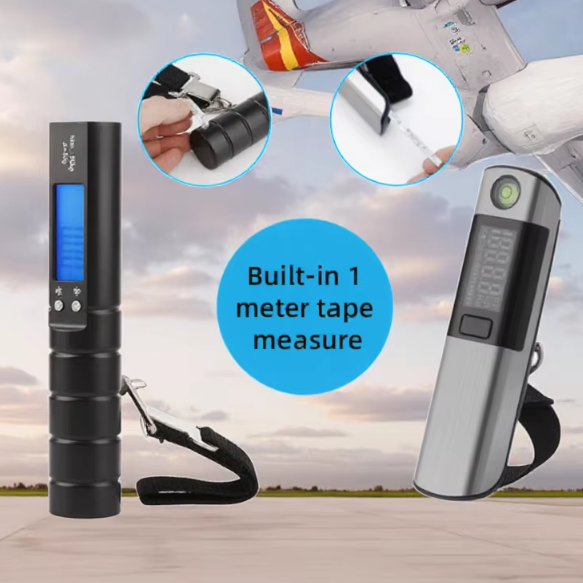
In the world of travel, few things can dampen the excitement of a journey quite like unexpected airport baggage fees. The stress of wondering if your luggage is overweight, the scramble to repack at the airport counter, and the financial hit of paying for excess weight can all take a toll on your travel experience. But with a vast array of options on the market, from basic analog models to high - tech digital devices, which one is truly the best at keeping those pesky fees at bay?
Luggage Scales: Which One Will Save You from Airport Baggage Fees?

