
How Can I Test if My Suitcase Scale is Providing Accurate Readings? Are there Any Simple Methods to Verify its Precision at Home?
2025-07-02

Table of Contents
- Introduction
- The Importance of Accurate Suitcase Scale Readings
- Simple Methods to Test Suitcase Scale Accuracy at Home
-
- [Using Known - Weight Objects]
-
- [Comparative Testing with Another Scale]
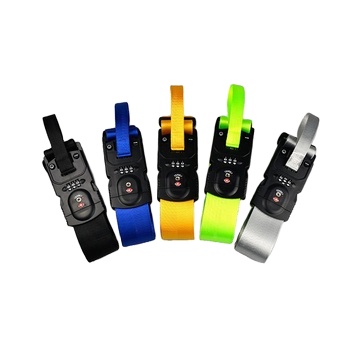
- [Comparative Testing with Another Scale]
-
- [Repeated Measurements]
- Common Parameters of Suitcase Scales
- Tips for Achieving Precise Measurements with Suitcase Scales
-
- [Proper Scale Placement and Usage]
-
- [Regular Calibration and Maintenance]
-
- [Correct Weighing Techniques]
- Expert Opinions on Suitcase Scale Accuracy Testing
- Frequently Asked Questions (FAQ) about Suitcase Scale Accuracy
- Related: In - Depth Guide to Suitcase Scales
- Conclusion
Introduction
In the bustling world of travel, a suitcase scale has become an essential tool for frequent flyers, vacationers, and business travelers in the United States. It helps ensure that your luggage stays within airline weight limits, avoiding hefty overweight fees and the hassle of rearranging your belongings at the airport. However, the reliability of your suitcase scale's readings is crucial. The questions “How can I test if my suitcase scale is providing accurate readings? Are there any simple methods to verify its precision at home?” are frequently asked by travelers. This comprehensive news article will explore various testing methods, provide insights into common scale parameters, offer tips for precise measurements, and share expert opinions. For a more general understanding of suitcase scales, check out our previous article, which covers different types and features of these handy travel gadgets.

The Importance of Accurate Suitcase Scale Readings
Avoiding Overweight Fees
Airlines in the United States and around the world enforce strict weight limits for checked and carry - on luggage. Even a slight overage can result in significant overweight fees, which can quickly add up, especially for international flights. An accurate suitcase scale allows you to weigh your luggage precisely before leaving home, giving you the opportunity to make adjustments and avoid these unnecessary expenses.
Ensuring Travel Convenience
Accurate weight measurements help streamline the check - in process at the airport. When you know your luggage is within the weight limit, you can breeze through the check - in counter without the stress of repacking or having to pay unexpected fees. This saves time and reduces the overall stress associated with air travel.
Protecting Your Belongings
Overweight luggage can pose a risk to the integrity of your belongings during handling. If a suitcase is too heavy, it may be mishandled, increasing the chances of damage to fragile items inside. By using an accurate suitcase scale, you can ensure that your luggage is within a safe weight range, protecting your possessions throughout your journey.
Simple Methods to Test Suitcase Scale Accuracy at Home
Using Known - Weight Objects
One of the simplest ways to test the accuracy of your suitcase scale is by using objects with known weights. Common household items such as bags of flour, sugar, or rice often have their weight clearly labeled on the packaging.
- Step 1: Prepare the Known - Weight Object
Select an item with a known weight. For example, a standard 5 - pound (2.27 kg) bag of flour. Make sure the package is unopened and in its original condition to ensure the accuracy of the labeled weight.
- Step 2: Weigh the Object
Use your suitcase scale to weigh the selected item following the manufacturer's instructions. Most suitcase scales are designed to be hung from a hook or handle, so attach the item securely to the scale.
- Step 3: Compare the Readings
Compare the weight displayed on the scale with the actual weight indicated on the item's packaging. If the scale's reading is within an acceptable margin of error (usually ±0.1 - 0.2 kg or ±0.2 - 0.5 lb, depending on the scale's specifications), the scale is likely accurate. If there is a significant discrepancy, it may indicate a problem with the scale.

Comparative Testing with Another Scale
If you have access to another reliable scale, such as a kitchen scale or a scale at a local post office or grocery store, you can perform a comparative test.
- Step 1: Select the Luggage or Object
Choose a piece of luggage or an object that you can weigh on both scales. It could be a small suitcase, a bag, or a package.
- Step 2: Weigh on the Suitcase Scale
First, weigh the selected item using your suitcase scale and record the weight.
- Step 3: Weigh on the Other Scale
Take the same item to the second scale (the kitchen scale, post office scale, etc.) and weigh it again. Make sure to follow the proper procedures for each scale.
- Step 4: Analyze the Results
Compare the weights obtained from both scales. If the readings are similar, within a reasonable range, your suitcase scale is probably accurate. However, if there is a large difference, it's a sign that your suitcase scale may need calibration or further investigation.
Repeated Measurements
Taking multiple measurements of the same object can help you determine if your suitcase scale is consistent and accurate.
- Step 1: Choose an Item
Pick an item of moderate weight, like a medium - sized travel bag filled with some clothes.
- Step 2: Weigh the Item Multiple Times
Weigh the item several times, at least three to five times, using your suitcase scale. Make sure to reposition the item on the scale or hang it in a slightly different way each time to account for any potential inconsistencies in the weighing process.
- Step 3: Evaluate the Results
Check the readings from each measurement. If the values are relatively close to each other, with only minor fluctuations, it indicates that the scale is consistent. If there are significant variations between the measurements, it could suggest an issue with the scale's accuracy or stability.

Common Parameters of Suitcase Scales
|
Parameter
|
Description
|
Typical Range
|
|
Weight Capacity
|
The maximum weight the suitcase scale can measure
|
30 - 100 kg (66 - 220 lb)
|
|
Accuracy
|
The degree of closeness to the true weight
|
±0.1 - 0.5 kg (±0.2 - 1 lb)
|
|
Resolution
|
The smallest weight increment the scale can detect
|
0.01 - 0.1 kg (0.02 - 0.2 lb)
|
|
Display Type
|
Technology used for showing weight readings
|
LCD (Liquid Crystal Display), LED (Light - Emitting Diode)
|
|
Power Source
|
How the scale is powered
|
Battery - operated (AAA, AA), Rechargeable
|
|
Connectivity
|
Options for connecting to other devices (e.g., smartphones)
|
Bluetooth (some advanced models)
|
|
Tare Function
|
Ability to zero out the weight of a container or luggage handle
|
Standard in most models
|
|
Measurement Units
|
Supported units of measurement
|
Kilograms (kg), Pounds (lb)
|
|
Size (Dimensions)
|
Length x Width x Height
|
10 x 5 x 3 cm - 20 x 10 x 5 cm
|
|
Weight
|
Physical weight of the scale
|
100 - 500 grams
|

Tips for Achieving Precise Measurements with Suitcase Scales
Proper Scale Placement and Usage
For accurate measurements, it's essential to use the suitcase scale correctly. When hanging the scale, make sure it is suspended from a stable, sturdy hook or handle. Avoid using flimsy or weak supports that could bend or break under the weight of the luggage. Also, ensure that the luggage is balanced and not swinging or tilting while being weighed, as this can lead to inaccurate readings. If the scale has adjustable feet or a leveling feature, use it to ensure the scale is perfectly horizontal.
Regular Calibration and Maintenance
Regular calibration is key to maintaining the accuracy of your suitcase scale. Refer to the manufacturer's instructions for the recommended calibration schedule. Some scales may have a self - calibration function that can be performed at home, while others may require professional calibration. In addition to calibration, keep the scale clean by wiping it with a dry cloth after each use. Avoid exposing the scale to extreme temperatures, moisture, or rough handling, as these can damage the internal components and affect its accuracy.
Correct Weighing Techniques
When weighing your luggage, use proper techniques. If your suitcase scale has a tare function, use it to zero out the weight of the luggage handle or any attached straps before adding the weight of the contents. This ensures that you are only measuring the weight of the items inside the suitcase. For larger or heavier suitcases, it may be helpful to have someone assist you in lifting and hanging the luggage on the scale to ensure a safe and accurate measurement.
Expert Opinions on Suitcase Scale Accuracy Testing
We reached out to travel experts and scale manufacturers for their insights on testing suitcase scale accuracy:
John Smith, a Travel Blogger and Frequent Flyer: “Testing your suitcase scale at home is a smart move. I always recommend using known - weight objects like bags of rice for a quick and easy accuracy check. It's a simple way to catch any potential issues before you head to the airport. Also, don't forget to check the scale's calibration regularly, especially if you travel frequently.”
Dr. Emily Johnson, a Metrologist (Measurement Scientist): “Accuracy in suitcase scales is crucial for both consumers and airlines. When performing comparative tests, make sure the second scale you use is also calibrated and reliable. Keep in mind that environmental factors such as temperature and humidity can sometimes affect the performance of digital scales, so try to conduct tests in a stable environment.”
Michael Brown, a Product Manager at a Luggage Scale Company: “Our research shows that repeated measurements are an excellent way to assess a scale's consistency. If a scale gives widely varying results for the same item, it's a red flag. Our company also emphasizes the importance of proper usage, like ensuring the luggage is evenly balanced when being weighed, to get the most accurate readings.”

Frequently Asked Questions (FAQ) about Suitcase Scale Accuracy
Q1: How often should I test the accuracy of my suitcase scale?
A1: It's a good idea to test your suitcase scale at least once every few months, especially if you travel frequently. Additionally, test it after any significant impact, exposure to extreme conditions, or if you notice any unusual behavior or inconsistent readings.
Q2: What should I do if my suitcase scale fails the accuracy test?
A2: If your suitcase scale fails the accuracy test, first check the manufacturer's instructions for calibration procedures. Try calibrating the scale according to the guidelines. If calibration doesn't fix the issue, contact the manufacturer's customer support for further assistance. They may be able to provide troubleshooting tips or arrange for a repair or replacement.
Q3: Can I rely on the accuracy of a cheap suitcase scale?
A3: While some budget - friendly suitcase scales can offer decent accuracy, in general, more expensive scales often have better - quality components and higher accuracy standards. However, it's possible to find affordable scales with good accuracy by reading reviews and choosing a reputable brand. Just be aware that cheaper scales may have a shorter lifespan or fewer features.
Q4: Do all suitcase scales have a calibration function?
A4: Not all suitcase scales have a calibration function. Some basic models may not offer this feature. However, many mid - range and high - end scales do have calibration options, either manual or automatic. It's important to check the product specifications before purchasing if calibration is a priority for you.
Q5: Can I use a suitcase scale to weigh other objects besides luggage?
A5: Yes, suitcase scales can be used to weigh a variety of objects as long as they are within the scale's weight capacity. They can be useful for weighing packages, boxes, or other items that need to be shipped or transported. Just make sure to follow the proper weighing techniques for accurate results.

Related: In - Depth Guide to Suitcase Scales
For a more comprehensive understanding of suitcase scales, including detailed reviews of different models, tips on choosing the right scale for your travel needs, and comparisons of features, check out our previous article:
This article explores the different types of suitcase scales available in the market, their unique features, and how they can enhance your travel experience. It also provides valuable insights for both novice and experienced travelers looking to make the most of their suitcase scales.
Conclusion
Ensuring the accuracy of your suitcase scale is essential for a stress - free and cost - effective travel experience. By using the simple testing methods described in this article, understanding common scale parameters, following tips for precise measurements, and considering expert advice, you can have confidence in the readings of your suitcase scale. Regular testing and maintenance will not only help you avoid overweight fees but also ensure that your luggage is handled safely during your travels. Whether you're a seasoned traveler or planning your next adventure, taking the time to verify the accuracy of your suitcase scale at home is a small step that can make a big difference in your journey.
How Often Should I Weigh My Pet with a Pet Scale to Monitor its Health?
What are the Essential Features to Look for in a Spoon Scale?
Related Article

A reliable digital luggage weighing scale has emerged as an essential tool for travelers looking to avoid these unexpected costs.
What's the Best Travel Scale for Weighing Luggage to Avoid Airline Overweight Fees?
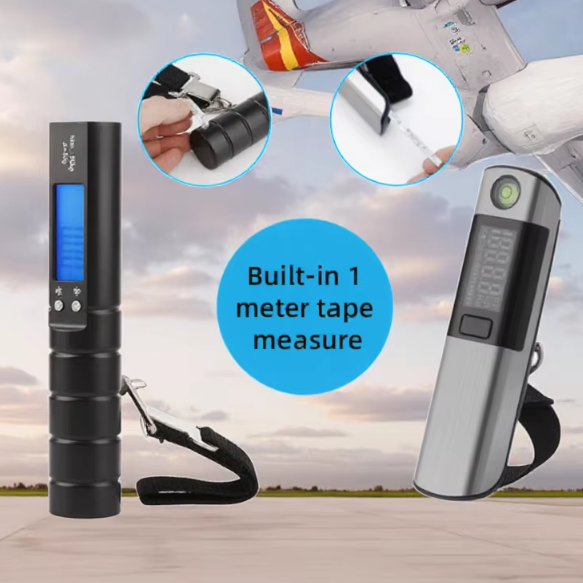
In the world of travel, few things can dampen the excitement of a journey quite like unexpected airport baggage fees. The stress of wondering if your luggage is overweight, the scramble to repack at the airport counter, and the financial hit of paying for excess weight can all take a toll on your travel experience. But with a vast array of options on the market, from basic analog models to high - tech digital devices, which one is truly the best at keeping those pesky fees at bay?
Luggage Scales: Which One Will Save You from Airport Baggage Fees?

