
How Often Should I Weigh My Pet with a Pet Scale to Monitor its Health?
2025-07-07
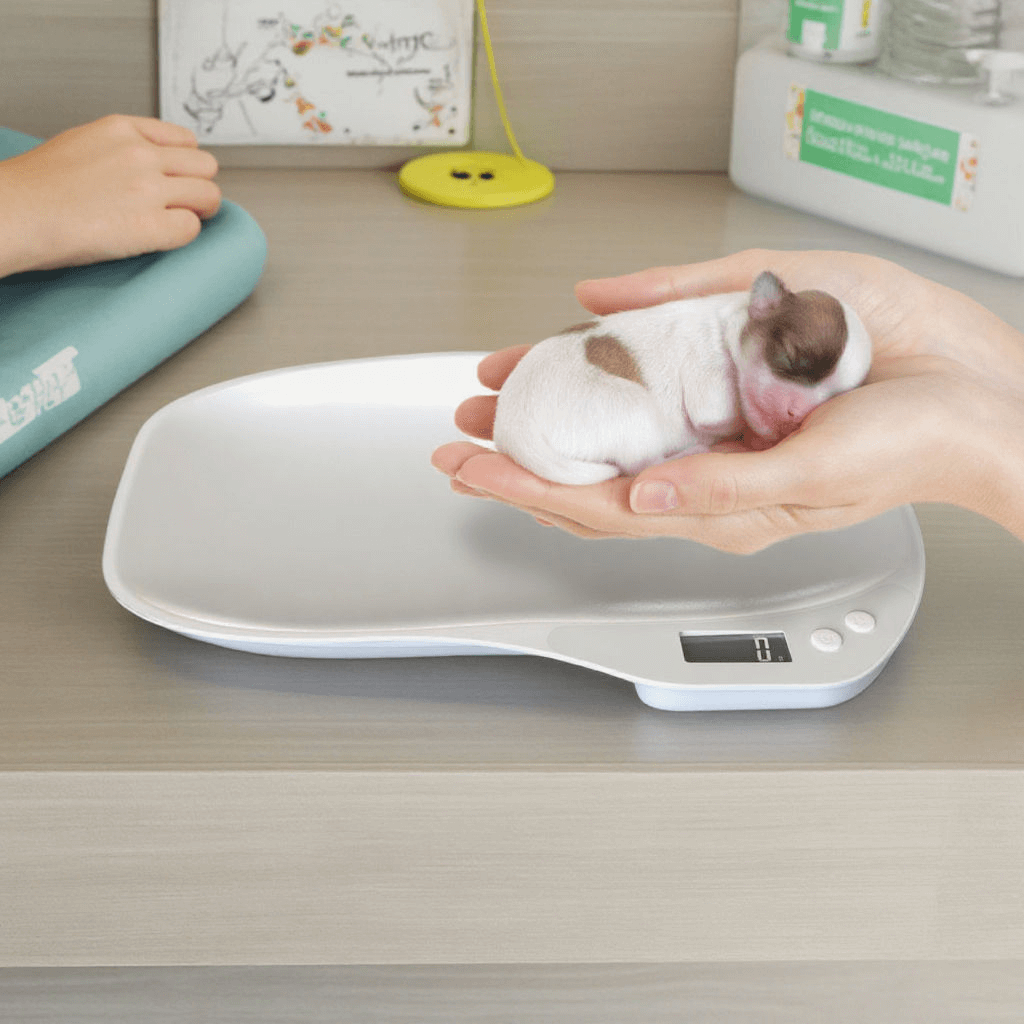
Table of Contents
- Introduction
- The Importance of Regular Pet Weighing
- Factors Influencing the Frequency of Pet Weighing
-
- Age of the Pet
-
- [Health Condition]
-
- [Diet and Activity Level Changes]

- [Diet and Activity Level Changes]

-
- [Type of Pet]
- [Recommended Weighing Frequencies for Different Pet Groups]
-
- [Puppies and Kittens]
-
- [Adult Dogs and Cats]
-
- [Senior Pets](#senior - pets)
-
- [Small Mammals, Birds, and Reptiles]
- Achieving Accurate Pet Weight Measurements
-
- [Choosing the Right Animal Scale]
-
- [Proper Weighing Techniques]
-
- [Ensuring a Calm Environment]
- Expert Opinions on Pet Weighing
- Frequently Asked Questions (FAQ) about Pet Weighing with Animal Weighing Scale
- Related: Comprehensive Guide to Scales for Animals
- Conclusion
Introduction
In the United States, where pets are cherished members of the family, maintaining their health is a top priority for pet owners. One simple yet effective way to monitor a pet's well - being is by regularly weighing them using a cattle scale animal weighing. However, a common question that arises among pet parents is: How often should I weigh my pet with a pet scale to monitor its health? This in - depth news article will explore the factors that influence the ideal weighing frequency, provide recommendations for different types of pets, and offer tips on achieving accurate measurements. For a more detailed understanding of weight scale for animal, including their features and how to choose the right one, check out our previous article.

The Importance of Regular Pet Weighing
Early Detection of Health Issues
Regular weighing can serve as an early warning system for various health problems. Sudden weight loss or gain can be indicative of underlying medical conditions such as diabetes, kidney disease, thyroid disorders, or cancer. By tracking your pet's weight over time, you can notice even subtle changes that might otherwise go unnoticed until the symptoms become more severe. Catching these issues early often leads to more effective treatment options and better prognosis for your furry friend.
Monitoring Diet and Nutrition
Maintaining a proper diet is crucial for a pet's health, and weight monitoring helps ensure that your pet is receiving the right amount of nutrition. If your pet is on a weight - loss or weight - gain program, regular weighing allows you to assess the effectiveness of the diet plan. It also helps you make adjustments as needed, such as modifying portion sizes or changing the type of food, to keep your pet at an optimal weight.
Assessing Activity Levels
Changes in a pet's activity level can also impact its weight. An active pet that suddenly becomes less mobile may start to gain weight, while a previously sedentary pet that begins a new exercise routine might lose weight. By weighing your pet regularly, you can evaluate how its activity level is affecting its body weight and overall health, and make appropriate changes to its exercise regimen.
Factors Influencing the Frequency of Pet Weighing
Age of the Pet
- Young Pets: Puppies and kittens experience rapid growth and development, and their weight can change significantly from week to week. During this stage, it's important to weigh them more frequently to ensure they are growing at a healthy rate. Any deviation from the normal growth curve could indicate a problem, such as a nutritional deficiency or a health issue.
- Adult Pets: Once a pet reaches adulthood, its growth slows down, and its weight generally stabilizes. However, factors like changes in diet, activity level, or hormonal fluctuations can still cause weight changes. Regular weighing helps keep track of these changes and allows for timely intervention if necessary.
- Senior Pets: As pets age, they become more prone to health problems that can affect their weight, such as arthritis, dental issues, or organ failure. Frequent weighing in senior pets can help detect these problems early and manage them effectively.
Health Condition
Pets with pre - existing health conditions, such as diabetes, heart disease, or obesity, require more frequent weighing. For example, diabetic pets may need their weight monitored closely as fluctuations can affect their insulin dosage. Similarly, overweight pets on a weight - loss program should be weighed regularly to track their progress and adjust the treatment plan accordingly.
Diet and Activity Level Changes
When you make changes to your pet's diet, such as switching to a different brand of food or introducing new ingredients, it's a good idea to increase the frequency of weighing. This helps you determine how the new diet is affecting your pet's weight. Similarly, if your pet starts a new exercise routine or becomes less active due to injury or aging, more frequent weighing can help you assess the impact on its body weight.
Type of Pet
Different types of pets have different metabolic rates and growth patterns, which influence how often they should be weighed. Small mammals like hamsters, guinea pigs, and rabbits can experience rapid weight changes, especially when they are young or pregnant. Birds and reptiles also have specific weight - monitoring needs based on their species - specific characteristics.
Recommended Weighing Frequencies for Different Pet Groups
Puppies and Kittens
For puppies and kittens under 6 months of age, it is recommended to weigh them once a week. This allows you to closely monitor their growth and ensure they are reaching important developmental milestones. If you notice any significant deviations in weight gain, consult your veterinarian immediately, as it could be a sign of a health problem.
Adult Dogs and Cats
Adult dogs and cats should be weighed at least once a month. This frequency is sufficient to detect any gradual weight changes that may occur due to diet, exercise, or underlying health issues. However, if your pet has a history of weight problems or is on a special diet, you may want to weigh them more frequently, such as every two weeks.
Senior Pets
Senior dogs and cats, typically those over 7 - 8 years old, should be weighed every two weeks. As they age, their bodies become more vulnerable to health problems, and early detection of weight changes can be crucial for managing these issues. Regular weighing also helps you adjust their diet and exercise routine to keep them comfortable and healthy.
Small Mammals, Birds, and Reptiles
- Small Mammals: Hamsters, guinea pigs, and rabbits should be weighed once a week, especially when they are young or pregnant. For adult small mammals, weighing them every two weeks is usually sufficient to monitor their weight.
- Birds: The weighing frequency for birds depends on their species and size. Small birds like finches and canaries can be weighed once a month, while larger birds such as parrots may need to be weighed every two weeks. Birds are prone to rapid weight loss, which can be a sign of serious health problems, so regular monitoring is essential.
- Reptiles: Reptiles, including snakes, lizards, and turtles, should be weighed once a month. However, during periods of growth, breeding, or when they are recovering from illness, more frequent weighing may be necessary.

Common Parameters of Animal Scales Weighing
|
Parameter
|
Description
|
Typical Range
|
|
Weight Capacity
|
Maximum weight the scale can measure
|
5 - 200 pounds (2.27 - 90.72 kg)
|
|
Accuracy
|
Degree of closeness to the true weight
|
±0.1 - ±1 pound (±0.045 - ±0.45 kg)
|
|
Resolution
|
Smallest weight increment the scale can detect
|
0.01 - 0.1 pound (0.0045 - 0.045 kg)
|
|
Display Type
|
Technology used for showing readings
|
LCD (Liquid Crystal Display), LED (Light - Emitting Diode)
|
|
Power Source
|
How the scale is powered
|
Battery - operated (AA, AAA), Rechargeable, AC adapter
|
|
Tare Function
|
Ability to zero out the weight of a container or carrier
|
Yes/No
|
|
Portability
|
Ease of moving the scale
|
Compact and lightweight for portable models; heavier for stationary ones
|
|
Material
|
Material of the scale platform and housing
|
Plastic, Stainless Steel, Metal - Composite
|
|
Additional Features
|
Extra functions
|
Memory storage, Unit conversion (pounds to kilograms), Hold function
|

Achieving Accurate Pet Weight Measurements
Choosing the Right Animal Weight Scale
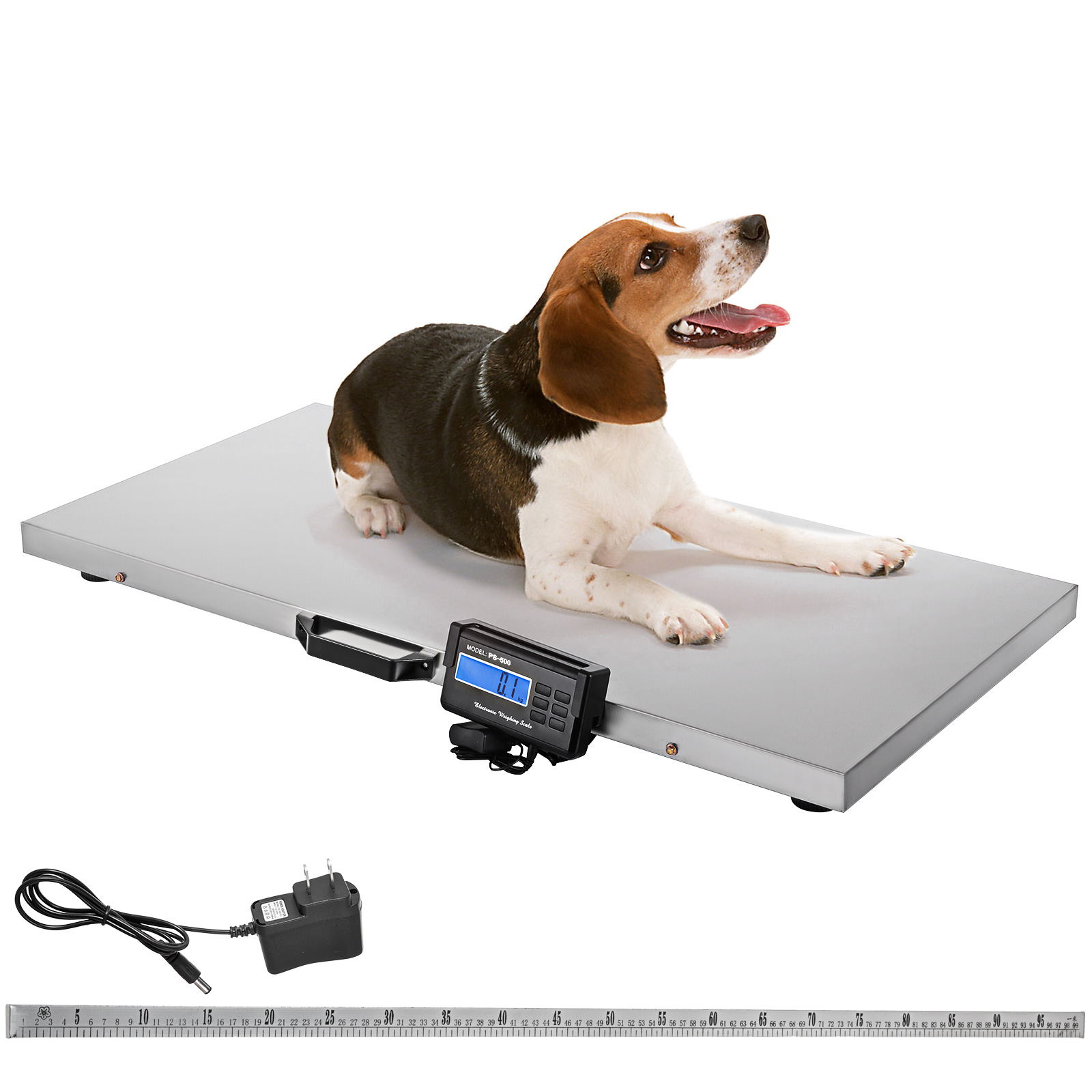
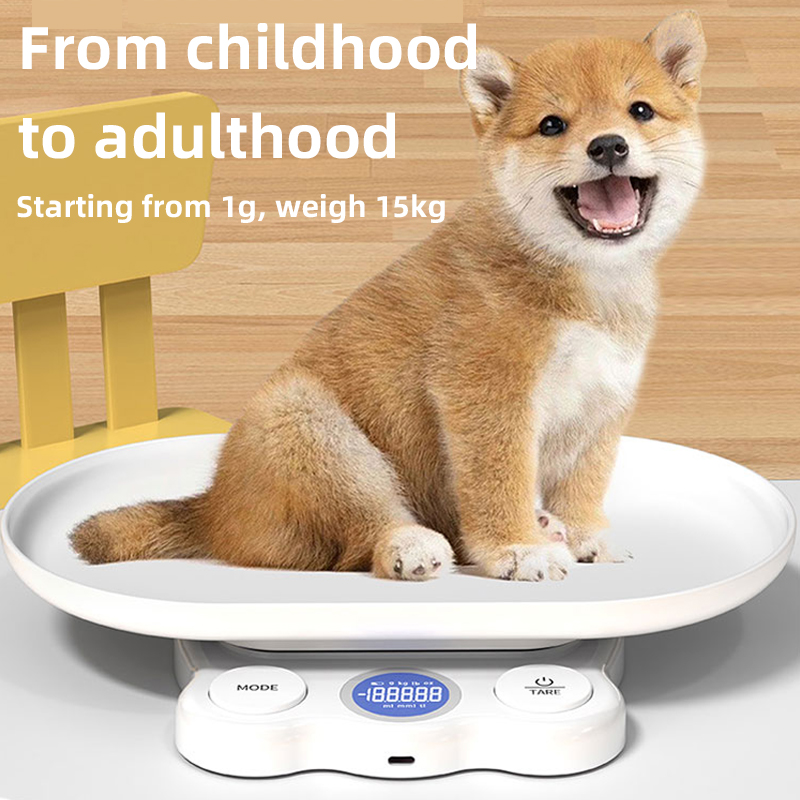
Invest in a high - quality weight scale animal that suits your pet's size and weight. Look for a scale with an appropriate weight capacity and accuracy level. For small pets, a scale with a higher resolution (able to measure in smaller increments) is recommended. Also, consider features like a non - slip surface to keep your pet safe during weighing, a tare function to account for the weight of a carrier or blanket, and a clear, easy - to - read display.
Proper Weighing Techniques
- For Small Pets: Place your small pet, such as a hamster or a bird, in a small container or carrier and weigh the container first. Then, place the pet inside the container and weigh them together. Subtract the weight of the container (using the tare function if available) to get the pet's actual weight.
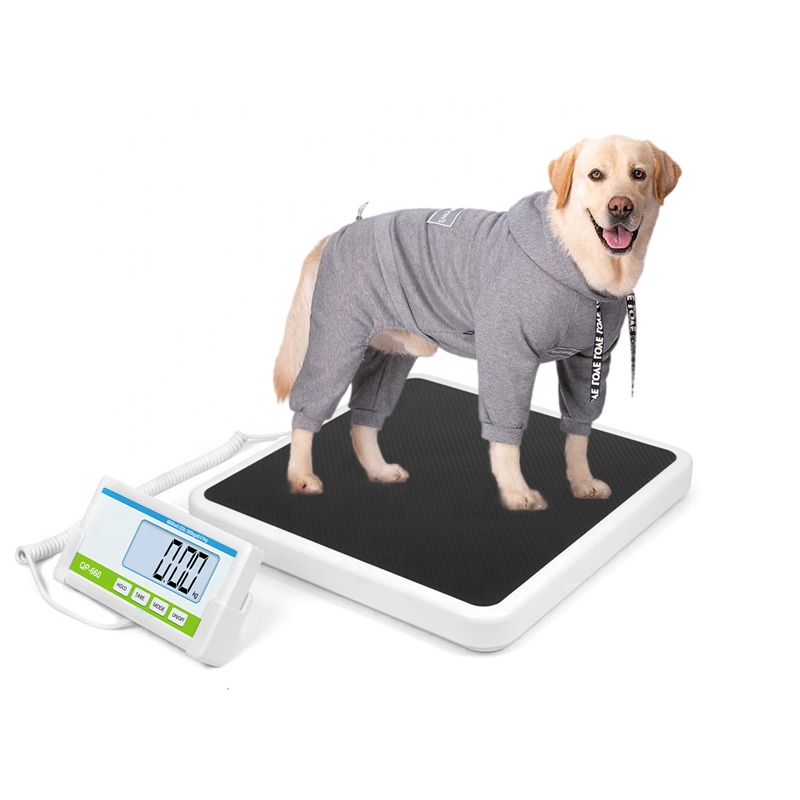
- For Larger Pets: Encourage your dog or cat to stand calmly on the scale. If your pet is reluctant, you can use treats or toys to distract them. Make sure all four paws (or the entire body in the case of reptiles) are on the scale for an accurate reading. If necessary, have someone help you hold the pet still while you read the weight.
Ensuring a Calm Environment
Create a calm and quiet environment for weighing your pet. Loud noises or distractions can make your pet nervous and fidgety, leading to inaccurate measurements. You may also want to weigh your pet at the same time of day, as their weight can vary slightly depending on factors like food and water intake.
Expert Opinions on Pet Weighing
We reached out to several veterinary experts and pet care professionals for their insights on pet weighing:
Dr. Lisa Smith, a Veterinarian at a Pet Wellness Clinic: “Regular weighing is one of the simplest and most effective ways to monitor a pet's health. I recommend that pet owners establish a consistent weighing schedule based on their pet's age, health, and lifestyle. For young, growing pets, weekly weigh - ins are crucial, while adult pets can be weighed monthly. And don't forget about senior pets – they need more frequent monitoring to catch any potential health problems early.”
Sarah Johnson, a Certified Pet Nutritionist: “Weight management is closely linked to a pet's diet. By weighing your pet regularly, you can ensure that it's maintaining a healthy weight and adjust its diet as needed. If your pet is overweight, I suggest weighing it every two weeks to track its progress on a weight - loss program. And always consult with a veterinarian or a pet nutritionist before making any significant changes to your pet's diet.”
Mark Thompson, a Pet Behaviorist: “Some pets may be anxious or resistant to being weighed. In such cases, it's important to create a positive association with the scale. Use treats, praise, and gentle handling to make the experience as stress - free as possible. You can also start by having your pet simply stand near the scale and gradually work up to actually weighing them.”
Frequently Asked Questions (FAQ) about Pet Weighing with scale for measuring animals
Q1: Can I use a regular weight scale animal to weigh my pet?
A1: While it's possible to use a regular bathroom scale for larger pets, it may not be very accurate, especially for small pets or when you need precise measurements. Animal floor scale are designed specifically for weighing animals and often offer better accuracy, features like a tare function, and a more pet - friendly design.
Q2: What should I do if my pet's weight fluctuates significantly between weigh - ins?
A2: Significant weight fluctuations can be a sign of a health problem. If you notice a sudden or large change in your pet's weight, consult your veterinarian immediately. They can perform a thorough examination and run tests to determine the underlying cause and recommend appropriate treatment.
Q3: How can I make my pet more comfortable with being weighed on the scale?
A3: Start by introducing the scale to your pet in a positive way. Place treats on the scale and let your pet explore it at its own pace. Gradually increase the time your pet spends on the scale, and always reward it with treats and praise. Be patient and consistent, and over time, your pet should become more comfortable with the weighing process.
Q4: Do I need to weigh my pet on an empty stomach?
A4: It's not necessary to weigh your pet on an empty stomach, but try to weigh them at the same time of day and under similar conditions each time. This helps ensure that the measurements are consistent and comparable. If your pet has just eaten a large meal or had a lot to drink, its weight may be slightly higher, but as long as you're consistent, you can still track changes over time.
Q5: Can a pet scale help me determine if my pet is overweight?
A5: A pet scale can help you monitor your pet's weight, but to determine if your pet is overweight, you should also consider its body condition score. Your veterinarian can assess your pet's body condition by feeling its ribs, spine, and waist and compare it to a standard body condition chart. Combining weight measurements with a body condition assessment provides a more comprehensive picture of your pet's weight status.

Related: Comprehensive Guide to Weighing Scale Set Animal
For more information on digital scale for animals, including reviews of different models, tips on choosing the right scale for your pet, and comparisons of features, check out our previous article:
This article provides in - depth insights into the world of livestock animal scale, helping you make an informed decision when purchasing a scale for your furry, feathered, or scaled friend. It also includes real - user reviews and expert - recommended product picks.
Conclusion
Regularly weighing your pet using a digital animal scale is an essential part of maintaining its health and well - being. By understanding the factors that influence the ideal weighing frequency, following the recommended guidelines for different pet groups, and using proper weighing techniques, you can effectively monitor your pet's weight and detect any potential health issues early. Remember, if you have any concerns about your pet's weight or health, always consult with your veterinarian. With the right approach and a reliable pet scale, you can ensure that your beloved pet lives a long, healthy, and happy life.
What are the Legal Requirements for Breathalyzer Tests in the US?
How Can I Test if My Suitcase Scale is Providing Accurate Readings? Are there Any Simple Methods to Verify its Precision at Home?
Related Article
Monitoring your pet's weight is an essential part of maintaining their health. A dog weighing scale provides a convenient way to keep track of your furry friend's weight changes over time. However, choosing the right size of pet scale is crucial for accurate measurements and the comfort of your pet.
How Do I Choose the Right Size Pet Scale for My Pet?

As a pet owner, you know that keeping tabs on your dog's health is crucial. One of the most important aspects of monitoring your pet's well - being is accurately measuring their weight. But with so many pet scales on the market, how do you know which one is the best for your furry friend? In this article, we'll explore the top pet scales for accurately weighing large dogs, and help you make an informed decision.
What's the Best Pet Scale for Accurately Weighing a Large Dog?

This year's exhibition featured a wide range of products and services, with a particular spotlight on electronic scales.Our company's electronic scale foreign trade team and factory stood out among the crowd, showcasing their highly competitive products and impressive manufacturing capabilities.
Hong Kong Exhibition Highlights Electronic Scale Exports with Competitive Advantages

Accurate weight measurement is critical for monitoring the health, growth, and well - being of animals, whether they are beloved household pets, farm livestock, or exotic species in zoos. An animal scale, or pet scale, serves as an essential tool for veterinarians, pet owners, and animal caretakers.
How to Use an Animal Scale to Ensure Accurate Measurement?

As a pet owner, it is essential to monitor your dog's weight to ensure an optimal level of health and well-being. A healthy dog is a happy dog, and regular weight monitoring can help prevent obesity-related health issues. But what scale is best to use when measuring your furry friend? In this article, we will explore the various types of scales that can be used to measure your dog's weight, tips for accurate measurements, and the importance of monitoring your dog's weight.
What scale is used to measure a dog?