
How Do I Choose the Right Size Pet Scale for My Pet?
2025-04-16
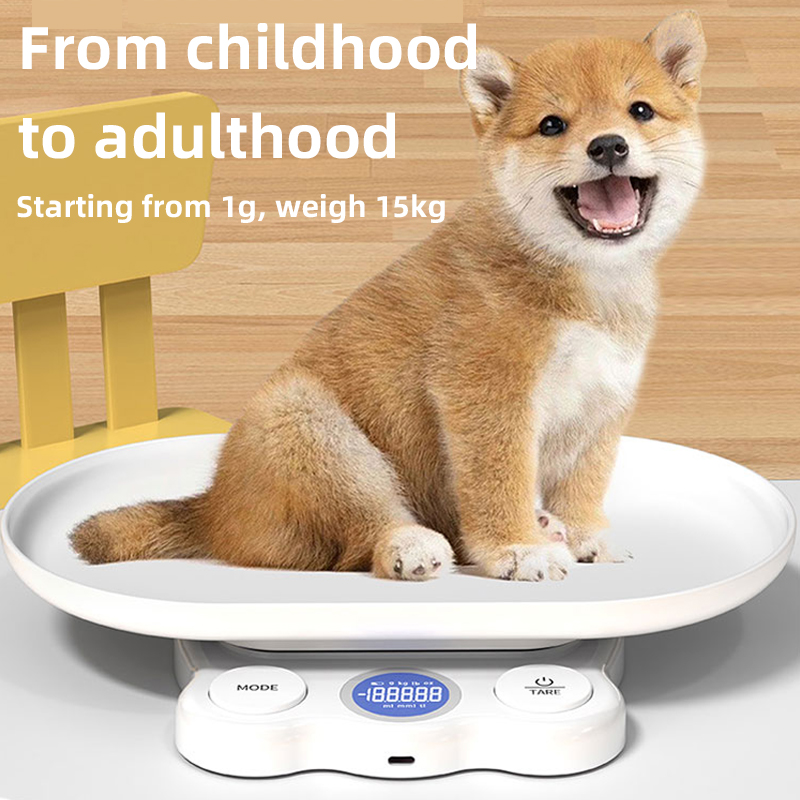
Table of Contents
-
- [Pet's Weight Range]
- [Pet's Weight Range]
-
- [Pet's Body Dimensions and Shape]
-
- [Activity Level and Behavioral Traits]
- [Achieving Precise Measurements with Your Pet Scale]
-
- [Proper Placement and Setup of the Scale]
-
- [Techniques for Calm and Accurate Weighing]
- [Expert Opinions on Pet Scale Selection]
Introduction
Monitoring your pet's weight is an essential part of maintaining their health. A pet scale provides a convenient way to keep track of your furry friend's weight changes over time. However, choosing the right size of pet scale is crucial for accurate measurements and the comfort of your pet. Whether you have a tiny Chihuahua or a large Great Dane, a scale that is either too small or too large can lead to inaccurate readings and an uncomfortable experience for your pet. In this comprehensive guide, we will explore the key factors to consider when selecting the appropriate size of pet scale, discuss how to use the scale accurately, and provide insights from experts in the field.
Understanding the Importance of the Right - Sized Pet Scale
A correctly sized pet scale is not just about getting an accurate weight reading. It also ensures the safety and comfort of your pet during the weighing process. If the scale is too small, your pet may feel cramped or unstable, leading to fidgeting and inaccurate measurements. On the other hand, a scale that is too large may be difficult for smaller pets to stand on properly, and the large platform may make it harder for the scale to detect the pet's weight accurately. Additionally, an appropriate - sized scale can be more durable and reliable, as it is designed to handle the weight and movement of pets within a specific range.

Factors to Consider When Choosing a Pet Scale Size
Pet's Weight Range
- Current Weight: The first step is to know your pet's current weight. Use a local veterinarian's scale or borrow a reliable scale from a friend if you don't already have one. For example, if your cat currently weighs 8 pounds, you need a scale that can accurately measure this weight. Smaller pets like cats and small dogs typically require scales with a lower weight capacity, usually in the range of 10 - 50 pounds.
- Growth Potential: Consider your pet's growth potential, especially if it is a young animal. Puppies and kittens can grow rapidly, so you may need a scale with a higher weight capacity to accommodate their future weight. A small puppy that currently weighs 5 pounds may grow to 20 - 30 pounds in a few months, so a scale with a capacity of at least 50 pounds would be more suitable.
- Weight Fluctuations: Some pets, such as those on a diet or with certain health conditions, may experience significant weight fluctuations. In such cases, choose a scale with a wide weight range to ensure it can accurately measure both their lowest and highest possible weights. For instance, a pet on a weight - loss program that currently weighs 30 pounds but may eventually reach 20 pounds should be weighed on a scale that can handle weights from 20 - 30 pounds accurately.
Pet's Body Dimensions and Shape
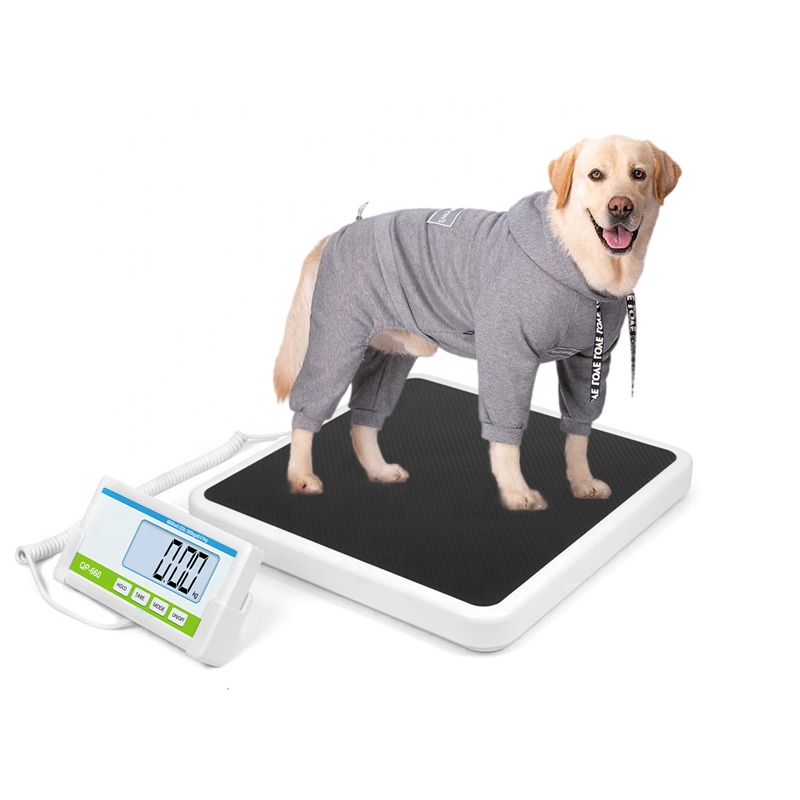
- Length and Width: Measure your pet's body length (from the tip of the nose to the base of the tail) and width (at the widest part of the body, usually the chest). Small, compact pets like guinea pigs or small cats may do well on a smaller - sized scale platform. For example, a guinea pig with a body length of 8 - 10 inches and a width of 4 - 6 inches can be comfortably weighed on a scale with a platform size of 6x8 inches. Larger dogs, with body lengths of 20 - 30 inches and widths of 12 - 18 inches, will need a much larger platform, perhaps 12x18 inches or more.
- Height: The height of your pet can also be a factor, especially if the scale has a raised platform or if you need to lift your pet onto the scale. Taller pets may require a scale with a lower profile or a ramp - like feature to make it easier for them to get on and off the scale without straining. A Great Dane, which can be quite tall, may have difficulty stepping onto a high - platformed scale, so a low - lying scale would be more appropriate.
- Body Shape: Consider your pet's body shape. Round - bodied pets like Bulldogs or some breeds of cats may need a wider platform to stand comfortably, while long - bodied pets like Dachshunds may require a longer platform to fully support their bodies during weighing.

Activity Level and Behavioral Traits
- Restlessness: If your pet is very active or restless, a larger scale may be more suitable. A restless pet may move around more during weighing, and a larger platform gives them more space to do so without falling off or causing inaccurate readings. For example, a hyperactive Jack Russell Terrier may need a larger scale to ensure it can be weighed accurately.
- Anxiety or Fear: Some pets may be anxious or fearful when placed on a scale. In such cases, a scale with a familiar - looking or non - intimidating design may be better. Additionally, a larger scale may make them feel more secure. A scale with a large, flat platform that resembles a floor may be less scary for a nervous pet compared to a small, enclosed scale.
- Training and Familiarity: If you plan to train your pet to use the scale regularly, a scale that is easy for them to access and stand on is essential. A scale with a low profile and a wide platform can be more inviting for pets to step onto, especially if you use positive reinforcement techniques like treats.
Common Parameters of Pet Scales
|
Parameter
|
Description
|
Typical Range
|
|
Weight Capacity
|
The maximum weight the scale can measure
|
10 - 200 pounds (4.5 - 90 kg) depending on the type of pet scale. Small - pet scales may have a capacity of 10 - 50 pounds, while scales for larger dogs can go up to 200 pounds.
|
|
Platform Size
|
The dimensions of the surface where the pet stands
|
Small scales for small animals may have a platform size of 6x6 inches to 8x8 inches. Medium - sized scales for cats and small dogs may have a platform of 8x10 inches to 10x12 inches. Large - pet scales can have platforms as large as 12x18 inches or more.
|
|
Precision
|
The smallest increment by which the scale can measure weight
|
0.1 - 1 pound (0.05 - 0.5 kg). Higher - end scales for more accurate weight monitoring may have a precision of 0.1 pounds, while some basic scales may measure in 1 - pound increments.
|
|
Display Type
|
How the weight is shown on the scale
|
Digital LCD or LED displays are common. Some scales may also have backlit displays for easy reading in low - light conditions.
|
|
Power Source
|
How the scale is powered
|
Battery - operated (usually AA or AAA batteries) or rechargeable. Rechargeable scales are more environmentally friendly and may be more convenient for frequent use.
|
|
Additional Features
|
Extra functions of the scale
|
Tare function (to zero out the weight of a pet carrier or bowl), memory function (to store previous weight readings), and unit conversion (between pounds, kilograms, and ounces).
|
Achieving Precise Measurements with Your Pet Scale
Calibration: The Foundation of Accuracy
- Frequency: Calibrate your pet scale regularly. For most scales, this means calibrating at least once a month. If you notice that the scale's readings seem off or if you have dropped the scale, calibrate it immediately.
- Calibration Process: Follow the manufacturer's instructions for calibration. Usually, this involves placing a known - weight object (such as a calibration weight that may come with the scale or a standard household item of known weight like a bag of sugar) on the scale and adjusting the scale's settings to match the correct weight.
- Verification: After calibration, verify the accuracy of the scale by weighing another known - weight object. If the scale gives an accurate reading, it is ready for use. If not, repeat the calibration process or contact the manufacturer for assistance.
Proper Placement and Setup of the Pet Scale
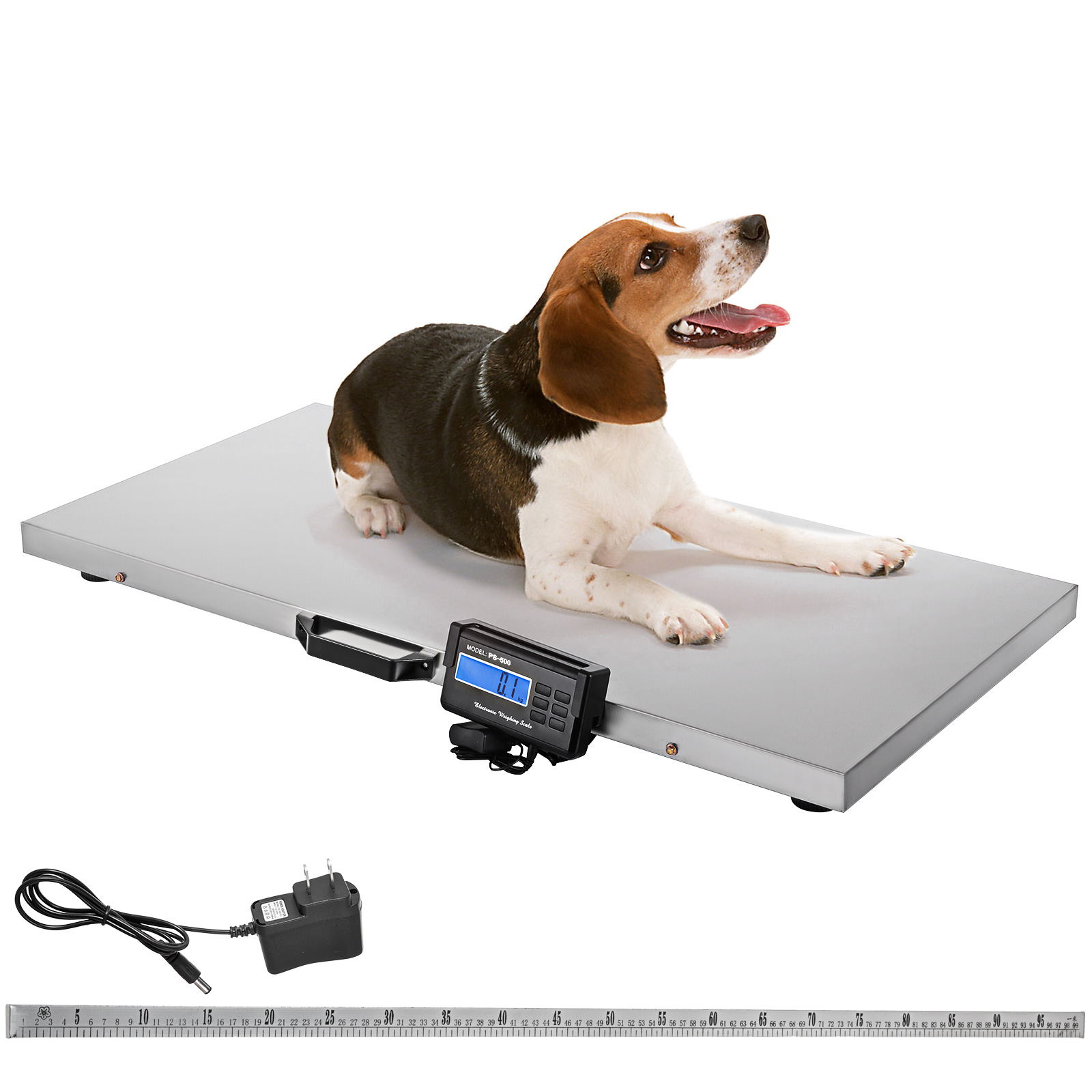
- Surface Stability: Place the scale on a flat, stable surface. Avoid placing it on carpet, as this can cause the scale to wobble and give inaccurate readings. A hard, level surface like a tile or hardwood floor is ideal.
- Location: Choose a location that is quiet and free from distractions. This will help keep your pet calm during the weighing process. Placing the scale in a corner of a room where your pet feels secure can also be beneficial.
- Assembly and Setup: If your scale requires assembly, make sure it is assembled correctly. Check that all parts are securely attached and that the display is functioning properly before using it to weigh your pet.
Techniques for Calm and Accurate Weighing
- Positive Reinforcement: Use positive reinforcement techniques to encourage your pet to stand on the scale. Offer treats or praise when your pet steps onto the scale. This will make the experience more pleasant for your pet and increase the likelihood of accurate weighing.
- Tare Function: If you are weighing your pet in a carrier or with a bowl of food, use the tare function to zero out the weight of the carrier or bowl. This will give you an accurate weight of your pet alone.
- Patience and Repetition: Be patient with your pet. If they are reluctant to stand on the scale, try repeating the process over a few days. Each time, make it a positive experience. Eventually, your pet will become more comfortable with the weighing process.
Expert Opinions on Pet Scale Selection
We reached out to several experts in the pet care industry to get their insights on choosing the right size of pet scale.
Dr. Emily Brown, a veterinarian with 15 years of experience: "Choosing the right size of pet scale is crucial for accurate weight monitoring. I always recommend that pet owners consider their pet's current weight, growth potential, and body dimensions. For example, for a growing puppy, it's better to invest in a scale with a higher weight capacity. Also, make sure the scale is calibrated regularly to ensure accurate readings. A scale that is off by even a pound can give a false indication of your pet's health."
Sarah Johnson, a pet behaviorist: "The size of the scale can also affect a pet's behavior during weighing. Restless or anxious pets may be more cooperative on a larger, more stable scale. I often suggest using positive reinforcement training techniques to get pets used to the scale. This not only makes the weighing process easier but also helps build a positive association with the scale."
Mark Thompson, a pet product reviewer: "When looking at pet scales, pay attention to the platform size. It should be large enough to comfortably accommodate your pet without them feeling crowded. Also, consider additional features like a tare function and a clear display. These features can make using the scale more convenient and accurate."

Frequently Asked Questions (FAQ)
Q1: Can I use a regular kitchen scale to weigh my pet?
A: While a kitchen scale may work for very small pets like hamsters or small birds, it is generally not recommended for larger pets. Kitchen scales usually have a lower weight capacity and may not be designed to handle the movement of a pet. They also may not have a large enough platform to accommodate a pet comfortably. A dedicated pet scale is a better option for accurate and safe weighing.
Q2: How do I know if the platform size of a pet scale is suitable for my pet?
A: Measure your pet's body length, width, and height as described earlier. Compare these measurements to the platform size of the scale. The platform should be large enough so that your pet can stand on it with all four feet comfortably, without their body hanging over the edges. If your pet is larger or has an unusual body shape, choose a scale with a larger platform.
Q3: Do I need a scale with a high weight capacity if my pet is currently small?
A: If your pet is young and has the potential to grow significantly, it is advisable to choose a scale with a higher weight capacity. This way, you won't need to replace the scale as your pet grows. Even if your pet is an adult, having a scale with a slightly higher weight capacity than your pet's current weight can be useful in case of weight fluctuations due to health issues or diet changes.
Q4: Can a pet scale be used for multiple pets with different sizes?
A: Yes, as long as the scale has a weight capacity and platform size that can accommodate the largest pet in your household. However, you may need to calibrate the scale between weighing different pets, especially if there is a significant difference in their weights. Also, make sure each pet is comfortable standing on the scale.
Q5: What should I do if my pet is scared of the pet scale?
A: Start by introducing the scale gradually. Place it in an area where your pet spends time and let them get used to its presence. Offer treats near the scale. Once they are comfortable with that, encourage them to step onto the scale by placing treats on it. Use positive reinforcement and patience. If your pet is still scared, consider consulting a pet behaviorist for more advice.

Related: In - Depth Analysis of Pet Scales
For a more comprehensive look at pet scales, including detailed product reviews, comparisons of different models, and tips on maintaining your scale, check out our previous article:
This article covers everything from the latest technological advancements in pet scales to real - world user experiences. It also includes expert - recommended products and advice on choosing the best pet scale for your specific pet care needs.
Conclusion
Choosing the right size of pet scale is a crucial step in effectively monitoring your pet's weight and overall health. By considering factors such as your pet's weight range, body dimensions, and behavioral traits, you can select a scale that provides accurate measurements and a comfortable weighing experience for your pet. Remember to calibrate the scale regularly, set it up properly, and use positive reinforcement techniques to ensure accurate and stress - free weigh - ins. With the right pet scale in hand, you can take an active role in maintaining your pet's well - being.
How do I use an alcohol tester correctly?
How Accurate Are Digital Fishing Scales?
Related Article
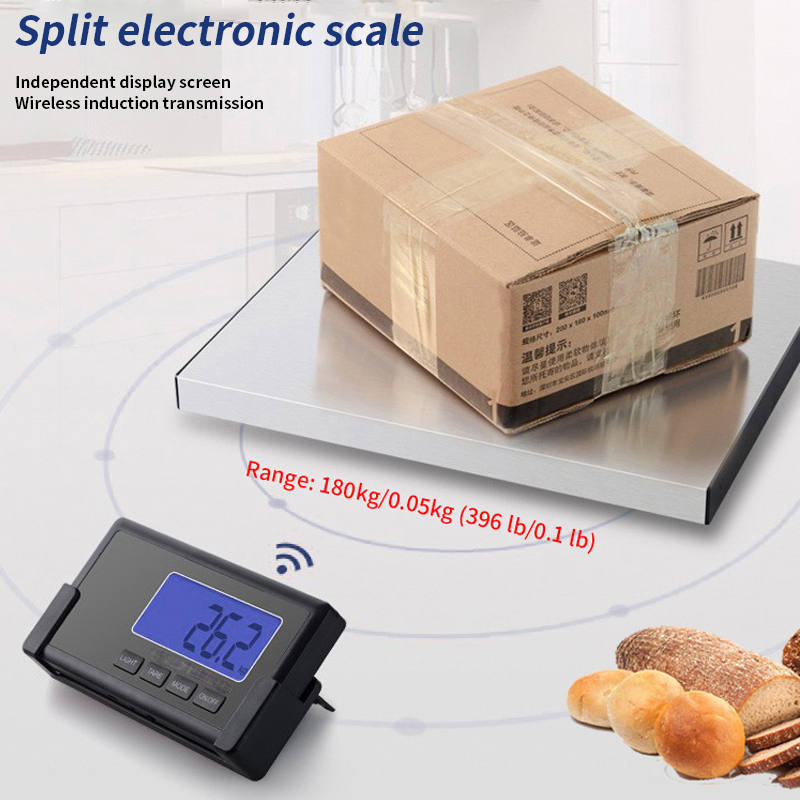
In the world of logistics and shipping, accuracy and efficiency are paramount. For businesses and individuals dealing with large packages or pallets, a reliable wireless shipping scale is an indispensable tool. One of the most critical questions that arises when selecting such a scale is: "What's the maximum weight capacity of a reliable wireless shipping scale suitable for shipping large packages or pallets?"
What's the Maximum Weight Capacity of a Reliable Wireless Shipping Scale Suitable for Shipping Large Packages or Pallets?
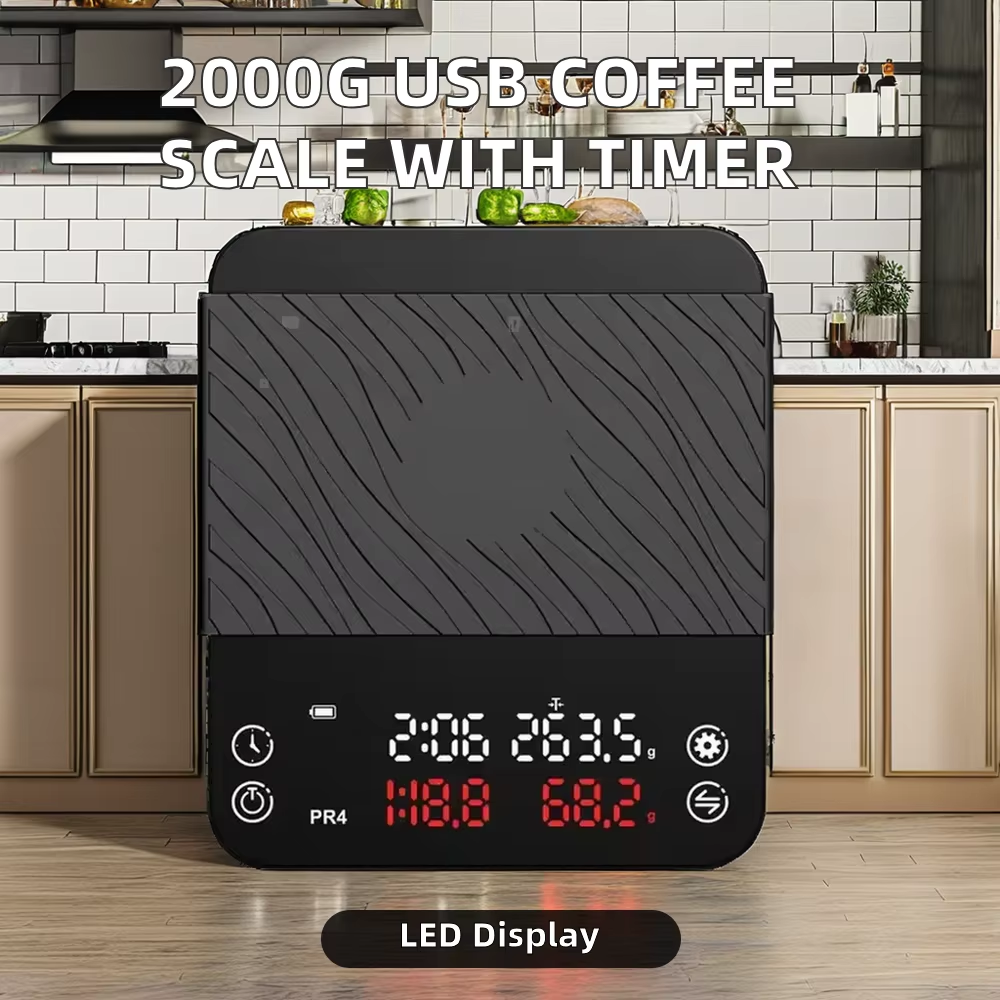
For coffee enthusiasts and baristas, the espresso scale is an indispensable tool. It ensures that each shot adheres to the precise coffee-to-water ratios that define a balanced, flavorful espresso. Among the key considerations when choosing an espresso scale is its weight capacity—the maximum weight it can accurately measure.
What's the Ideal Weight Capacity for an Espresso Scale Considering the Typical Amounts of Coffee and Water Used in a Shot?

The spoon scale has become a popular tool in home kitchens, beloved for its convenience in measuring small amounts of ingredients, especially spices, baking powders, and other seasonings. However, many users encounter a frustrating issue: their spoon scale gives inconsistent readings for the same ingredient.
My Spoon Scale Seems to Give Inconsistent Readings for the Same Ingredient. What Could Be the Problem and How Can I Fix It?

In the intricate world of jewelry, precision in weighing is of utmost importance. Whether it's determining the value of a rare gemstone, ensuring the correct amount of precious metal in a piece, or verifying the authenticity of a jewelry item, the right mini jewelry scale can make all the difference.
What's the Most Accurate Mini Jewelry Scale for Weighing Tiny Gemstones and Can It Measure Down to Milligrams?