
How to Use an Animal Scale to Ensure Accurate Measurement?
2025-05-06

Table of Contents

- Expert Opinions on Using Small Animal Scale
- Frequently Asked Questions (FAQ) about Animal Weight Scale Usage
- Related: Comprehensive Guide to Large Animal Scale
Introduction
Accurate weight measurement is critical for monitoring the health, growth, and well - being of animals, whether they are beloved household pets, farm livestock, or exotic species in zoos. Animal scale, or scales for animals, serves as an essential tool for veterinarians, pet owners, and animal caretakers. However, improper use can lead to inaccurate readings, which may result in misdiagnosis, incorrect feeding plans, or delayed medical interventions. This comprehensive guide will walk you through the steps to use an animal weighing scale effectively, ensuring precise measurements and reliable data for animal care.

The Importance of Accurate Animal Weight Measurement
Health Monitoring
For pets, regular weight checks can detect early signs of health issues such as obesity, thyroid problems, or digestive disorders. In livestock, accurate weight measurement is crucial for determining proper medication dosages, feeding schedules, and growth rates. Zoos and wildlife rehabilitation centers rely on precise weights to monitor the health of endangered species and track their recovery progress.
Veterinary Care
Veterinarians use animal weights to calculate drug dosages, assess surgical risks, and evaluate the effectiveness of treatment plans. A small error in weight measurement can lead to under - or over - medication, which may have serious consequences for the animal's health.
Nutritional Management
Whether formulating a diet for a diabetic cat or optimizing feed for a dairy cow, accurate weight data ensures that animals receive the right amount of nutrients. This prevents both malnutrition and overfeeding, which can lead to obesity - related diseases.
Pre - use Preparation for Weight Scale for Animal
Choosing the Right Animal Scales Weighing
Selecting a scale suitable for your animal's size and species is the first step.
- Small Pets: Look for scales with a weight capacity of 10 - 50 kg (22 - 110 lb) and a precision of 0.1 kg or 100g. Features like a non - slip platform and a removable tray for easy cleaning are ideal for cats, rabbits, or small dogs.
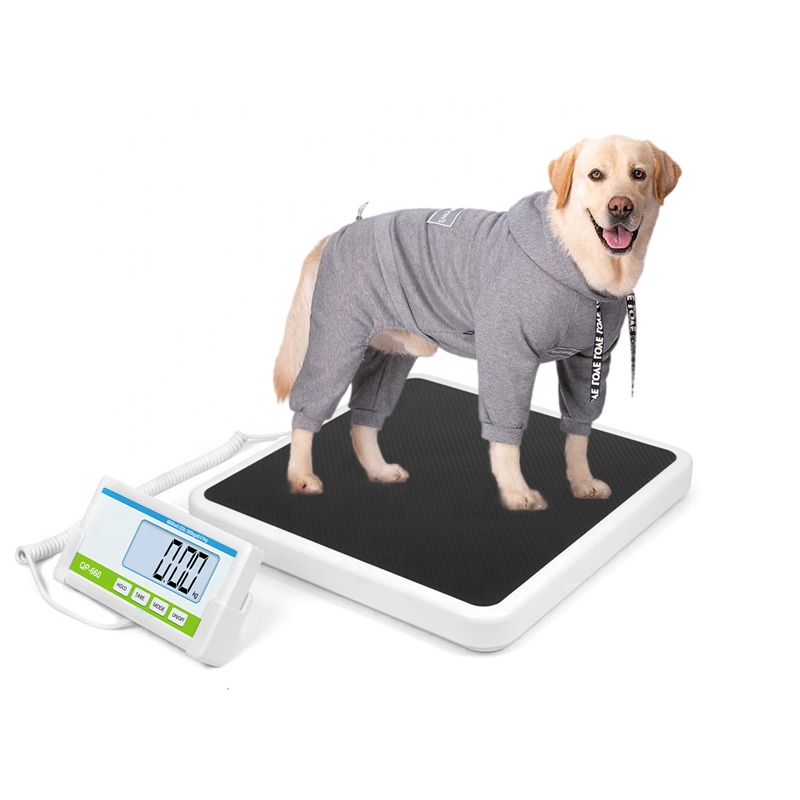
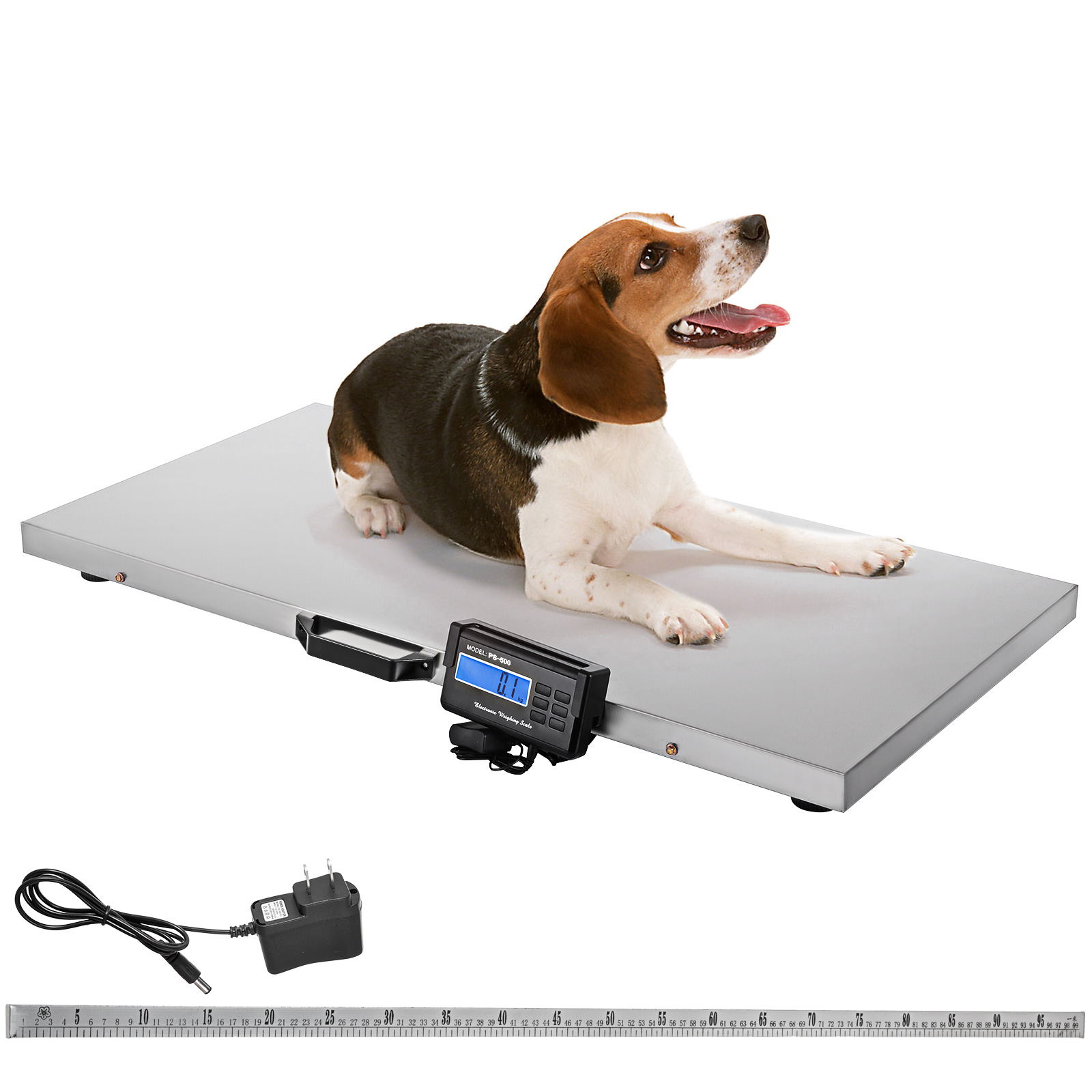
- Large Animals: For dogs over 50 kg, livestock, or horses, choose scales with a higher capacity (up to 500 kg or more) and rugged construction. Some models come with ramps or platforms to facilitate animal access.
- Exotic Pets: Birds or reptiles may require scales with gentle surfaces and low weight capacities (1 - 10 kg) to prevent stress or injury.

Calibration Basics
Calibration ensures that your scale provides accurate readings. Most digital weight scale animal come with a calibration function:
- Place the scale on a flat, stable surface.
- Turn it on and wait for the display to stabilize.
- Follow the manufacturer's instructions to activate calibration mode, often by pressing and holding a specific button.
- Use a known weight (e.g., a 10kg calibration weight) and place it on the center of the platform.
- Allow the scale to adjust until it displays the correct weight.
Environmental Setup
- Surface Stability: Always use the scale on a flat, hard surface like a countertop or concrete floor. Soft surfaces (carpets, grass) can cause the scale to wobble and produce inaccurate readings.
- Minimize Distractions: Create a calm environment to keep the animal still. For nervous pets, bring their favorite toy or treat to reduce stress.
- Temperature and Humidity: Avoid using the scale in extreme temperatures or high - humidity areas, as these can affect sensor performance.
Step - by - Step Guide for Accurate Measurement
For Small Pets (Cats, Small Dogs, Rabbits)
- Tare the Container (if using): If your pet is uncomfortable standing directly on the scale, use a lightweight container (e.g., a plastic bin with low sides). Place the container on the scale, press the "tare" button to zero out its weight, then gently place the pet inside.
- Direct Measurement: For cooperative pets, place them directly on the scale platform. Ensure all four paws (or the entire body for rabbits) are centered on the platform. Wait for the display to stabilize (usually 2 - 3 seconds) before recording the weight.
- Multiple Readings: If the pet moves, take 2 - 3 readings and average them to minimize errors caused by restlessness.

For Larger Animals (Large Dogs, Livestock, Horses)
- Platform pig animal scale: Use a scale with a large, sturdy platform. For dogs, encourage them to stand calmly on the scale using treats or verbal commands. For livestock, guide the animal onto the scale gently, ensuring all hooves are on the platform.
- Ramp Access: Some scales for large animals come with ramps to help the animal climb on safely. Ensure the ramp is securely attached and at a low angle to prevent slips.
- Assistant Help: Have another person hold the animal's head or provide reassurance to keep it still during measurement.
For Birds and Exotic Pets
- Perch farm animal scale: Specialized bird scales have a perch design. Place the bird on the perch and wait for it to settle. The scale will measure the weight through the perch's sensors.
- Soft Surfaces for Reptiles: Reptiles like lizards or snakes may feel more comfortable on a soft mat or towel placed on the scale. Use the tare function to exclude the mat's weight before placing the reptile on top.
Common Parameters of Animal Floor Scale
|
Parameter
|
Description
|
Typical Range
|
|
Weight Capacity
|
Maximum weight the scale can measure
|
5 kg - 500 kg (11 lb - 1,102 lb)
|
|
Precision
|
Smallest weight increment the scale can detect
|
0.1 kg - 1 kg
|
|
Display Type
|
Technology for weight display
|
LCD (backlit for low - light environments)
|
|
Power Source
|
How the scale is powered
|
AAA batteries, rechargeable lithium - ion
|
|
Platform Size
|
Dimensions of the weighing surface
|
30 cm x 30 cm (small pets) to 150 cm x 100 cm (large animals)
|
|
Tare Function
|
Zero out container weight
|
Standard feature in digital scales
|
|
Unit Conversion
|
Supported weight units
|
kg, lb, oz, g
|
|
Water Resistance
|
Ingress Protection (IP) rating for outdoor use
|
IP54 (splash - resistant) to IP67 (waterproof)
|

Maintaining Accuracy Over Time
Regular Calibration Schedule
- New digital scale for animals: Calibrate immediately after purchase and before first use.
- Regular Use: Calibrate monthly if used frequently (e.g., in a veterinary clinic) or quarterly for home use.
- After Moving: Re - calibrate if the scale has been dropped, exposed to extreme temperatures, or moved to a new location.
Cleaning and Storage Tips
- Cleaning: Wipe the scale platform with a damp cloth and mild soap. Avoid using abrasive cleaners or submerging the scale in water (unless it is waterproof). For removable trays, wash them with warm soapy water and dry thoroughly.
- Storage: Store the scale in a dry, dust - free place. If it's a portable scale, use the original case to protect it from impacts.
Battery and Power Management
- Battery - Operated Scales: Use high - quality batteries and replace them at the first sign of low power (indicated by a dim display or unstable readings).
- Rechargeable Pet Scales: Charge the battery fully before use and avoid overcharging. Unplug after reaching full charge to extend battery life.
Expert Opinions on Using Livestock Animal Scale
We interviewed leading experts in animal care and veterinary medicine:
- Dr. Sarah Miller, Veterinarian and Pet Health Specialist:"Accurate weight measurement is the foundation of good pet care. I always recommend calibrating digital animal scale monthly, especially in clinics where they're used daily. For nervous pets, using a familiar container with the tare function can reduce stress and improve measurement accuracy."
- John Davis, Livestock Management Consultant:"In farming, a 1% error in weight can lead to significant feed miscalculations over time. Invest in heavy - duty scales with a capacity 20% higher than your largest animal's expected weight, and always check for surface stability before each use."
- Dr. Emma Carter, Exotic Animal Veterinarian:"Exotic pets like parrots or chameleons require gentle handling. Use scales with non - slip surfaces and take multiple readings if the animal moves. Remember, a stressed pet may have a temporary weight fluctuation due to muscle tension, so keep the environment calm."
Frequently Asked Questions (FAQ) about Big Animal Scale Usage
Q1: Can I use a human scale to weigh my pet?
A: While human scales can work for large dogs, they often lack the precision needed for small pets (e.g., cats or rabbits). Pet scales are designed with smaller platforms, higher precision, and features like tare functions that make them more suitable for animal measurement.
Q2: My pet won't stay still on the postal animal pet scale. How can I get an accurate reading?
A: Try these tips:
- Use a container they're familiar with (e.g., their carrier) and tare the weight.
- Offer treats or praise to keep them calm.
- Take multiple readings and average them to reduce errors from movement.
Q3: How often should I weigh my pet?
A: For healthy pets, monthly weigh - ins are sufficient. For animals with health issues (e.g., obesity, kidney disease) or growing puppies/kittens, weigh them weekly under veterinary guidance.
Q4: Can environmental factors like temperature affect the pet weighing scale's accuracy?
A: Yes, extreme temperatures can cause sensor expansion/contraction, leading to errors. Most scales operate best between 10°C - 40°C (50°F - 104°F). Avoid using them in direct sunlight, freezers, or humid environments.
Q5: What should I do if my pet weight scale's calibration fails?
A: First, check the surface stability and battery level. If issues persist, contact the manufacturer for troubleshooting. Some scales may need professional recalibration or repair if the internal sensors are damaged.
Related: Comprehensive Guide to Scale Pet
For more information on selecting the right digital pet scale for your needs, including product reviews and buying tips, check out our previous article:
This guide covers everything from choosing between digital and mechanical scales to understanding weight capacities and special features for exotic pets. It also includes expert recommendations for top brands and models in the market.
Conclusion
Using a pet digit scale effectively requires a combination of proper preparation, correct usage techniques, and regular maintenance. By choosing the right scale for your animal's needs, calibrating it regularly, and creating a calm measurement environment, you can ensure accurate weight data that supports better health decisions. Whether you're a pet owner, veterinarian, or livestock manager, investing time in mastering your scales for pet will lead to more reliable measurements and improved animal care. Always refer to the manufacturer's instructions for your specific scale model, and don't hesitate to seek professional advice if you encounter challenges. With these steps, you can confidently use your animal scale to monitor and maintain the well - being of the animals in your care.
What Factors Can Affect the Accuracy of a Breathalyzer?
Are There Hanging Scales That Can Be Used in Harsh Environmental Conditions?
Related Article
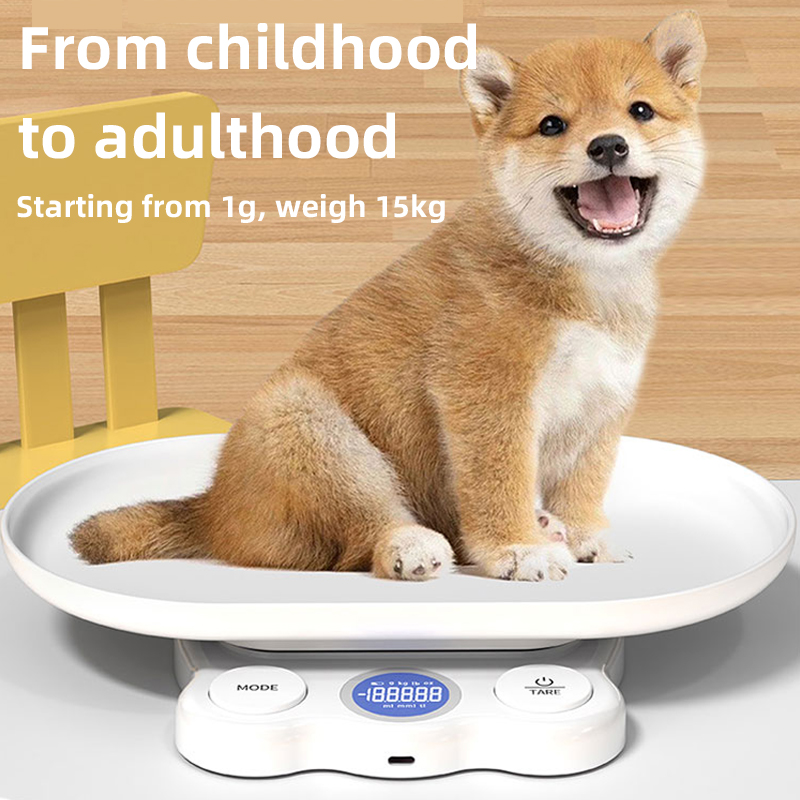
Monitoring your pet's weight is an essential part of maintaining their health. A dog weighing scale provides a convenient way to keep track of your furry friend's weight changes over time. However, choosing the right size of pet scale is crucial for accurate measurements and the comfort of your pet.
How Do I Choose the Right Size Pet Scale for My Pet?

As a pet owner, you know that keeping tabs on your dog's health is crucial. One of the most important aspects of monitoring your pet's well - being is accurately measuring their weight. But with so many pet scales on the market, how do you know which one is the best for your furry friend? In this article, we'll explore the top pet scales for accurately weighing large dogs, and help you make an informed decision.
What's the Best Pet Scale for Accurately Weighing a Large Dog?

As a pet owner, it is essential to monitor your dog's weight to ensure an optimal level of health and well-being. A healthy dog is a happy dog, and regular weight monitoring can help prevent obesity-related health issues. But what scale is best to use when measuring your furry friend? In this article, we will explore the various types of scales that can be used to measure your dog's weight, tips for accurate measurements, and the importance of monitoring your dog's weight.
What scale is used to measure a dog?