
How Can I be Sure that the Jewelry Scale I'm Considering Gives Truly Accurate Readings?
2025-06-26

Table of Contents
- Introduction
- The Significance of Accuracy in Jewelry Scales
- Key Factors Determining Jewelry Scale Accuracy
-
- Sensor Technology
-
- Calibration and Certification
- Calibration and Certification
-
- Build Quality and Design
-
- Measurement Range and Resolution
- Common Parameters of Jewelry Scales
- Techniques for Achieving Precise Readings
-
- Proper Scale Placement
-
- Correct Usage and Handling
-
- Regular Maintenance
- Expert Opinions on Jewelry Scale Accuracy
- Frequently Asked Questions (FAQ) about Jewelry Scale Accuracy
- Related: In - Depth Guide to Jewelry Scales
- Conclusion
Introduction
In the intricate world of jewelry, where the value of gemstones, precious metals, and fine accessories is often determined by their weight, the accuracy of a jewelry scale is non - negotiable. Whether you're a professional jeweler, a gemologist, or a jewelry enthusiast involved in buying, selling, or appraising pieces, the reliability of your scale's readings can directly impact financial transactions, authenticity assessments, and customer trust. But with numerous jewelry scales available in the market, each claiming high precision, the question arises: How can I be sure that the jewelry scale I'm considering gives truly accurate readings? This comprehensive news article will explore the key factors influencing jewelry scale accuracy, provide practical tips for achieving precise measurements, and share expert insights. For a more general understanding of jewelry scales, check out our previous in - depth guide here.

The Significance of Accuracy in Jewelry Scales
Financial Transactions
In the jewelry industry, precious metals like gold, silver, and platinum, as well as gemstones such as diamonds, rubies, and sapphires, are often priced based on their weight. Even a slight inaccuracy in the scale's reading can lead to significant financial discrepancies in buying or selling transactions. For example, an error of just 0.1 grams in weighing a high - value diamond can translate to a difference of hundreds or even thousands of dollars in its price.
Authenticity and Appraisal
Accurate weight measurements are crucial for jewelry appraisal and authenticity verification. Gemologists and appraisers rely on precise weight data, along with other characteristics like color, clarity, and cut, to determine the value and authenticity of a piece. Inconsistent or inaccurate scale readings can lead to misjudgments, potentially devaluing genuine jewelry or overvaluing counterfeit items.
Quality Control
For jewelry manufacturers and craftsmen, accurate scales are essential for quality control. Ensuring that each piece meets the specified weight requirements helps maintain brand consistency and customer satisfaction. Inaccurate measurements can result in defective products, wasted materials, and damage to the company's reputation.
Key Factors Determining Jewelry Scale Accuracy
Sensor Technology
The heart of any jewelry scale is its sensor, which converts the weight of an object into an electrical signal that can be measured and displayed. There are two main types of sensors commonly used in jewelry scales:
- Strain Gauge Sensors: These are considered the gold standard for accuracy in high - end jewelry scales. Strain gauge sensors work by measuring the deformation of a strain gauge when weight is applied. They offer high precision, often with an accuracy of up to 0.001 grams, and are capable of handling a wide range of weights. However, they can be more expensive and require careful calibration.


- Load Cell Sensors: Load cell sensors are another popular option, especially in mid - range jewelry scales. They consist of a metal beam that deforms under load, and the change in deformation is measured to determine the weight. While they may not be as precise as strain gauge sensors, modern load cell sensors can still achieve an accuracy of 0.01 grams or better, making them suitable for most jewelry weighing applications.
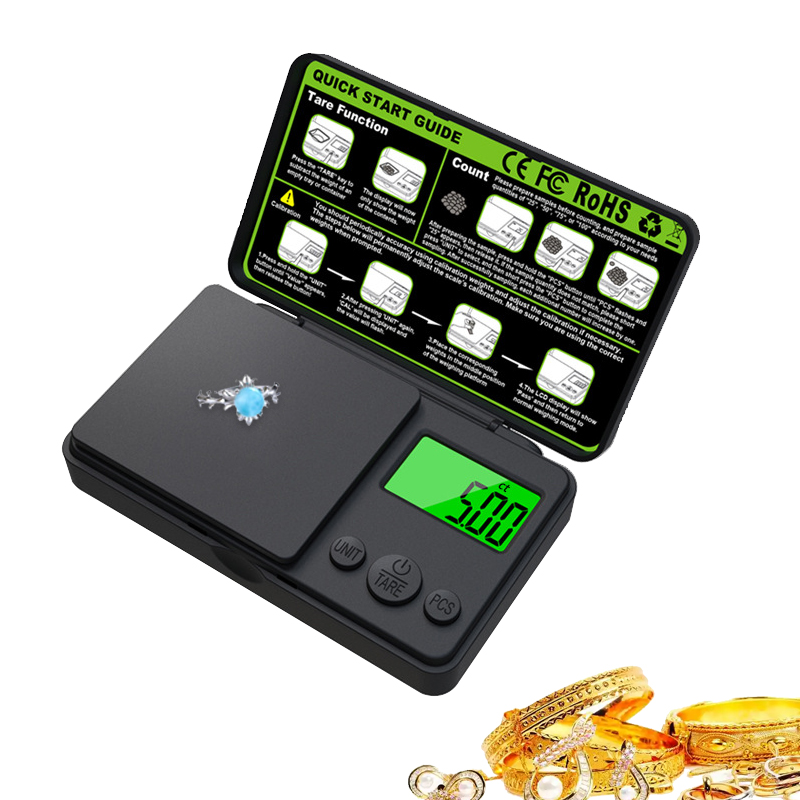
Calibration and Certification
- Calibration: Regular calibration is essential to maintain the accuracy of a jewelry scale. Calibration involves comparing the scale's readings against a known standard weight and adjusting it if necessary. Most jewelry scales come with a calibration function, either manual or automatic. Some high - end models may require calibration using external calibration weights, while others can self - calibrate. It's important to follow the manufacturer's recommended calibration schedule, which can range from once a month to once a year, depending on the scale's usage and environment.
- Certification: Look for jewelry scales that have been certified by recognized organizations. In the United States, the National Type Evaluation Program (NTEP) certification is highly regarded for scales used in commercial transactions. NTEP - certified scales have been tested and meet strict accuracy and performance standards, ensuring that their readings are reliable for legal trade. Other international certifications, such as those from the International Organization for Standardization (ISO), can also indicate a scale's quality and accuracy.
Build Quality and Design
The physical construction of a jewelry scale can impact its accuracy. A well - built scale with a sturdy platform and housing is less likely to be affected by external factors such as vibrations or minor impacts. Look for scales made from high - quality materials like stainless steel or durable plastic, which are resistant to corrosion and wear. Additionally, the design of the scale should minimize the risk of parallax error, where the reading appears different depending on the angle from which it is viewed. Scales with a flat, horizontal display that is easy to read from multiple angles are preferred.
Measurement Range and Resolution
- Measurement Range: The measurement range of a jewelry scale refers to the minimum and maximum weights it can accurately measure. For jewelry applications, scales with a wide range are often more versatile, as they can handle everything from tiny gemstones to larger pieces of jewelry. However, it's important to note that the accuracy of a scale may vary across its measurement range. Some scales are more accurate at the lower end of their range, while others maintain consistent accuracy throughout.
- Resolution: Resolution is the smallest unit of measurement that a scale can display. A higher resolution means the scale can detect smaller differences in weight. For jewelry scales, a resolution of 0.01 grams or better is recommended for most applications. Scales with a resolution of 0.001 grams are ideal for weighing very small and valuable gemstones.
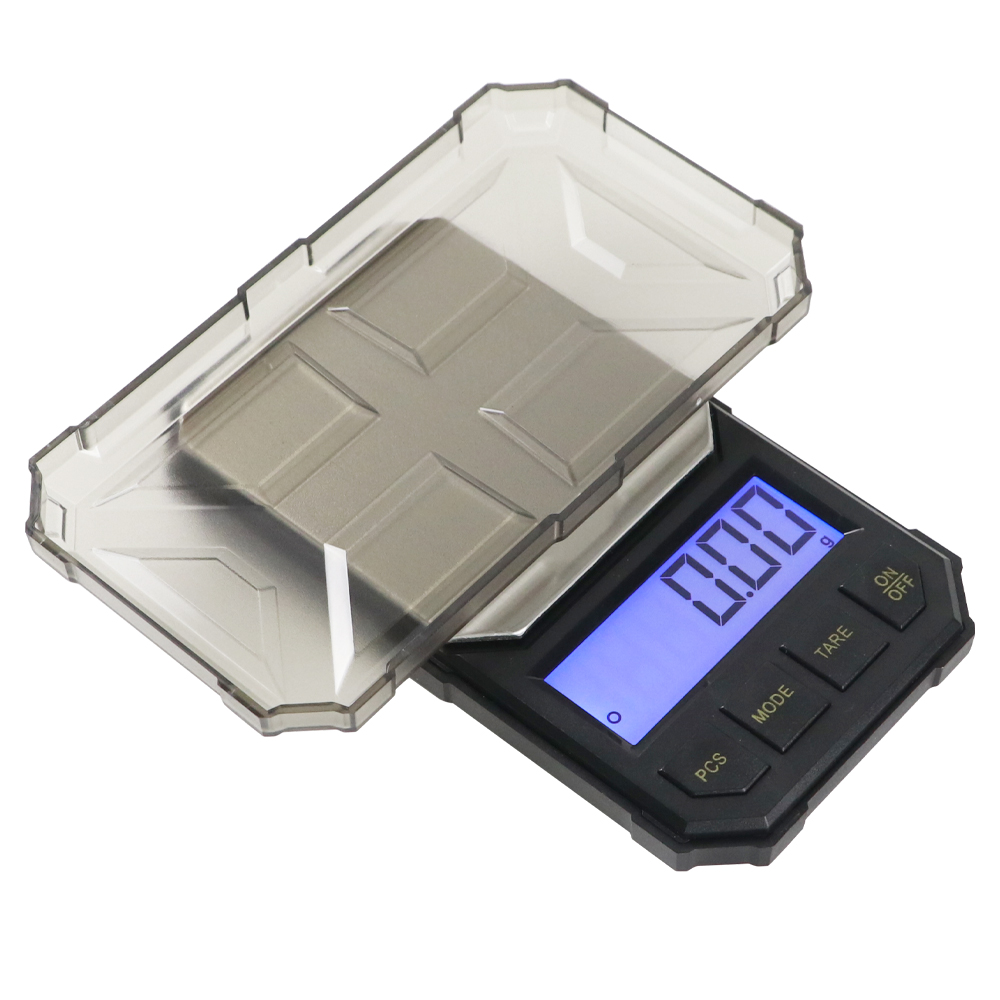
Common Parameters of Jewelry Scales
|
Parameter
|
Description
|
Typical Range
|
|
Accuracy
|
Degree of closeness to the true weight
|
0.001 - 0.1 grams
|
|
Resolution
|
Smallest weight increment the scale can detect
|
0.001 - 0.1 grams
|
|
Measurement Range
|
Minimum and maximum weights the scale can measure
|
0.01 grams - 500 grams
|
|
Sensor Type
|
Technology used to measure weight
|
Strain Gauge, Load Cell
|
|
Calibration
|
Method of ensuring accuracy
|
Manual, Automatic, Self - Calibration
|
|
Certification
|
Recognition from standards organizations
|
NTEP (US), ISO (International)
|
|
Display Type
|
Technology used for showing weight readings
|
LCD (Liquid Crystal Display), LED (Light - Emitting Diode)
|
|
Power Source
|
How the scale is powered
|
Battery - operated (AAA, AA), Rechargeable, AC Adapter
|
|
Material
|
Material of the platform and housing
|
Stainless Steel, Plastic, Aluminum
|
|
Size (Dimensions)
|
Length x Width x Height
|
10 x 10 x 2 cm - 20 x 15 x 5 cm
|
|
Weight
|
Physical weight of the scale
|
100 - 500 grams
|
Techniques for Achieving Precise Readings
Proper Scale Placement
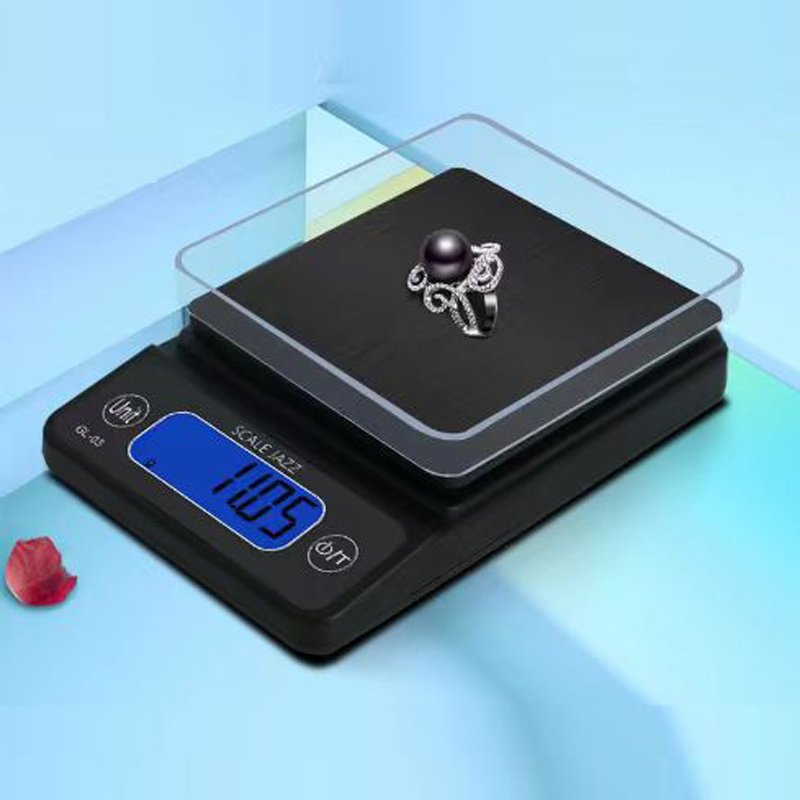
For accurate readings, place the jewelry scale on a flat, stable surface. Avoid using the scale on uneven countertops, soft materials, or surfaces that are prone to vibrations. A stable base ensures that the weight of the jewelry is evenly distributed on the scale's platform, preventing any fluctuations in the readings. If possible, place the scale on a non - slip mat to further enhance stability.
Correct Usage and Handling
When weighing jewelry, handle the items with care to avoid adding extra weight due to fingerprints, dirt, or moisture. Use tweezers or gloves when handling small gemstones or delicate pieces. Place the jewelry gently in the center of the scale's platform to ensure an even distribution of weight. Wait for the scale to stabilize and display a consistent reading before recording the weight. Avoid touching the scale or the jewelry while the measurement is in progress, as this can cause the reading to change.
Regular Maintenance
Keep the jewelry scale clean by wiping it with a soft, dry cloth after each use. Avoid using abrasive cleaners or liquids, as these can damage the scale's surface and internal components. Check the battery level regularly if the scale is battery - operated and replace the batteries as needed to ensure consistent performance. If the scale has a protective cover, use it when the scale is not in use to prevent dust and debris from entering the device.
Expert Opinions on Jewelry Scale Accuracy
We spoke with several experts in the jewelry and weighing industries to get their insights on jewelry scale accuracy:
John Smith, a Master Jeweler with 20 years of experience: “In my opinion, the most important factor in a jewelry scale is its sensor technology. Strain gauge sensors are worth the investment if you need the highest level of accuracy, especially when dealing with high - value gemstones. But for everyday jewelry weighing in a retail setting, a well - calibrated load cell scale with an accuracy of 0.01 grams can be more than sufficient. And never skip the calibration process – it's the key to maintaining reliable readings.”
Dr. Emily Johnson, a Gemologist and Appraiser: “Certification is a must - have for any jewelry scale used in professional appraisals. An NTEP - certified scale gives clients confidence in the accuracy of the weight measurements, which is crucial for determining the value of jewelry. Additionally, I always recommend scales with a high resolution, as it allows for more precise identification and grading of gemstones based on their weight.”
Michael Brown, a Weighing Equipment Specialist: “Build quality often gets overlooked, but it plays a significant role in a scale's accuracy over time. A scale that is resistant to environmental factors like humidity and temperature changes will provide more consistent readings. Also, pay attention to the scale's design – a scale with a zero - adjustment feature can help correct for any minor inaccuracies that may occur due to external factors.”
Frequently Asked Questions (FAQ) about Jewelry Scale Accuracy
Q1: Can I use a regular kitchen scale for weighing jewelry?
A1: While it's possible to use a regular kitchen scale for jewelry weighing, it's not recommended. Kitchen scales are generally less precise than jewelry scales and may not have the necessary features, such as high resolution and the ability to measure very small weights accurately. Jewelry scales are specifically designed to handle the delicate and valuable items typical in the jewelry industry.
Q2: How often should I calibrate my jewelry scale?
A2: The calibration frequency depends on the scale's usage and environment. For scales used frequently in a commercial setting, it's advisable to calibrate them at least once a month. For home use or less frequent applications, calibration every 3 - 6 months should be sufficient. However, if you notice any significant discrepancies in the readings or if the scale has been dropped or exposed to extreme conditions, calibrate it immediately.
Q3: What does an NTEP certification mean for a jewelry scale?
A3: NTEP (National Type Evaluation Program) certification is a mark of approval from the U.S. National Institute of Standards and Technology (NIST). An NTEP - certified jewelry scale has undergone rigorous testing and meets strict accuracy and performance standards, making it suitable for use in legal trade transactions, such as buying and selling jewelry.
Q4: Can environmental factors affect the accuracy of a jewelry scale?
A4: Yes, environmental factors such as temperature, humidity, and vibrations can impact a jewelry scale's accuracy. Extreme temperatures can cause the materials in the scale to expand or contract, affecting the sensor's performance. High humidity can lead to corrosion of the scale's components, while vibrations can cause inconsistent readings. It's best to use the scale in a stable, controlled environment.
Q5: How can I tell if my jewelry scale is inaccurate?
A5: One way is to compare the scale's readings with a known standard weight. If the scale consistently gives readings that are significantly different from the standard weight, it may be inaccurate. Another sign is if the readings fluctuate widely when weighing the same item multiple times. Additionally, if the scale has not been calibrated for a long time, it's likely that its accuracy has been compromised.

Related: In - Depth Guide to Jewelry Scales
For a more comprehensive understanding of jewelry scales, including detailed reviews of different models, tips on choosing the right scale for specific jewelry applications, and comparisons of features, check out our previous article:
This article explores the various types of jewelry scales available in the market, their unique features, and how they can be used effectively in different jewelry - related scenarios. It also provides valuable insights for both beginners and experienced jewelry professionals looking to make the most of their jewelry scales.
Conclusion
Determining the accuracy of a jewelry scale requires a careful evaluation of multiple factors, from sensor technology and calibration to build quality and usage techniques. By understanding these key elements, referring to expert advice, and following best practices for measurement and maintenance, you can be confident in the readings of your jewelry scale. Whether you're a professional in the jewelry industry or a passionate collector, investing in a reliable, accurate jewelry scale is essential for ensuring the integrity of your transactions, appraisals, and craftsmanship.
What are the Essential Features to Look for in a Spoon Scale?
Can I Find a Coffee Scale that is Both Compact and Has All the Necessary Features?
Related Article

In the world of jewelry, where a single carat or milligram can impact value significantly, precision is non-negotiable. A scale for jewelry designed for jewelry offers the portability and accuracy needed to weigh diamonds, gold, silver, and gemstones.
What is the best pocket scale for jewelry?

Accurate weighing of jewelry is of utmost importance. Pocket scales, with their compact size and portability, seem like a convenient option for this task. However, before relying on a pocket scale for jewelry weighing, it's crucial to understand their capabilities, limitations, and how they compare to specialized jewelry scales. This comprehensive answer will explore all aspects of using a pocket scale for weighing jewelry, helping you make an informed decision.
Is a pocket scale suitable for weighing jewelry?

Jewelry holds significant value, both monetarily and sentimentally. Whether you're a jeweler, a collector, or someone looking to sell or insure your precious pieces, accurately weighing your jewelry is crucial. Precise weight measurements can help determine the value of gemstones, precious metals, and the overall piece. In this comprehensive guide, we'll explore various methods and tools for weighing jewelry, along with important considerations to ensure accurate results.
How can I weigh my jewelry?

In a world where precision matters, pocket scales have emerged as indispensable tools. Whether you're a jeweler delicately weighing precious gemstones, a herbalist measuring out the perfect blend of herbs, or someone who simply needs to weigh small items with accuracy on the go, pocket scales offer a compact and efficient solution. This article delves deep into the world of pocket scales, exploring their features, applications, how to choose the right one, and much more.
Pocket Scales: Unlock Precision for Jewelry, Herbs, and More
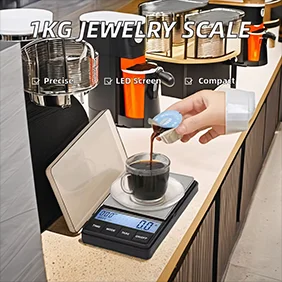
Jewelry scales have been used for centuries by jewelers and businesses for precise measurements. However, with the advancement of technology and availability of numerous options, it can be overwhelming to determine which scale has the best accuracy. This comprehensive study aims to provide insight into the accuracy of jewelry scales and their use in various industries.
How accurate are jewelry scales?

Digital pocket scale have become increasingly popular in the United States, favored by jewelers, hobbyists, outdoor enthusiasts, and even those in the medical field for their compact size and portability. Whether it's weighing precious gemstones, small fishing lures, or medication dosages, the accuracy of these scales is of utmost importance.
How Accurate Is A Digital Pocket Scale?