
What is the best pocket scale for jewelry?
2025-04-09

Table of Contents
- Introduction
- Core Factors in Choosing a Jewelry Pocket Scale
- Types of Pocket Scales for Jewelry
- Common Parameters of Jewelry Pocket Scales
- Achieving Precision: A Jeweler’s Guide to Accurate Weighing
- Expert Opinions and Industry Recommendations
- Frequently Asked Questions (FAQ)
- Related: Comprehensive Guide to Pocket Scales
- Conclusion
Introduction
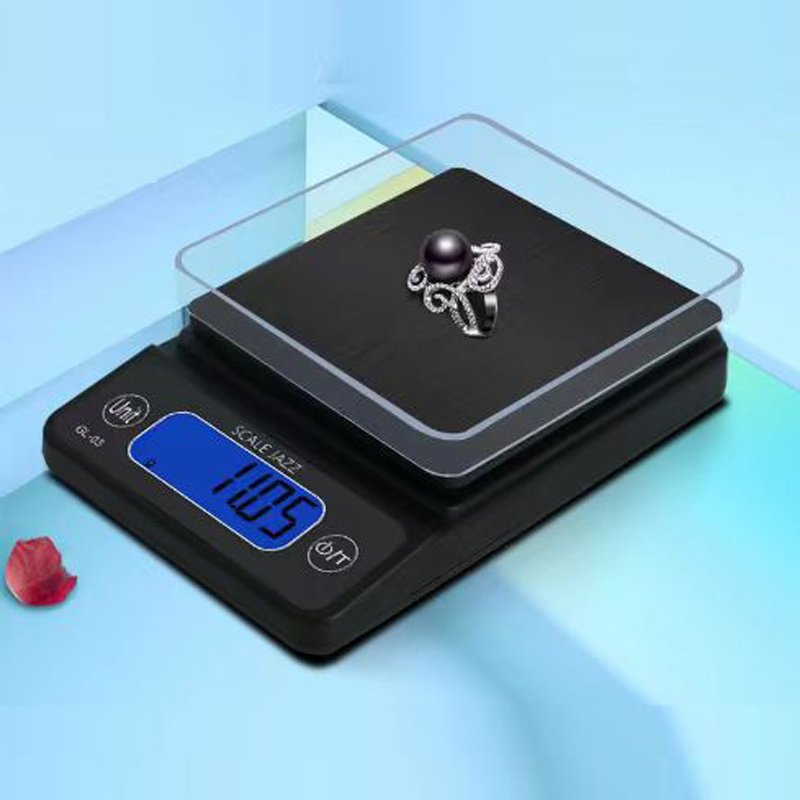
In the world of jewelry, where a single carat or milligram can impact value significantly, precision is non-negotiable. A pocket scale designed for jewelry offers the portability and accuracy needed to weigh diamonds, gold, silver, and gemstones with confidence. Whether you’re a jeweler assessing precious metals, a gemologist grading stones, or a collector verifying authenticity, the right pocket scale ensures every measurement is both precise and reliable. This guide explores the key factors in selecting the best pocket scale for jewelry, reviews top models, and provides practical tips for achieving professional-grade accuracy.

Core Factors in Choosing a Jewelry Pocket Scale
Precision & Accuracy: The Gold Standard
The defining feature of a jewelry pocket scale is its precision, measured in the smallest weight increment it can detect. For jewelry:
- Gemstones/ Diamonds: Require 0.01g (0.1ct) precision (e.g., a 1ct diamond = 0.2g, so 0.01g error is a 5% discrepancy).
- Gold/Silver: Need 0.1g precision for pricing (e.g., 10g of 18k gold vs. 10.1g can differ by $15+).
Premium pocket scales like the Acaia Lunar use advanced MEMS sensors for 0.01g accuracy, while budget models may offer 0.1g precision. Always check the scale’s calibration certificate for traceability to international standards (e.g., NIST).
Weight Capacity: Balancing Delicacy and Utility
Jewelry scales typically have a 200–500g capacity, striking a balance between measuring tiny gemstones (0.1g) and larger pieces (e.g., a 200g silver necklace). Avoid scales with capacities below 100g, as they may not accommodate medium-sized jewelry items.
Material & Build Quality: Protecting Valuables
- Platform Material: Opt for stainless steel or tempered glass to resist scratches and corrosion from chemicals (e.g., cleaning solutions).
- Frame Construction: Aluminum or ABS plastic frames offer durability without adding bulk. Avoid flimsy plastic scales prone to warping.
- Finish: Matte or anti-static coatings prevent dust and lint from affecting measurements, critical for weighing loose gemstones.

Portability & Design: On-the-Go Valuation
Jewelry professionals often work in multiple locations, making portability key:
- Size: Look for Pocket scales under 4x4 inches (10x10cm) that fit in a pocket or jewelry case (e.g., the MAXUS Precision Scale measures 3.5x3.5 inches).
- Weight: Under 100g for true portability; rechargeable models like the Weigh Gram Pro weigh 85g with a built-in battery.
- Display: Backlit LCD/LED screens ensure readability in low-light environments, a common scenario in jewelry stores or gem shows.
Additional Features: Beyond Basic Weighing
- Tare Function: Zero out the weight of jewelry trays or anti-static bags to measure net weight accurately.
- Unit Conversion: Support for grams (g), carats (ct), ounces (oz), pennyweights (dwt), and troy ounces (ozt)—essential for international jewelry standards.
- Overload Protection: Alerts or automatic shutoff to prevent sensor damage when exceeding capacity.
Types of Pocket Scales for Jewelry
Basic Precision Scales: Entry-Level Reliability
Ideal for occasional users or hobbyists, these jewelry scales offer decent accuracy at an affordable price.
- Pros: Budget-friendly ($20–$50), simple operation, lightweight.
- Cons: Limited to 0.1g precision, basic materials, no advanced units (e.g., carats).
- Top Picks:
- Greater Goods Nano Scale: 100g capacity, 0.1g precision, and a compact design for everyday use.
- Etekcity Digital Pocket Scale: 200g capacity, tare function, and auto-off to save battery.
High-End Precision Scales: Professional-Grade Accuracy
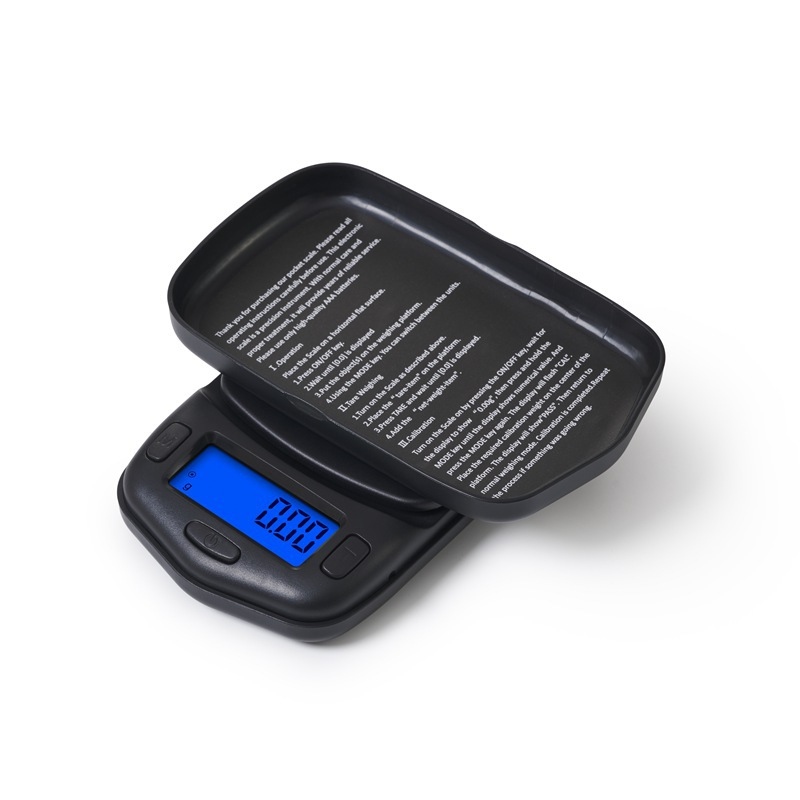
Designed for jewelers and gemologists, these scales deliver 0.01g precision and premium features.
- Pros: Laboratory-grade accuracy, durable construction, advanced unit support.
- Cons: Higher cost ($80–$200), slightly bulkier design.
- Top Picks:
- MAXUS Precision Pocket Scale: 200g x 0.01g, stainless steel platform, and carat/gram conversion—popular for diamond grading.
- Acaia Lunar: 500g x 0.01g, Bluetooth connectivity for data logging, and a scratch-resistant glass platform.
Specialized Gemstone Scales: Advanced Measurement Modes
For rare or high-value stones, these pocket scales include features like density measurement and anti-static surfaces.
- Pros: Multi-functionality (e.g., carat weighing, density testing), rugged build.
- Cons: Premium pricing ($150–$300), steep learning curve.
- Top Picks:
- Ohaus Scout Pro: 200g x 0.01g, built-in calibration weights, and ISO 17025 compliance for professional labs.
- Adam Equipment POCKET-SCALE: 100g x 0.001g (milligram precision), ideal for micro-precious stones.
Common Parameters of Jewelry Pocket Scales
| Parameter | Basic Scales | High-End Scales | Specialized Scales |
|---|---|---|---|
| Precision | 0.1g | 0.01g (200g models) | 0.001g (100g models) |
| Weight Capacity | 100–200g | 200–500g | 50–100g (mg precision) |
| Units | g, oz | g, ct, dwt, ozt | g, ct, mg, grains |
| Platform Material | ABS plastic | Stainless steel/glass | Anti-static coated glass |
| Battery Life | 6–12 months (AAA) | 12–18 months (rechargeable) | 8–10 months (CR2032) |
| Dimensions | 3x3x0.5 inches | 4x4x0.75 inches | 5x5x1 inch (with case) |
| Special Features | Tare, auto-off | Calibration weights, Bluetooth | Density calculator, ISO certification |
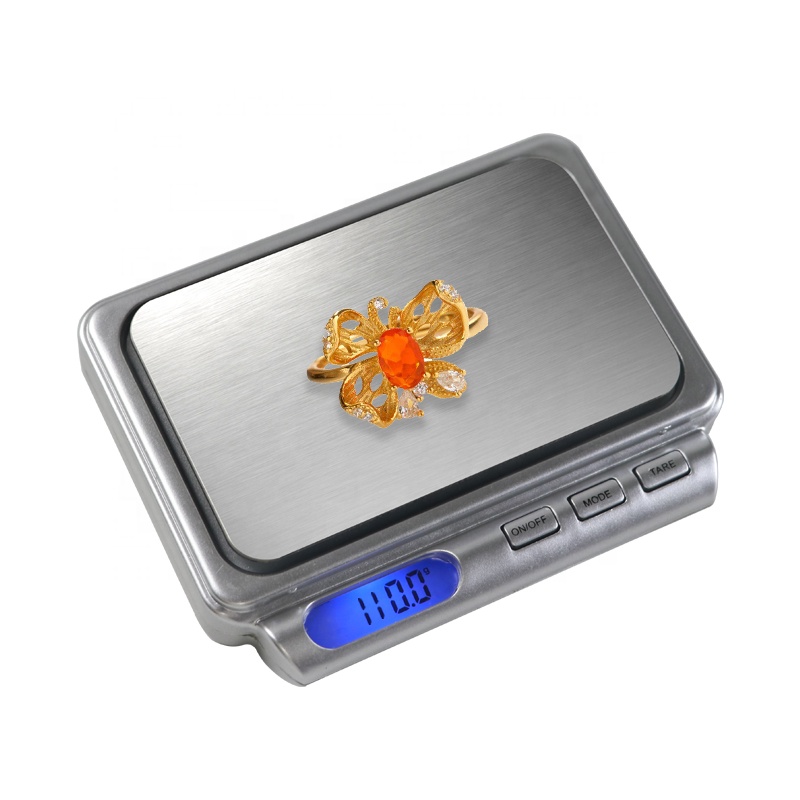 Achieving Precision: A Jeweler’s Guide to Accurate Weighing
Calibration Techniques for Optimal Accuracy
- Frequency: Calibrate before each use for high-stakes measurements (e.g., diamond trading) or at least weekly for regular use.
- Tools: Use certified calibration weights (e.g., 50g, 100g) traceable to NIST or OIML standards.
- Steps:
- Place the scale on a flat, non-vibrating surface (avoid wooden tables; use a marble slab if possible).
- Press the "CAL" button and wait for the display to prompt you to add the weight.
- Place the weight centrally on the platform and wait for stabilization (usually 3–5 seconds).
- Verify the displayed weight matches the calibration weight (tolerance should be within ±0.01g for 0.01g scales).
Best Practices for Jewelry Weighing
- Static Control:
- Use anti-static tweezers or gloves to handle gemstones, as static charge can attract dust and affect readings.
- Place a grounded anti-static mat under the scale in high-humidity environments.
- Tare Correctly:
- Always tare the container (e.g., velvet-lined tray, plastic vial) before adding jewelry to eliminate container weight.
- For loose stones, use a concave weighing dish to prevent rolling.
- Environmental Control:
- Weigh in a temperature-stable room (68–72°F/20–22°C), as temperature fluctuations can expand/contract materials.
- Avoid weighing in drafty areas; use a clear acrylic shield to block air currents if necessary.
Troubleshooting Measurement Errors
- Fluctuating Readings:
- Cause: Static charge, dust on the platform, or unstable surface.
- Solution: Clean the platform with a microfiber cloth, use an anti-static brush, and place the scale on a heavy, non-porous surface.
- Calibration Failure:
- Cause: Low battery, damaged sensor, or incorrect weight placement.
- Solution: Replace batteries, ensure the weight is centered, and retry calibration. If issues persist, contact the manufacturer for sensor testing.
- Unit Conversion Errors:
- Cause: Accidental mode changes, especially with multi-unit scales.
- Solution: Double-check the unit display before measuring (e.g., confirm "ct" for carats instead of "g").
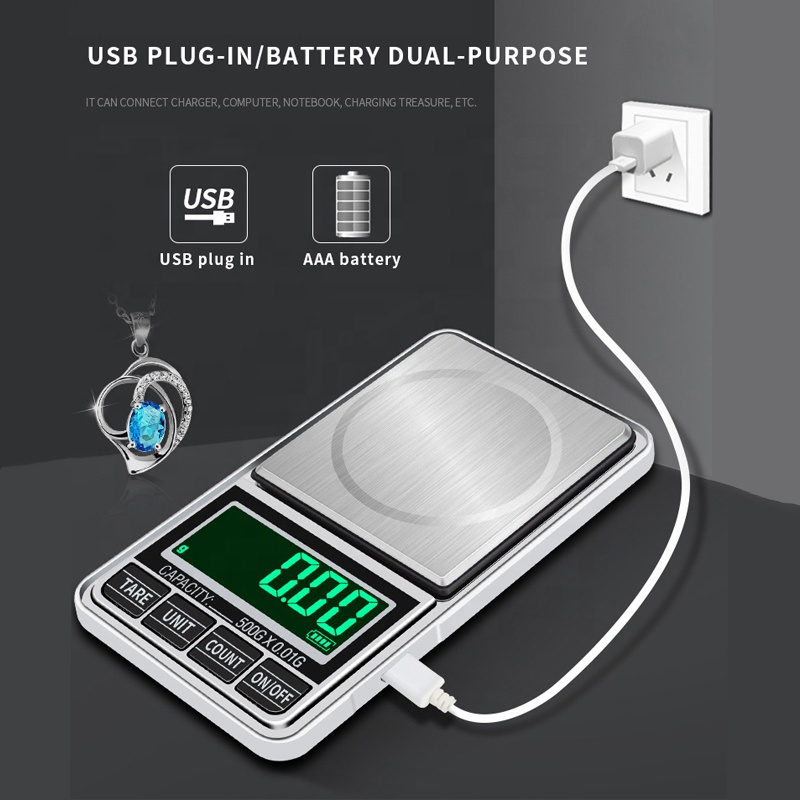
Expert Opinions and Industry Recommendations
Sarah Miller, Certified Gemologist and Owner of Miller Fine Jewelry:
"For jewelry, precision is everything—a 0.01g error in a diamond can change its grade and value. I rely on the MAXUS Precision Scale for its consistent 0.01g accuracy and compact size, which fits perfectly in my appraisal kit."
Jewelry Manufacturing & Design Association (JMDA) Report:
- Key Recommendation: "Invest in a pocket scale with 0.01g precision and ISO-compliant calibration for legal and insurance purposes. Always verify the scale’s certification before use in commercial settings."
Amazon Customer Reviews (2025):
- Top Rated: The MAXUS Precision Scale earned 4.8/5 stars for "exceeding expectations in gemstone weighing," with users praising its carat-to-gram conversion and sturdy build.
- Common Feedback: Budget scales often fail after 6 months due to sensor drift; premium models like Acaia offer better long-term reliability.
Frequently Asked Questions (FAQ)
Q1: What precision do I need for weighing diamonds?
A: Diamonds are measured in carats (1ct = 0.2g), so a scale with 0.01g precision (0.1ct) is ideal. For example, a 1.00ct diamond should weigh 0.20g, and a 0.01g error (0.21g) would incorrectly grade it as 1.05ct.
Q2: Can I use a kitchen pocket scale for jewelry?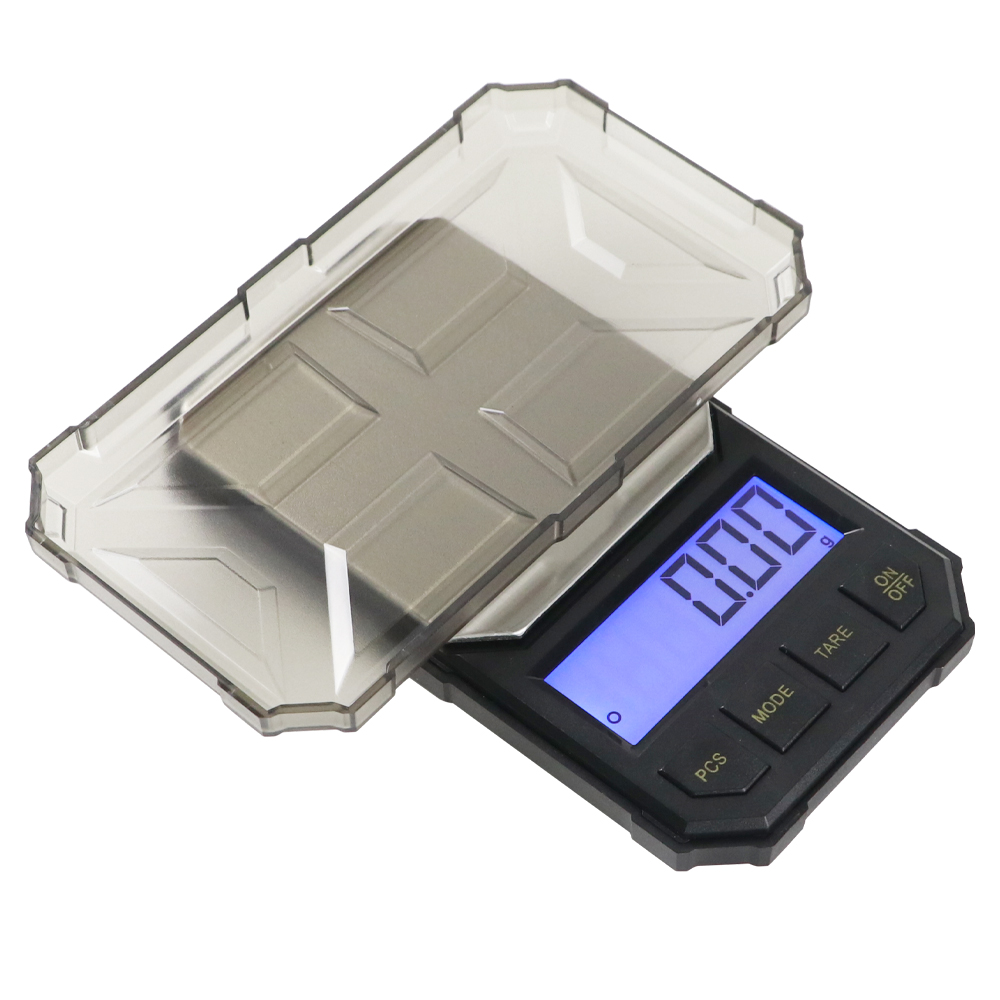
A: No, kitchen scales typically offer 0.1g precision and lack critical features like carat/dwt units and anti-static surfaces. They also have larger platforms that may not handle tiny gemstones safely.
Q3: How to clean a jewelry pocket scale?
A:
- Turn off the scale and remove the battery.
- Wipe the platform with a slightly damp microfiber cloth (use distilled water to avoid mineral deposits).
- Use a soft brush dipped in isopropyl alcohol (70% or higher).
- Never submerge the scale in water; ensure it’s fully dry before use.
Q4: Are there legal requirements for jewelry scales?
A: In commercial settings (e.g., jewelry stores, pawn shops), scales must meet NIST Handbook 44 requirements for trade accuracy. This typically means 0.01g precision for items under 10g and annual calibration by a certified technician.
Q5: Can I weigh pearls or delicate jewelry on a pocket scale?
A: Yes, but use a soft, non-abrasive tray to protect surfaces. Tare the tray first, and handle pearls with gloves to avoid oils affecting their luster.
Related: Comprehensive Guide to Pocket Scales
For a broader understanding of pocket scale technology and applications, explore our dedicated guide:
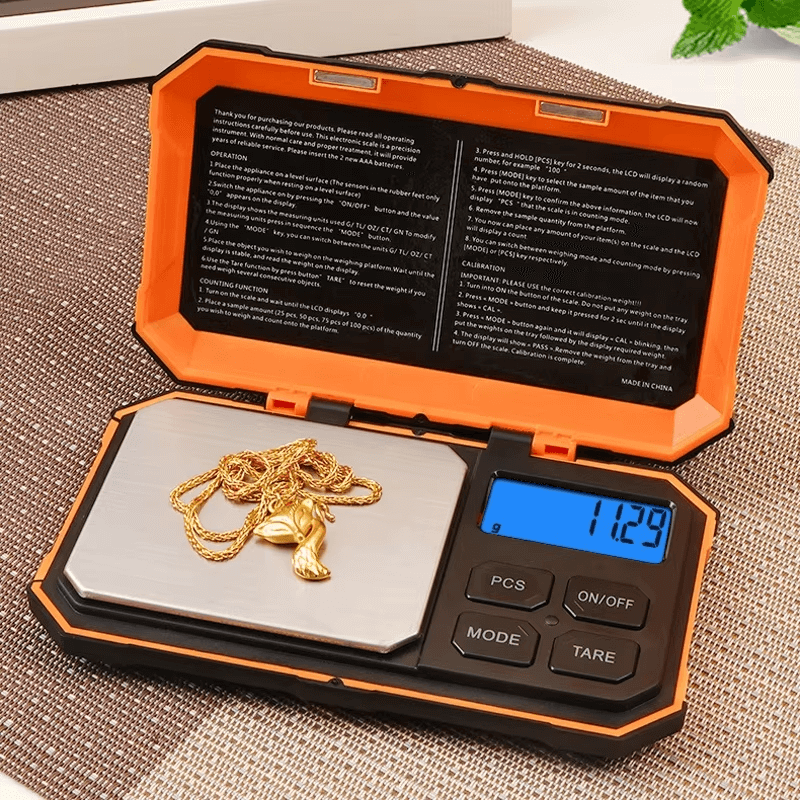
Read: Ultimate Guide to Choosing the Right Pocket Scale
This resource covers:
- In-depth reviews of 30+ scales, from budget models to industrial-grade devices.
- Detailed explanations of calibration standards (NIST vs. OIML).
- Tips for using pocket scales in diverse fields like culinary, medical, and industrial settings.
Expert Insight: "A quality pocket scale is an investment in precision—whether for jewelry, herbs, or collectibles, the right tool ensures every measurement is trustworthy."
Conclusion
The best pocket scale for jewelry balances precision, portability, and durability to meet the unique demands of valuing precious items. For occasional users, a basic 0.1g scale like the Greater Goods Nano offers reliability at a low cost. Professional jewelers and gemologists, however, should opt for high-end models like the MAXUS Precision Scale or Acaia Lunar, which deliver 0.01g accuracy and advanced features like carat conversion and Bluetooth logging. Remember, regular calibration, proper handling, and environmental control are essential to maintaining accuracy. With the right pocket scale in hand, you can weigh jewelry with confidence, ensuring every measurement reflects true value and quality.
How to Use a Spoon Scale Accurately?
What is the best coffee scale for pour-over?
Related Article
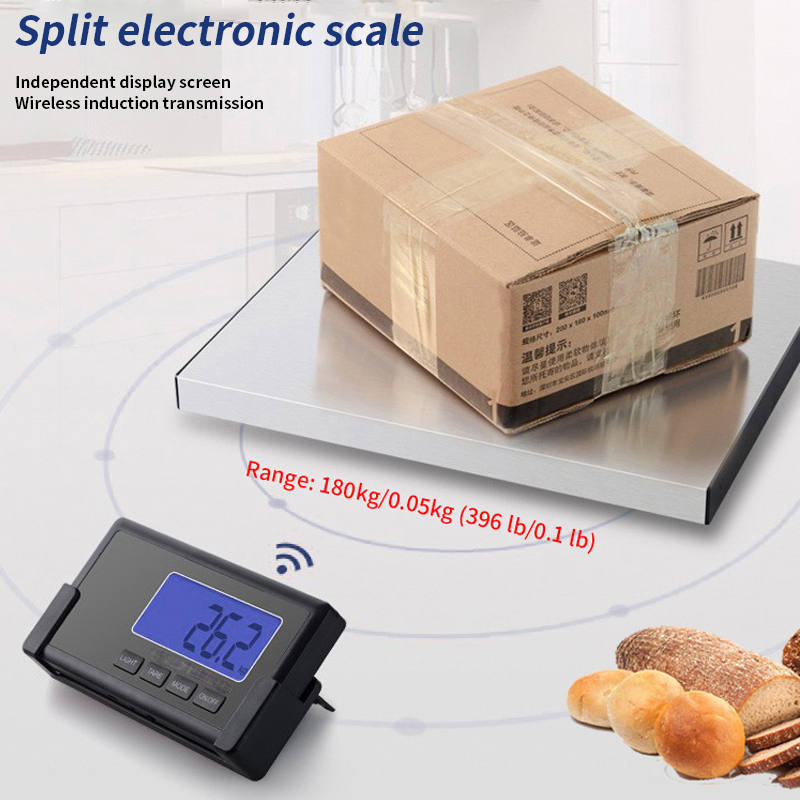
In the world of logistics and shipping, accuracy and efficiency are paramount. For businesses and individuals dealing with large packages or pallets, a reliable wireless shipping scale is an indispensable tool. One of the most critical questions that arises when selecting such a scale is: "What's the maximum weight capacity of a reliable wireless shipping scale suitable for shipping large packages or pallets?"
What's the Maximum Weight Capacity of a Reliable Wireless Shipping Scale Suitable for Shipping Large Packages or Pallets?
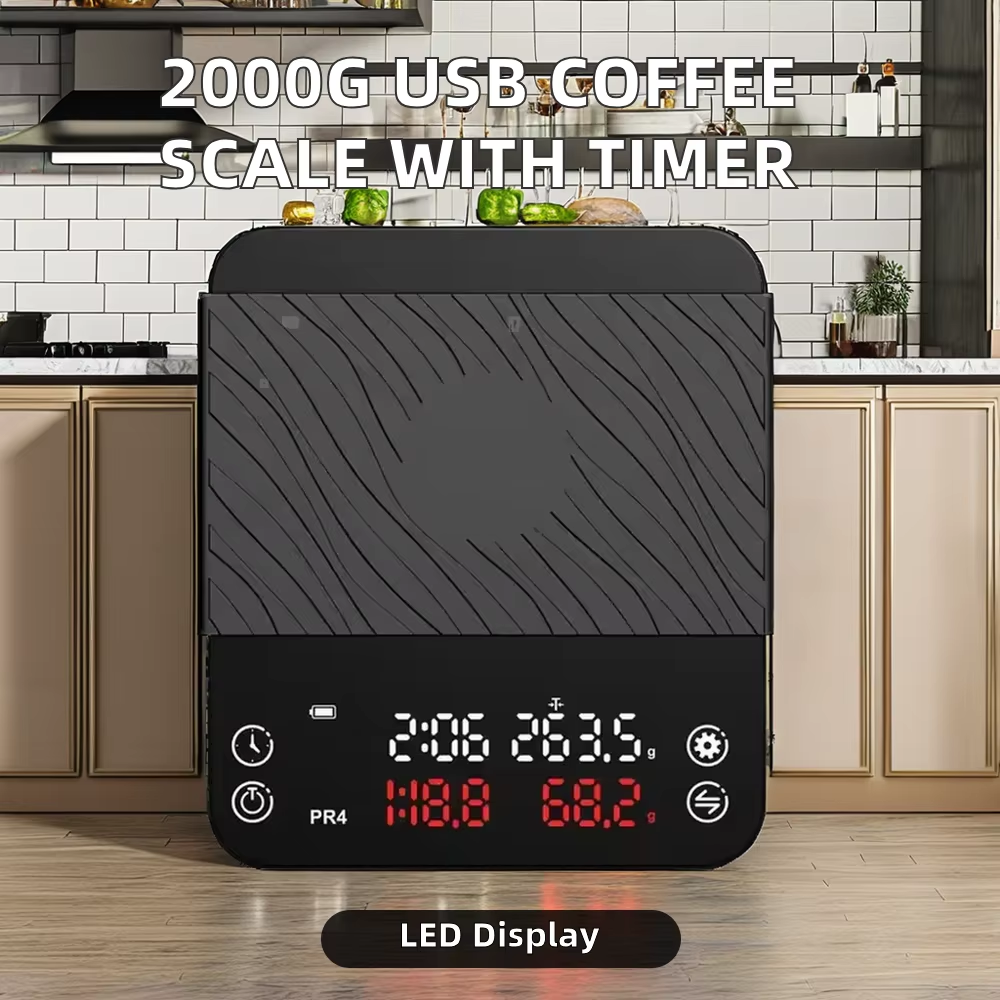
For coffee enthusiasts and baristas, the espresso scale is an indispensable tool. It ensures that each shot adheres to the precise coffee-to-water ratios that define a balanced, flavorful espresso. Among the key considerations when choosing an espresso scale is its weight capacity—the maximum weight it can accurately measure.
What's the Ideal Weight Capacity for an Espresso Scale Considering the Typical Amounts of Coffee and Water Used in a Shot?

The spoon scale has become a popular tool in home kitchens, beloved for its convenience in measuring small amounts of ingredients, especially spices, baking powders, and other seasonings. However, many users encounter a frustrating issue: their spoon scale gives inconsistent readings for the same ingredient.
My Spoon Scale Seems to Give Inconsistent Readings for the Same Ingredient. What Could Be the Problem and How Can I Fix It?

In the intricate world of jewelry, precision in weighing is of utmost importance. Whether it's determining the value of a rare gemstone, ensuring the correct amount of precious metal in a piece, or verifying the authenticity of a jewelry item, the right mini jewelry scale can make all the difference.
What's the Most Accurate Mini Jewelry Scale for Weighing Tiny Gemstones and Can It Measure Down to Milligrams?