
How can I weigh my jewelry?
2025-03-13

Why Weigh Jewelry?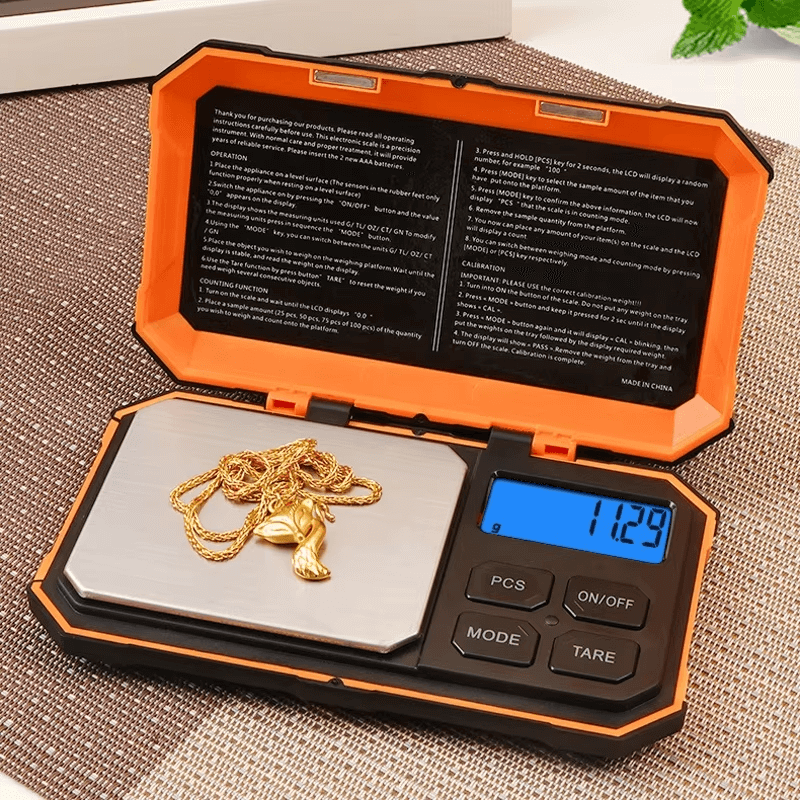
Determining Value
The weight of jewelry, especially when it comes to precious metals like gold, silver, and platinum, and gemstones such as diamonds, rubies, and sapphires, is a fundamental factor in determining its value. For example, gold is typically priced per ounce or gram in the market. A small difference in the weight of a gold necklace can translate to a significant difference in its worth. Gemstones are often valued based on their carat weight, with larger stones generally commanding higher prices.
Quality Control
In the jewelry manufacturing process, weighing is essential for quality control. Jewelers need to ensure that each piece meets the desired specifications in terms of metal and gemstone weights. This helps maintain consistency in their product lines and ensures that customers receive high - quality jewelry.
Insurance and Appraisal
When insuring jewelry, insurance companies often require an accurate appraisal, which includes the weight of the item. Precise weight measurements are also crucial for appraisers, who use this information, along with other factors like the quality of materials and craftsmanship, to determine the fair market value of the jewelry.
Tools for Weighing Jewelry
Digital Jewelry Scales
Features and Benefits
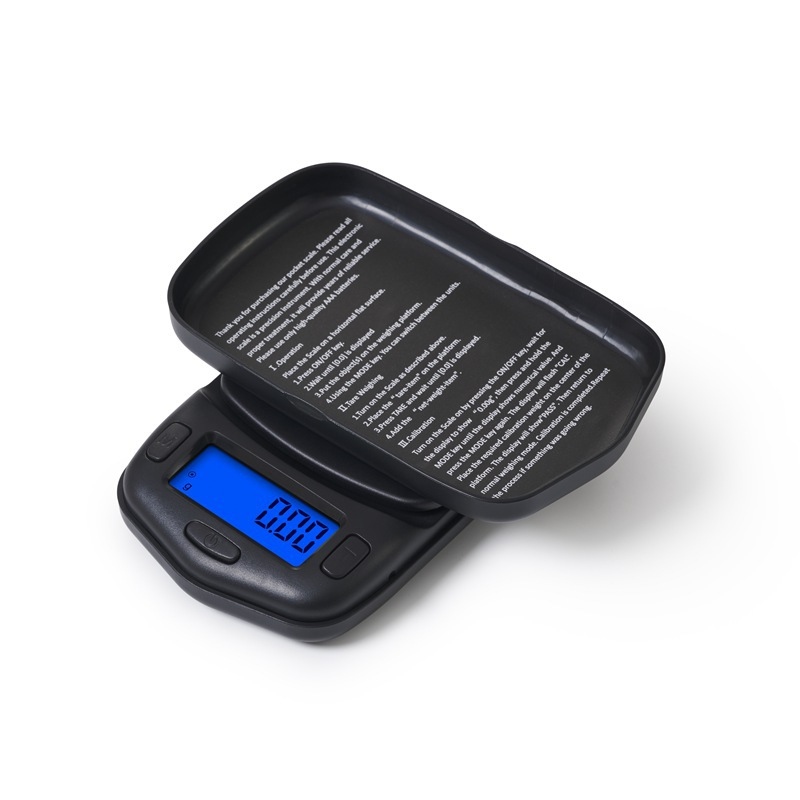
Digital jewelry scales are one of the most popular and accurate tools for weighing jewelry. They typically have a high level of precision, often measuring down to 0.01 grams or even smaller increments. These jewelry scale digital are easy to use, with a simple digital display that shows the weight clearly. Many jewelry scale also come with features like a tare function, which allows you to zero out the weight of a container or jewelry holder, making it easier to measure the net weight of the jewelry. They are compact and portable, making them suitable for both professional jewelers and home users.
Types of Jewelry Gram Scales
There are different types of digital jewelry-scale available in the market. Some are designed specifically for weighing small items like gemstones, with a small weighing platform and extremely high precision. Others are more versatile, with a larger platform that can accommodate larger pieces of jewelry. Some digital jewelry scale also have additional features such as the ability to measure in different units (grams, ounces, carats, etc.), and some may even be able to connect to a computer or mobile device for data recording and analysis.
 Analytical Balances
High - Precision Weighing
Analytical balances are extremely accurate instruments, often used in scientific laboratories and high - end jewelry appraisal. They can measure weights with a precision of up to 0.0001 grams or even more. These balances are designed to provide highly accurate results, making them ideal for weighing very small or valuable gemstones where even the slightest difference in weight can have a significant impact on value.
Cost and Complexity
However, analytical balances are relatively expensive compared to regular scale for jewelry. They also require a more stable environment for accurate measurements, as they can be sensitive to factors like air currents, vibrations, and temperature changes. Additionally, they may require more complex calibration procedures, which are typically carried out by trained professionals.
Mechanical Scales
Traditional Design
Mechanical jewelry weight scale, also known as spring scales or beam balances, have been used for weighing jewelry for a long time. They work on the principle of a spring or a balance beam. In a spring scale, the weight of the jewelry stretches a spring, and the displacement of the spring is calibrated to indicate the weight. Beam balances, on the other hand, use a beam with weights that can be adjusted to balance the weight of the jewelry.
Accuracy and Limitations
Mechanical scale electronic jewelry are generally less accurate compared to digital scales and analytical balances. Their accuracy can be affected by factors such as the wear and tear of the spring or the balance beam, and they may not be able to measure weights as precisely as digital scales. However, they can still be useful for general weighing purposes, especially for those on a budget or for less precise applications.
Preparation Before Weighing
Cleaning the Jewelry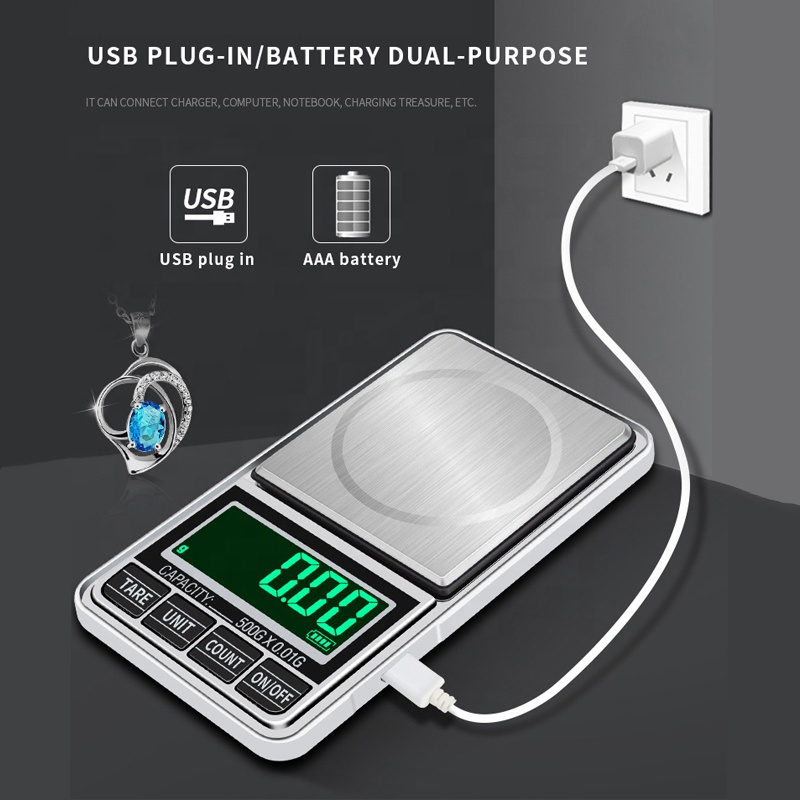
Before weighing your jewelry, it's important to clean it thoroughly. Dirt, dust, and oils on the surface of the jewelry can add extra weight and affect the accuracy of the measurement. For metal jewelry, you can use a soft - bristled brush and a mild soap solution to gently clean the surface. Rinse the jewelry with clean water and dry it thoroughly with a soft cloth. For gemstone - set jewelry, be more careful. Some gemstones may be sensitive to certain cleaning agents. You can use a soft, damp cloth to wipe the surface of the gemstones and the metal setting. Avoid using any harsh chemicals or abrasive materials that could scratch the jewelry.
Selecting the Right Environment
The environment in which you weigh your jewelry can also affect the accuracy of the measurement. Choose a stable, flat surface to place your scale. Avoid areas with vibrations, such as near a running washing machine or a busy street. Air currents can also impact the weight reading, especially for very light jewelry or when using a high - precision scale. Try to weigh your jewelry in a calm, draft - free area. Temperature and humidity can also have a minor effect on the weight of some materials, so if possible, weigh your jewelry in an environment with a relatively stable temperature and humidity.
Calibrating the Jewelry Carat Scales
Calibrating your jewelry scale sensor is an essential step to ensure accurate weight measurements. Most mini jewelry scale come with a calibration function. You can use calibration weights, which are small weights of known value, to calibrate the scale. Place the calibration weight on the gold jewelry scale and follow the calibration procedure as described in the scale's user manual. If you don't have calibration weights, some scales may have a self - calibration feature that uses an internal reference weight. For mechanical pocket jewelry scale, calibration may involve adjusting a screw or a knob to set the jewelry digital scale to zero when there is no weight on it. Regularly calibrating your scale, especially if you use it frequently or if you suspect that the accuracy has been compromised, is crucial for obtaining reliable results.
Step - by - Step Guide to Weighing Jewelry
Powering on the Electronic Jewelry Scale
 If you're using a digital scale, turn it on and wait for it to initialize. Some scale jewelry may take a few seconds to display a stable reading. Make sure the jewelry electronic scale is set to the appropriate unit of measurement (grams, carats, ounces, etc.) for your jewelry. If you're using an electric jewelry scales, make sure it is in the proper working condition and that the pointer is at zero before you start.
Placing the Jewelry on the Scale
Gently place the jewelry on the center of the weighing platform of the scale. For small gemstones, you may want to use a small weighing dish or a piece of tissue paper to hold the stone and prevent it from rolling off the scale. If you're weighing a necklace or a bracelet, make sure it is laid out flat on the scale without any parts hanging off. For larger pieces of jewelry, be careful not to bump or jostle the scale while placing the jewelry, as this can affect the reading.
Reading the Weight
Once the jewelry is placed on the jewelry scales carats, wait for the scale to display a stable weight reading. On a jewelry weighing scale, this usually takes only a few seconds. Make sure to read the weight carefully, taking note of the decimal places. If you're using a mechanical pocket scale, read the position of the pointer on the scale dial. If the digital pocket scale has multiple dials or indicators for different weight ranges, make sure to read the correct one.
Recording the Weight
Write down the weight of the jewelry immediately. Include the unit of measurement and the date of the weighing. If you're weighing multiple pieces of jewelry, it's a good idea to label each piece and record its weight separately. You can use a notebook or a spreadsheet to keep track of the weights. If your mini pocket scales have a data - recording feature, such as the ability to connect to a computer or a mobile device, you can also save the weight data electronically for future reference.
Tips for Accurate Weighing
Avoiding Static Electricity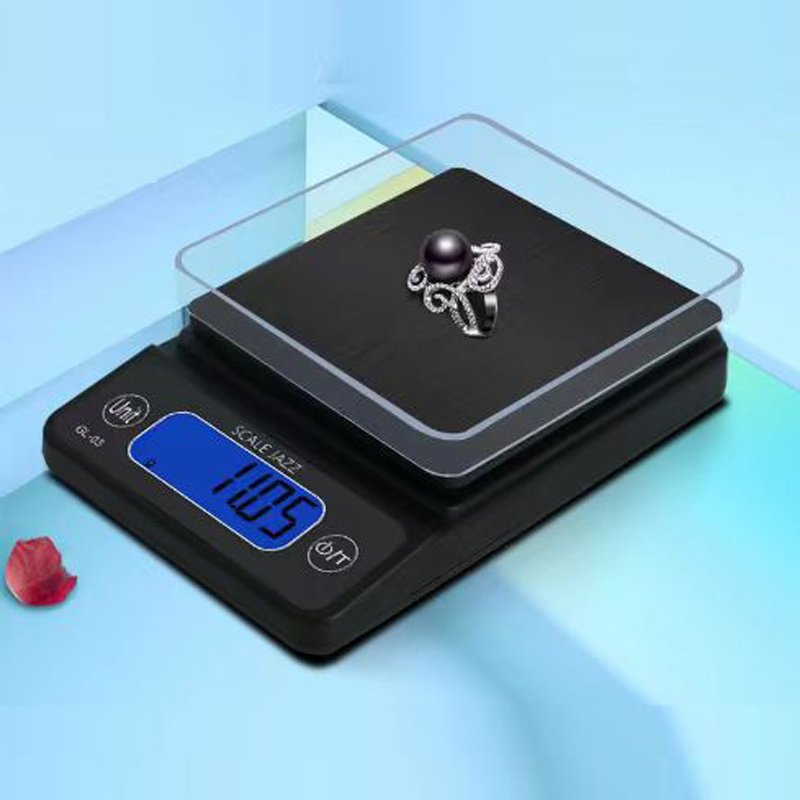
Static electricity can affect the weight reading, especially for lightweight jewelry and gemstones. To avoid static electricity, you can ground yourself by touching a metal object before handling the jewelry. You can also use an anti - static mat or a wrist strap if you're weighing jewelry in a professional setting. Another way is to increase the humidity in the room slightly, as dry air can contribute to static build - up.
Dealing with Complex Jewelry Designs
Some jewelry pieces have complex designs, such as hollow parts or intricate settings. When weighing such jewelry, it can be challenging to get an accurate reading. If possible, try to find a way to balance the jewelry evenly on the pocket digital scale. You may need to use a special holder or a support to keep the jewelry in place without adding extra weight. For hollow jewelry, you can consider weighing it in parts if it's detachable, and then adding up the weights.
Multiple Weighings
To ensure the accuracy of the weight measurement, it's a good idea to weigh the jewelry multiple times. Take the average of the readings to get a more reliable result. If the readings vary significantly, check the scale, the jewelry, and the weighing environment to identify any potential issues.
Special Considerations for Different Types of Jewelry
Gemstone - Set Jewelry
When weighing gemstone - set jewelry, you need to consider the weight of both the gemstones and the metal setting. If you want to know the weight of the gemstones separately, you may need to remove them from the setting, which should be done by a professional jeweler to avoid damaging the jewelry. Some pocket weight scale may be able to measure the weight of the gemstones while they are still in the setting, but this requires a more advanced scale with the ability to distinguish between different materials.

Precious Metal Jewelry
For precious metal jewelry, such as gold, silver, and platinum, the purity of the metal can also affect the weight. For example, 14 - karat gold is a mixture of gold and other metals, and its density is different from that of 24 - karat pure gold. When weighing precious metal jewelry, make sure to know the purity of the metal, as this can impact the value calculation based on the weight.
Antique and Heirloom Jewelry
Antique and heirloom jewelry may be more delicate and valuable. When weighing such pieces, extra care should be taken. Use a soft, non - abrasive surface to place the jewelry on the digital scale pocket to prevent scratches. If possible, consult a professional appraiser or jeweler who has experience handling antique jewelry for weighing advice.
Conclusion
Weighing jewelry accurately is an important skill for anyone involved in the jewelry industry or for those who own valuable jewelry pieces. By using the right tools, following proper procedures, and taking into account the special characteristics of different types of jewelry, you can obtain reliable weight measurements. Whether you're weighing jewelry for valuation, quality control, or personal record - keeping, the methods and tips outlined in this guide will help you achieve accurate results. Remember to always handle your jewelry with care and to calibrate your pocket weigh scales regularly to ensure the best possible accuracy.
Do fishing scales need to be waterproof?
Are the Materials of the Spoon Scale Food - Grade and Safe?
Related Article
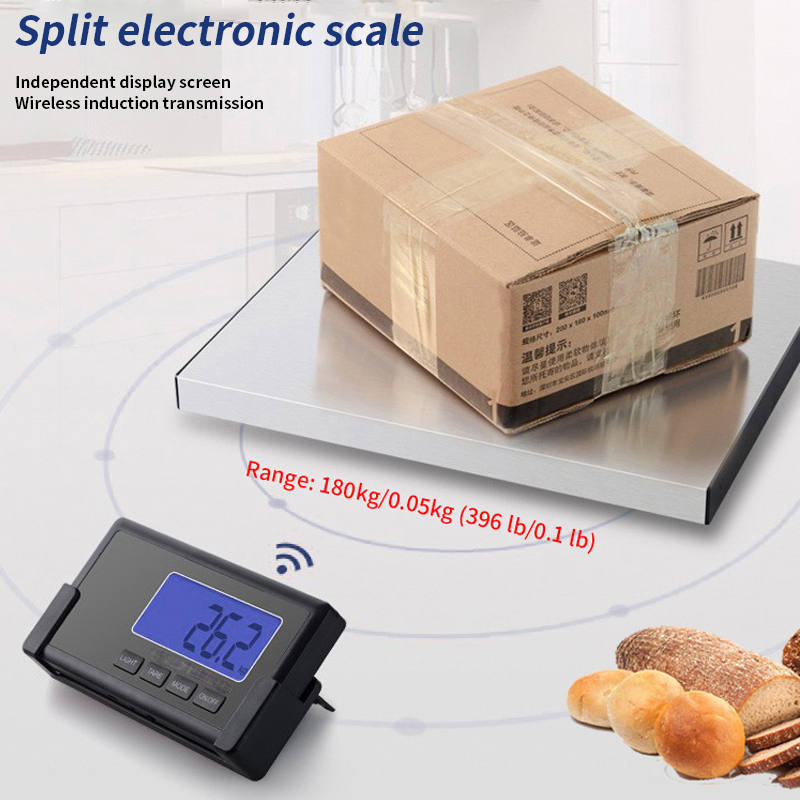
In the world of logistics and shipping, accuracy and efficiency are paramount. For businesses and individuals dealing with large packages or pallets, a reliable wireless shipping scale is an indispensable tool. One of the most critical questions that arises when selecting such a scale is: "What's the maximum weight capacity of a reliable wireless shipping scale suitable for shipping large packages or pallets?"
What's the Maximum Weight Capacity of a Reliable Wireless Shipping Scale Suitable for Shipping Large Packages or Pallets?
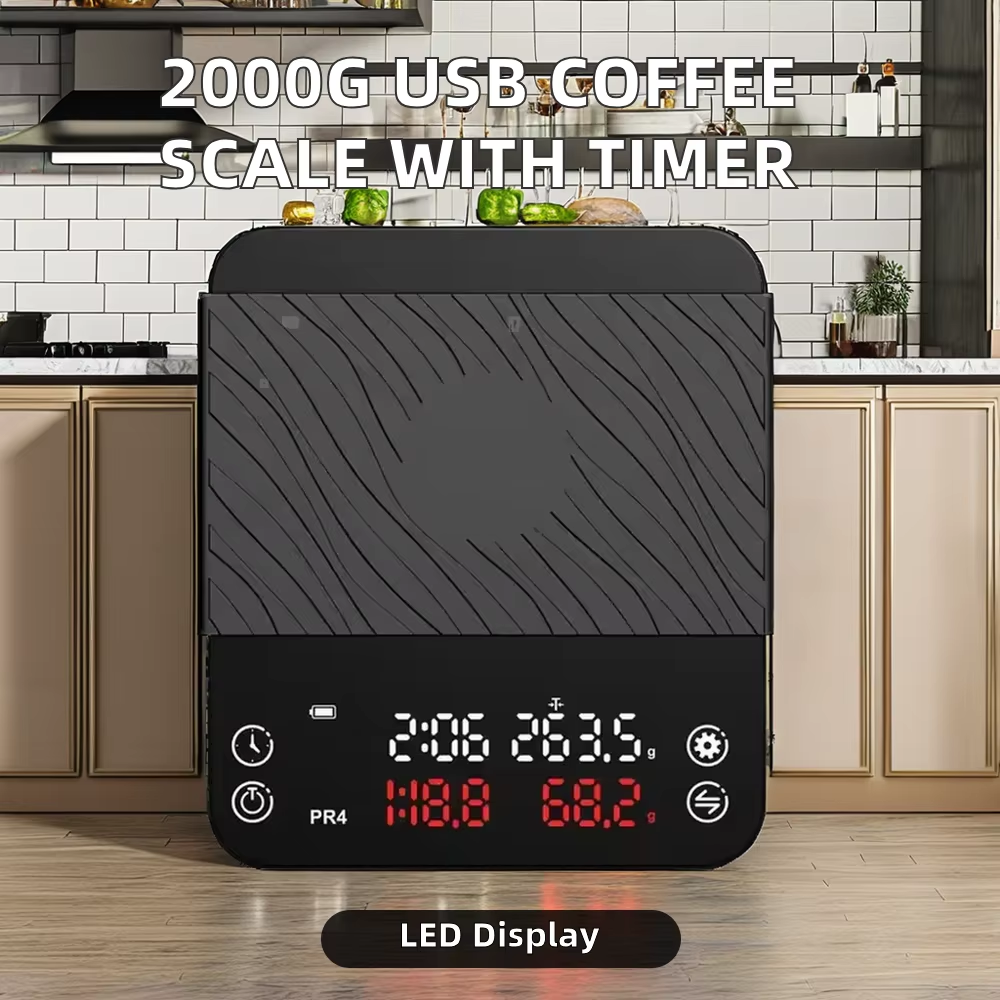
For coffee enthusiasts and baristas, the espresso scale is an indispensable tool. It ensures that each shot adheres to the precise coffee-to-water ratios that define a balanced, flavorful espresso. Among the key considerations when choosing an espresso scale is its weight capacity—the maximum weight it can accurately measure.
What's the Ideal Weight Capacity for an Espresso Scale Considering the Typical Amounts of Coffee and Water Used in a Shot?

The spoon scale has become a popular tool in home kitchens, beloved for its convenience in measuring small amounts of ingredients, especially spices, baking powders, and other seasonings. However, many users encounter a frustrating issue: their spoon scale gives inconsistent readings for the same ingredient.
My Spoon Scale Seems to Give Inconsistent Readings for the Same Ingredient. What Could Be the Problem and How Can I Fix It?

In the intricate world of jewelry, precision in weighing is of utmost importance. Whether it's determining the value of a rare gemstone, ensuring the correct amount of precious metal in a piece, or verifying the authenticity of a jewelry item, the right mini jewelry scale can make all the difference.
What's the Most Accurate Mini Jewelry Scale for Weighing Tiny Gemstones and Can It Measure Down to Milligrams?