
What Factors Can Affect the Accuracy of a Breathalyzer?
2025-05-08

Table of Contents
- Internal Factors Affecting Breath Alcohol Tester Accuracy
-
- [Sensor Technology and Quality](#sensor - technology)
-
- [Calibration and Maintenance](#calibration - maintenance)
-
- [Battery and Power Supply](#battery - power)
- External Factors Affecting Alcohol Tester Professional Accuracy
-
- [User - Related Factors](#user - factors)
-
- [Environmental Conditions](#environmental - conditions)
-
- [Interfering Substances](#interfering - substances)
- Common Parameters of Alcohole Breath Tester
- Ensuring Precise Measurements with Digital Alcohol Tester
-
- [Proper Usage Techniques](#usage - techniques)
-
- [Regular Calibration and Maintenance](#regular - calibration)
- Expert Opinions on Disposable Alcoholl Tester Accuracy
- Frequently Asked Questions (FAQ) about Mini Alcohols Tester Accuracy
- Related: Comprehensive Guide to Alcohol Tester Breathalyzer
- Conclusion
Introduction
Breathalyzers play a crucial role in law enforcement, workplace safety, and personal monitoring of alcohol consumption in the United States. These devices are used to estimate a person's blood alcohol content (BAC) by analyzing the alcohol concentration in their breath. However, the accuracy of breath analyser can be influenced by a variety of factors. Whether it's a police officer using a breathalyzer during a traffic stop or an individual using a personal breathalyzer at home, understanding these factors is essential for reliable results. In this comprehensive news article, we will explore the various elements that can affect the accuracy of alcohol breatherliser tester, providing valuable insights for users and stakeholders.

The Significance of Small Alcohol Tester Accuracy
Legal and Safety Implications
In the legal realm, alcohol tester for police results are often used as evidence in drunk - driving cases. An inaccurate breathalyzer reading can lead to wrongful convictions or acquittals, undermining the fairness of the justice system. From a safety perspective, accurate BAC measurements are vital for preventing drunk - driving accidents. If a breathalyzer provides false - negative results, it may allow intoxicated individuals to get behind the wheel, posing a significant risk to themselves and others on the road. On the other hand, false - positive results can unjustly restrict a person's freedom and cause unnecessary stress.
Workplace and Personal Use
In the workplace, especially in industries where safety is paramount, such as transportation and manufacturing, alcohol tester police are used to screen employees for alcohol impairment. Accurate results ensure that only sober workers are allowed to operate heavy machinery or perform tasks that require focus and coordination. For personal use, individuals may rely on breathalyzers to monitor their alcohol consumption and make informed decisions about when it's safe to drive or engage in other activities. Inaccurate readings can mislead users, potentially putting them in dangerous situations.
Internal Factors Affecting Portable Alcohol Tester Accuracy
Sensor Technology and Quality
The sensor is the heart of an alcohol tester price, and its technology and quality have a profound impact on accuracy. There are several types of sensors used in breathalyzers, including fuel - cell sensors and semiconductor sensors. Fuel - cell sensors are generally considered more accurate and reliable. They work by using a chemical reaction to convert alcohol in the breath into electricity, with the amount of electricity generated corresponding to the alcohol concentration. Semiconductor sensors, on the other hand, are more affordable but may be more prone to interference from other substances and environmental factors. The quality of the sensor, including its sensitivity and selectivity, also plays a crucial role. A high - quality sensor will be able to accurately detect alcohol and minimize false readings caused by other compounds in the breath.
Calibration and Maintenance
Regular calibration is essential for maintaining the accuracy of personal alcohol tester. Over time, the sensor's performance may degrade due to normal wear and tear, exposure to contaminants, or changes in environmental conditions. Calibration involves comparing the breathalyzer's readings with known standards and adjusting the device if necessary. If a breathalyzer is not calibrated regularly, its readings may become less accurate, leading to unreliable results. In addition to calibration, proper maintenance is also important. This includes cleaning the breathalyzer to remove any residue or contaminants that could affect the sensor's performance, as well as checking for any physical damage to the device.
Battery and Power Supply
The battery or power supply of a rechargeable alcohol tester can impact its accuracy. A weak or dying battery may not provide enough power to operate the sensor and other components properly, resulting in inconsistent or inaccurate readings. Some breathalyzers may also have built - in safeguards that prevent them from functioning if the battery level is too low. For example, a breathalyzer may display an error message or refuse to take a reading when the battery is almost depleted. To ensure accurate results, it's important to use high - quality batteries and replace them when necessary, or keep rechargeable breathalyzers fully charged.

External Factors Affecting Breathalyser Alcohol Tester Accuracy
User - Related Factors
- Breathing Patterns: The way a person breathes into the breathalyzer can affect the accuracy of the reading. For example, if a person does not exhale deeply enough or blows too forcefully, the sample may not be representative of the alcohol concentration in their lungs. Some breathalyzers require a specific breathing technique, such as a slow, steady exhale for a certain duration. Failure to follow these instructions can lead to inaccurate results.
- Mouth Alcohol: Alcohol residue in the mouth can cause false - positive readings. This can occur if a person has recently consumed alcohol - containing mouthwash, breath spray, or food items with high alcohol content. Even belching or regurgitation can introduce alcohol into the mouth, affecting the breathalyzer reading. To avoid this, it's recommended to wait at least 15 - 20 minutes after consuming any alcohol - containing substances before taking a breathalyzer test.
- Body Weight and Metabolism: A person's body weight and metabolism can also influence the relationship between breath alcohol concentration and blood alcohol concentration. Generally, individuals with a lower body weight will have a higher BAC for the same amount of alcohol consumed compared to those with a higher body weight. Additionally, factors such as age, gender, and overall health can affect metabolism, which in turn can impact how quickly alcohol is absorbed and eliminated from the body. These individual differences can make it challenging to accurately estimate BAC based solely on breathalyzer readings.
Environmental Conditions
- Temperature and Humidity: Extreme temperatures and high humidity can affect the performance of tester alcohol. High temperatures can cause the alcohol in the breath to evaporate more quickly, potentially leading to lower readings. On the other hand, low temperatures may slow down the chemical reactions within the sensor, resulting in inaccurate results. Humidity can also interfere with the sensor's operation, as moisture in the air may affect the electrical conductivity or chemical reactions. Some breathalyzers are designed to operate within a specific temperature and humidity range, and using them outside of this range can compromise their accuracy.
- Altitude: At higher altitudes, the air pressure is lower, which can affect the way alcohol is exhaled and detected by the breathalyzer. The reduced air pressure may cause the alcohol to be more dispersed in the breath, leading to potentially inaccurate readings. While the impact of altitude on breathalyzer accuracy is not as significant as some other factors, it can still be a consideration, especially in areas with high elevation.
Interfering Substances
There are many substances other than alcohol that can interfere with alcohol breathalyzer readings. Some common interfering substances include acetone, which is present in nail polish remover and some cleaning products, and certain medications, such as cough syrups that may contain alcohol or other volatile compounds. Chemical fumes, such as those from paint or gasoline, can also affect the sensor's performance. When these substances are present in the breath, the breathalyzer may misinterpret them as alcohol, resulting in false - positive readings.

Common Parameters of Disposable Breathalyzer
|
Parameter
|
Description
|
Typical Range
|
|
Measurement Range
|
The range of blood alcohol content (BAC) that the breathalyzer can measure
|
0.00% - 0.40% BAC
|
|
Accuracy
|
The degree of closeness to the true BAC value
|
±0.01% - ±0.03% BAC
|
|
Response Time
|
The time it takes for the breathalyzer to provide a reading
|
5 - 30 seconds
|
|
Sensor Type
|
The type of sensor used in the breathalyzer
|
Fuel - cell, Semiconductor
|
|
Power Source
|
How the breathalyzer is powered
|
Battery - operated (AA, AAA, or coin - cell batteries), Rechargeable
|
|
Display Type
|
The technology used for the reading display
|
LCD (Liquid Crystal Display), LED (Light - Emitting Diode)
|
|
Memory Function
|
Ability to store previous readings
|
Some models can store 10 - 100 readings
|
|
Calibration Interval
|
Recommended time between calibrations
|
6 - 12 months (varies by model)
|
|
Operating Temperature Range
|
The range of temperatures in which the breathalyzer can operate accurately
|
0°C - 40°C (32°F - 104°F)
|
|
Humidity Tolerance
|
The maximum humidity level the breathalyzer can withstand
|
10% - 90% relative humidity
|

Ensuring Precise Measurements with Electronic Breathalyzer
Proper Usage Techniques
- Follow the Instructions: Read and follow the manufacturer's instructions carefully before using the portable breathalyzers rechargeable. This includes understanding the correct breathing technique, how to turn on the device, and any specific requirements for sample collection.
- Wait for the Right Time: As mentioned earlier, avoid taking a breathalyzer test immediately after consuming alcohol - containing substances or using products with alcohol. Wait at least 15 - 20 minutes to allow any mouth alcohol to dissipate.
- Ensure a Good Seal: When blowing into the breathalyzer, make sure there is a good seal around the mouthpiece to prevent air from leaking. This will ensure that the sample collected is representative of the breath from the lungs.
Regular Calibration and Maintenance
- Schedule Calibration: Set a schedule for calibrating your breathalyzer new according to the manufacturer's recommendations. This may involve sending the device to a professional calibration service or using an on - site calibration kit if available.
- Perform Routine Maintenance: Clean the breathalyzer regularly to remove any dirt, debris, or residue. Check for any signs of damage, such as cracks or loose parts, and repair or replace the device if necessary.
- Monitor Battery Life: Keep an eye on the battery level of your breathalyzer and replace the batteries or recharge the device as needed. Avoid using the breathalyzer when the battery is low, as this can affect the accuracy of the readings.
Expert Opinions on Breathalyzer Accuracy
We reached out to several experts in the fields of forensic science, law enforcement, and alcohol testing for their insights on digital breathalyzer accuracy:
Dr. Lisa Thompson, a forensic scientist at a leading research institute: “The accuracy of portable breathalyzer depends on a complex interplay of factors. While modern breathalyzers are generally reliable, it's important to understand their limitations. Sensor technology has come a long way, but interfering substances and user - related factors can still pose challenges. Regular calibration and proper training for users are essential for obtaining accurate results.”
Captain John Smith, a veteran police officer: “In our line of work, the accuracy of breathalyzers is crucial. We rely on these devices to determine if a driver is impaired. However, we also know that there are factors that can affect their accuracy. That's why we follow strict protocols for using and maintaining breathalyzers, and we always consider other factors, such as the driver's behavior and physical symptoms, in addition to the breathalyzer reading.”
Mr. David Johnson, a product engineer at a breathalyzer manufacturing company: “As manufacturers, we are constantly working to improve the accuracy and reliability of professional breathalyzer. We use advanced sensor technology and rigorous quality control measures to ensure that our products meet the highest standards. But it's also important for users to understand how to use the devices correctly and take proper care of them to get the best results.”
Frequently Asked Questions (FAQ) about Mini Breathalyzer Accuracy
Q1: Can a breathalyzer give a false - positive result?
A: Yes, a disposable alcohol breathalyzers can give a false - positive result. This can occur due to the presence of interfering substances in the breath, such as acetone from nail polish remover, alcohol - containing mouthwash, or certain medications. Mouth alcohol from recent consumption of alcohol - containing foods or beverages can also cause false - positive readings.
Q2: How often should I calibrate my breathalyzer?
A: The calibration interval for wholesale breathalyzer varies depending on the model and manufacturer. In general, it is recommended to calibrate breathalyzers every 6 - 12 months. However, if the breathalyzer is used frequently or in a demanding environment, more frequent calibration may be necessary.
Q3: Can environmental conditions really affect the accuracy of a breathalyzer?
A: Yes, environmental conditions such as temperature, humidity, and altitude can affect the accuracy of personal breathalyzer. Extreme temperatures can impact the chemical reactions within the sensor, while high humidity can interfere with the sensor's operation. At higher altitudes, the reduced air pressure may also affect the way alcohol is detected.
Q4: What should I do if I suspect my breathalyzer is giving inaccurate readings?
A: If you suspect that your breathalyzers portable alcohol is giving inaccurate readings, first check the manufacturer's instructions for troubleshooting tips. Make sure the device is properly calibrated, the battery is in good condition, and you are using it correctly. If the problem persists, you may need to have the breathalyzer serviced or calibrated by a professional.
Q5: Are some types of breathalyzers more accurate than others?
A: Yes, different types of alcohol tester breathalyzer can vary in accuracy. Fuel - cell sensors are generally considered more accurate and reliable than semiconductor sensors. However, the accuracy of a breathalyzer also depends on factors such as calibration, maintenance, and proper usage.

Related: Comprehensive Guide to Breathalyzer Detector Portable
For a more in - depth understanding of best breathalyzer personal use, including detailed reviews of different models, tips on choosing the right breathalyzer, and information on their legal and practical applications, check out our previous article:
[Read our comprehensive guide to breathalyzers](//www.hostweigh.com/alcohol-breath-analyser.html - comprehensive - guide)
This article covers everything from the history and technology of portable alcohol breathalyzer to real - world user experiences and expert - recommended products. It also provides valuable insights into the legal implications of breathalyzer use and how to ensure accurate results in various situations.
Conclusion
The accuracy of police breathalyzer is influenced by a wide range of internal and external factors. From the type of sensor and calibration status to user - related behaviors and environmental conditions, each element can play a role in determining the reliability of the results. By understanding these factors and taking the necessary steps to ensure proper usage, calibration, and maintenance, users can increase the accuracy of their breathalyzer readings. Whether it's for legal, safety, or personal reasons, accurate breathalyzer measurements are essential for making informed decisions and ensuring public safety. As technology continues to evolve, we can expect further improvements in the accuracy and reliability of public breathalyzer, but it's important for users to remain vigilant and educated about their proper use.
What's the Best Body Scale for Measuring Body Fat Percentage?
How to Use an Animal Scale to Ensure Accurate Measurement?
Related Article

Where road safety is a top priority and the legal alcohol limit for driving is strictly enforced, understanding how to use alcohol breath analyser correctly is crucial. Whether you're a responsible driver who wants to ensure they're fit to drive after consuming alcohol or a professional in the field of law enforcement, accurate use of a breathalyzer can provide reliable results.
How do I use an alcohol tester correctly?
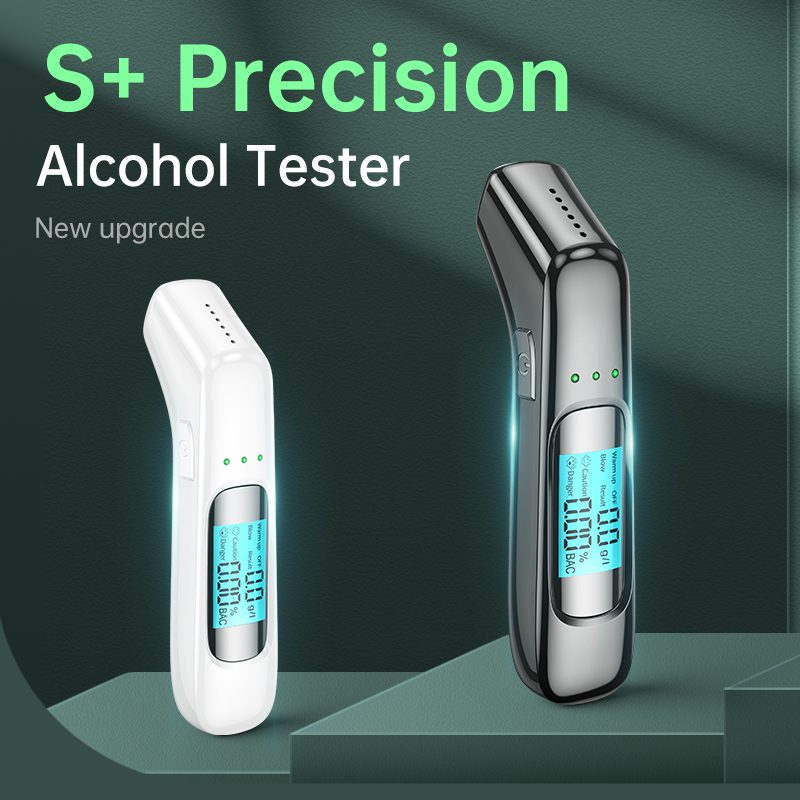
In a society where alcohol consumption is prevalent, the question of how accurate alcohol testers are looms large. Alcohol testers, play a pivotal role in various aspects of life, from ensuring road safety by detecting drunk driving to monitoring alcohol intake in workplaces and even for personal health reasons. However, their accuracy is a complex topic influenced by multiple factors, including the type of technology used, calibration, and external variables.
How accurate are alcohol testers?
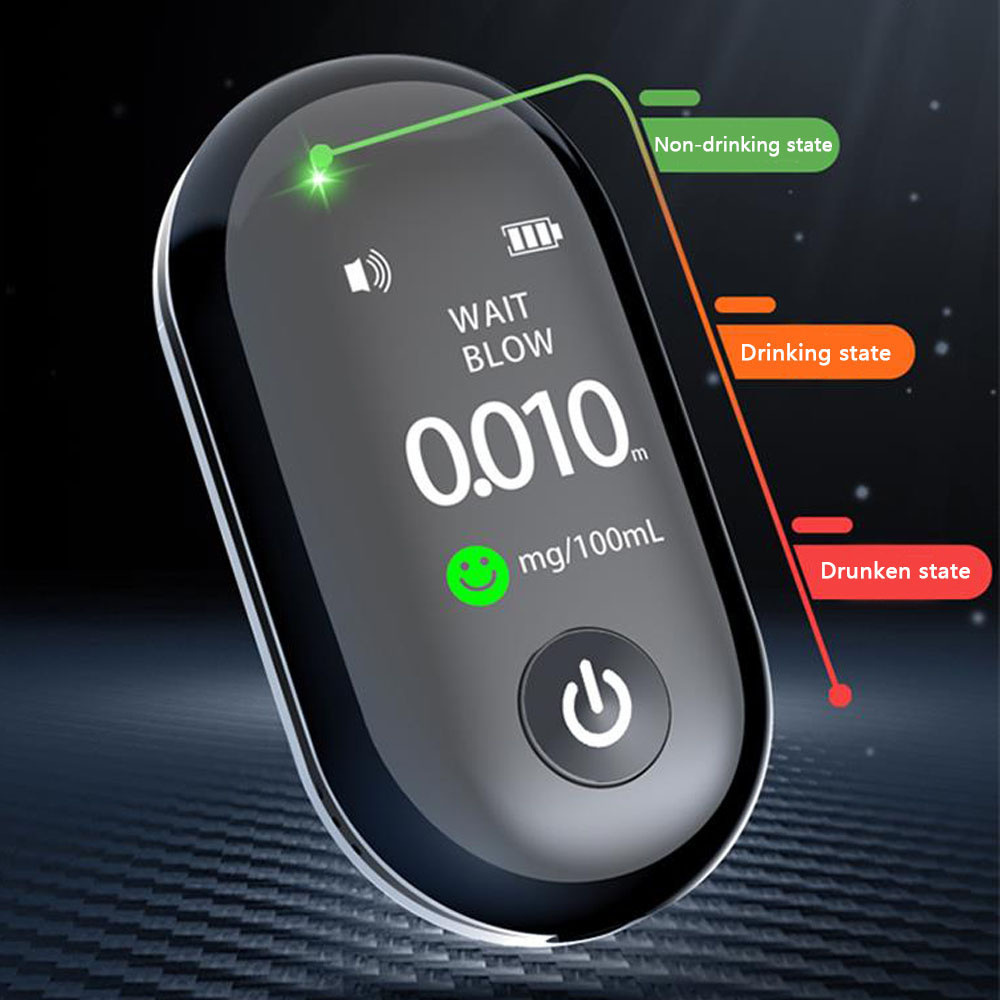
Breathalyzers have become an integral part of law enforcement efforts to combat drunk driving, as well as a tool for individuals concerned about their alcohol consumption levels. The accuracy of these devices is a topic of great importance, as it directly impacts legal decisions and personal safety.
How accurate are breathalyzers?