
How accurate are alcohol testers?
2025-03-06
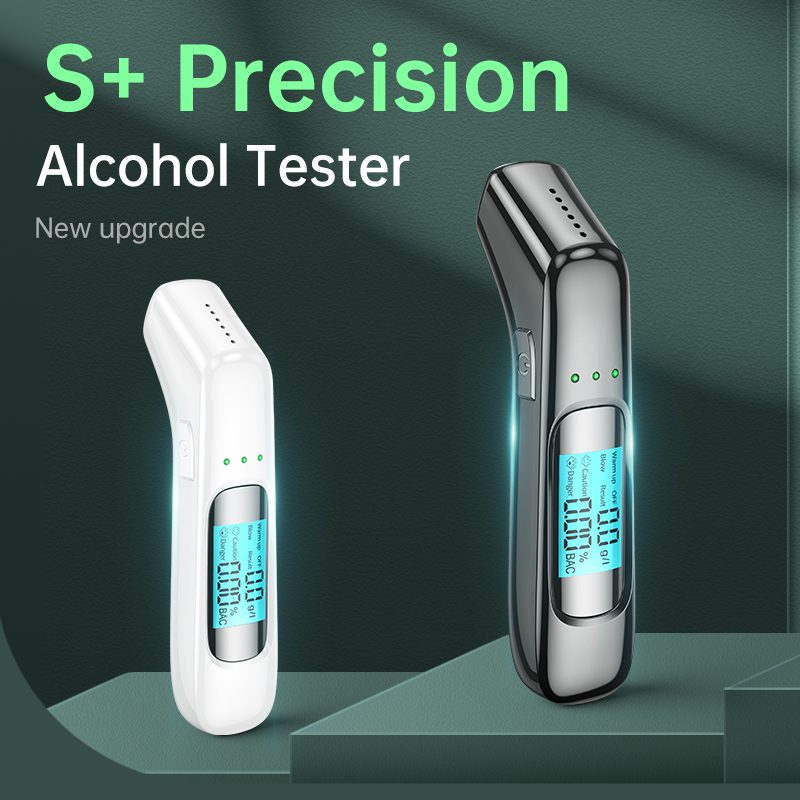
Types of Alcohol Testers and Their Underlying Technologies
Breathalyzers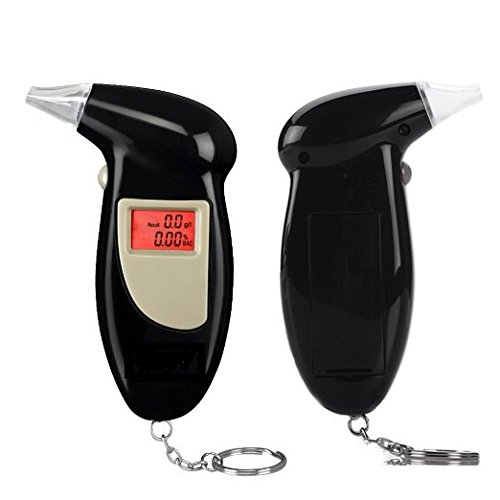
Breathalyzers are the most commonly recognized type of alcohol test, widely used by law enforcement during traffic stops and also available for personal use. There are two primary types of sensor technologies found in alcohol tester: semiconductor sensors and fuel cell sensors.
- Semiconductor Sensors: Semiconductor - based alcohol breath tester are often more affordable and are commonly used in consumer - grade devices. These sensors typically use materials like tin - oxide. When alcohol - laden breath comes into contact with the sensor, the presence of alcohol vapor causes a change in the electrical resistance of the semiconductor material. This change is then detected and translated into an estimate of the blood alcohol content (BAC). However, semiconductor sensors are more prone to interference. Substances such as ketones (naturally occurring compounds when fat cells break down in the blood), cigarette smoke, breath acetone, and certain chemicals like hairspray can cause false positives. For example, diabetics or individuals on a low - calorie diet may have elevated levels of ketones in their breath, which could potentially lead a semiconductor - sensor breath alcohol tester to overestimate their BAC.
- Fuel Cell Sensors: Fuel cell digital alcohol tester are considered more accurate and are frequently used in professional settings, including by law enforcement. In a fuel cell alcohol testing, alcohol in the breath undergoes a chemical reaction at a platinum electrode. This reaction generates an electric current, and the magnitude of this current is directly proportional to the alcohol concentration in the breath. Fuel cell sensors are less likely to be affected by substances other than alcohol, making them more reliable. They are also not subject to false positives from substances like ketones, which is a significant advantage. However, they are generally more expensive to produce, which is reflected in the higher cost of devices using this technology.
Blood Alcohol Tester
Blood alcohol tests are the gold standard for determining BAC. These tests involve drawing a blood sample from a vein, usually in a hospital or clinical setting. The sample is then analyzed in a laboratory using sophisticated equipment. Alcohol tester breathalyzer can accurately measure the amount of alcohol present in the bloodstream. They are highly accurate and are often used as the definitive test in legal cases, especially when the results of a breathalyzer test are contested. However, they are invasive, requiring a trained medical professional to draw the blood. They are also more time - consuming and expensive compared to accurate alcohol breath tester. Additionally, there can be some variability in the results depending on factors such as the time of sample collection relative to alcohol consumption and how the sample is handled and stored before analysis.
Urine Alcohol Tests
Alcohol urine test are another option for detecting alcohol in the body. They work by measuring the amount of alcohol that has been excreted in the urine. However, urine tests are not as accurate as blood tests and have several limitations. Alcohol is excreted in the urine after it has been metabolized by the body, so the results of a urine test may not reflect the current BAC as accurately as a breath or blood test. The time it takes for alcohol to appear in the urine can vary from person to person, and factors such as hydration levels can also affect the concentration of alcohol in the urine. Additionally, certain medications and substances can interfere with the test results.
Factors Affecting the Accuracy of Alcohol Percentage Tester
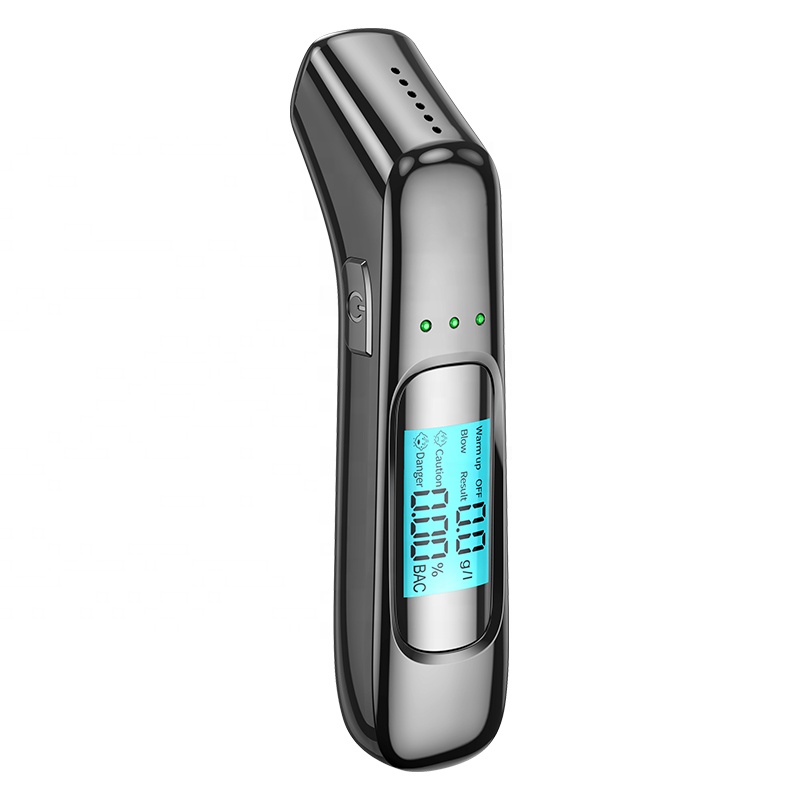
Calibration and Maintenance
Proper calibration is crucial for the accuracy of all types of alcohol content tester. Calibration ensures that the device is measuring alcohol levels correctly according to a known standard. For alcohol tester in car, both semiconductor and fuel cell types, regular calibration is necessary. Over time, factors such as temperature changes, humidity, and normal wear and tear can cause the sensor to drift, leading to inaccurate readings. Law enforcement - grade breathalyzers are typically calibrated at least every few months, and some models require more frequent calibration. In contrast, consumer - grade breathalyzers may not be calibrated as regularly, which can contribute to inaccuracies. If a breathalyzer's calibration is off, it may consistently overestimate or underestimate a person's BAC.
Maintenance also plays a role. For example, if the mouthpiece of a breathalyzer is not cleaned regularly, residue from previous users' breath, including saliva and other substances, can build up and affect the sensor's performance. In the case of blood alcohol testing equipment, regular maintenance of the laboratory analyzers is essential to ensure accurate results. If the equipment is not properly maintained, it can lead to errors in the analysis of the blood sample.
Maintenance also plays a role. For example, if the mouthpiece of a breathalyzer is not cleaned regularly, residue from previous users' breath, including saliva and other substances, can build up and affect the sensor's performance. In the case of blood alcohol testing equipment, regular maintenance of the laboratory analyzers is essential to ensure accurate results. If the equipment is not properly maintained, it can lead to errors in the analysis of the blood sample.
User Error and Testing Conditions
How the breathalyzer alcohol tester is administered can have a significant impact on its accuracy. In the case of digital alcohol breathalyzer tester, the user must follow the proper procedure. If a person does not blow into the device for the recommended amount of time or with sufficient force, the sample may not be representative of their actual digital alcohol tester breathalyzer. Additionally, if a person has recently eaten, smoked, or used mouthwash containing alcohol, it can affect the results. For instance, some mouthwashes contain a high percentage of alcohol, and if used shortly before a breath test, the alcohol from the mouthwash can be detected, leading to a false - positive result.
Environmental conditions can also play a role. Extreme temperatures and high humidity can affect the performance of portable alcohol tester. In very cold temperatures, the chemical reactions in fuel cell sensors may slow down, potentially leading to inaccurate readings. High humidity can cause moisture to build up in the sensor, interfering with its ability to detect alcohol accurately.
Environmental conditions can also play a role. Extreme temperatures and high humidity can affect the performance of portable alcohol tester. In very cold temperatures, the chemical reactions in fuel cell sensors may slow down, potentially leading to inaccurate readings. High humidity can cause moisture to build up in the sensor, interfering with its ability to detect alcohol accurately.
Individual Variations
Human bodies metabolize alcohol at different rates, which can affect the accuracy of digital breathalyzer alcohol tester. Factors such as a person's weight, gender, metabolism, and the amount of food in their stomach when they consume alcohol can all influence how quickly alcohol is absorbed into the bloodstream and then metabolized. For example, women generally have a lower percentage of body water than men, which means that for the same amount of alcohol consumed, women may have a higher BAC. A person with a faster metabolism may process alcohol more quickly, causing their BAC to decrease at a faster rate compared to someone with a slower metabolism. These individual variations can make it challenging for digital breath alcohol tester to provide a one - size - fits - all accurate reading, especially in situations where the time since alcohol consumption is not precisely known.
Accuracy in Different Settings: Law Enforcement, Workplace, and Personal Use
Law Enforcement
 In the context of law enforcement, the accuracy of accurate alcohol breath tester is of utmost importance. In the United States, a driver with a BAC of 0.08% or higher is considered legally intoxicated. Law enforcement agencies typically use two types of portable breath alcohol tester: alcohol screening devices and evidential breathalyzers. Alcohol screening devices, which are often used during initial traffic stops, must meet certain accuracy standards. In the US, these devices are required to maintain an accuracy rating with a margin of error of at least ±0.01% at 0.08% BAC. Some more advanced devices, such as those using fuel cell sensors, can have an even lower margin of error, around ±0.005% at 0.08% BAC.
Workplace
In workplaces, especially those in safety - sensitive industries like transportation, construction, and healthcare, alcohol testing is often used to ensure the safety of employees and the public. Workplace alcohol best alcohol tester breathalyzer need to be accurate to make fair and safe decisions. For example, in the transportation industry, truck drivers, bus drivers, and airline pilots may be subject to random alcohol testing. The accuracy of the breathalyzer portable alcohol tester used in these settings can impact an employee's job and the safety of others. In some cases, workplaces may use professional - grade breathalyzers similar to those used by law enforcement to ensure a high level of accuracy. However, cost can sometimes be a factor, and some workplaces may opt for less expensive consumer - grade devices, which may have a higher margin of error.
Personal Use
Consumer - grade alcohol proof tester are available for personal use, allowing individuals to monitor their alcohol intake. These devices can range from simple, inexpensive keychain - style breathalyzers to more advanced, smartphone - connected models. The accuracy of personal - use alcohol testers can vary widely. As mentioned earlier, many consumer - grade breathalyzers use semiconductor sensors, which are more prone to inaccuracies. While they can give a general indication of whether a person has consumed alcohol, they may not be as reliable as professional - grade devices. However, for personal use, where the goal is often to get a rough idea of one's alcohol level rather than to meet strict legal standards, these devices can still be useful. It's important for individuals using personal - use digital alcohol proof tester to be aware of their limitations and to use them as a general guide rather than relying on them for precise BAC measurements.
Advances in Alcohol Pee Test Technology and Future Outlook

Another trend is the integration of smart technology. Some drug alcohol testing now connect to smartphones via Bluetooth. These devices can not only provide BAC readings but also record and analyze data over time. This can be useful for individuals who want to track their drinking habits more closely. In the future, these connected devices may be able to use algorithms to account for individual factors such as metabolism and body weight to provide more personalized and accurate BAC estimates.
In the case of blood alcohol testing, there are efforts to develop non - invasive or minimally invasive methods. For example, research is underway to develop devices that can measure alcohol in the blood through the skin or by analyzing a small sample of saliva in a more accurate way. These advancements could potentially make blood - like accuracy more accessible without the need for invasive blood draws.
Conclusion
The accuracy of alcohol breath tester for car is a multifaceted issue. While breathalyzers, blood tests, and urine tests each have their own levels of accuracy and limitations, significant progress has been made in improving the reliability of these devices. The type of technology used, calibration, testing conditions, and individual variations all play a role in determining how accurate an alcohol test result will be. In law enforcement, workplace, and personal use settings, understanding these factors is crucial for making informed decisions. As technology continues to advance, we can expect even more accurate and reliable alcohol testers in the future, which will have far - reaching implications for public safety, workplace safety, and personal health management. Whether you're a law enforcement officer relying on a breathalyzer to detect drunk driving, an employer ensuring a safe work environment, or an individual monitoring your own alcohol consumption, being aware of the accuracy capabilities and limitations of alcohol testers is essential.
How Should I Use a Body Composition Scale to Get Accurate Results?
Pocket Scales: Unlock Precision for Jewelry, Herbs, and More
Related Article
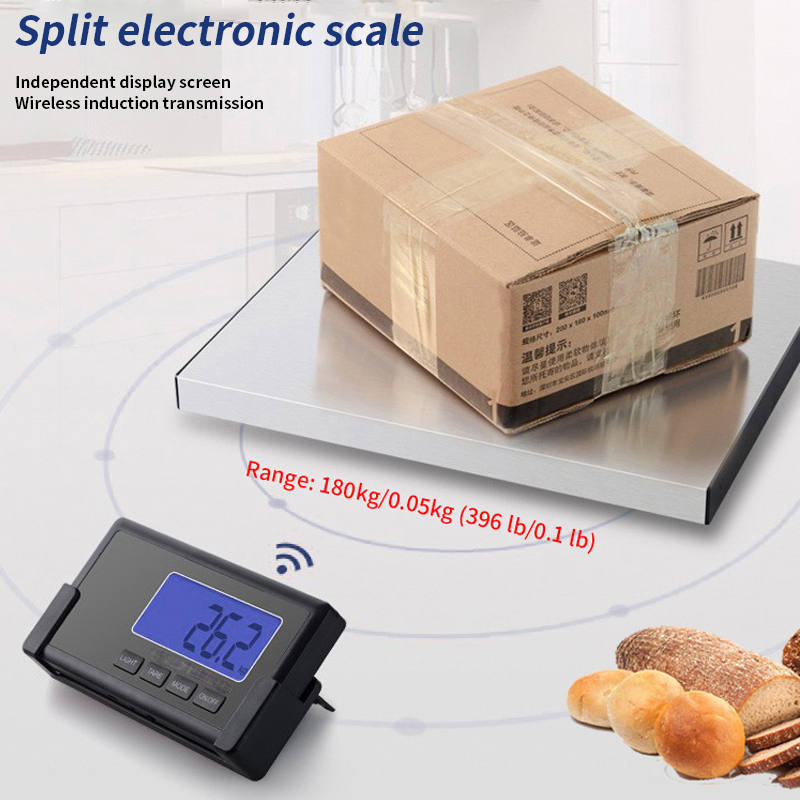
In the world of logistics and shipping, accuracy and efficiency are paramount. For businesses and individuals dealing with large packages or pallets, a reliable wireless shipping scale is an indispensable tool. One of the most critical questions that arises when selecting such a scale is: "What's the maximum weight capacity of a reliable wireless shipping scale suitable for shipping large packages or pallets?"
What's the Maximum Weight Capacity of a Reliable Wireless Shipping Scale Suitable for Shipping Large Packages or Pallets?
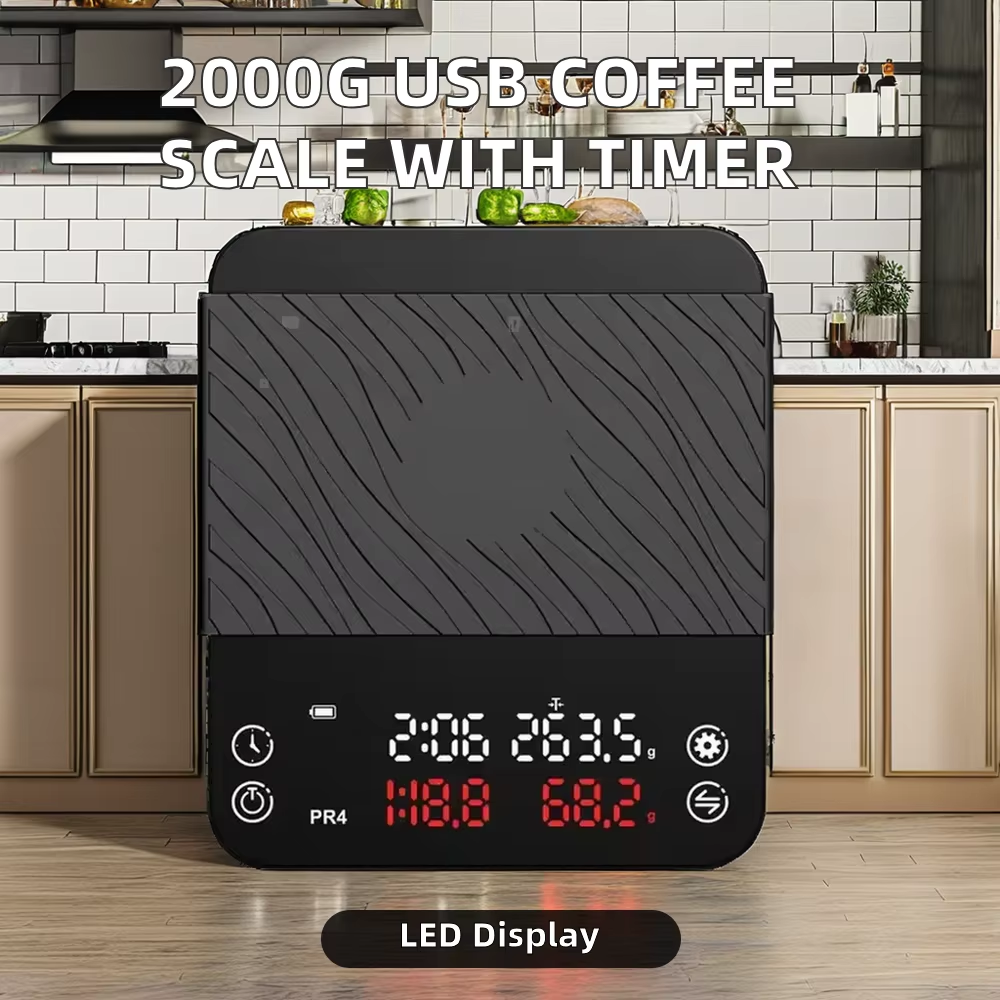
For coffee enthusiasts and baristas, the espresso scale is an indispensable tool. It ensures that each shot adheres to the precise coffee-to-water ratios that define a balanced, flavorful espresso. Among the key considerations when choosing an espresso scale is its weight capacity—the maximum weight it can accurately measure.
What's the Ideal Weight Capacity for an Espresso Scale Considering the Typical Amounts of Coffee and Water Used in a Shot?

The spoon scale has become a popular tool in home kitchens, beloved for its convenience in measuring small amounts of ingredients, especially spices, baking powders, and other seasonings. However, many users encounter a frustrating issue: their spoon scale gives inconsistent readings for the same ingredient.
My Spoon Scale Seems to Give Inconsistent Readings for the Same Ingredient. What Could Be the Problem and How Can I Fix It?

In the intricate world of jewelry, precision in weighing is of utmost importance. Whether it's determining the value of a rare gemstone, ensuring the correct amount of precious metal in a piece, or verifying the authenticity of a jewelry item, the right mini jewelry scale can make all the difference.
What's the Most Accurate Mini Jewelry Scale for Weighing Tiny Gemstones and Can It Measure Down to Milligrams?