
How do I use an alcohol tester correctly?
2025-04-17

Table of Contents
-
- [How Alcohol Testers Work]

- Step - by - Step Guide to Using an Alcohol Tester Correctly]
-
- [Preparation Before Use]
- Achieving Precise Measurements with an Alcohol Tester]
-
- [Avoiding Factors That Affect Accuracy]
- Expert Opinions on Using Alcohol Testers]
- Frequently Asked Questions (FAQ) about Using Alcohol Testers]
- Related: In - Depth Analysis of Alcohol Testers]
- Conclusion
Introduction
In the UK, where road safety is a top priority and the legal alcohol limit for driving is strictly enforced, understanding how to use an alcohol tester correctly is crucial. Whether you're a responsible driver who wants to ensure they're fit to drive after consuming alcohol or a professional in the field of law enforcement, medical, or hospitality, accurate use of an alcohol tester can provide reliable results. Incorrect usage, on the other hand, can lead to false readings, potentially putting lives at risk or causing unnecessary legal complications. This comprehensive guide will walk you through the proper way to use an alcohol tester, from its basic workings to advanced techniques for accurate measurement.

Understanding the Basics of an Alcohol Tester
How Alcohol Testers Work
There are several types of alcohol testers, but the most common ones work based on chemical reactions or sensor technology.
- Breath - Alcohol Testers: These are widely used, especially by law enforcement. They operate on the principle that a certain proportion of alcohol in the bloodstream is exhaled through the lungs. When a person breathes into the tester, the alcohol in their breath reacts with a chemical sensor. For example, in a fuel - cell - based breath - alcohol tester, alcohol in the breath is oxidized at the anode, generating an electric current proportional to the alcohol concentration. The tester then converts this current into a blood - alcohol concentration (BAC) reading.
- Saliva - Alcohol Testers: These detect alcohol in the saliva. Alcohol diffuses from the bloodstream into the saliva. The tester contains a chemical reagent that reacts with the alcohol in the saliva, causing a color change or an electrical signal change, which is then translated into a BAC value.
- Urine - Alcohol Testers: Similar to medical urine tests, these testers use chemical strips or sensors to detect the presence and concentration of alcohol in urine. Alcohol is filtered out of the bloodstream by the kidneys and excreted in urine.
Key Components of an Alcohol Tester
- Sensor: This is the heart of the alcohol tester. In breath - alcohol testers, it could be a fuel - cell sensor, semiconductor sensor, or infrared sensor. The sensor is designed to be highly sensitive to alcohol molecules and produce a measurable signal in their presence. For instance, a semiconductor sensor changes its electrical resistance when exposed to alcohol vapor.
- Display: Most modern alcohol testers have a digital display that shows the BAC reading. Some advanced models may also display additional information such as battery status, error messages, or historical readings.
- Power Source: Alcohol testers are typically powered by batteries (AA, AAA, or coin - cell) or are rechargeable. A reliable power source is essential for accurate operation, as a low - battery can affect the sensor's performance and lead to inaccurate readings.
- Mouthpiece (for breath testers): The mouthpiece is where the user exhales into the tester. It should be clean and free from any contaminants that could interfere with the test. Some testers come with disposable mouthpieces to ensure hygiene and prevent cross - contamination.
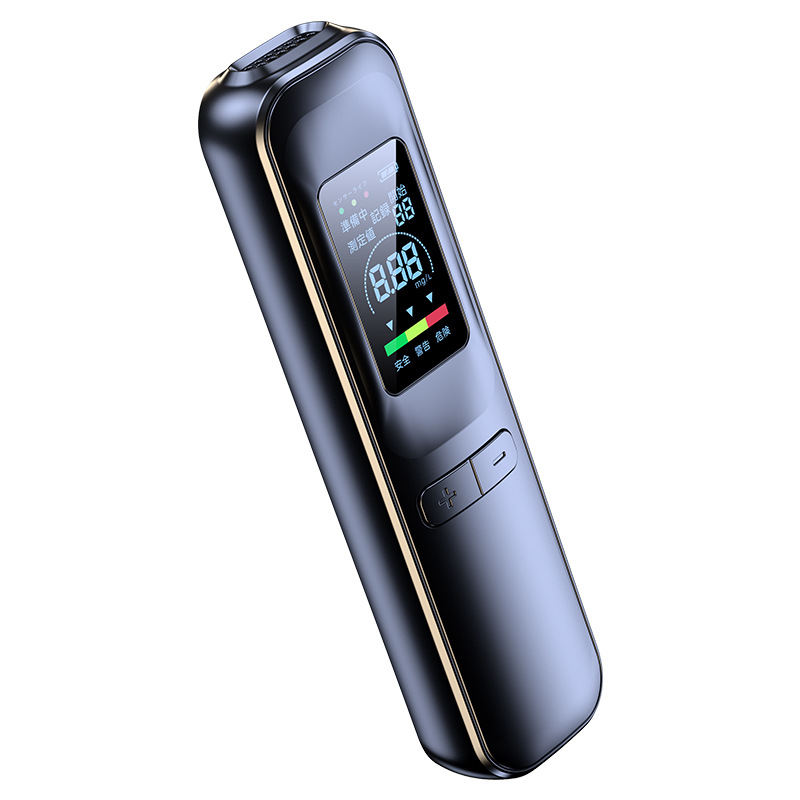
Common Parameters of Alcohol Testers
|
Parameter
|
Description
|
Typical Range
|
|
Accuracy
|
How closely the tester's readings match the true BAC.
|
±0.01 - ±0.05% BAC. Higher - quality testers generally have an accuracy of ±0.01 - ±0.02% BAC.
|
|
Measurement Range
|
The minimum and maximum BAC values the tester can measure.
|
0.00% - 0.40% BAC for most consumer - grade breath - alcohol testers. Some professional - grade testers can measure up to 0.50% BAC or higher.
|
|
Response Time
|
The time it takes for the tester to provide a reading after receiving a sample.
|
5 - 30 seconds. High - end testers usually have a shorter response time, around 5 - 10 seconds.
|
|
Power Source
|
The type of energy used to operate the tester.
|
Battery - operated (e.g., AA, AAA, coin - cell) or rechargeable (lithium - ion or nickel - metal - hydride batteries).
|
|
Display Type
|
How the BAC reading is presented.
|
Digital LCD (Liquid - Crystal Display) or LED (Light - Emitting Diode) display. Some testers may also have backlit displays for easy reading in low - light conditions.
|
|
Memory Function
|
The ability of the tester to store previous BAC readings.
|
Some testers can store 10 - 100 previous readings. This is useful for tracking alcohol consumption patterns over time.
|

Step - by - Step Guide to Using an Alcohol Tester in Car Correctly
Preparation Before Use
- Check the Tester: Inspect the alcohol testing for any signs of damage. Look for cracks in the casing, a dirty or damaged sensor (if visible), or a malfunctioning display. If the tester appears to be damaged, do not use it, as it may give inaccurate results.
- Power On the Tester: If it's battery - operated, make sure the batteries are inserted correctly and have sufficient charge. For rechargeable testers, ensure it is fully charged. Some testers may have a power - on sequence, such as pressing and holding a button for a few seconds. Wait for the tester to initialize. This may involve a brief self - test where the display shows a series of numbers or symbols.
- Replace the Mouthpiece (if applicable): If your breath - alcohol tester uses a disposable mouthpiece, replace it with a new one. This ensures hygiene and prevents any residue from previous users from affecting the test results.
- Wait for the Tester to Stabilize: After powering on, most testers need a short period to stabilize. This can range from 10 - 30 seconds, during which the sensor adjusts to the ambient environment.
Proper Sampling Technique
- For Breath - Alcohol Tester Breathalyzer:
-
- Take a Deep Breath: The user should take a deep breath and hold it for a few seconds. This ensures that the air exhaled into the tester is from the deep - lung area, where the alcohol concentration is more representative of the blood - alcohol level.
-
- Exhale Steadily: Place the mouthpiece of the tester in the mouth, forming a tight seal. Exhale steadily into the tester for the recommended duration, which is usually 3 - 5 seconds. Do not blow too hard or too softly. Blowing too hard can cause the tester to register an error, while blowing too softly may not provide enough sample for an accurate reading.
- For Saliva - Breathalyzer Alcohol Tester:
-
- Prepare the Tester: Some saliva - alcohol testers require the user to moisten a test strip by placing it under the tongue for a few seconds. Others may have a built - in swab that needs to be activated.
-
- Collect the Sample: Gently place the swab or test strip on the inside of the cheek or under the tongue and hold it in place for the specified time, usually 10 - 20 seconds. Make sure the swab or strip makes good contact with the saliva.
- For Urine - Digital Alcohol Breathalyzer Tester:
-
- Collect a Urine Sample: Use a clean, disposable container to collect a mid - stream urine sample. Mid - stream samples are less likely to be contaminated with bacteria or other substances from the external genital area.
-
- Dip the Test Strip: If the tester uses a test strip, carefully dip the strip into the urine sample up to the marked line. Hold it in the urine for the recommended time, usually 5 - 10 seconds.
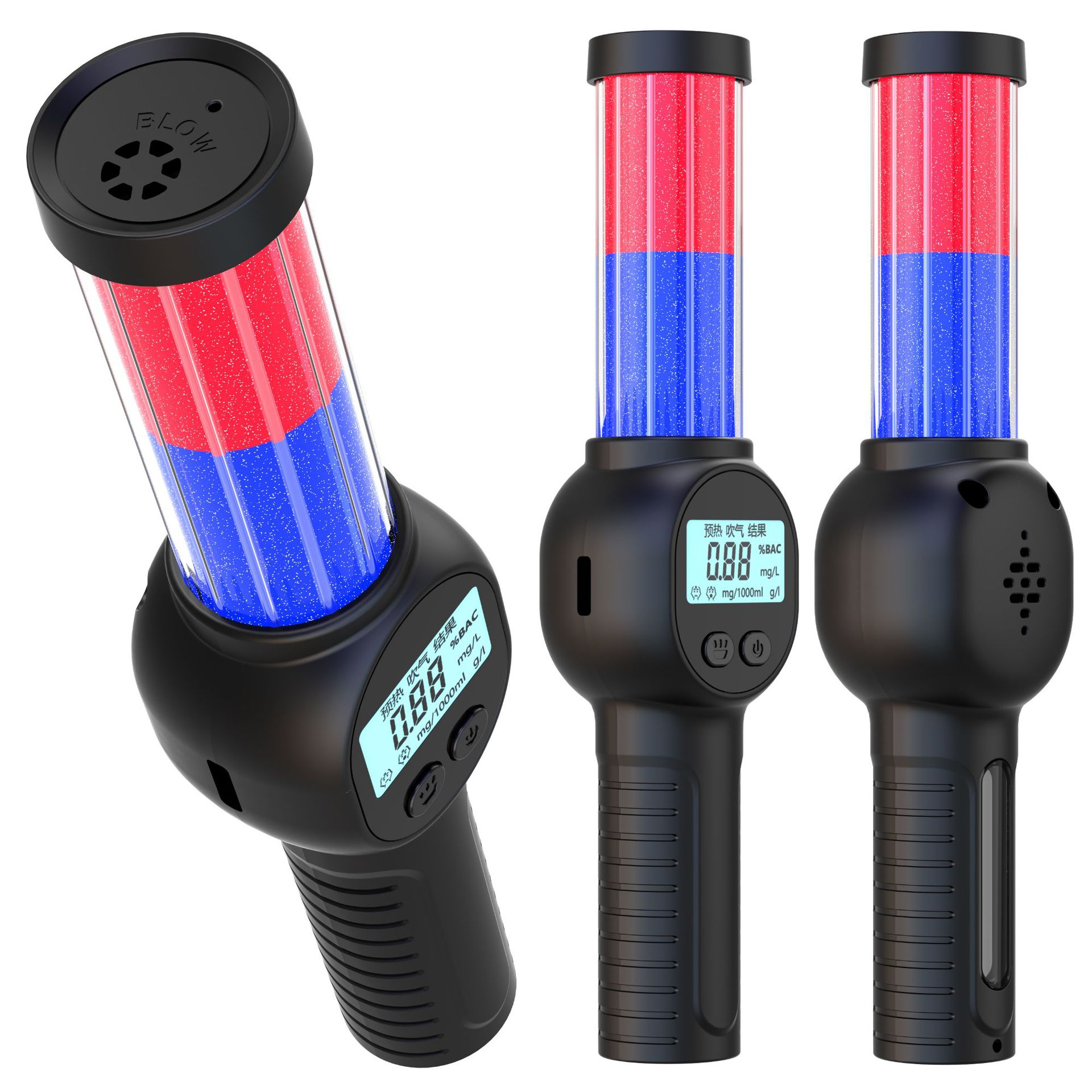
Reading and Interpreting the Results
- Wait for the Reading: After providing the sample, wait for the portable alcohol tester to process the data and display the BAC reading. This may take 5 - 30 seconds, depending on the type of tester. Do not move or disrupt the tester during this time.
- Read the Display: The BAC reading will be shown on the digital display. Make sure to read it carefully. Some testers may also display additional information such as a pass/fail indicator based on the legal BAC limit in the UK (0.08% BAC for most drivers).
- Understand the Results: A BAC of 0.00% means no alcohol was detected in the sample. As the BAC increases, the impairment level also rises. For example, a BAC of 0.05% - 0.08% can start to affect judgment, reaction time, and coordination, while a BAC above 0.08% is well above the legal driving limit in the UK and indicates significant impairment.
Achieving Precise Measurements with a Portable Breath Alcohol Tester
Calibration and Its Significance
- Frequency: Calibrate your digital alcohol tester regularly. For consumer - grade testers, calibration every 3 - 6 months is recommended. Professional - grade testers used by law enforcement or in medical facilities may require more frequent calibration, sometimes as often as monthly.
- Calibration Process: Most digital breath alcohol tester come with a calibration kit. This usually includes a calibration solution with a known alcohol concentration. Follow the manufacturer's instructions to calibrate the tester. Generally, it involves running the calibration solution through the tester and adjusting the settings so that the tester reads the correct alcohol concentration.
- Verification: After calibration, verify the accuracy of the tester by running a test with a different known - concentration alcohol solution or a control sample. If the tester gives an accurate reading, it is ready for use. If not, repeat the calibration process or contact the manufacturer for assistance.
Avoiding Factors That Affect Accuracy
- Mouthwash and Breath Fresheners: Many mouthwashes and breath fresheners contain alcohol. Do not use these products for at least 15 - 30 minutes before using a breath - alcohol tester. The alcohol in these products can give a false - positive reading.
- Food and Drinks: Eating certain foods, especially those with a high alcohol content like ripe fruits (e.g., bananas) or fermented foods (e.g., sauerkraut), can also affect breath - alcohol readings. Wait at least 15 - 30 minutes after consuming such foods before testing. Additionally, carbonated drinks can cause bubbles in the breath, which may interfere with the sensor's operation.
- Illness and Medications: Some medical conditions and medications can affect the body's metabolism of alcohol or produce substances in the breath or saliva that may interfere with the tester. For example, diabetes can cause acetone to be present in the breath, which may be mistaken for alcohol by some testers. If you have a medical condition or are taking medications, consult your doctor before relying on an alcohol breath tester.
- Environmental Conditions: Extreme temperatures and humidity can affect the performance of breath alcohol tester. Store and use the tester within the recommended temperature and humidity range specified by the manufacturer. For example, most testers work best at room temperature (around 20 - 25°C) and moderate humidity (40% - 60%).
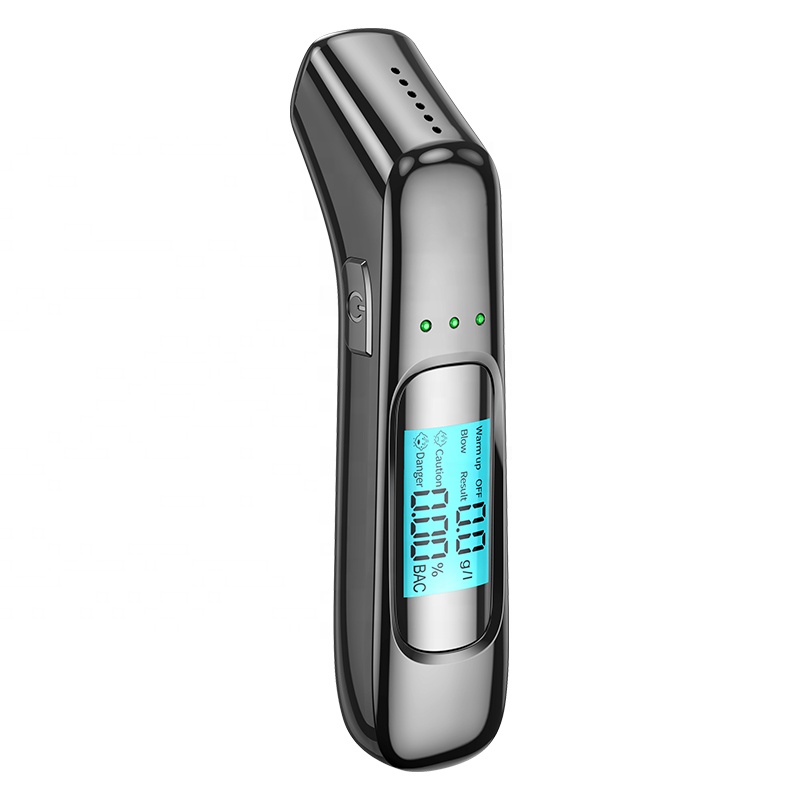
Expert Opinions on Using Breathalyzer
We reached out to several experts in the fields of road safety, toxicology, and law enforcement to get their insights on using breathalyzer test correctly.
Dr. James Wilson, a toxicologist at a leading UK university: "Calibration is the most critical aspect of using an breathalyzer portable alcohol tester accurately. Even a slight deviation in calibration can lead to significant errors in BAC readings. It's also important to be aware of the factors that can interfere with the test, such as mouthwash and certain foods. Users should always follow the manufacturer's instructions carefully."
Inspector David Smith, a traffic police officer with 20 years of experience: "In my experience, proper sampling technique is key. Many people don't exhale correctly into breath - alcohol testers, which can lead to inaccurate results. We also see issues with testers that haven't been calibrated regularly. As a law enforcement officer, I rely on accurate breathalyzer test home to ensure road safety, and I encourage the public to use them correctly as well."
Sarah Thompson, a consumer safety advocate: "Consumers should choose a high - quality breathalyzer test in car with good accuracy and reliability. Look for testers that have been independently tested and certified. Also, make sure to keep the tester clean and store it properly to maintain its performance."
Frequently Asked Questions (FAQ) about Using Car Breathalyzer
Q1: Can I use a blow breathalyzer immediately after drinking?
A: It takes time for alcohol to be absorbed into the bloodstream and then excreted through breath, saliva, or urine. Generally, it's best to wait at least 15 - 20 minutes after consuming alcohol before using an alcohol tester. This allows the alcohol to be evenly distributed in the body for a more accurate reading.
Q2: What should I do if my alcohol breathalyzer gives a reading that seems incorrect?
A: First, check if the tester has been calibrated recently. If not, calibrate it and retest. Also, consider if you've consumed any substances that could interfere with the test, such as mouthwash or certain foods. If the problem persists, the tester may be malfunctioning, and you should contact the manufacturer for support.
Q3: Are all alcohol breathalyzer test accurate?
A: Not all breathalyzer in car are equally accurate. The accuracy depends on the type of tester, its quality, and how well it has been maintained. High - quality testers from reputable brands, especially those used in professional settings, tend to be more accurate. Always read reviews and look for independent testing results when choosing an breathalyzer for car.
Q4: Can I use an alcohol tester for medical purposes?
A: While alcohol testers can give an indication of alcohol consumption, they are not intended for medical diagnosis. If you have concerns about alcohol - related health issues, it's best to consult a medical professional who can perform more comprehensive tests.
Q5: How do I clean my alcohol tester?
A: For breath - alcohol testers, clean the mouthpiece with a mild detergent and water. Do not use harsh chemicals, as they can damage the sensor. Wipe down the exterior of the tester with a soft, dry cloth. For other types of testers, follow the manufacturer's cleaning instructions.

Related: In - Depth Analysis of Mini Alcohols Tester
For a more comprehensive look at digital alcohol testers, including detailed product reviews, comparisons of different models, and the latest technological advancements, check out our previous article:
This article covers everything from the history of alcohol testers to the different types available in the market. It also includes user experiences and expert - recommended products for various applications.
Conclusion
Using an best alcohol tester breathalyzer correctly is essential for accurate measurement of blood - alcohol concentration. Whether you're a driver concerned about your fitness to drive or a professional in a field where alcohol testing is required, following the proper procedures for preparation, sampling, and interpretation of results, along with regular calibration and awareness of factors that can affect accuracy, will ensure reliable results. By using professional breathalyzer alcohol tester correctly, we can contribute to road safety and make informed decisions about alcohol consumption.
What Factors Can Affect the Accuracy of a Body Scale?
How Do I Choose the Right Size Pet Scale for My Pet?
Related Article
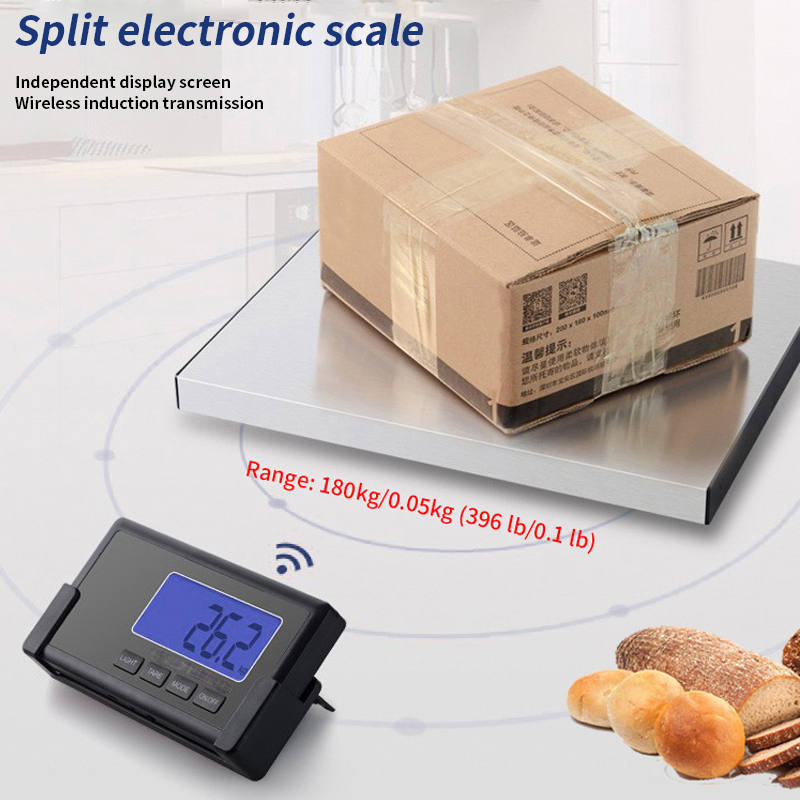
In the world of logistics and shipping, accuracy and efficiency are paramount. For businesses and individuals dealing with large packages or pallets, a reliable wireless shipping scale is an indispensable tool. One of the most critical questions that arises when selecting such a scale is: "What's the maximum weight capacity of a reliable wireless shipping scale suitable for shipping large packages or pallets?"
What's the Maximum Weight Capacity of a Reliable Wireless Shipping Scale Suitable for Shipping Large Packages or Pallets?
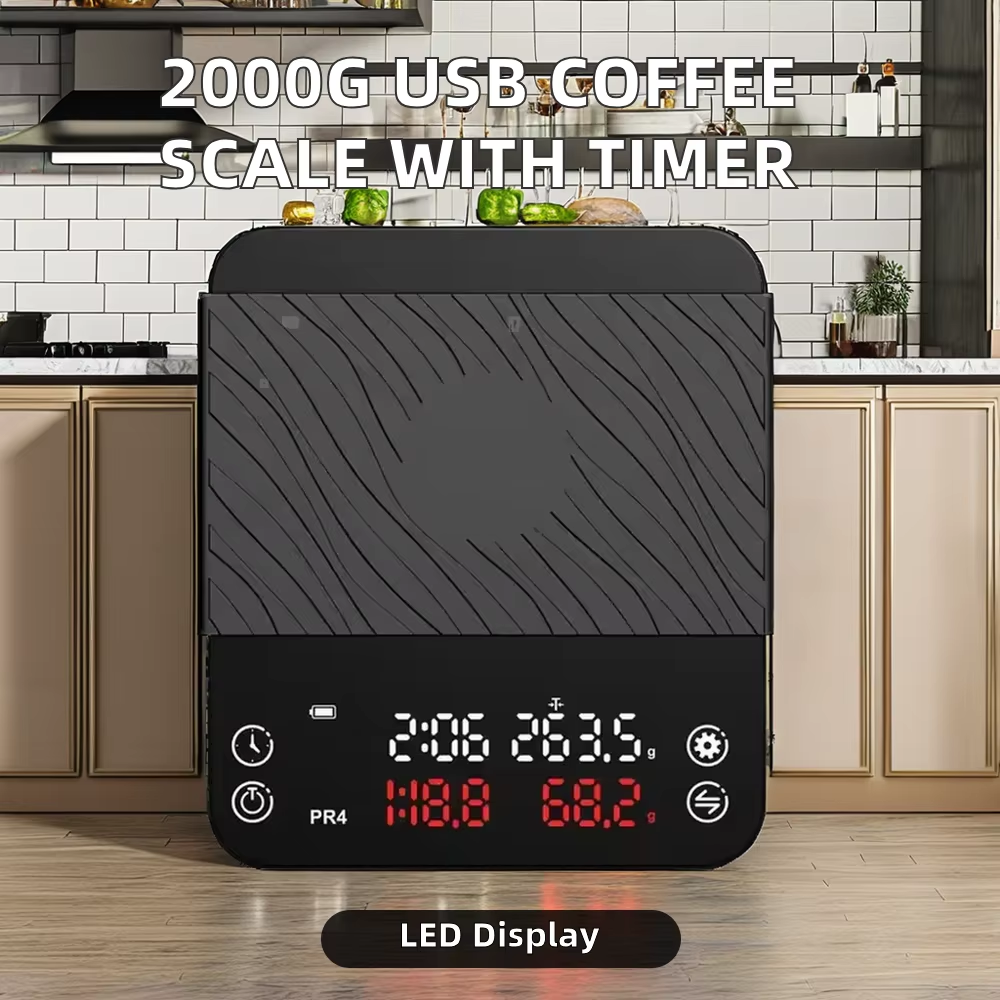
For coffee enthusiasts and baristas, the espresso scale is an indispensable tool. It ensures that each shot adheres to the precise coffee-to-water ratios that define a balanced, flavorful espresso. Among the key considerations when choosing an espresso scale is its weight capacity—the maximum weight it can accurately measure.
What's the Ideal Weight Capacity for an Espresso Scale Considering the Typical Amounts of Coffee and Water Used in a Shot?

The spoon scale has become a popular tool in home kitchens, beloved for its convenience in measuring small amounts of ingredients, especially spices, baking powders, and other seasonings. However, many users encounter a frustrating issue: their spoon scale gives inconsistent readings for the same ingredient.
My Spoon Scale Seems to Give Inconsistent Readings for the Same Ingredient. What Could Be the Problem and How Can I Fix It?

In the intricate world of jewelry, precision in weighing is of utmost importance. Whether it's determining the value of a rare gemstone, ensuring the correct amount of precious metal in a piece, or verifying the authenticity of a jewelry item, the right mini jewelry scale can make all the difference.
What's the Most Accurate Mini Jewelry Scale for Weighing Tiny Gemstones and Can It Measure Down to Milligrams?