
How Accurate Are Digital Fishing Scales?
2025-04-14

Table of Contents
- [The Inner Workings of Digital Fishing Scales]
-
- [Sensor Technology at the Core]
-
- [Processing and Display Mechanisms]
- [Factors Impacting the Accuracy of Digital Fishing Scales]
-
- [Build Quality and Material Durability]
-
- [User - Induced Accuracy Deviations]
- [Achieving Optimal Accuracy with Digital Fishing Scales]
-
- [Best Practices for Calibration]
-
- [Proper Handling and Setup Techniques]
-
- [Accurate Weighing Methods]
- [Expert Perspectives on Digital Fishing Scale Accuracy]
Introduction
In the angling world, accurately determining the weight of a catch is a matter of pride, competition, and conservation. Digital fishing scales have emerged as a popular choice among anglers, promising precision in weight measurement. But the question remains: just how reliable are these devices when it comes to providing an exact weight? This in - depth article will explore the technology behind digital fishing scales, the factors that can influence their accuracy, and practical tips for ensuring you get the most precise readings. We'll also hear from industry experts and answer common queries to help you make the most of your fishing scale.

The Inner Workings of Digital Fishing Scales
Sensor Technology at the Core
Digital fishing scales rely on strain gauge or load cell sensors to measure the weight of a fish. When a fish is suspended from the scale, the force exerted by the fish's weight causes a minute deformation in the sensor. In a strain gauge, this deformation changes the electrical resistance of a thin metal foil, while in a load cell, it alters the electrical output of a piezoelectric or capacitive element. These changes in electrical properties are then detected and converted into a weight value. High - quality sensors are designed to have a linear response, meaning that the change in electrical output is directly proportional to the applied weight, ensuring accurate measurements across the scale's range.
Processing and Display Mechanisms
Once the sensor generates an electrical signal corresponding to the fish's weight, it is sent to a microcontroller. The microcontroller is the brain of the scale, responsible for processing the signal, compensating for any potential errors, and converting the data into a digital format for display. Some advanced microcontrollers can also perform complex calculations to account for factors like temperature changes and sensor drift. The processed weight value is then shown on the scale's digital display, which can range from a simple LCD screen to a more advanced, high - contrast LED display for easy reading in various lighting conditions.
Common Parameters of Digital Fishing Scales and Their Accuracy Implications
|
Parameter
|
Description
|
Typical Range
|
Impact on Accuracy
|
|
Weight Capacity
|
The maximum weight the scale can measure.
|
10 - 100 pounds (4.5 - 45 kg) for general - purpose scales; heavy - duty models may reach 200 pounds (90 kg)
|
Scales operating near their maximum capacity are more likely to experience non - linearities in the sensor response, leading to less accurate readings. For example, a scale with a 50 - pound capacity may be less precise when weighing a 45 - pound fish compared to a 10 - pound fish.
|
|
Precision
|
The smallest weight increment the scale can detect.
|
0.1 - 0.5 pounds (0.05 - 0.25 kg)
|
Higher precision allows for more detailed and accurate weight measurements. In competitive fishing, where a fraction of a pound can make a difference, a scale with 0.1 - pound precision is preferred over one with 0.5 - pound precision.
|
|
Calibration Accuracy
|
The degree to which the scale's readings match the true weight after calibration.
|
±0.1 - ±0.5 pounds (±0.05 - ±0.25 kg) depending on scale quality
|
Proper calibration is essential for accurate weighing. A scale with a calibration accuracy of ±0.1 pounds will provide readings that are, at most, 0.1 pounds off from the actual weight. If calibration is inaccurate, the scale may consistently over - or under - report the weight.
|
|
Temperature Compensation
|
The scale's ability to adjust for temperature changes to maintain accuracy.
|
Some basic scales offer minimal compensation, while premium models can handle a wide temperature range, e.g., 32°F - 104°F (0°C - 40°C)
|
Temperature can significantly affect the performance of the sensor. In cold conditions, the sensor may contract, changing its electrical properties and leading to inaccurate readings. A scale with effective temperature compensation can account for these changes and provide more reliable weights.
|
 Factors Impacting the Accuracy of Digital Fishing Scales
Calibration: The Key to Precision
Calibration is the process of adjusting the scale to match its readings with known weights. Most digital fishing scales come with a calibration feature, often requiring the use of a calibration weight. Regular calibration is crucial as the sensor's performance can drift over time due to factors like wear and tear, temperature changes, and electrical interference. Without proper calibration, a scale may give readings that are consistently off. For instance, if a scale is not calibrated and has a drift of 0.3 pounds, a 7 - pound fish may be measured as 7.3 pounds or 6.7 pounds. Calibration should be done before each fishing trip or at least once a month for frequent users.
Environmental Variables and Their Effects
- Temperature: Extreme temperatures can have a profound impact on the accuracy of digital fishing scales. Cold temperatures can cause the materials in the sensor to contract, altering its electrical characteristics. In contrast, hot temperatures can lead to expansion. For example, in sub - freezing conditions, a scale may over - estimate the weight of a fish because the contracted sensor is more sensitive to the applied force. High - end scales often have built - in temperature compensation mechanisms to counteract these effects, but cheaper models may be more vulnerable.
- Humidity: Humidity can also pose a problem, especially for scales used in saltwater environments. Moisture can accumulate on the sensor or other components, leading to corrosion or interference with the electrical signals. This can cause the scale to give erratic or inaccurate readings. Scales with a waterproof or water - resistant design are better equipped to handle humid conditions, but even they may experience issues if exposed to excessive moisture for extended periods.
- Vibrations: Vibrations from the boat, the angler's movements, or the struggling fish can disrupt the scale's measurements. When the scale is vibrating, the sensor may register false weight changes, making it difficult to get a stable reading. Using the scale on a stable surface or waiting for the fish to calm down before weighing can help mitigate this issue.
Build Quality and Material Durability
The quality of construction and the materials used in a digital fishing scale play a significant role in its accuracy and longevity. Scales made from high - quality, durable materials are more resistant to environmental factors and physical damage. A sturdy housing protects the internal components, such as the sensor and microcontroller, from impacts and moisture. High - grade sensors are less likely to experience drift or failure over time. In contrast, a poorly constructed scale with a flimsy housing and low - quality sensor may be easily damaged, leading to inaccurate readings. For example, if the sensor in a scale is not properly secured, it may move slightly, causing inconsistent weight measurements.

User - Induced Accuracy Deviations
- Incorrect Hanging: Hanging the fish improperly from the scale can lead to inaccurate readings. If the fish is not suspended straight or if the hook is not attached securely, the weight distribution may be uneven, causing the scale to measure a weight that is different from the actual weight. For example, if a fish is hanging at an angle, the scale may measure a lower weight because the effective force on the sensor is reduced.
- Overloading the Scale: Using a scale beyond its rated weight capacity can not only damage the scale but also result in inaccurate readings. When a scale is overloaded, the sensor may be permanently deformed, affecting its ability to accurately measure weights within its normal range. Always check the scale's weight capacity before using it to ensure you don't exceed its limits.
- Neglecting the Tare Function: Many digital fishing scales have a tare function that allows you to zero out the weight of the hook, line, or any other accessories attached to the scale. Failing to use this function correctly means that the weight of these items will be added to the weight of the fish, leading to an over - estimation of the fish's weight.
Achieving Optimal Accuracy with Digital Fishing Scales
Best Practices for Calibration
- Frequency: Calibrate your digital fishing scale before every fishing trip. If you use the scale frequently, consider calibrating it weekly. If the scale has been dropped, exposed to extreme temperatures, or shows signs of inaccurate readings, calibrate it immediately.
- Use Certified Weights: When calibrating, use certified calibration weights. These weights have been tested and verified to have a specific, accurate weight. Avoid using household items of unknown weight for calibration, as they may not provide the precision needed. For example, a 5 - pound certified calibration weight should be used to calibrate a scale that measures in pounds.
- Follow Manufacturer Instructions: Each digital fishing scale has its own calibration procedure. Carefully read and follow the manufacturer's instructions. This may involve pressing specific buttons on the scale, placing the calibration weight on the hook, and waiting for the scale to adjust its internal settings. Some scales may require you to enter the weight of the calibration object manually.
Proper Handling and Setup Techniques
- Protect from the Elements: Keep your digital fishing scale dry and clean. If fishing in a wet environment, use a waterproof case or cover for the scale. After each use, wipe down the scale with a dry cloth to remove any moisture, salt, or debris. In saltwater fishing, rinsing the scale with fresh water (if it's water - resistant) can help prevent corrosion.
- Use on a Stable Surface: When calibrating or weighing a fish, place the scale on a stable, flat surface. Avoid using the scale on a surface that is vibrating, such as a boat deck in rough waters. If you're on a boat, try to find a calm spot or use a stabilizing device for the scale.
- Inspect for Damage: Before each use, visually inspect the scale for any signs of damage. Check for cracks in the housing, a loose hook, or a malfunctioning display. If the scale is damaged, do not use it until it has been repaired or replaced. A damaged sensor or display can lead to inaccurate readings.
Accurate Weighing Methods
- Suspend the Fish Correctly: When weighing a fish, ensure that the fish is suspended straight and that the hook is securely attached to the scale. Use a long - handled hook if possible to keep your hands away from the scale and prevent any interference with the readings. Make sure the fish is not swinging or twisting while being weighed.
- Wait for the Reading to Stabilize: After suspending the fish from the scale, wait for the digital display to stabilize before recording the weight. Do not move the scale or the fish while the reading is being taken. This may take a few seconds, especially if the fish is still slightly moving.
- Utilize the Tare Function: Before weighing the fish, use the tare function to zero out the weight of the hook, line, and any other accessories attached to the scale. This ensures that you are measuring only the weight of the fish. If you need to weigh multiple fish with the same hook and line, remember to tare the scale again before each new weighing.
Expert Perspectives on Digital Fishing Scale Accuracy
We spoke with several experts in the fishing industry to gain insights into the accuracy of digital fishing scales.
Captain Mike Johnson, a seasoned fishing guide with 15 years of experience: "I've used a variety of digital fishing scales over the years, and I've found that calibration is the most important factor in ensuring accuracy. I always carry a set of calibration weights with me and calibrate my scale before each trip. I also prefer scales with a high - precision sensor and good temperature compensation, as I fish in different climates. In my experience, a well - maintained digital scale can be extremely accurate, but you have to take the time to care for it."
Dr. Sarah Thompson, a materials engineer specializing in sensor technology: "The accuracy of digital fishing scales is a complex issue. It depends on the quality of the sensor, the calibration process, and how well the scale can handle environmental factors. High - end scales with advanced sensor technology and sophisticated microcontrollers can provide very accurate readings. However, consumers need to be aware of the limitations of their scales and take appropriate measures, such as calibration and proper handling, to get the best results."
Mark Davis, a professional angler and fishing tournament competitor: "In tournament fishing, accuracy is crucial. I rely on my digital fishing scale to give me precise weight measurements. I always make sure to hang the fish correctly and wait for the reading to stabilize. I also prefer scales with a large, easy - to - read display, as I need to quickly and accurately record the weight during a tournament. A good digital scale can make a big difference in the outcome of a competition."

Frequently Asked Questions (FAQ)
Q1: Can I rely on the accuracy of a digital fishing scale without calibrating it?
A: It is not advisable to rely on the accuracy of a digital fishing scale without calibration. While some scales may be pre - calibrated at the factory, factors such as shipping, storage, and normal wear and tear can affect their accuracy over time. Calibrating the scale before each use ensures that you are getting the most accurate weight readings.
Q2: What should I do if my digital fishing scale is giving inconsistent readings?
A: First, check if the scale needs calibration. If it has not been calibrated recently, follow the calibration procedure in the user manual. Also, inspect the scale for any signs of damage, such as a loose sensor or a damaged display. Make sure you are using the scale in a suitable environment, away from extreme temperatures, humidity, and vibrations. If the problem persists, contact the manufacturer for further assistance.
Q3: Are more expensive digital fishing scales always more accurate?
A: Generally, more expensive digital fishing scales tend to be more accurate because they often use higher - quality sensors, better - built components, and more advanced calibration and temperature - compensation features. However, this is not always the case. Some budget - friendly scales can also offer decent accuracy if they are properly calibrated and used correctly. It's important to read reviews, compare features, and consider the reputation of the brand when choosing a scale.
Q4: Can I use a digital fishing scale to weigh other objects besides fish?
A: Yes, you can use a digital fishing scale to weigh other objects as long as they are within the scale's weight capacity. However, keep in mind that the scale is designed specifically for weighing fish, and the accuracy may vary depending on the shape and size of the object. For irregularly shaped objects, it may be more difficult to get an accurate weight.
Q5: How do I know if my digital fishing scale has effective temperature compensation?
A: Check the product specifications or the user manual of your digital fishing scale. If the scale has temperature compensation, it will usually be clearly stated. Some scales may also have a specific indicator on the display to show that temperature compensation is active. You can also test the scale in different temperature conditions (within the scale's rated temperature range) and see if the readings remain consistent.

Related: In - Depth Exploration of Digital Fishing Scales
For a more comprehensive analysis of digital fishing scales, including detailed product reviews, comparisons of different models, and tips on choosing the right scale for your needs, check out our previous article:
This article delves into the latest technological advancements in digital fishing scales, real - world testing results, and user experiences. It also provides expert - recommended tips for maintaining and getting the best performance from your digital fishing scale.
Conclusion
Digital fishing scales can be highly accurate tools for weighing your catch, but achieving optimal accuracy requires an understanding of their technology, proper calibration, and careful handling. By considering factors such as calibration, environmental conditions, build quality, and user technique, anglers can ensure that their digital fishing scales provide reliable and precise weight measurements. Whether you're a casual angler looking to record your catches
How Do I Choose the Right Size Pet Scale for My Pet?
What is the best baggage scale for travel?
Related Article
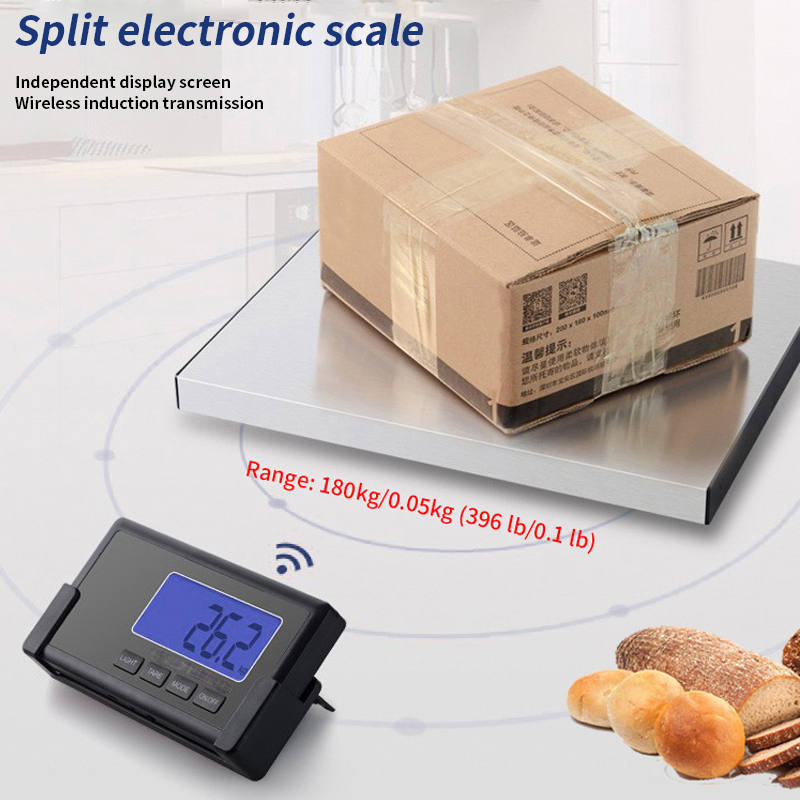
In the world of logistics and shipping, accuracy and efficiency are paramount. For businesses and individuals dealing with large packages or pallets, a reliable wireless shipping scale is an indispensable tool. One of the most critical questions that arises when selecting such a scale is: "What's the maximum weight capacity of a reliable wireless shipping scale suitable for shipping large packages or pallets?"
What's the Maximum Weight Capacity of a Reliable Wireless Shipping Scale Suitable for Shipping Large Packages or Pallets?
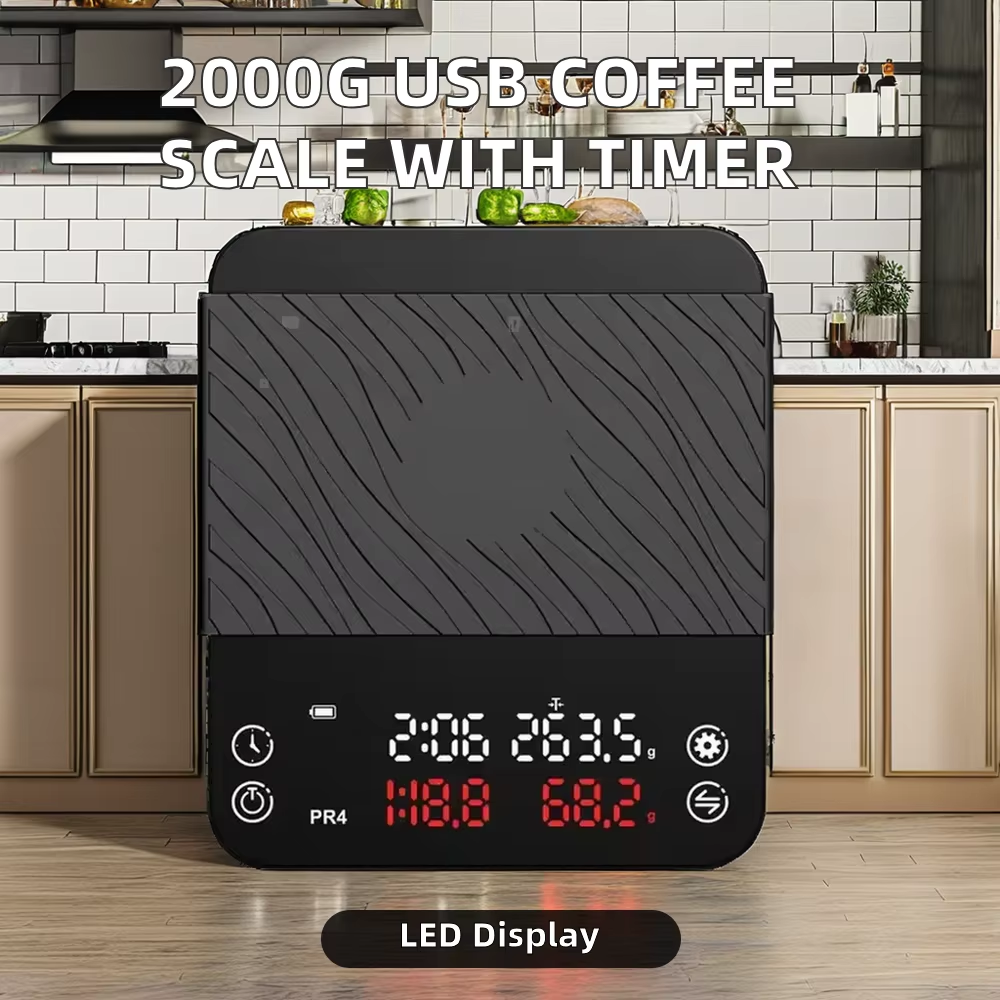
For coffee enthusiasts and baristas, the espresso scale is an indispensable tool. It ensures that each shot adheres to the precise coffee-to-water ratios that define a balanced, flavorful espresso. Among the key considerations when choosing an espresso scale is its weight capacity—the maximum weight it can accurately measure.
What's the Ideal Weight Capacity for an Espresso Scale Considering the Typical Amounts of Coffee and Water Used in a Shot?

The spoon scale has become a popular tool in home kitchens, beloved for its convenience in measuring small amounts of ingredients, especially spices, baking powders, and other seasonings. However, many users encounter a frustrating issue: their spoon scale gives inconsistent readings for the same ingredient.
My Spoon Scale Seems to Give Inconsistent Readings for the Same Ingredient. What Could Be the Problem and How Can I Fix It?

In the intricate world of jewelry, precision in weighing is of utmost importance. Whether it's determining the value of a rare gemstone, ensuring the correct amount of precious metal in a piece, or verifying the authenticity of a jewelry item, the right mini jewelry scale can make all the difference.
What's the Most Accurate Mini Jewelry Scale for Weighing Tiny Gemstones and Can It Measure Down to Milligrams?