
How to use a coffee scale to measure coffee and water accurately?
2025-03-17

Choosing the Right Coffee Scale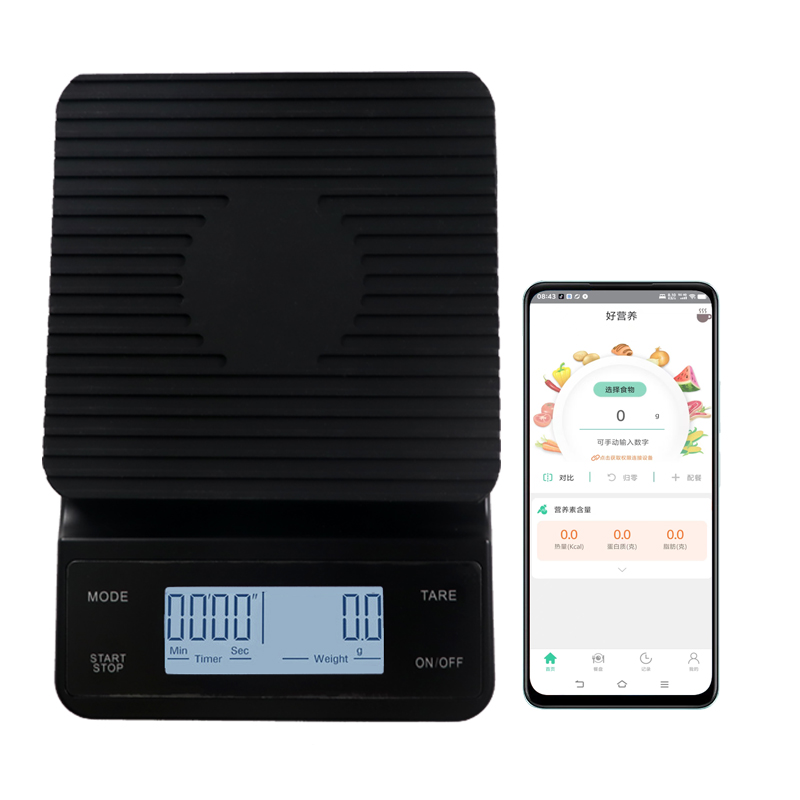
Considerations for Scale Features
- Accuracy: Look for a best coffee scale that can measure in small increments. For coffee, a scale with a precision of at least 0.1 grams is ideal. Some high - end scales can even measure down to 0.01 grams, which is extremely useful for those who are very particular about their coffee ratios.
- Weight Capacity: Ensure that the scale has a sufficient weight capacity. A typical good scale for coffee should be able to handle at least 1 - 2 kilograms. This is because you need to measure both the coffee grounds and the water, and depending on the brewing method and the quantity of coffee you are making, the combined weight can add up.
- Tare Function: The tare function is essential. It allows you to zero out the weight of a container, such as a coffee cup or a brewing vessel. This means that when you place the container on the best scale for coffee and press the tare button, the scale will register the weight of the container as zero, so you can then measure only the weight of the coffee or water added to it.
- Display: A clear and easy - to - read display is a must. Digital espresso coffee scale with large, backlit displays are highly recommended as they can be easily read in different lighting conditions. Some scales also have the option to switch between different units of measurement, such as grams, ounces, and milliliters, which is convenient depending on your preference or the requirements of your coffee recipe.
- Power Source: Consider the power source of the coffee measuring scale. Some scales run on batteries, while others are rechargeable. Rechargeable scales can be more cost - effective in the long run, but you need to ensure that you have a convenient way to charge them. Battery - powered scales are more portable, but you need to keep spare batteries on hand.
Types of Coffee Scale with Timer
- Basic Digital best scale for coffee brewing: These are simple, no - frills scales that offer basic functionality such as weight measurement and a tare function. They are usually affordable and suitable for beginners or those who are not overly concerned with advanced features.
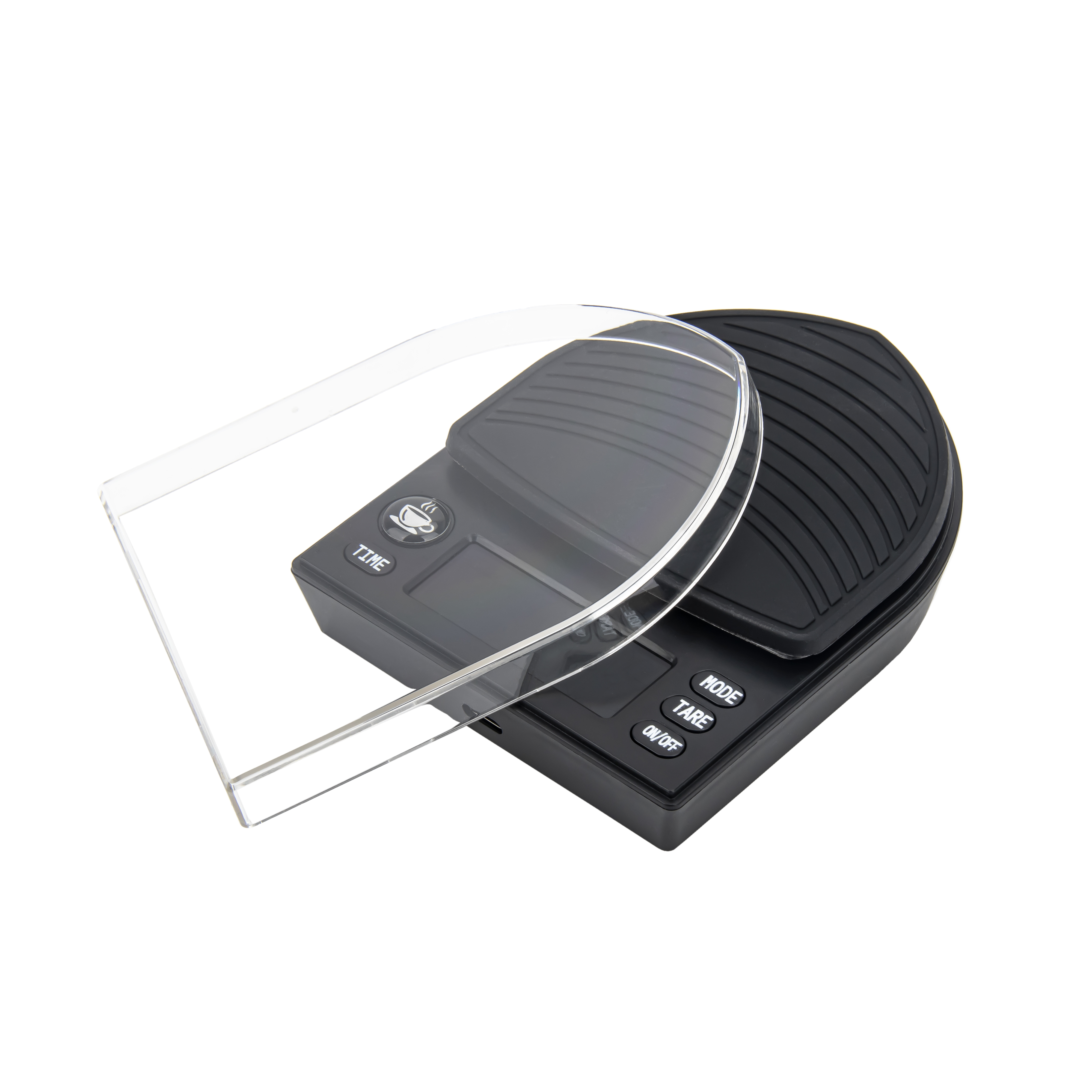
- Scales with Built - in Timers: Some best scale for coffee pour over come with built - in timers. This is a useful feature as many brewing methods, such as pour - over coffee, require precise timing. The timer can help you keep track of the brewing time, ensuring that you extract the coffee properly.
- Smart Scales: Smart digital coffee scales can connect to your smartphone or other devices via Bluetooth or Wi - Fi. They often come with apps that can record your brewing data, such as the amount of coffee and water used, the brewing time, and even provide recommendations based on your previous brews. These scales are great for those who want to take their coffee - making to the next level and analyze their brewing habits.
 Preparation Before Measurement
Cleaning the Scale
Before using the best budget coffee scale, it is important to clean it thoroughly. Any residue from previous use, such as coffee grounds or water droplets, can affect the accuracy of the measurement. Use a soft, dry cloth to wipe down the surface of the scale. If there are stubborn stains, you can use a mild detergent and water, but make sure to dry the scale completely before using it.
Calibrating the Best Scale for Pour Over Coffee
Calibration is crucial to ensure the accuracy of the scale. Most digital scales come with a calibration function. You can use calibration weights, which are small weights of known value, to calibrate the scale. Place the calibration weight on the scale and follow the calibration procedure as described in the scale's user manual. If you don't have calibration weights, some scales may have a self - calibration feature that uses an internal reference weight. Regularly calibrating your scale, especially if you use it frequently or if you suspect that the accuracy has been compromised, is essential for obtaining reliable results.
Selecting the Right Containers
- For Coffee Grounds: Use a clean, dry container to measure the coffee grounds. A small coffee scoop or a dedicated coffee - measuring cup can be used. Make sure the container is not too large as it can be difficult to get an accurate measurement if the best coffee scale for espresso has to account for a large amount of empty space.
- For Water: Choose a container that is suitable for the brewing method. For pour - over coffee, a kettle with a spout for controlled pouring is ideal. The kettle should be clean and dry before use. If you are using a French press or a moka pot, use a measuring cup or a pitcher to measure the water.
Measuring Coffee Grounds
Grinding the Coffee
The first step in measuring coffee grounds is to grind the coffee beans. The type of grind you choose depends on the brewing method. For example, a fine grind is suitable for espresso, while a coarser grind is better for French press. Use a quality coffee grinder to ensure a consistent grind size. If the grind is too inconsistent, it can affect the extraction and the flavor of the coffee.
Weighing the Coffee Grounds
- Tare the Container: Place the container you are using to measure the coffee grounds on the best coffee bean scale. Press the tare button to zero out the weight of the container.
- Add the Coffee Grounds: Slowly add the coffee grounds to the container. Watch the display on the scale carefully. If you are aiming for a specific weight, such as 15 grams for a single - serving pour - over, stop adding the grounds when the scale reaches the desired weight. It is important to be as precise as possible. If you add too much coffee, you can carefully remove some using a small spoon or a coffee scoop.
- Leveling the Coffee Grounds: Once you have added the desired amount of coffee grounds, use a flat - edged tool, such as a knife or a spoon, to level off the top of the coffee grounds in the container. This ensures that you have an even amount of coffee and that the measurement is accurate.


Measuring Water
Determining the Water - to - Coffee Ratio
The water - to - coffee ratio is a matter of personal preference, but a common ratio for pour - over coffee is 1:15 to 1:18, which means 1 gram of coffee to 15 - 18 grams of water. For example, if you used 15 grams of coffee grounds, you would need 225 - 270 grams of water. Different brewing methods may have different ideal ratios. For espresso, the ratio is typically much lower, around 1:2 to 1:3.
Measuring the Water
- Tare the Water Container: Place the container you are using to measure the water, such as a kettle or a measuring cup, on the greater goods digital coffee scale. Press the tare button to zero out the weight of the container.
- Adding Water: Slowly pour water into the container. If you are using a kettle, pour the water in a steady, controlled stream. Keep an eye on the coffee scale espresso display. Stop pouring when the scale reaches the desired weight of water. If you are using a measuring cup, you can also measure the volume of water in milliliters. Since 1 milliliter of water weighs approximately 1 gram, you can use the volume measurement as a reference. However, weighing the water is more accurate as the density of water can vary slightly depending on temperature and other factors.
- Accounting for Temperature: If you are making coffee that requires heated water, such as pour - over or French press, keep in mind that the weight of water can change slightly with temperature. However, for practical purposes, the change in weight is negligible for most home - brewing scenarios. But if you are a very precise coffee maker, you may need to account for this by using a conversion chart or a scale that can adjust for temperature - related weight changes.

Using the Good Coffee Scale During Brewing
Pour - over Brewing
- Placing the Filter and Dripper on the greater goods coffee scale: For pour - over brewing, place the filter - lined dripper on top of a coffee cup or a carafe. Then, place the entire setup on the scale. Press the tare button to zero out the weight.
- Adding the Coffee Grounds: Add the pre - measured coffee grounds to the filter. The greater goods coffee scale review will now show the weight of the coffee grounds.
- Pouring the Water: Start pouring the pre - measured water over the coffee grounds in a circular motion. Some people prefer to start with a small amount of water to wet the coffee grounds first, a process called blooming, and then continue pouring the remaining water. The scale can help you keep track of the total amount of water added. You can also use the timer on the scale (if it has one) to time the brewing process. A typical pour - over brewing time is around 2 - 3 minutes.
- Monitoring the Weight: As you pour the water, watch the greater good coffee scale to ensure that you are adding the correct amount of water. If you accidentally pour too much or too little water, you can adjust the flavor of the coffee by adding more coffee grounds or water accordingly, although it is best to get the measurement right from the start.
French Press Brewing
- Placing the French Press on the Good Digital Scale for Coffee: Place the empty French press on the scale and press the tare button.
- Adding the Coffee Grounds: Add the pre - measured coffee grounds to the French press. The coffee digital scale will show the weight of the coffee grounds.
- Pouring the Water: Slowly pour the pre - measured hot water into the French press. Make sure to leave some room at the top for the coffee to expand during brewing. The coffee scale digital can help you confirm that you have added the correct amount of water.
- Steeping and Pressing: After adding the water, place the lid on the French press, but do not press the plunger yet. Let the coffee steep for the recommended time, usually around 4 - 5 minutes. The digital scale for coffee is not directly involved during this step, but it has helped you measure the coffee and water accurately, which is crucial for a good - tasting French press coffee. When the steeping time is up, slowly press the plunger down.

Espresso Brewing
- Pre - weighing the Portafilter: Place the empty portafilter (the part that holds the coffee grounds in an espresso machine) on the best coffee digital scale and press the tare button.
- Adding the Coffee Grounds: Add the pre - ground coffee to the portafilter. Tamp the coffee grounds firmly and evenly using a tamper. The scale will show the weight of the coffee grounds. The amount of coffee used for an espresso shot is typically around 18 - 22 grams.
- Extraction: Insert the portafilter into the espresso machine and start the extraction process. The espresso machine will pump hot water through the coffee grounds. While the scale is not directly used during the extraction, accurate measurement of the coffee grounds is essential for achieving the right balance of flavor in the espresso. Espresso extraction times are usually very short, around 25 - 30 seconds for a single shot.
Troubleshooting Common Issues
Best Coffee Scale digital Not Reading Accurately
- Check for Calibration: If the best digital coffee scale is not reading accurately, the first thing to do is to check if it needs calibration. Follow the calibration procedure as described in the user manual.
- Remove Interference: Make sure there are no other objects or magnetic fields near the scale that could interfere with its readings. Some electronic devices, such as cell phones or laptops, can interfere with the scale's sensors.
- Inspect for Damage: Check the best digital scale for coffee for any signs of damage, such as a cracked display or a malfunctioning button. If the coffee espresso scale is damaged, it may need to be repaired or replaced.

Difficulty in Measuring Small Quantities
- Use a Smaller Container: If you are having trouble measuring small quantities of coffee or water accurately, try using a smaller container. A smaller container will reduce the margin of error.
- Zero - Point Adjustment: Some coffee scale and timer allow for zero - point adjustment. If you are consistently getting inaccurate readings for small quantities, you may need to adjust the zero - point of the coffee timer scale. Refer to the user manual for instructions on how to do this.
Inconsistent Results
- Check the Grind Consistency: Inconsistent results in coffee flavor could be due to inconsistent grind size. Make sure your coffee grinder is working properly and that the grind size is consistent for each batch of coffee.
- Measurements and Brewing Process: Review your measurement process and the brewing process. Ensure that you are using the same water - to - coffee ratio, brewing time, and temperature for each batch. Even small variations in these factors can lead to inconsistent results.
Conclusion
Using a coffee scale timer to measure coffee and water accurately is an essential skill for anyone who wants to make great - tasting coffee. By choosing the right scale, preparing it properly, and following the correct measurement procedures, you can achieve consistent, delicious coffee brews every time. Whether you are a beginner or an experienced coffee lover, investing the time to master the use of a coffee scale will take your coffee - making to a new level. Remember to regularly calibrate your scale, use clean containers, and be precise in your measurements. With practice, you will be able to create the perfect cup of coffee tailored to your taste preferences.
Is a pocket scale suitable for weighing jewelry?
How do I set up and use the kitchen scale with a bowl?
Related Article
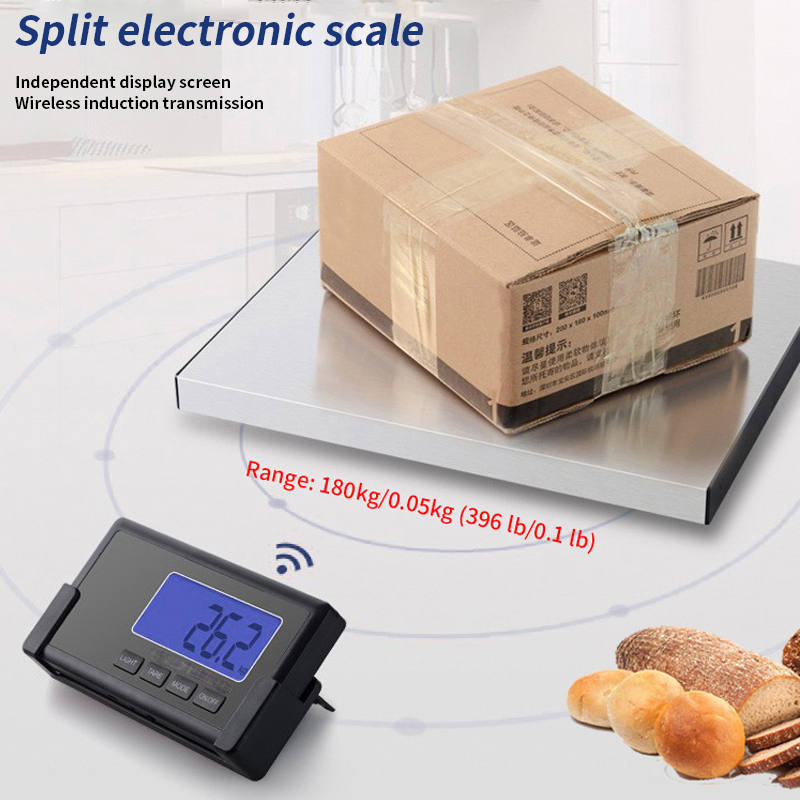
In the world of logistics and shipping, accuracy and efficiency are paramount. For businesses and individuals dealing with large packages or pallets, a reliable wireless shipping scale is an indispensable tool. One of the most critical questions that arises when selecting such a scale is: "What's the maximum weight capacity of a reliable wireless shipping scale suitable for shipping large packages or pallets?"
What's the Maximum Weight Capacity of a Reliable Wireless Shipping Scale Suitable for Shipping Large Packages or Pallets?
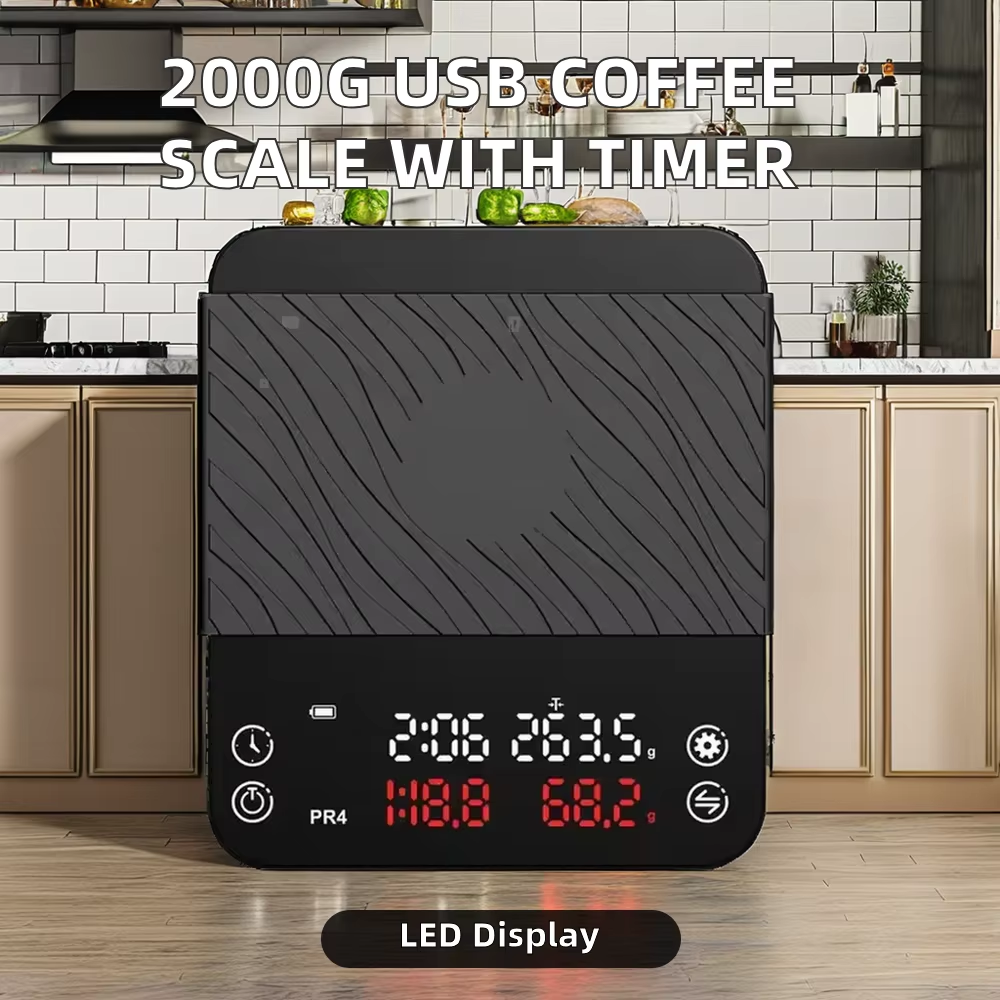
For coffee enthusiasts and baristas, the espresso scale is an indispensable tool. It ensures that each shot adheres to the precise coffee-to-water ratios that define a balanced, flavorful espresso. Among the key considerations when choosing an espresso scale is its weight capacity—the maximum weight it can accurately measure.
What's the Ideal Weight Capacity for an Espresso Scale Considering the Typical Amounts of Coffee and Water Used in a Shot?

The spoon scale has become a popular tool in home kitchens, beloved for its convenience in measuring small amounts of ingredients, especially spices, baking powders, and other seasonings. However, many users encounter a frustrating issue: their spoon scale gives inconsistent readings for the same ingredient.
My Spoon Scale Seems to Give Inconsistent Readings for the Same Ingredient. What Could Be the Problem and How Can I Fix It?

In the intricate world of jewelry, precision in weighing is of utmost importance. Whether it's determining the value of a rare gemstone, ensuring the correct amount of precious metal in a piece, or verifying the authenticity of a jewelry item, the right mini jewelry scale can make all the difference.
What's the Most Accurate Mini Jewelry Scale for Weighing Tiny Gemstones and Can It Measure Down to Milligrams?