
What is the best coffee scale for pour-over?
2025-04-08

Table of Contents
- Introduction
- Core Factors in Choosing a Pour-Over Coffee Scale
- Types of Pour-Over Coffee Scales
- Common Parameters of Coffee Scales
- Achieving Precision: A Step-by-Step Guide
- Expert Opinions and Industry Insights
- Frequently Asked Questions (FAQ)
- Related: Comprehensive Guide to Coffee Scales
- Conclusion

Introduction
In the realm of pour-over coffee, where every gram of coffee and milliliter of water plays a pivotal role in flavor, a dedicated coffee scale is not just a tool—it’s a necessity. Whether you’re a home brewer chasing the perfect cup or a professional barista refining recipes, the right scale ensures precise coffee-to-water ratios (typically 1:15 to 1:17), optimal brew times (2:30–4:00 minutes), and consistent results cup after cup. But with a crowded market featuring scales of varying precision, features, and prices, how do you identify the best fit for your brewing style? This in-depth guide explores key selection criteria, top product categories, and practical tips to help you elevate your pour-over game.
Core Factors in Choosing a Pour-Over Coffee Scale
Precision & Accuracy: The Foundation of Consistency
The hallmark of a superior pour-over coffee scale is 0.1g precision, which allows for meticulous control over coffee doses (15–25g) and water weights (225–425g). Even minor discrepancies can drastically affect flavor:
- 1g underdose: Leads to under-extraction, resulting in sour, acidic notes.
- 1g overdose: Causes over-extraction, producing bitter, astringent flavors.
Premium scales like the Acaia Pearl leverage MEMS (Micro-Electro-Mechanical Systems) sensors, offering instant readings resistant to vibrations—a critical feature when pouring hot water. In contrast, budget models like the OXO Brew Precision Scale provide reliable 0.1g accuracy at a more accessible price point, proving that precision doesn’t have to come with a premium tag.
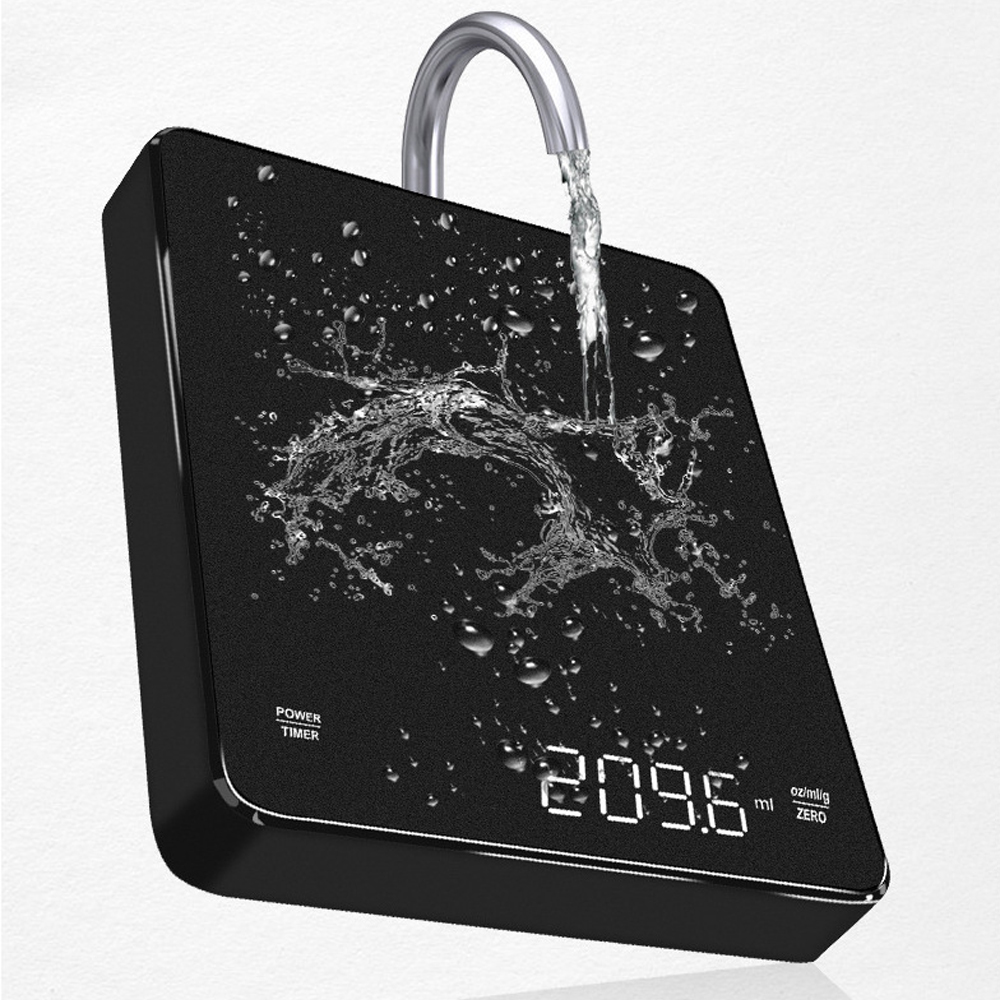 Real-Time Weight Tracking: Mastering the Pour Rhythm
A scale with live weight updates (at least 5 times per second) is indispensable for maintaining a steady pour speed. Models like the Fellow Tally Pro feature high-contrast displays that highlight target water levels in real time, guiding you through the bloom phase (initial 30–40g of water to release CO₂) and the main extraction. This real-time feedback helps avoid common pitfalls like pouring too fast (under-extraction) or too slow (over-extraction).
Integrated Timer & Brew Ratio Calculators: Timing is Everything
Brew time is a key variable in extraction, and a built-in timer ensures you hit the sweet spot between 2:30 and 4:00 minutes. Advanced scales like the Timemore Black Mirror Pro go a step further with brew ratio calculators, which auto-generate target water weights based on your coffee dose (e.g., input 18g coffee, get 288g water for a 1:16 ratio). This eliminates manual calculations and reduces the risk of human error, making complex recipes more accessible to all brewers.
Durability: Withstanding Heat, Water, and Daily Use
Pour-over involves hot water (195–205°F/90–96°C) and inevitable spills, so choose scales with heat-resistant platforms (stainless steel, tempered glass) and at least IPX4 water resistance. The Escali Primo stands out with an IPX7 rating, allowing it to be rinsed under running water—ideal for quick cleanup after messy brews. For commercial use, the My Weigh KD-2000 offers industrial-grade durability, capable of handling heavy daily use in busy cafes.
Design & Usability: From Countertop to Travel
- Home Brewers: Prioritize a stable, spacious platform (6–8 inches wide) like the Acaia Lunar to accommodate large drippers (e.g., Chemex, V60) and avoid wobbling.
- Travel Enthusiasts: Opt for compact, lightweight models like the Timemore Nano (6x6cm, 100g), which feature rechargeable batteries and foldable designs for on-the-go brewing.
- Aesthetic Focus: Sleek, minimalist scales like the Brewista Smart Scale blend seamlessly with modern kitchen decor, while rugged, industrial designs appeal to coffee professionals.
Types of Pour-Over Coffee Scales

Basic Precision Scales: Reliable and Affordable
Ideal for casual brewers and those on a budget, these scales focus on core functionality without extra frills.
- Pros: Affordable ($30–$80), straightforward operation, reliable accuracy.
- Cons: No app connectivity, basic timer (if included), limited design options.
- Top Picks:
- OXO Brew Precision Scale: 3kg capacity, backlit display, 90-minute timer, and a user-friendly tare function.
- Greater Goods Digital Scale: 0.1g precision, compact design, and a 5-year warranty—perfect for beginners.
Smart Connected Scales: Data-Driven Brewing Excellence
For serious enthusiasts and professionals, these scales offer advanced features for recipe optimization and performance tracking.
- Pros: Bluetooth/Wi-Fi connectivity, app integration (recipe storage, brew analytics), advanced timers.
- Cons: Higher cost ($150–$300), requires learning curve for app features.
- Top Picks:
- Acaia Pearl: Industry-leading MEMS sensors, flow rate tracking, and integration with the Acaia app for roast profiling and batch logging.
- Fellow Tally Pro: Auto-detects brew stages (bloom, main pour), suggests water targets, and syncs with coffee logging apps like Coffee Shop.
Compact Travel Scales: Brew Anywhere, Anytime
Designed for portability without compromising precision, these scales are perfect for camping, office brewing, or travel.
- Pros: Lightweight (100–300g), foldable/space-saving design, long battery life.
- Cons: Smaller display, limited capacity (1–2kg), fewer advanced features.
- Top Picks:
- Timemore Black Mirror Nano: 0.1g precision, USB-C charging, and a magnetic drip tray for stability.
- Hario V60 Drip Scale: Budget-friendly, compatible with Hario’s pour-over lineup, and simple one-touch operation.
Common Parameters of Coffee Scales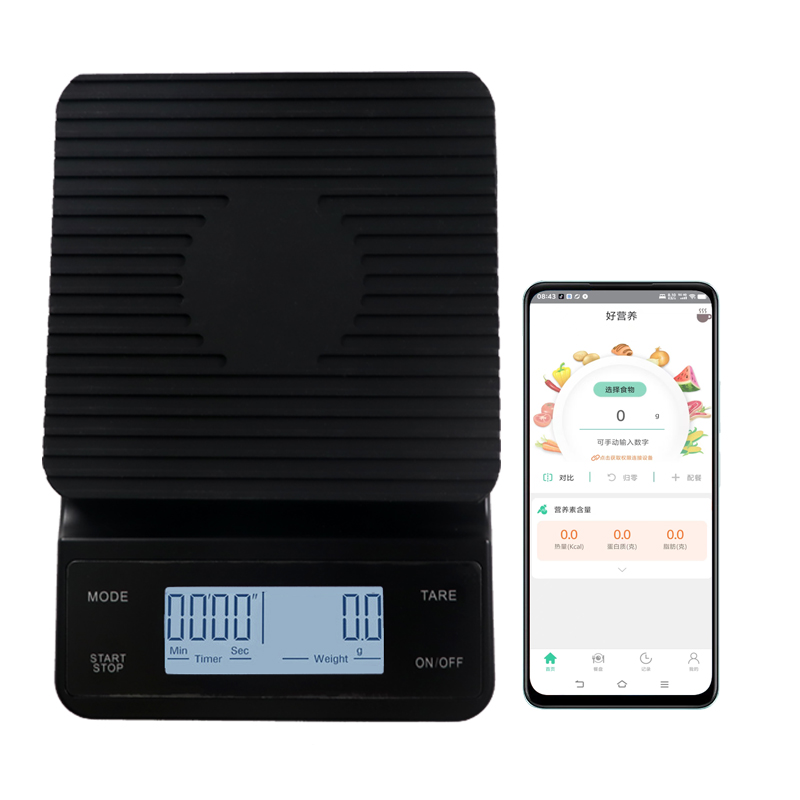
| Parameter | Basic Scales | Smart Scales | Travel Scales |
|---|---|---|---|
| Precision | 0.1g (strain gauge) | 0.1g (MEMS sensors) | 0.1g (compact sensors) |
| Weight Capacity | 2–3kg (4.4–6.6 lbs) | 3–5kg (6.6–11 lbs) | 1–2kg (2.2–4.4 lbs) |
| Display | Monochrome LCD | Backlit color LED + app | Mini LCD or LED |
| Timer | Manual start/stop | Auto-stage detection | Basic countdown |
| Connectivity | None | Bluetooth 5.0/Wi-Fi | Bluetooth (optional) |
| Battery Life | 6–12 months (AAA x2) | 12–18 months (rechargeable) | 8–10 months (CR2032 x2) |
| Special Features | Tare, auto-off | Brew ratio calculator, flow graph | Foldable platform, magnetic tray |
Achieving Precision: A Step-by-Step Guide
Calibration: Ensuring Accuracy from the Start
Regular calibration is essential to maintain accuracy, especially for coffee scales used daily.
- Frequency: Calibrate monthly or after dropping the coffee scale, using a certified weight (500g or 1kg).
- Steps:
- Place the coffee scale on a flat, non-carpeted surface (avoid flexible materials like wood or glass).
- Press and hold the "CAL" button until the display blinks, then place the calibration weight in the center of the platform.
- Wait for the coffee scale to stabilize and display the weight value accurately (e.g., "500.0g" for a 500g weight).
- Alternative: Use common household items for quick checks (e.g., 5 US quarters = 28.35g).
Optimal Setup for Pour-Over: Placement and Technique
- Dose Coffee scale:
- Tare the coffee scale with your dripper and filter (e.g., 21g for a V60 dripper + filter).
- Add coffee grounds until reaching your target dose (e.g., 20g for a 1:16 ratio).
- Bloom Phase:
- Pour 2x the coffee weight in water (40g for 20g coffee), start the timer, and let sit for 30 seconds to allow degassing.
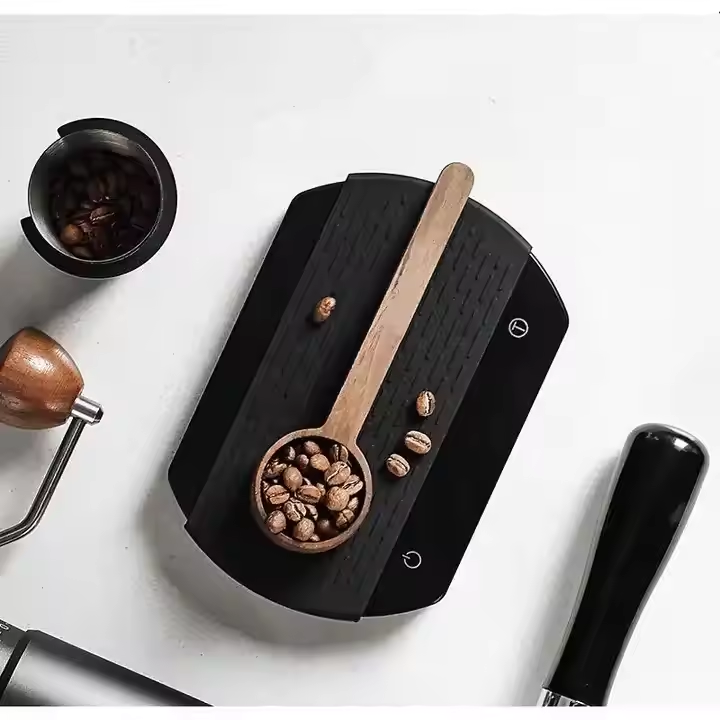 Main Extraction:
- Pour in a slow, spiral motion from the center outward, aiming for 2–3g per second, until reaching your target water weight (320g for 1:16).
- Use the scale’s real-time display to maintain a steady flow and adjust speed as needed.
- Final Check:
- Verify total brew time and weight; adjust grind size or pour speed for the next brew if flavors are unbalanced.
Troubleshooting Measurement Errors: Common Issues and Solutions
- Fluctuating Readings:
- Cause: Unstable surface, vibrations, or debris under the platform.
- Solution: Use a rubber mat for grip, clean the platform, and ensure the coffee scale is placed on a solid surface.
- Timer Not Syncing:
- Cause: Low battery, software glitch, or manual misoperation.
- Solution: Replace batteries or recharge, reset the coffee scale, and practice starting the timer simultaneously with the first pour.
- Over-Pouring:
- Cause: Slow display update or misjudging pour speed.
- Solution: Choose a coffee scale with instant updates (e.g., Acaia Pearl) and practice pouring in small increments near the target weight.
Expert Opinions and Industry Insights
James Hoffmann, World Coffee Championship Judge and Author:
"A coffee scale is the single most important tool for pour-over, as it removes the guesswork from ratios. I recommend the Acaia Pearl for its combination of precision, durability, and the ability to analyze pour patterns via the app—essential for dialing in complex recipes."
SCA (Specialty Coffee Association) Technical Report:
- Key Finding: Scales with 0.1g precision improve extraction consistency by 37% compared to 1g-resolution kitchen scales.
- Best Practices: "Always weigh both coffee and water by weight, not volume. A 10g variation in coffee dose (e.g., 18g vs. 28g in a 1:16 ratio) can change the brew strength by over 50%."
Barista Hustle User Survey (2025):
- 89% of respondents cited "real-time weight tracking" as the most important scale feature for pour-over scale.
- The Fellow Tally Pro was voted "Most User-Friendly" for its intuitive display and automatic brew stage detection.
Frequently Asked Questions (FAQ)
Q1: Can I use a regular kitchen scale for pour-over coffee?
A: While a regular kitchen scale can measure weight, it typically lacks the critical features for pour-over:
- 0.1g precision (most kitchen scales offer 1g increments).
- Real-time tracking (slow response times make it hard to control pour speed).
- Timer integration (essential for measuring brew duration).
- Compact design (bulky platforms may not fit under drippers).
Q2: What’s the difference between a pour-over coffee scale and an espresso scale?
A:
- Pour-over scales: Prioritize 0.1g precision, large capacity (2–5kg), and timer integration for long brew times.
- Espresso scales: Focus on instant responsiveness (for shot timing) and compact size (to fit under espresso machines), often with lower capacity (1–2kg).
Q3: How important is water resistance in a pour-over coffee scale?
A: Highly important, as spills are inevitable during pouring. At minimum, choose an IPX3-rated scale (splash-proof). For easy cleanup, opt for IPX5 (spill-resistant) or IPX7 (fully waterproof, like the Escali Primo), which can be wiped down or rinsed safely.
Q4: Are expensive coffee scales worth the investment for home brewers?
A: It depends on your goals:
- Casual Brewers: A budget scale ($30–$60) like the OXO Brew will meet basic needs.
- Enthusiasts/Recipe Developers: Premium scales ($150+) with app connectivity and advanced features help refine recipes and track progress over time.
Q5: How do I store my coffee scale to prolong its lifespan?
A:
- Keep it in a dry, dust-free environment away from direct sunlight or heat sources.
- For battery-powered scales, remove batteries if storing long-term to prevent corrosion.
- Use a protective case for travel scales to avoid sensor damage from impacts.

Related: Comprehensive Guide to Coffee Scales
For a deeper dive into coffee scale technology, explore our dedicated guide:
Read: Ultimate Guide to Choosing the Right Coffee Scale
This resource covers:
- In-depth reviews of 20+ scales, from budget picks to professional-grade models.
- Detailed explanations of sensor technology (MEMS vs. strain gauge).
- Step-by-step guides for advanced techniques like refractometer calibration and roast profiling.
Expert Insight: "The right scale turns brewing into a science—start with precision, then let your taste buds guide the art."
Conclusion
The best pour-over coffee scale is one that aligns with your brewing style, budget, and precision needs. Whether you opt for the reliability of a coffee scale, the data-driven insights of a smart model, or the portability of a travel design, prioritize 0.1g accuracy, real-time feedback, and durability. Remember, even the most advanced scale requires practice—calibrate regularly, experiment with ratios, and use the timer to master your pour rhythm. With the right tool in hand, every pour-over can be a step toward coffee perfection, one gram at a time.
What is the best pocket scale for jewelry?
What's the difference between a regular kitchen scale and one for baking?
Related Article
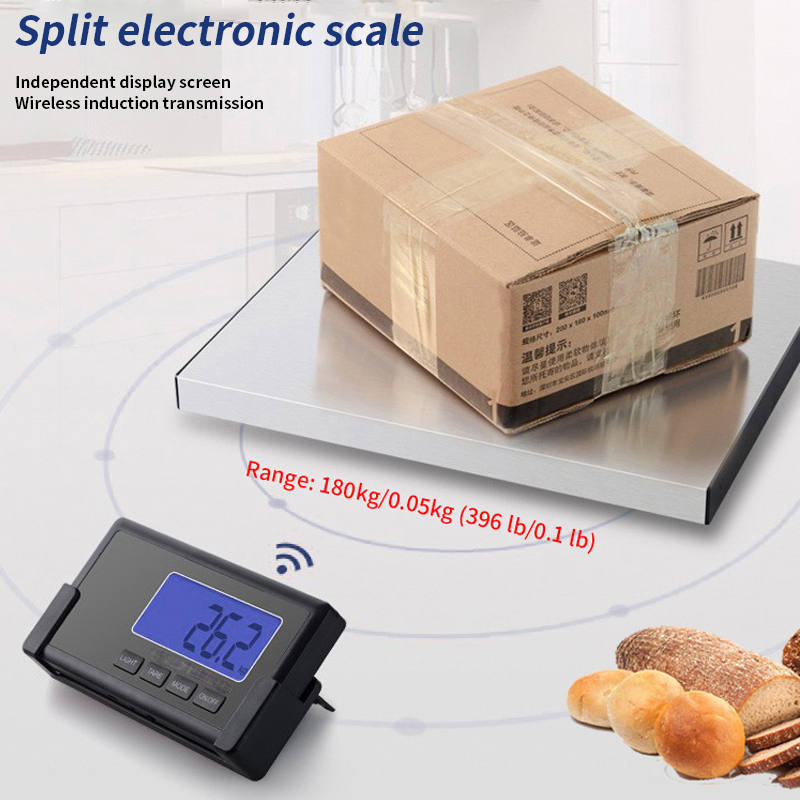
In the world of logistics and shipping, accuracy and efficiency are paramount. For businesses and individuals dealing with large packages or pallets, a reliable wireless shipping scale is an indispensable tool. One of the most critical questions that arises when selecting such a scale is: "What's the maximum weight capacity of a reliable wireless shipping scale suitable for shipping large packages or pallets?"
What's the Maximum Weight Capacity of a Reliable Wireless Shipping Scale Suitable for Shipping Large Packages or Pallets?
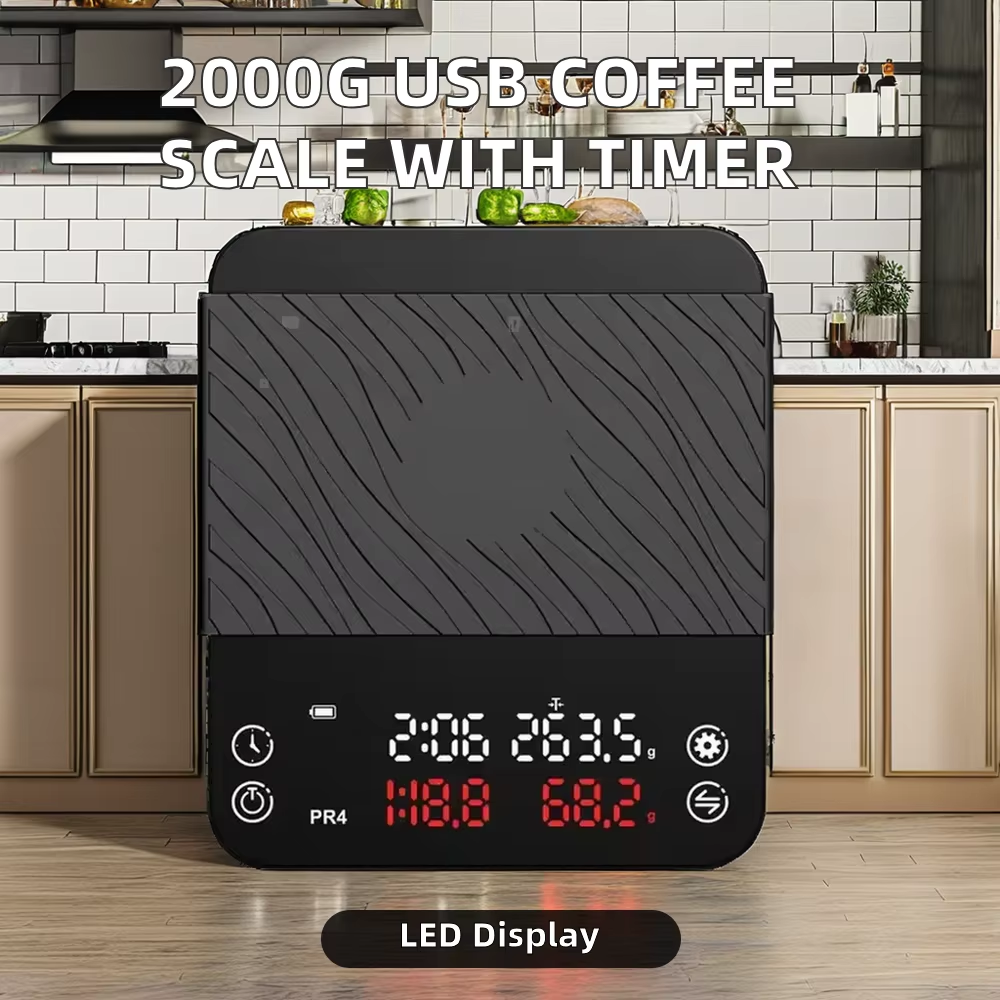
For coffee enthusiasts and baristas, the espresso scale is an indispensable tool. It ensures that each shot adheres to the precise coffee-to-water ratios that define a balanced, flavorful espresso. Among the key considerations when choosing an espresso scale is its weight capacity—the maximum weight it can accurately measure.
What's the Ideal Weight Capacity for an Espresso Scale Considering the Typical Amounts of Coffee and Water Used in a Shot?

The spoon scale has become a popular tool in home kitchens, beloved for its convenience in measuring small amounts of ingredients, especially spices, baking powders, and other seasonings. However, many users encounter a frustrating issue: their spoon scale gives inconsistent readings for the same ingredient.
My Spoon Scale Seems to Give Inconsistent Readings for the Same Ingredient. What Could Be the Problem and How Can I Fix It?

In the intricate world of jewelry, precision in weighing is of utmost importance. Whether it's determining the value of a rare gemstone, ensuring the correct amount of precious metal in a piece, or verifying the authenticity of a jewelry item, the right mini jewelry scale can make all the difference.
What's the Most Accurate Mini Jewelry Scale for Weighing Tiny Gemstones and Can It Measure Down to Milligrams?