
How Should I Store My Postal Scale When Not in Use?
2025-07-17

Table of Contents
- Introduction: The Importance of Proper Postal Scale Storage
- Key Factors Affecting Digital Postal scale Longevity
- Storage Guidelines by Postal Weighing Scale Type
-
- 3.1 Digital Postal Scale Digital
-
- 3.2 Manual/Mechanical Postal Shipping Scale
- Environmental Conditions for Optimal Storage
-
- 4.1 Temperature and Humidity Control
-
- 4.2 Protection from Physical Damage
-
- 4.3 Dust and Debris Prevention
- Step-by-Step Storage Preparation
- Recommended Storage Solutions and Products
- Common Package Scales Postal Models: Specifications and Storage Notes
- How Proper Storage Preserves Accurate Measurements
- Expert Insights on Shipping Postal Scale Maintenance
- Frequently Asked Questions (FAQ)
- Related Resources: Previous Coverage on Handheld Postal Scale
1. Introduction: The Importance of Digital Shipping Postal Scale Storage
A scale postal is a workhorse for anyone shipping packages, whether for personal use, small businesses, or e-commerce operations. Its accuracy directly impacts postage costs, shipping efficiency, and compliance with carrier guidelines. Yet, many users overlook a critical aspect of maintaining this tool: proper storage when not in use.
Neglecting storage best practices can lead to reduced accuracy, shortened lifespan, or even permanent damage. Dust accumulation, exposure to moisture, extreme temperatures, or physical stress can skew sensor readings, jam mechanical components, or corrode internal parts. In this guide, we’ll break down science-backed storage methods, tailored to different types of postal scales, and explain how these practices safeguard your device’s performance over time.
2. Key Factors Affecting Postal Shipping Scale Longevity
Before diving into storage methods, it’s essential to understand what threatens a postal digital scale when idle. These factors dictate the storage strategies we’ll outline:
- Moisture: Humidity or liquid exposure can rust metal components (e.g., springs in manual scales) or short-circuit digital sensors and circuit boards.
- Dust and Debris: Particles can clog mechanical gears, block sensor ports, or interfere with weight distribution on the scale’s platform.
- Extreme Temperatures: Freezing temperatures can crack plastic casings or stiffen mechanical parts, while excessive heat may warp components or degrade battery life in digital models.
- Physical Pressure: Storing heavy objects on top of the scale can damage load cells (in digital scales) or bend springs (in manual scales), leading to calibration drift.
- Battery Leakage: For digital scales left with batteries inside during long-term storage, chemical leakage can corrode internal circuits.

3. Storage Guidelines by Digital Shipping Postal Scale Type
Postal scale for shipping come in two primary types: digital and manual. Each has unique components that demand tailored storage approaches.
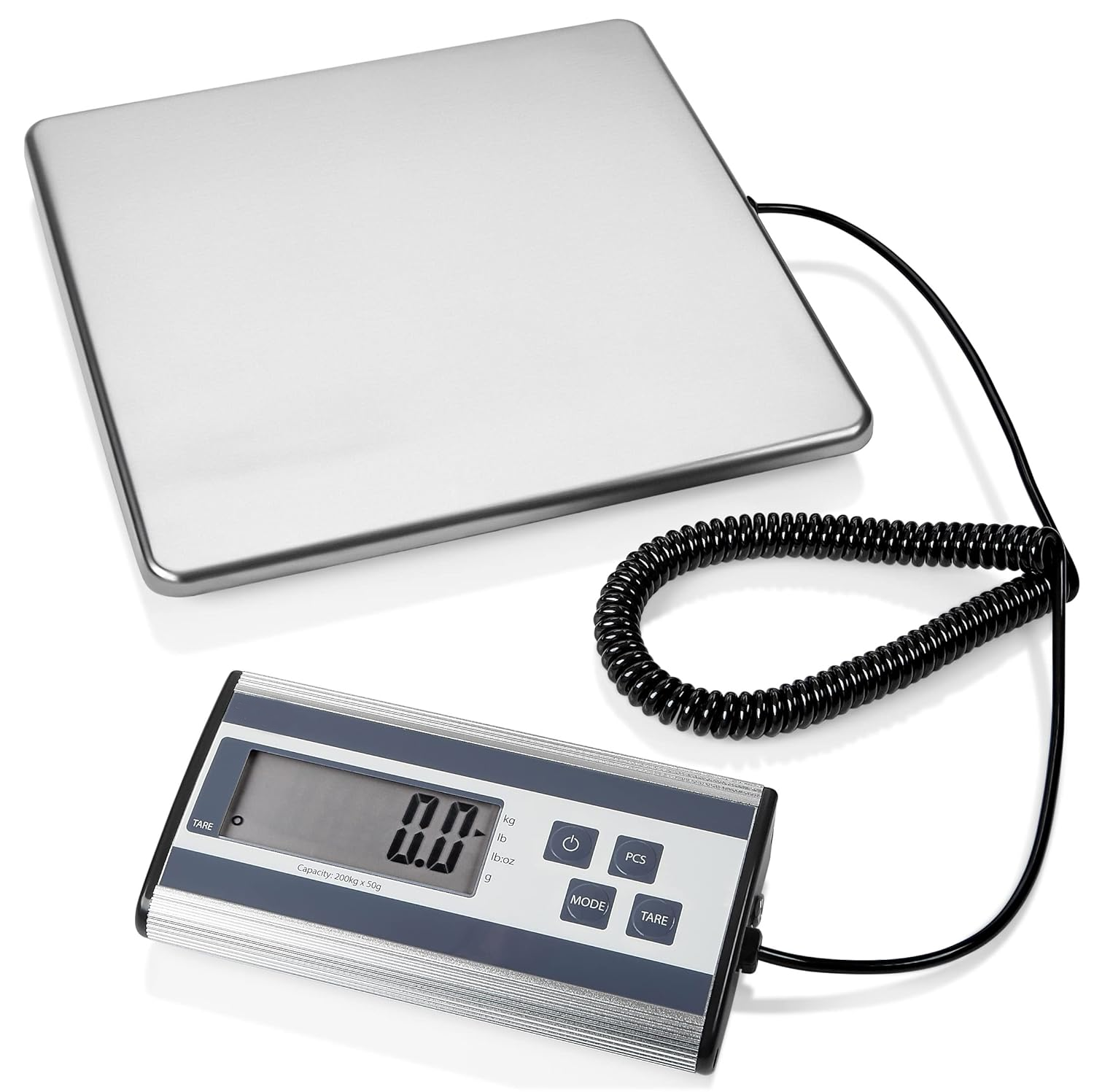
Digital models rely on electronic sensors, circuit boards, and displays—making them more sensitive to environmental and electrical threats.
- Battery Removal: If storing for more than 2 weeks, remove batteries to prevent leakage. Even “long-life” lithium batteries can degrade over time, especially in humid environments.
- Power Down Properly: Ensure the scale is turned off before storage. Some models have an auto-shutoff feature, but manually powering down reduces residual energy drain.
- Protect the Display: Use a soft cloth or the original packaging to cover the LCD/LED display, preventing scratches from dust or accidental contact.
- Avoid Magnetic Fields: Keep digital scales away from strong magnets (e.g., toolboxes with magnetic closures, speakers). Magnets can disrupt sensor calibration.
3.2 Manual/Mechanical Best Postal Scale
Manual scales use springs, levers, and analog dials. Their mechanical nature makes them vulnerable to physical stress and corrosion.
- Relieve Tension: For spring-based models, ensure no weight is placed on the platform during storage. Storing with tension on the spring can cause permanent stretching, reducing accuracy.
- Lubricate Moving Parts (Sparingly): Apply a drop of silicone-based lubricant to pivot points (e.g., where the dial connects to the spring) to prevent rust, but avoid oil-based products that attract dust.
- Secure Loose Components: If the scale has detachable parts (e.g., a removable weighing platform), store them separately in a labeled bag to avoid loss or damage.

4. Environmental Conditions for Optimal Storage
The environment where you store your best digital postal scale is as critical as the storage method itself. Aim for conditions that mimic the scale’s ideal operating environment.
4.1 Temperature and Humidity Control
- Temperature Range: Store in a room with temperatures between 60°F (15°C) and 80°F (27°C). Avoid basements (prone to dampness) or attics (extreme temperature swings).
- Humidity Levels: Use a dehumidifier if relative humidity exceeds 60%. For high-humidity regions, consider a sealed storage container with silica gel packets to absorb moisture.
4.2 Protection from Physical Damage
- Avoid Heavy Stacking: Never place boxes, tools, or other items on top of the scale. Even light pressure over time can deform the platform or internal components.
- Stable Surfaces: Store the scale on a flat, level surface (e.g., a shelf or cabinet) to prevent tipping or shifting, which could misalign parts.
4.3 Dust and Debris Prevention
- Covers and Cases: Use a breathable dust cover (cotton or linen) for daily storage. For long-term storage (months), seal the scale in a plastic container with air vents to prevent moisture buildup.
- Pre-Storage Cleaning: Wipe the platform and casing with a dry microfiber cloth to remove existing dust before storing. For sticky residues (e.g., from package tape), use a mild, damp cloth and dry thoroughly.

5. Step-by-Step Storage Preparation
Follow these steps to prepare your best home postal scale for storage, regardless of type:
- Clean the Scale:
-
- Wipe the weighing platform with a dry cloth to remove dust, dirt, or debris.
-
- For digital scales, gently clean the display with a soft, dry cloth (avoid liquids near ports).
-
- For manual scales, use compressed air to blow dust out of crevices (e.g., around the dial or spring housing).
- Inspect for Damage:
-
- Check for cracks in the platform, loose screws, or signs of rust. Address minor issues (e.g., tightening screws) before storage to prevent worsening.
- Prepare Digital Scales:
-
- Remove batteries and store them separately in a cool, dry place (if reusing).
-
- If the scale has a power cord, wrap it loosely (to avoid wire damage) and secure with a twist tie.
- Prepare Manual Scales:
-
- Ensure the spring is in a relaxed position (no weight applied).
-
- Apply a thin layer of silicone lubricant to metal moving parts (avoid contact with the weighing surface).
- Choose a Storage Location:
-
- Select a spot meeting the temperature and humidity guidelines (Section 4.1).
-
- Place the scale on a flat surface, cover with a dust cover, or place in a sealed container (with silica gel for humidity control).

6. Recommended Storage Solutions and Products
The right storage tools can simplify protection. Here are our top recommendations:
- Dust Covers:
-
- XXL Cotton Dust Cover: Fits most large postal scales (up to 18” x 12”); breathable to prevent moisture.
-
- Water-Resistant Nylon Cover: Ideal for garages or basements with moderate humidity.
- Storage Containers:
-
- Airtight Plastic Bin with Vents: Prevents dust while allowing air circulation; comes with a silicone seal.
-
- Hard Shell Case: For portable postal scales (e.g., travel-sized models); shock-resistant for storage in vehicles or closets.
- Humidity Control:
-
- Reusable Silica Gel Packets: Absorb moisture; rechargeable in the oven for repeated use.
-
- Mini Dehumidifier: Perfect for small storage cabinets; auto-shuts off when full.
7. Common Best Postal Shipping Scale Models: Specifications and Storage Notes
The table below highlights popular shipping scale models, their key specs, and storage considerations based on design:
|
Model
|
Type
|
Capacity
|
Accuracy
|
Material
|
Dimensions
|
Storage Notes
|
|
AmazonBasics Digital Postal Scale
|
Digital
|
50 lbs / 23 kg
|
±0.1 oz
|
Plastic/Metal
|
11.8” x 8.3” x 2.4”
|
Remove batteries if storing >2 weeks; avoid direct sunlight on the LCD.
|
|
Ohaus STX-2000 Manual Scale
|
Manual
|
20 lbs / 9 kg
|
±0.25 oz
|
Steel/Aluminum
|
10” x 8” x 6”
|
Relieve spring tension; lubricate pivot points annually.
|
|
Dymo Digital Shipping Scale
|
Digital
|
100 lbs / 45 kg
|
±0.2 oz
|
Plastic
|
16” x 12” x 3”
|
Store with the power cord detached; use a dust cover to protect the platform.
|
|
Rice Lake 480 Postal Scale
|
Digital
|
60 lbs / 27 kg
|
±0.1 oz
|
Stainless Steel
|
14” x 10” x 4”
|
Wipe stainless steel platform dry before storage to prevent water spots.
|

8. How Proper Storage Preserves Accurate Measurements
Accuracy is the scale shipping’s most critical function—and storage directly impacts it. Here’s why:
- Sensor Calibration: Digital scales use load cells (sensors that convert weight to electrical signals). Dust or moisture can disrupt their ability to detect small weight changes, leading to readings that are consistently off by ounces or pounds.
- Mechanical Integrity: Manual scales rely on springs calibrated to specific tension. Storing with weight on the platform stretches these springs permanently, causing them to undercount weight over time.
- Battery Performance: Digital scales with degraded batteries (from heat or humidity) may produce erratic readings or fail to power on, requiring immediate replacement before use.
By following storage guidelines, you minimize calibration drift, reducing the need for frequent recalibration (learn more about calibration in our previous guide: How Do I Choose the Right Capacity for My Parcel Scale?).
9. Expert Insights on Digital Shipping Scale Maintenance
We consulted industry experts to validate storage best practices:
- Sarah Johnson, Logistics Engineer at FedEx:
“In shipping hubs, we store scales in climate-controlled rooms with strict humidity limits (<50%). Even a 10% increase in humidity over 6 months can reduce a digital scale’s accuracy by 2-3%. For home users, silica gel packets and dust covers are simple, effective tools.”
- Mark Torres, Product Designer at Ohaus (Scale Manufacturer):
“Manual scales are robust, but their springs are delicate. Storing them with weight applied is like leaving a rubber band stretched—over time, it loses elasticity. Always store manual scales in a ‘rested’ state.”
- Dr. Lisa Wong, Materials Scientist:
“Stainless steel platforms resist rust, but they’re not immune. Wiping them dry before storage prevents mineral deposits (from water or spills) that can etch the surface, affecting how weight distributes during use.”

10. Frequently Asked Questions (FAQ)
Q1: Can I store my package shipping scale in the garage?
A: Garages often have extreme temperature swings and humidity, which can damage electronics. If storing in a garage is necessary, use an airtight container with silica gel and avoid placing it near windows or water sources.
Q2: How often should I check on my stored digital scale shipping parcel?
A: For short-term storage (1-3 months), a monthly check for dust or moisture is sufficient. For long-term storage (6+ months), inspect every 2-3 months and replace silica gel packets as needed.
Q3: Is it better to store my weight scale shipping assembled or disassembled?
A: Keep it assembled unless it has detachable parts (e.g., a removable platform). Disassembling can lead to lost components or misalignment when reassembling.
Q4: My postal shipping scale has a rechargeable battery. Should I leave it charged during storage?
A: No. Rechargeable batteries (e.g., lithium-ion) should be stored at 40-50% charge to prevent degradation. Fully charging or draining them can reduce lifespan.
Q5: Can I use a plastic bag to cover my scale?
A: Avoid non-breathable plastic bags for long-term storage—they trap moisture. Use a breathable dust cover or a vented container instead.
11. Related Resources: Previous Coverage on Shipping Weight Scale
This guide builds on our earlier coverage of parcel scale, including:
- How Accurate Do Postal Scales Need to Be?: Explains why precision matters for postage and how storage affects long-term accuracy.
- DIY Calibration: Ensuring Your Postal Scale Reads Correctly: Details steps to recalibrate your scale, a process that becomes more critical if storage practices were suboptimal.
Both resources emphasize that a parcel shipping scale’s performance depends on both use and care—storage is a key part of that care.
Proper storage transforms your small parcel scale from a tool into a long-term investment. By protecting it from moisture, dust, and physical stress, you ensure it remains reliable for years, saving you from costly replacements and postage errors. Follow these guidelines, and your scale will be ready to deliver accurate readings whenever you need it.
What is the Typical Weight Capacity of an Infant Scale? Will it be able to Accommodate my Baby as They Grow in the First Year?
When is the Best Time to Use a Body Fat Scale?
Related Article
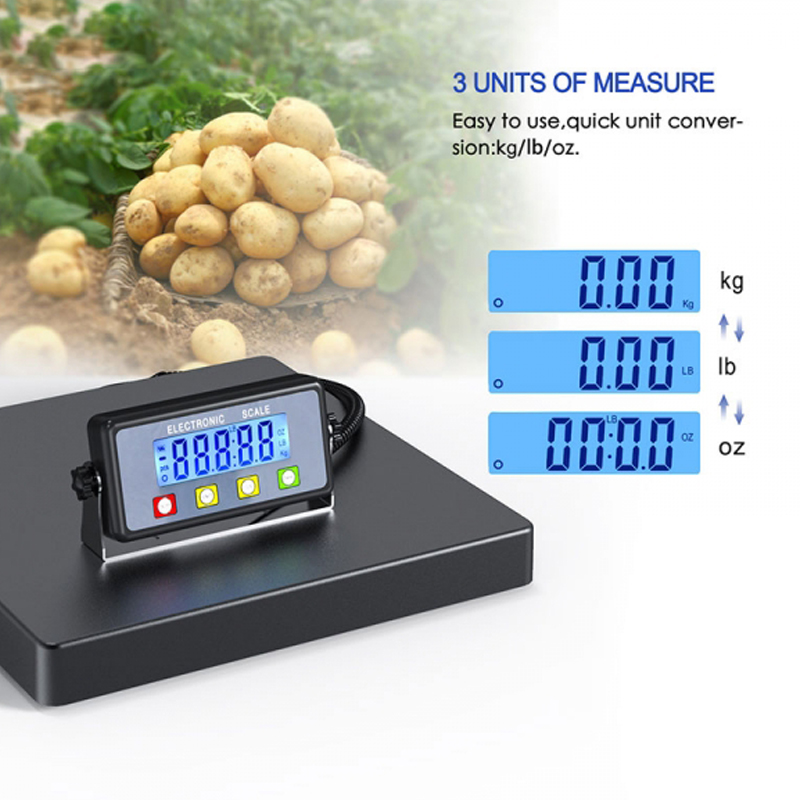
A scale for shipping packages serves as an essential tool for businesses and individuals alike, ensuring that packages are correctly priced for shipping and comply with carrier regulations. However, one of the most important decisions when purchasing a parcel scale is determining the appropriate capacity.
How Do I Choose the Right Capacity for My Parcel Scale?
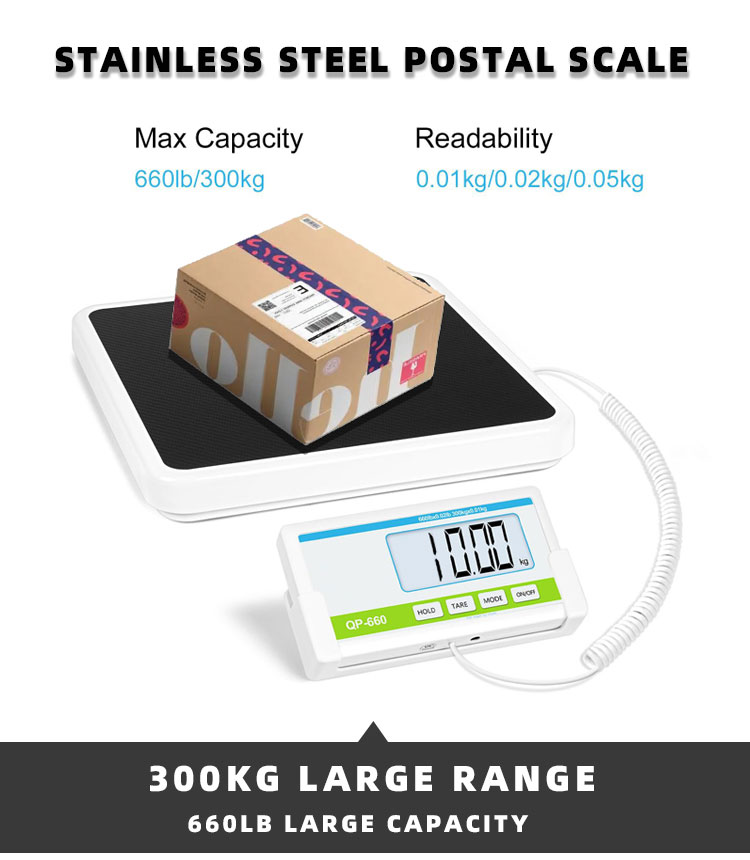
Shipping scales are essential tools for businesses involved in e - commerce, shipping services, and any operation that requires accurate weight measurement of packages. Their durability is a crucial factor. In this article, we will explore the various aspects that determine the durability of shipping scales, including the materials used in their construction, the design features, the impact of environmental factors, and proper maintenance and care.
How durable are shipping scales?

In the UK's bustling postal and e - commerce landscape, a digital package scale is an indispensable tool for businesses, online sellers, and individuals sending parcels. The right digital postal scale can streamline the shipping process, help avoid overpaying or underpaying for postage, and ensure accurate record - keeping.
What Are the Features to Look for in a Digital Postal Scale?
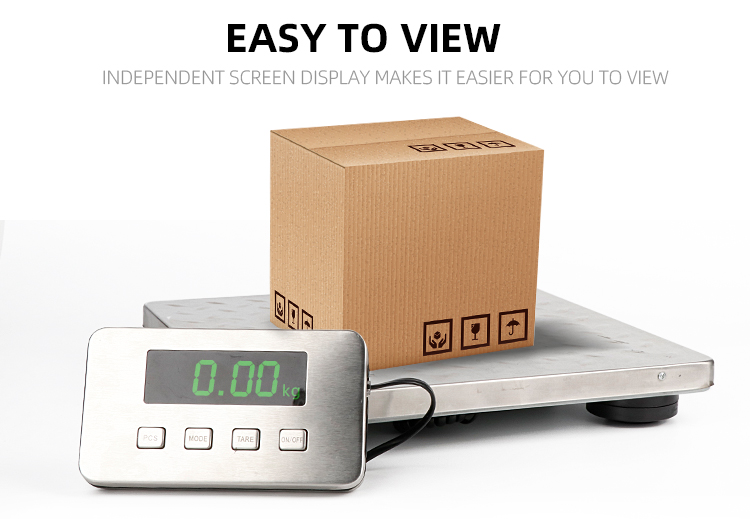
In an era where e - commerce is booming and people frequently send packages and letters, having an accurate postal scale has become more crucial than ever. But with a plethora of models available on the market, determining which postal scale is the most accurate can be a daunting task. This article delves into the world of postal scales, exploring the factors that influence accuracy, and highlighting some of the top - performing models.
Which Postal Scale is the Most Accurate?